
Clinically reviewed by Dr. Ponlawat Pitsuwan, Physician, Doctor Bangkok. Last reviewed: June 2026
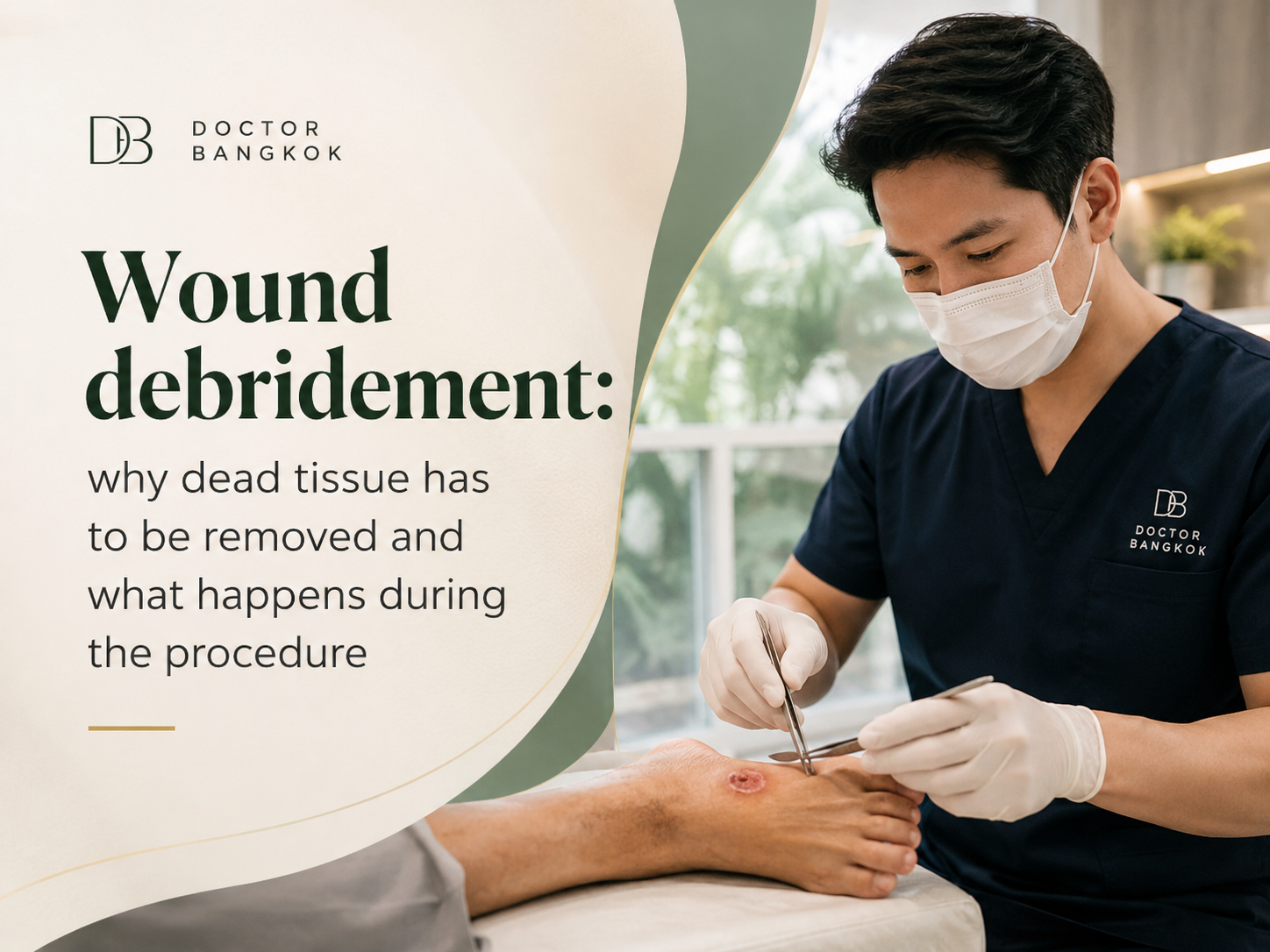
Wound debridement is the removal of dead, damaged, or infected tissue from a wound so that healthy tissue can grow back. Without it, non-healing wounds stay stuck and often get worse. The method used depends on the wound type, and most procedures are done in a clinic without a hospital stay.
You have a wound that is not healing. Maybe it has been weeks. Maybe it looked fine at first and now it is not. You are in Bangkok, it is hot, and you are not sure who to see or what needs to happen next. That is exactly the kind of situation I deal with every week.
When a wound stops healing, dead tissue is usually part of the problem. That tissue has to come out before anything else will work. The process of removing it is called debridement, and it is one of the most effective things we can do for a non-healing wound. Here is what you need to know.

Why dead tissue stops your wound from healing
A healing wound needs a clean base. When dead tissue, bacteria, or debris sit on the wound surface, the body cannot move past the early stages of inflammation. The wound stays red, wet, and stuck.
Dead tissue comes in two forms most patients notice. Black, hard, leathery tissue is called eschar. Yellow or grey soft debris is called slough. Both block new tissue from forming underneath.
There is also the issue of biofilm. This is a protective layer that bacteria build over themselves on the wound surface. It resists antibiotics and your immune system. Removing dead tissue disrupts biofilm and gives treatment a real chance to work.
Why Bangkok wounds need faster attention
This is something I want expats and visitors to understand before anything else. Bangkok’s heat and humidity are not kind to open wounds. Bacteria multiply faster. Moisture from sweat keeps wounds soft and prone to breakdown.
I see patients who have been managing a wound themselves for two or three weeks, thinking it will settle. By the time they come in, what started as a minor injury has a significant infection. A wound that might have healed in ten days in a cooler climate can become a serious problem in Bangkok in the same timeframe.
If you have any open wound that is not closing, getting a professional wound care assessment early in Bangkok is the right call.

Who needs wound debridement
Some wounds need debridement more than others. The ones I see most often in this population include road rash from motorcycle accidents, which is extremely common in Bangkok. Infected insect bites that have been scratched open and left. Post-surgical wounds from procedures done elsewhere that have broken down during travel. Diabetic foot ulcers are a separate category because they are chronic and need a structured plan from day one.
Pressure injuries, burns, and any wound with obvious dead or infected tissue are also standard reasons to consider debridement. The common thread is a wound that has stopped progressing on its own.
When debridement is not the right first step
Debridement is not always the correct choice, and I think it builds trust to say that plainly. There are situations where removing tissue would cause more harm than good.
A dry, intact, black eschar on a heel with no signs of infection and poor blood supply to the foot is one example. Removing that eschar can open the tissue to serious infection when circulation cannot support healing. In that situation, keeping it dry and covered while we address the underlying circulation problem is the safer approach.
Sharp or surgical debridement is also not appropriate for someone on blood thinners without a medication review first. We always assess circulation, medication history, and infection status before deciding on a method.
Types of wound debridement
There are two broad categories. Selective debridement removes only dead tissue and leaves healthy tissue alone. Non-selective debridement removes everything it contacts, which means it requires more careful application.
Sharp debridement uses a scalpel or surgical scissors to cut away dead tissue precisely. It is fast and effective, and local anaesthetic is applied to the area first. It is used for wounds with significant dead tissue or active infection.
Autolytic debridement uses the body’s own moisture and enzymes, kept in place by a specific dressing, to soften and break down dead tissue gradually. It is painless and works well for wounds without heavy infection. It takes longer but suits patients where sharp debridement is not appropriate.
Enzymatic debridement uses a prescribed gel applied to the wound to break down dead tissue chemically. It is selective, generally well tolerated, and commonly used between clinic visits alongside other methods.
Mechanical debridement involves physical removal through irrigation or specialised tools. It is used less often now because better methods exist, but it still has a place in specific wound types.
Biological debridement uses sterile maggots to consume dead tissue. It sounds alarming, but it is highly selective and genuinely effective for complex infected wounds that have not responded to other methods. It is a real clinical option, not a last resort.
What to expect during the procedure
Most debridement at a private clinic in Bangkok does not require hospital admission. When you come in, the doctor assesses the wound fully first: the size, depth, what tissue is present, and the condition of the skin around the wound edge.
If sharp debridement is needed, a local anaesthetic is applied first. You will feel pressure and some sensation, but sharp pain should be minimal. If the wound is in a difficult location or you feel anxious, we talk through what to expect before we start.
The wound is cleaned, the dead tissue is removed, and a dressing suited to the wound type is applied. A straightforward wound is usually done in under an hour.
What your wound will look like straight after
This is something I wish more patients were warned about. After debridement, the wound often looks bigger and deeper than it did before. That alarms people, but it is actually a good sign.
What you are seeing is the true wound bed, no longer covered by dead tissue. Healthy granulation tissue looks red or pink and slightly textured. If you see that, the debridement worked and the wound now has the right conditions to start closing.
The wound is also likely to produce more fluid in the first day or two. This is a normal response. Keep it covered with the dressing provided and follow the instructions given at the appointment.
After debridement: what comes next
One debridement session is rarely the end of the process. Acute wounds from injuries may need only one or two sessions. Chronic wounds, particularly diabetic foot ulcers or infected post-surgical wounds, often need weekly review and repeat debridement as part of a structured plan.
Nutrition matters more than most patients realise. Protein, vitamin C, and zinc all support wound healing, and I ask about diet at every wound care review. Smoking significantly slows healing and we discuss that where it is relevant.
You will be given a dressing change schedule. Stick to it. For anything beyond a simple acute wound, a follow-up at Doctor Bangkok within a few days of the first debridement is standard.
Preparing for your appointment
Bring a list of any medications you are taking, including blood thinners such as warfarin or aspirin, and any anti-inflammatory drugs. These may need to be paused before sharp debridement and we will advise you specifically.
If you have a photograph of what the wound looked like when it first appeared, bring it. It helps with assessment. If you have been dressing the wound yourself, bring whatever you have been using so we can see what is working.
Doctor Bangkok is BTS accessible and offers same-day wound care consultations with no referral needed. If you are visiting Thailand with travel insurance, wound care procedures are often covered. We can provide the documentation you need.
If you have a wound that is not healing, getting the right assessment early makes a real difference. At Doctor Bangkok, our English-speaking physicians offer same-day wound care consultations and the full range of debridement and wound management services in central Bangkok. Book your appointment at doctorbangkok.co.th/wound-care-bangkok/ or contact the clinic directly.
Does wound debridement hurt?
It depends on the method. Autolytic and enzymatic debridement are painless. For sharp debridement, we apply a local anaesthetic first, so most patients feel pressure rather than sharp pain. If you are anxious about the procedure, tell us before we start and we will walk you through exactly what to expect.
Why does my wound look bigger after debridement?
This is one of the most common concerns I hear after a procedure. Removing dead tissue reveals the true wound bed underneath, which is almost always larger than the surface suggested. Red or pink tissue at the base means healthy granulation tissue is present and healing can now begin. This is not a complication. It is the correct outcome.
How many debridement sessions will I need?
That depends on the wound. A straightforward acute wound may need just one or two sessions. Chronic wounds like diabetic foot ulcers often need ongoing weekly debridement as part of a full wound care plan. We reassess at every visit and adjust the approach based on how the wound is responding.
Can I get wound debridement in Bangkok as a tourist or expat?
Yes, and you do not need a hospital. Most debridement is done at a private clinic, often on the same day as your first consultation. You can book directly at Doctor Bangkok without a referral, whether the wound developed before you arrived in Thailand or after. Travel insurance often covers wound care, and we can help with the paperwork.
Is it safe to leave a wound untreated in Bangkok’s climate?
I would not wait. Bangkok’s heat and humidity accelerate bacterial growth in open wounds. A wound that might have healed on its own at home can deteriorate quickly here, especially if you have diabetes, poor circulation, or a condition that affects your immune system.
What is the difference between slough and eschar?
Both are types of dead tissue that block healing, but they look different. Eschar is black, dry, and hard. Slough is yellow, grey, or white with a soft, wet texture. Your doctor will assess which is present and how much, since this affects which debridement method is most appropriate.
Dr. Ponlawat Pitsuwan
Physician, Doctor Bangkok
a private medical clinic in central Bangkok. He sees expats, residents, and medical tourists for wound assessment and management, including debridement, wound dressing, and follow-up care for both acute injuries and chronic non-healing wounds. His focus is straightforward, evidence-based care delivered in plain language.
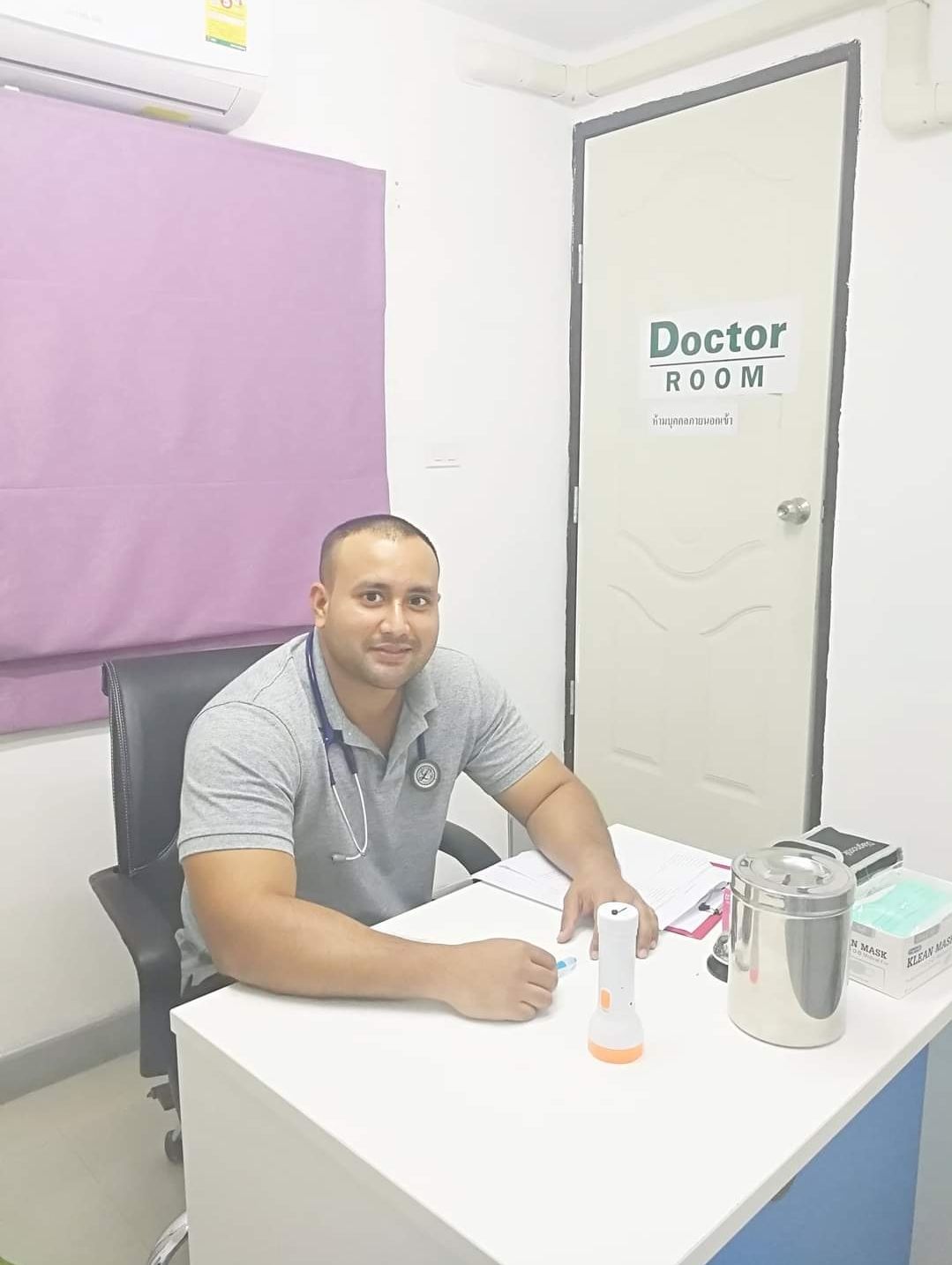
Dr. Ponlawat Pitsuwan is a physician at Doctor Bangkok, a private clinic in central Bangkok. He sees expats, residents, and medical tourists for general medicine, wellness consultations, and IV therapy. His focus is straightforward, evidence-based care delivered in plain language.