

Yellow diarrhea typically indicates rapid transit through your digestive system or malabsorption of fats. Green diarrhea usually results from bile salts that have not been fully processed during accelerated bowel movements. Both colours warrant medical evaluation if accompanied by severe dehydration, blood, persistent fever, or symptoms that continue beyond 48 hours without improvement. Neither colour alone is cause for alarm, but the combination with other symptoms determines whether a clinical assessment is needed.
Patients at Doctor Bangkok ask the same question when describing their symptoms: what does the colour mean? Yellow and green diarrhea cause particular anxiety, often because people assume unusual colours always signal serious disease. In practice, the colour tells you something useful, but rarely the whole story.
Most colour changes in loose stools reflect timing rather than pathology. Your digestive system normally takes 12 to 48 hours to process food completely, allowing bile salts to transform from yellow-green to brown through bacterial action in the colon. When diarrhea accelerates this process, that colour transformation cannot complete. For expats in Bangkok managing new dietary exposures, local bacterial environments, or recent antibiotic courses, these colour changes are a common and often temporary response. The clinical question is whether they are accompanied by warning signs that require assessment at Doctor Bangkok or another qualified provider.
The significance lies not in colour alone, but in the combination of colour, consistency, associated symptoms, and duration. Many expats manage unusual stool colours for several days before seeking care, either because they are uncertain about local healthcare access or unsure whether their symptoms justify a visit. The guidance below is designed to help you make that call more confidently.

Yellow diarrhea: what causes it and when to worry
Yellow diarrhea occurs when stool moves through your intestines too quickly for bile to undergo its normal colour transformation, or when your body cannot properly absorb dietary fats. The yellow tint comes from unprocessed bile salts and, in some cases, undigested fats expelled before absorption can take place.
Rapid transit accounts for most yellow diarrhea episodes. Gastroenteritis from contaminated food or water accelerates bowel movements and prevents the usual bile processing that produces brown coloration. This mechanism explains why many expats in Bangkok experience yellow loose stools during their first few months here. Digestive systems adjusting to different bacterial exposures, street food preparation practices, and unfamiliar ingredients respond with accelerated transit, and the colour reflects that adjustment rather than a dangerous pathology.
Malabsorption produces a different pattern of yellow diarrhea. These stools are typically more voluminous and often float due to high fat content. Conditions affecting pancreatic enzyme production or bile acid circulation impair fat digestion and produce pale yellow, greasy stools with a particularly offensive odour. This presentation requires more thorough evaluation than simple rapid transit diarrhea and should not be managed with oral rehydration alone.
Duration matters clinically. Yellow diarrhea lasting 24 to 48 hours with gradual improvement suggests infectious gastroenteritis resolving on its own. Yellow diarrhea persisting beyond 72 hours, particularly with weight loss or signs of nutritional depletion, indicates a need for stool analysis and broader digestive assessment.
Green diarrhea: bile and rapid transit
Green diarrhea results from bile salts passing through your colon before bacterial enzymes can break them down completely. Normally, bacteria in your large intestine convert yellow-green bile into the brown pigments that give stool its typical colour. When diarrhea shortens this process, bile retains its original green appearance.
Dietary factors intensify green coloration. Leafy vegetables, food colouring, and iron supplements contribute additional green pigments that become prominent when mixed with unprocessed bile during rapid transit episodes. Many patients at this clinic express concern about green diarrhea after eating green curries, salads heavy with vegetables, or after starting iron supplements. In most cases, the colour is the bile made more visible by diet, not an additional problem.
Antibiotic-associated diarrhea frequently presents with green coloration. Antibiotics disrupt the normal bacterial population responsible for bile processing, allowing green bile salts to dominate stool appearance even when transit time is only moderately accelerated. This pattern is particularly common in Bangkok’s expat community, where antibiotic use for traveler’s diarrhea or respiratory infections often triggers secondary digestive symptoms within days of completing the course.
Green diarrhea accompanied by severe cramping, fever above 38.5 degrees Celsius, or blood in the stool suggests inflammatory bowel conditions requiring immediate evaluation. The green colour itself is not the alarming element. The associated symptoms are.

Mucus in diarrhea: what does it mean?
Mucus in diarrhea indicates irritation or inflammation in your intestinal lining. Your colon produces mucus normally to lubricate stool passage, but increased production creates visible strands or coating when the intestinal wall becomes inflamed or infected.
Infectious gastroenteritis commonly produces mucus-containing diarrhea as your body attempts to protect inflamed intestinal surfaces and expel irritating organisms. The mucus appears as clear or slightly yellow strands mixed with loose stool, often accompanied by cramping as your intestines work to clear the irritant. This response is protective rather than pathological, and it usually resolves alongside the infection itself.
Inflammatory bowel conditions generate different mucus patterns. Chronic inflammation produces thicker, more persistent mucus, often with blood streaking that indicates tissue damage. These episodes typically last longer than simple infectious diarrhea and may include systemic symptoms such as fatigue and low-grade fever that persist between bowel movements.
The combination of mucus with yellow or green diarrhea suggests active inflammation rather than simple rapid transit. When this presentation persists beyond 48 hours, stool analysis is needed to identify specific pathogens and guide appropriate treatment.
When stool colour changes require medical attention
Certain colour combinations with diarrhea indicate complications requiring same-day medical evaluation. Black tarry diarrhea suggests upper gastrointestinal bleeding and constitutes a medical emergency. Bright red blood mixed with any coloured diarrhea, particularly when accompanied by severe cramping or fever, indicates lower intestinal bleeding requiring urgent assessment.
Pale yellow or clay-coloured diarrhea persisting beyond 72 hours raises concerns about bile duct obstruction or severe malabsorption. This presentation alongside yellowing of the eyes or dark urine suggests liver or gallbladder involvement requiring immediate diagnostic workup, not watchful waiting.
Persistent coloured diarrhea with dehydration signs, despite self-treatment and fluid intake, indicates that the body is no longer compensating adequately. At this stage, oral rehydration alone is unlikely to be sufficient. Intravenous fluid replacement becomes the appropriate next step, and it should not be delayed.
Signs of dehydration and electrolyte loss
Moderate dehydration develops quickly with persistent diarrhea, particularly in Bangkok, where the baseline heat and humidity mean fluid losses are already elevated before illness begins. Early signs include thirst, decreased urination frequency, and mild headache. These symptoms typically appear within 12 to 24 hours of onset and can progress faster than expected in Bangkok’s climate.
Severe dehydration produces rapid heart rate, dizziness when standing, and concentrated urine appearing dark yellow or amber. Skin loses elasticity and remains elevated when pinched on the back of the hand. Mental confusion or unusual lethargy indicates dangerous fluid losses that require intravenous replacement rather than continued oral hydration attempts.
Electrolyte imbalance produces muscle cramps, particularly in the legs and abdomen, along with unusual weakness. These symptoms signal that oral rehydration solutions, while appropriate for mild cases and available at pharmacies across Bangkok, are no longer sufficient. Intravenous correction is needed to restore normal body chemistry safely.
Stool testing and diagnosis in Bangkok
Stool analysis provides definitive answers about the cause of coloured diarrhea when symptoms persist beyond initial self-care measures. At Doctor Bangkok, we perform stool cultures, parasite examinations, and inflammatory marker testing to identify specific pathogens and guide targeted treatment. Results are typically available within 24 to 48 hours, which is fast enough to direct treatment before complications develop.
The testing process involves fresh stool collection in sterile containers, ideally within two hours of passage for optimal pathogen detection. Many expats delay testing due to uncertainty about the collection process or concern about language barriers when accessing Thai medical facilities. At an English-speaking clinic the procedure is explained clearly, and the clinical team can discuss results in your language.
Which tests are ordered depends on your symptoms and exposure history. Recent travel within Southeast Asia prompts testing for regional parasites and bacterial strains specific to this part of the world. Antibiotic use within the past month indicates screening for Clostridioides difficile, a bacterial infection that can follow antibiotic courses and produce particularly severe colitis. Persistent mucus or blood requires inflammatory markers and bacterial culture with antibiotic sensitivity testing.
What to expect during stool analysis
Collection requires a clean, dry container and a fresh specimen obtained during a natural bowel movement. Avoid mixing with urine or toilet water, which interfere with bacterial culture accuracy. The laboratory requires approximately one tablespoon of material for complete analysis.
Processing includes microscopic examination for parasites and blood cells, bacterial culture on specialised media, and chemical analysis for fat content and inflammatory proteins. Advanced testing may include toxin detection for specific bacteria or DNA-based analysis for organisms that are difficult to culture by conventional methods.
Results require clinical correlation with your symptoms and exposure history. Positive cultures identify specific treatment targets. Negative results in the context of persistent symptoms may indicate viral causes or non-infectious inflammatory conditions that require a different management approach than a simple antibiotic course.
Persistent yellow or green diarrhea, especially with mucus, fever, or signs of dehydration, requires professional evaluation and often stool testing to identify the specific cause. Doctor Bangkok offers same-day consultations and stool analysis with results typically available within 24 to 48 hours. Our central Bangkok location is BTS accessible and provides straightforward access for expats and residents. Book your consultation at
Frequently Asked Questions
How long should I wait before seeing a doctor for yellow diarrhea?
Yellow diarrhea lasting more than 48 hours without clear improvement, or any yellow diarrhea accompanied by fever above 38 degrees Celsius, severe cramping, or signs of dehydration, warrants same-day medical evaluation. If you can maintain adequate hydration and symptoms are genuinely improving after 24 hours, another day of observation is reasonable before seeking care. However, Bangkok’s heat and humidity accelerate dehydration compared with cooler climates, and what feels like mild fluid loss can progress quickly. When in doubt, a clinical review at Doctor Bangkok takes less time than waiting to see whether symptoms worsen.
Is green diarrhea always serious?
Green diarrhea alone is not serious and usually indicates rapid transit preventing normal bile processing. In the Bangkok context, green coloration is often related to diet, antibiotic use, or the common viral and bacterial gastroenteritis that circulates year-round in a tropical urban environment. However, green diarrhea with blood, high fever, or severe abdominal pain requires immediate medical assessment. These combinations suggest inflammatory conditions, not simple transit disruption, and they need clinical evaluation rather than home management.
Can food poisoning cause both yellow and green diarrhea?
Food poisoning commonly causes colour changes in stool because it accelerates bowel transit and disrupts normal digestion simultaneously. The specific colour depends on how quickly stool moves through your system and what you have eaten recently. Yellow often appears earlier in the episode when bile is most unprocessed. Green can follow as transit accelerates further and bacterial populations are disrupted by the infection itself. Food poisoning typically improves within 48 to 72 hours with adequate hydration and rest. Symptoms that intensify or do not begin improving within that window need stool testing to rule out specific bacterial infections that require targeted antibiotic treatment.
What does mucus in stool indicate about my condition?
Mucus indicates intestinal irritation or inflammation. Small amounts mixed with diarrhea are a normal protective response during gastroenteritis as your intestinal wall shields itself from an active irritant. Large amounts of mucus, particularly when thick, persistent, or accompanied by blood, suggest more significant inflammation. In Bangkok’s expat population, this pattern sometimes appears after returning from travel elsewhere in Southeast Asia and can indicate parasitic infection rather than simple bacterial gastroenteritis. A stool examination distinguishes these causes and prevents the common mistake of treating a parasitic infection with antibiotics, which provides no benefit and may worsen gut flora disruption.
Should I take anti-diarrheal medication for coloured diarrhea?
Avoid anti-diarrheal medications if you have fever, blood in stool, or reason to suspect food poisoning from a specific source, as these conditions generally require your body to expel the irritant rather than slow its transit. For simple rapid transit without these warning signs, short-term use may provide practical relief, but it does not address the underlying cause. Over-the-counter loperamide, widely available in Bangkok pharmacies, is appropriate for uncomplicated traveler’s diarrhea without red flag symptoms. If symptoms persist beyond 48 hours despite its use, a clinical assessment and stool testing are the appropriate next step, not continued self-treatment.
When does coloured diarrhea require emergency care?
Seek immediate emergency care for black tarry diarrhea, bright red blood with severe cramping, signs of severe dehydration including confusion or inability to keep fluids down, or fever above 39 degrees Celsius with coloured diarrhea. These combinations indicate complications that cannot be safely managed at home or with oral hydration. In Bangkok, same-day urgent appointments at a private clinic are generally faster and more accessible for English-speaking patients than public emergency services, provided symptoms allow for safe transit to the clinic. If someone cannot stand or maintain consciousness, emergency services should be called directly.
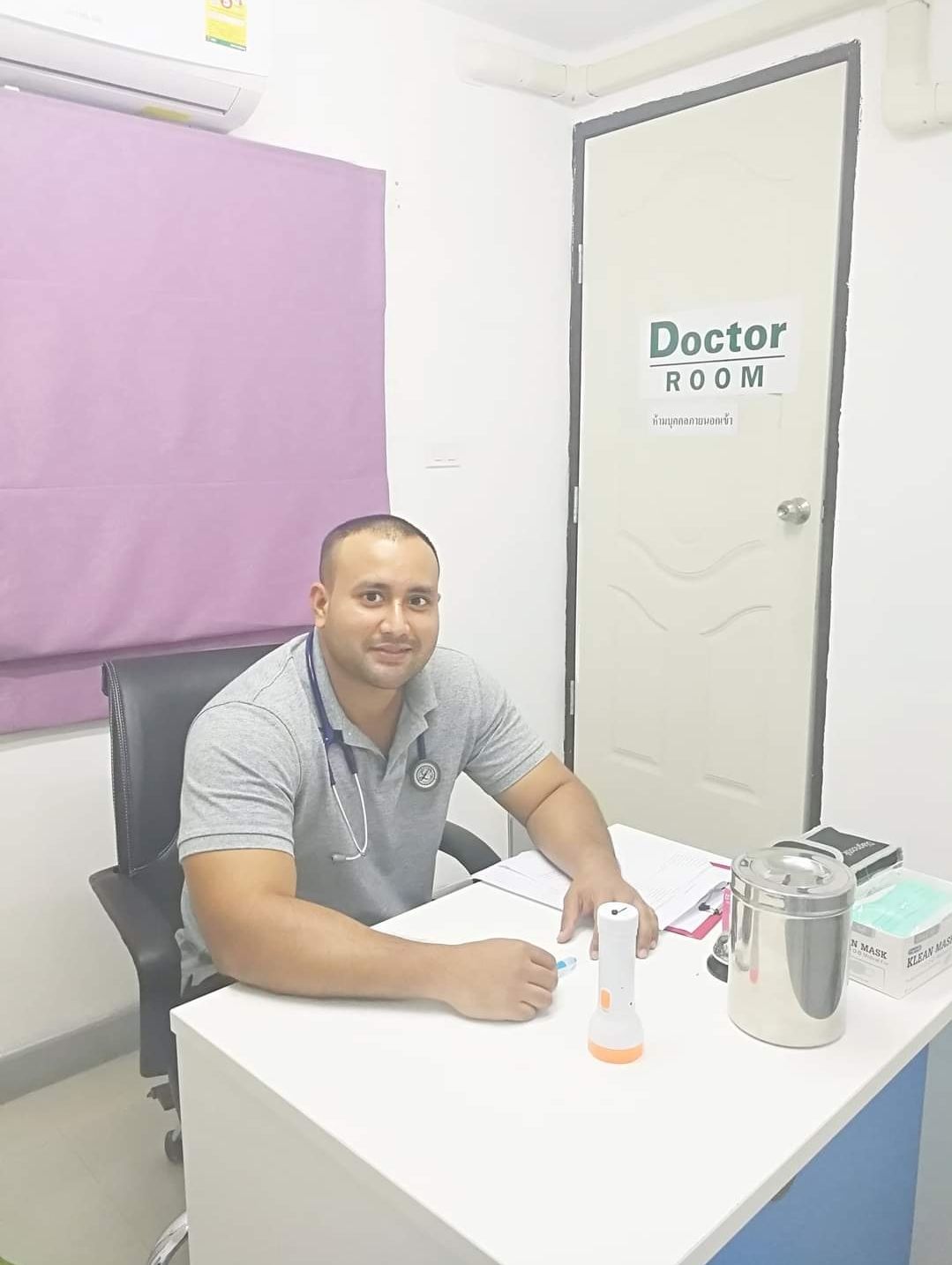
Dr. Ponlawat Pitsuwan is a physician at Doctor Bangkok, a private clinic in central Bangkok. He sees expats, residents, and medical tourists for general medicine, wellness consultations, and IV therapy. His focus is straightforward, evidence-based care delivered in plain language.