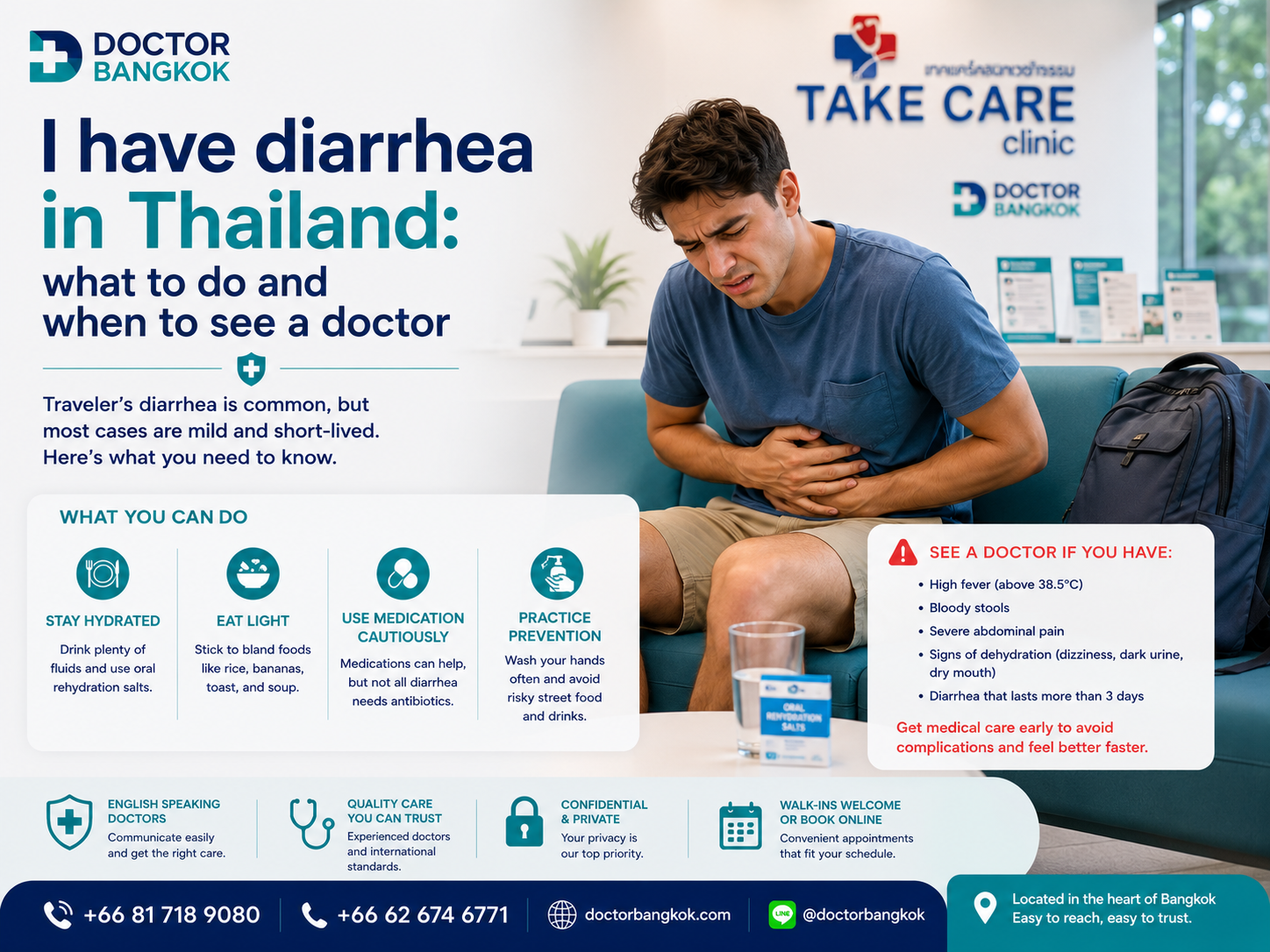

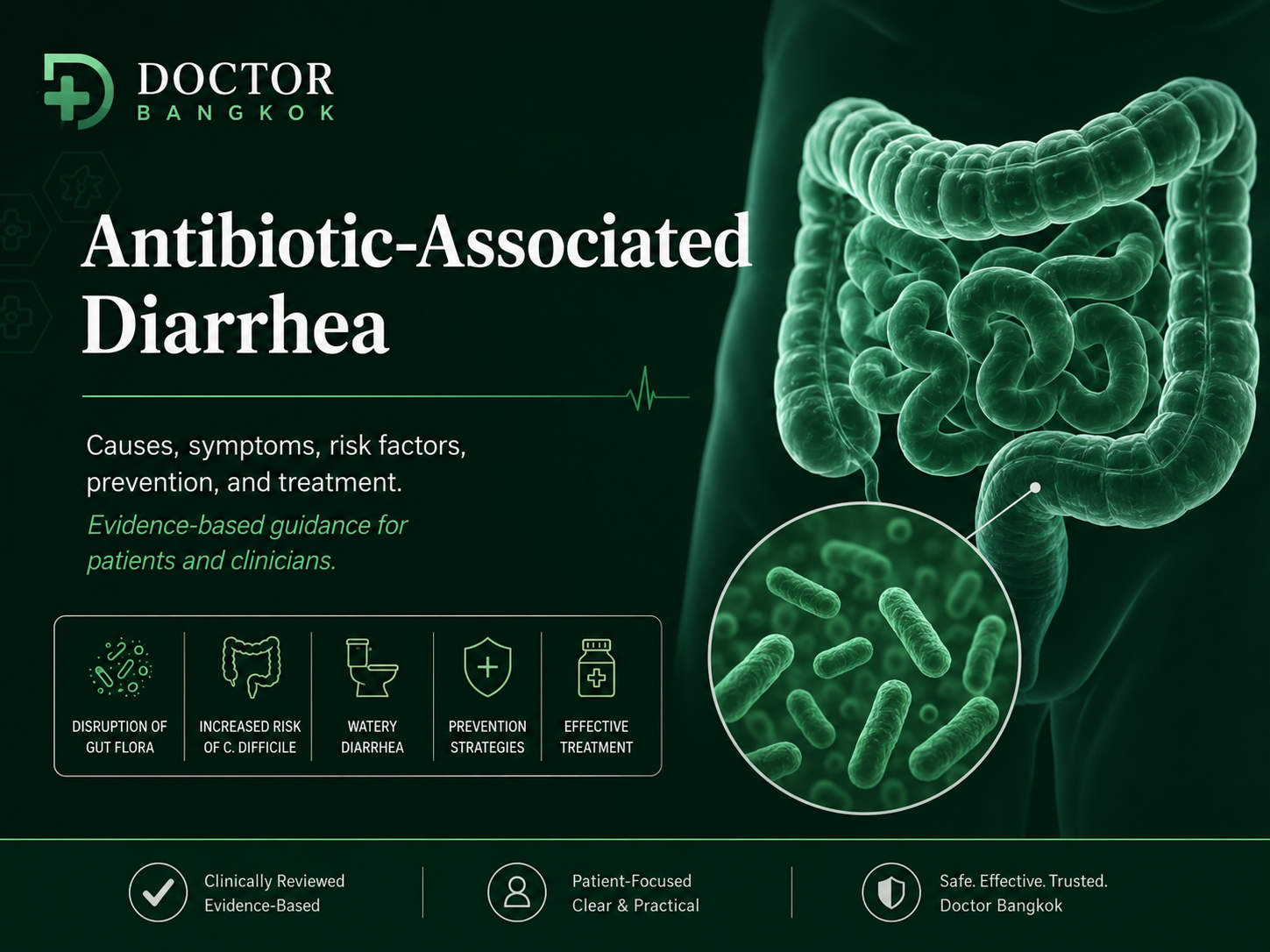
Antibiotic-associated diarrhea occurs when antibiotics disrupt the normal gut microbiome, allowing harmful bacteria to overgrow or reducing the beneficial bacteria that keep your intestinal tract functioning. Most cases resolve within days of completing the antibiotic course. Severe symptoms, including frequent watery stools, fever, or blood in the stool, can indicate Clostridium difficile infection and require prompt clinical evaluation.
At Doctor Bangkok, I see the same pattern weekly. A patient finishes a course of amoxicillin-clavulanate for a respiratory infection and returns three days later with loose stools, cramping, and concerns about whether something has gone seriously wrong. The timing is never coincidental. Antibiotics are precision tools used imprecisely: they eliminate the target pathogen and a great deal else besides, and what fills the resulting gap in your gut determines how you feel for the next several weeks.
Antibiotic-associated diarrhea is common, affecting a substantial proportion of people taking broad-spectrum antibiotics, yet most patients receive no warning about it before they leave the pharmacy. In Bangkok’s expat community, where travelers frequently receive treatment for tropical infections, respiratory illnesses, and urinary tract infections, understanding when diarrhea represents normal gut disruption versus a dangerous bacterial overgrowth can prevent both unnecessary anxiety and delayed treatment of serious complications. Doctor Bangkok provides same-day consultations for antibiotic-related concerns, with rapid stool testing available when the clinical picture warrants it. If you are unsure where your symptoms fall, the safest move is a brief consultation rather than a prolonged wait at home.
The mechanism is straightforward. Antibiotics designed to kill harmful bacteria also eliminate beneficial microorganisms that keep your digestive system functioning normally. What happens next depends on which specific bacteria survive, how long you took the antibiotics, and whether your gut environment allows dangerous organisms like Clostridium difficile to establish dominance.

How Antibiotics Disrupt Your Gut Microbiome
Your intestinal tract contains roughly 100 trillion bacteria representing over 1,000 different species. This microbiome performs essential functions: synthesizing vitamins, metabolizing bile acids, maintaining intestinal barrier integrity, and preventing pathogenic bacteria from establishing colonies. Antibiotics disrupt this ecosystem without discrimination.
Broad-spectrum antibiotics, including amoxicillin-clavulanate, fluoroquinolones, and clindamycin, eliminate both target pathogens and beneficial commensals. The resulting microbiome dysbiosis triggers diarrhea through two main mechanisms. First, reduced bacterial fermentation of dietary fiber decreases short-chain fatty acid production, impairing water absorption in the colon and causing osmotic diarrhea. Second, the loss of colonization resistance allows remaining bacteria to produce toxins or inflammatory signals that stimulate secretory diarrhea. Both can occur simultaneously.
Recovery typically begins within 48 hours of completing antibiotic therapy as surviving bacteria begin recolonizing the gut. Complete microbiome restoration can take weeks to months, however, leaving patients vulnerable to recurrent digestive issues during this period. Because gut flora also helps regulate nutrient absorption, patients often notice fatigue and appetite changes alongside the diarrhea itself. In Bangkok’s heat, this combination accelerates dehydration faster than most expats expect.
Antibiotic-Induced Diarrhea: Which Antibiotics Cause It Most?
In clinical practice, certain antibiotics consistently produce more gastrointestinal side effects than others. The risk correlates with the breadth of antimicrobial activity and the duration of treatment.
Clindamycin sits at the top of the list, causing diarrhea in a significant proportion of patients and carrying the highest risk for C. difficile-associated disease. Amoxicillin-clavulanate follows closely, particularly problematic because it is commonly prescribed for respiratory and urinary tract infections in travelers. Fluoroquinolones such as ciprofloxacin, used ironically for traveler’s diarrhea, frequently cause secondary diarrhea through microbiome disruption.
Cephalosporins and macrolides produce moderate rates of digestive upset, while narrower-spectrum antibiotics like penicillin cause fewer problems. Dose and duration matter considerably. Five-day courses typically cause less disruption than 10 to 14-day treatments, though individual susceptibility varies. In Bangkok’s climate, where fluid losses through sweating compound diarrheal dehydration, close attention to hydration status during any antibiotic course is clinically important.
C. difficile: When Antibiotic Diarrhea Becomes Dangerous
C. difficile-associated diarrhea represents the most serious complication of antibiotic therapy. This spore-forming bacterium resists many standard cleaning agents and thrives when normal gut flora is eliminated. In Bangkok’s healthcare environment, where antibiotic use is common and hospital-acquired infections occur, recognizing C. diff symptoms early can be lifesaving.
Typical C. difficile diarrhea differs from routine antibiotic-associated loose stools. Patients develop frequent watery bowel movements, often exceeding six per day, accompanied by severe cramping, fever, and sometimes blood in the stool. The characteristic odor is distinctly foul and unlike normal diarrhea. Symptoms usually begin during antibiotic treatment or within eight weeks of completion.
Seek immediate medical evaluation if you notice: persistent diarrhea with fever, severe abdominal pain, or signs of dehydration after antibiotic treatment. Severe cases can progress to pseudomembranous colitis or toxic megacolon and require same-day clinical assessment and stool toxin testing.

Timeline: How Long Antibiotic Diarrhea Lasts and What to Expect
Most antibiotic-associated diarrhea follows a predictable timeline that helps distinguish normal recovery from complications. Symptoms typically begin within 2 to 8 days of starting antibiotic therapy, though onset can occur up to eight weeks after completion.
Initial loose stools usually resolve within 72 hours of finishing antibiotics as beneficial bacteria begin reestablishing. Mild cramping and digestive irregularity may persist for one to two weeks while the microbiome rebalances. Complete normalization of bowel function and bacterial diversity can take 4 to 12 weeks, particularly after broad-spectrum or prolonged antibiotic courses.
Certain patterns warrant medical attention regardless of where you are in that timeline. Diarrhea that worsens after completing antibiotics, persists beyond two weeks, or involves blood, fever, or significant dehydration requires clinical evaluation. In Bangkok’s climate, fluid losses through heat and humidity compound diarrheal losses in ways that patients from cooler climates consistently underestimate.
When Antibiotic Diarrhea Requires Urgent Medical Attention
Three scenarios require immediate medical assessment rather than watchful waiting at home.
First, any diarrhea accompanied by fever above 38.5 degrees Celsius, severe abdominal cramping, or blood in the stool suggests possible C. difficile infection or inflammatory complications that cannot safely be managed at home.
Second, signs of significant dehydration require prompt attention in Bangkok’s heat. These include dizziness when standing, decreased urination, dry mouth, or a rapid heart rate. Expats unfamiliar with tropical fluid requirements frequently underestimate their losses, particularly when they are also sweating through a fever.
Third, diarrhea that continues worsening more than 48 hours after completing antibiotics, particularly with systemic symptoms like fatigue or persistent nausea, warrants evaluation for complications including pseudomembranous colitis. Doctor Bangkok’s diarrhea clinic can assess these presentations on the same day, with stool testing available when indicated.
IBS Diarrhea: When Gut Disruption Becomes a Long-Term Problem
A proportion of patients develop persistent digestive symptoms long after antibiotic treatment ends. Post-infectious irritable bowel syndrome results from lasting changes to gut motility, visceral sensitivity, and bacterial populations. Patients describe alternating loose stools and constipation, unpredictable urgency, and food intolerances that were not present before the antibiotic course.
This condition, distinct from acute antibiotic-associated diarrhea, involves persistent low-grade inflammation and altered gut-brain signaling. It is not simply a prolonged version of the same problem. Management is different and requires a clinical assessment to distinguish it from other causes of ongoing bowel dysfunction.
In Bangkok’s expat population, where stress from cultural adjustment and significant dietary change already place background pressure on digestive function, the timeline for improvement can extend several months. Some patients benefit from targeted probiotics or dietary modifications. Others require short-course medications to address specific symptoms like pain or urgency. The decision depends on how symptoms present clinically, not on a general protocol.
Do Probiotics Help Antibiotic-Associated Diarrhea?
The evidence for probiotics in preventing and treating antibiotic-associated diarrhea is moderate but consistent enough to support their use in clinical practice. Meta-analyses show that specific probiotic strains reduce both the incidence and duration of antibiotic-induced digestive upset when started early in the course of treatment.
Saccharomyces boulardii demonstrates the strongest evidence across available studies. This yeast-based probiotic resists antibiotic destruction and produces compounds that support intestinal barrier function. Lactobacillus strains, particularly L. rhamnosus GG and L. casei, also show benefits, though their effectiveness depends on antibiotic timing and the specific antibiotic taken.
The key is starting probiotics within 48 hours of beginning antibiotic therapy and continuing for at least one week after completion. Probiotics cannot prevent C. difficile in high-risk patients and should never replace medical evaluation for severe symptoms. At Doctor Bangkok, we recommend specific probiotic protocols based on the antibiotic prescribed and individual risk factors.
Dietary Management During Antibiotic Treatment
Supporting your gut during antibiotic therapy involves more than probiotics alone. Dietary choices can accelerate recovery or compound digestive dysfunction. The goal is providing substrate for surviving beneficial bacteria while avoiding foods that worsen inflammation or osmotic diarrhea.
During active symptoms, focus on easily digestible foods: white rice, bananas, cooked vegetables, and lean proteins. Avoid dairy products, high-fat foods, and artificial sweeteners, all of which can worsen diarrhea through different mechanisms. Once acute symptoms resolve, gradually introduce prebiotic-rich foods such as garlic, onions, and asparagus, which feed beneficial bacteria without provoking further loose stools.
In Bangkok specifically, stick to well-cooked meals from reliable sources during antibiotic treatment. Street food, raw vegetables, and unfamiliar spices challenge an already disrupted gut. Hydration is critical in the tropical climate. Avoid sugary drinks and carbonated beverages, which worsen osmotic diarrhea. Plain water, oral rehydration salts, and unsweetened coconut water are the most practical choices here.
Antibiotic-associated diarrhea usually resolves without intervention, but distinguishing normal gut recovery from serious complications requires clinical judgment rather than a search engine. If you are experiencing persistent diarrhea, fever, or signs of dehydration after antibiotic treatment, do not wait for symptoms to worsen. Doctor Bangkok provides same-day consultations for antibiotic side effects and complications, with rapid stool testing available when indicated. Book a same-day consultation at Doctor Bangkok.
Frequently Asked Questions
How quickly does antibiotic diarrhea start?
Antibiotic-associated diarrhea typically begins within 2 to 8 days of starting treatment, though onset can vary based on the specific antibiotic and individual susceptibility. Some patients notice loose stools within 24 hours, particularly with broad-spectrum antibiotics like amoxicillin-clavulanate. Others develop symptoms only after completing their course, which is why symptoms that appear a week after finishing antibiotics are still frequently antibiotic-related and not a sign of a new infection.
Can I take anti-diarrheal medication with antibiotics?
Loperamide and similar anti-motility agents should be avoided during antibiotic treatment, particularly if C. difficile infection is suspected. These medications slow gut transit, which can trap bacterial toxins inside the intestine and worsen certain bacterial infections. This is counterintuitive for patients who reach for loperamide out of habit. Focus on hydration and let the diarrhea run its course unless your physician advises otherwise.
Should I stop my antibiotics if I develop diarrhea?
Never discontinue prescribed antibiotics without medical consultation, even when diarrhea is significant. Incomplete antibiotic courses contribute to treatment failure and antimicrobial resistance. Most antibiotic-associated diarrhea represents normal gut disruption rather than dangerous infection and does not require stopping the course. Severe symptoms, including fever, blood in the stool, or signs of dehydration, do warrant immediate medical evaluation to determine whether treatment modification is necessary.
How long should I take probiotics after finishing antibiotics?
Continue probiotics for at least one to two weeks after completing antibiotic therapy to support microbiome recovery. Some patients benefit from longer courses, particularly after broad-spectrum or prolonged antibiotic treatment. The specific duration depends on the antibiotic type, the individual’s recovery pattern, and whether digestive symptoms are persisting. At Doctor Bangkok, we assess this at follow-up and adjust the recommendation based on what we see clinically rather than applying a fixed rule to every patient.
What foods should I avoid during antibiotic treatment?
During active diarrhea, limit dairy products, high-fat foods, artificial sweeteners, and high-insoluble-fiber foods. In Bangkok specifically, also avoid raw street food, uncooked vegetables, and heavily spiced dishes that can further irritate an already disrupted gut. This is a common mistake among expats who continue eating their regular Bangkok diet through antibiotic treatment. Sticking to plain, well-cooked food for the duration of the course and for several days afterwards makes a measurable difference in recovery speed.
When does antibiotic diarrhea become C. difficile infection?
C. difficile should be suspected when diarrhea is severe, meaning more than six episodes daily, and is accompanied by fever, severe cramping, or blood in the stool. The characteristic foul odor and the timing during or within eight weeks after antibiotic treatment are additional clinical clues. These symptoms cannot be reliably distinguished from other complications at home. Any concerning pattern requires immediate medical evaluation and stool toxin testing to confirm the diagnosis and begin appropriate treatment.
What are the first signs of C. difficile infection?
Early C. difficile symptoms include frequent watery diarrhea with a distinctly foul odor, severe abdominal cramps, and fever. Diarrhea typically exceeds six episodes per day and may be accompanied by nausea and abdominal tenderness on examination. These symptoms can appear during antibiotic treatment or up to eight weeks after completion. The window of eight weeks is clinically important: patients who present to Doctor Bangkok with diarrhea well after finishing antibiotics sometimes do not connect the two events, but the antibiotic course remains a relevant part of the history at that interval.
The information in this article is for educational purposes only and does not constitute medical advice. It should not be used to self-diagnose or replace a consultation with a qualified physician. If you have concerns about your health, contact a licensed medical professional. For appointments at Doctor Bangkok, visit doctorbangkok.co.th.
Publisher note: Apply FAQ schema markup and Medical Webpage schema in Rank Math or Yoast before publishing.
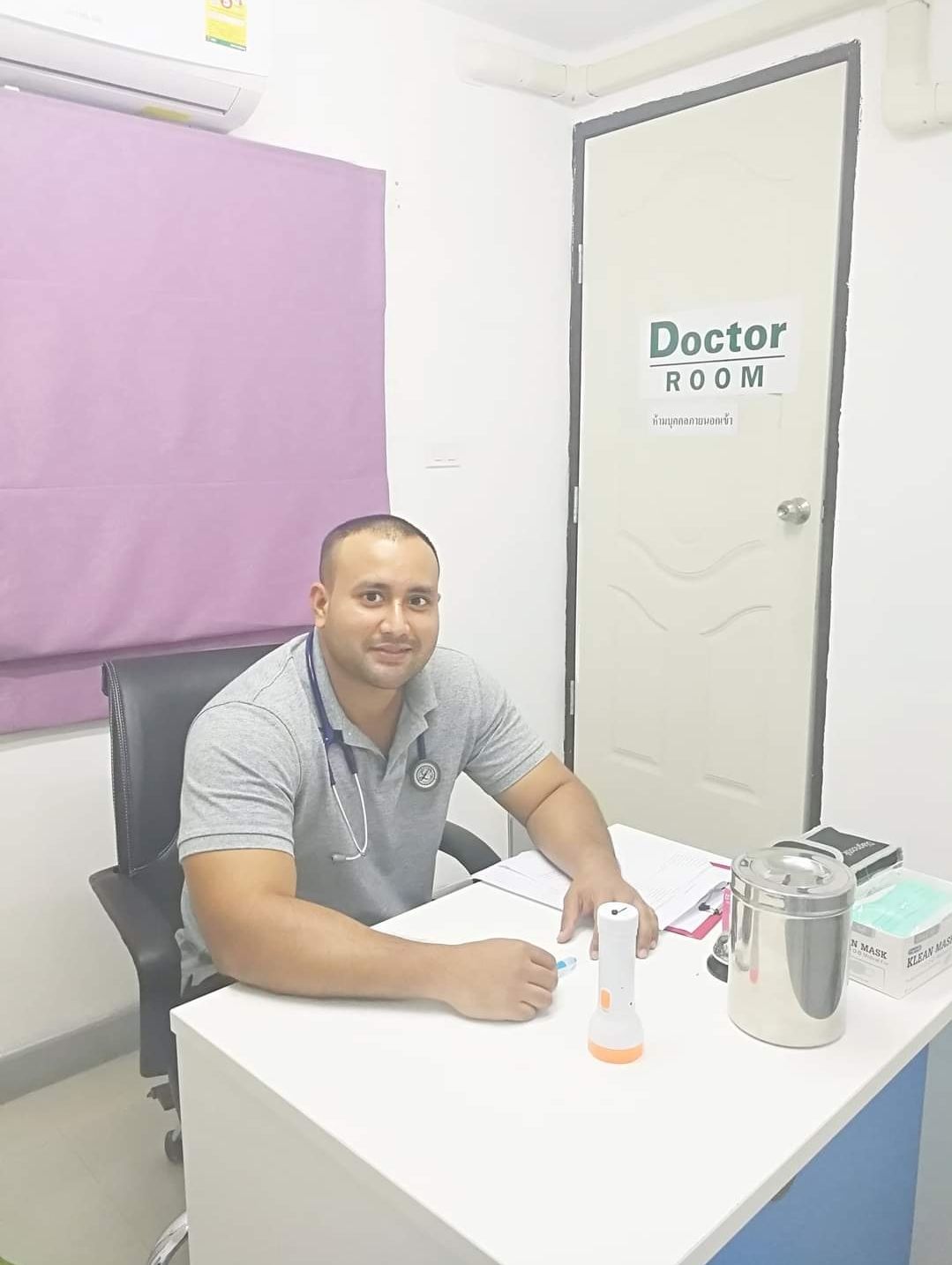
Dr. Ponlawat Pitsuwan is a physician at Doctor Bangkok, a private clinic in central Bangkok. He sees expats, residents, and medical tourists for general medicine, wellness consultations, and IV therapy. His focus is straightforward, evidence-based care delivered in plain language.