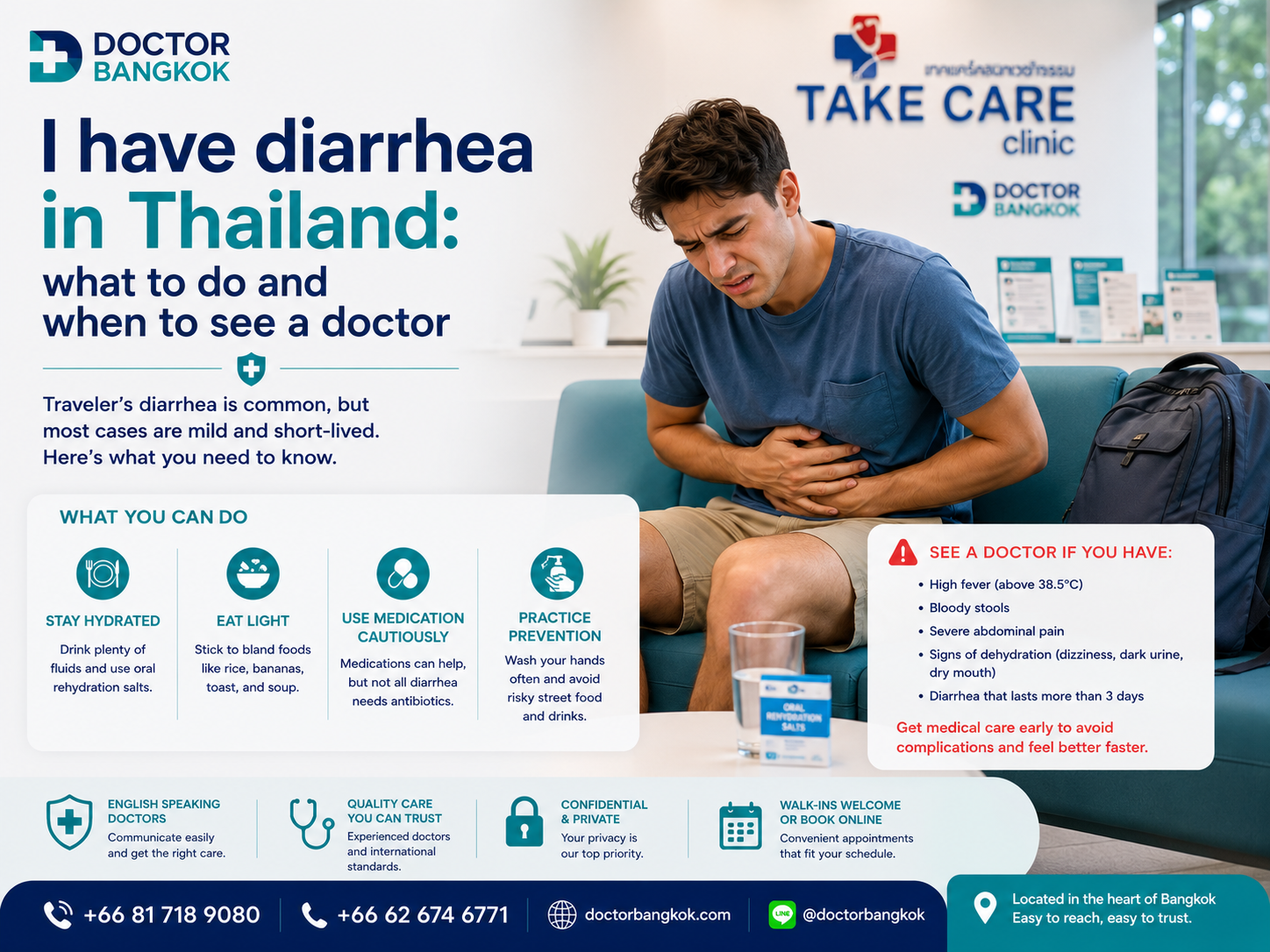

Explosive diarrhea is a sudden, urgent outpouring of liquid stool that your body uses to expel an intestinal irritant as fast as possible. Most cases resolve within 48 to 72 hours with prompt oral rehydration using commercially available oral rehydration solution. Bloody stools, fever above 38.5 degrees Celsius, or inability to keep fluids down for more than six hours are signals that you need same-day medical assessment rather than home management.
When explosive diarrhea hits, everything else stops. Hundreds of expats and travelers come through Doctor Bangkok each year doubled over and exhausted after hours or days of liquid stools they could not control. The desperation is always the same: make it stop, and make it stop now.
The reality is that most cases burn out within 48 to 72 hours, but in Bangkok those can feel like the longest three days of your life. The city sits at roughly 30 to 35 degrees Celsius for much of the year with humidity that rarely drops below 70 percent. In those conditions, dehydration accelerates sharply. What would be uncomfortable but manageable in a cooler climate becomes dangerous here when you are losing liters of fluid per day and cannot keep anything down.
The underlying biology works in your favor. Explosive diarrhea is, in most cases, your body doing exactly what it is designed to do: clear the offending agent rapidly. The clinical task is to support that process while preventing the complication that causes serious harm. Doctor Bangkok offers same-day assessment and IV rehydration for exactly this situation, with walk-in availability 24 hours a day.

Explosive Diarrhea: Why It Happens and What to Do Immediately
The intestines manage a continuous exchange of water and electrolytes across their lining. Normally, the colon absorbs far more fluid than it secretes, which is why formed stool is the result. Explosive diarrhea occurs when that balance tips sharply in the other direction, either because an irritant triggers the gut to actively secrete fluid, because inflammation damages the absorptive surface, or because transit time accelerates so fast that absorption cannot keep up.
Enterotoxins produced by bacteria like enterotoxigenic Escherichia coli are the classic secretory trigger. The toxin binds to intestinal cells and switches on chloride channels, pulling water and sodium into the bowel lumen. The result can be several liters of fluid loss per day without a single structural lesion in the gut. This is why traveler’s diarrhea, which is predominantly toxin-mediated, tends to be watery rather than bloody.
Invasive bacteria cause a different pattern. Salmonella, Campylobacter, and Shigella penetrate the intestinal lining, causing inflammation, tissue damage, and sometimes bloody stools. These infections carry a higher risk of systemic spread and generally require antibiotic assessment. The distinction between secretory and inflammatory diarrhea matters clinically because it guides both investigation and treatment.
Common Causes in Bangkok: What the Clinic Sees
Viral gastroenteritis, primarily norovirus, accounts for a substantial proportion of the explosive diarrhea cases seen at this clinic. Norovirus spreads through contaminated surfaces and food, spreads rapidly in close quarters, and hits hard with sudden onset of vomiting and profuse watery diarrhea. The illness typically peaks within 24 hours and resolves without specific treatment, though the dehydration it causes in Bangkok’s heat can be severe.
Traveler’s diarrhea affects many Bangkok visitors within the first two weeks of arrival, before the gut has had any chance to adapt. Enterotoxigenic E. coli is the most common cause, but Campylobacter is also frequently identified in testing here. Onset is typically 6 to 72 hours after consuming contaminated food or water, and symptoms can escalate rapidly.
Food poisoning from Staphylococcus aureus toxin is worth knowing about separately. Unlike bacterial infections that require the organism to colonize the gut, staph toxin is preformed in the food and causes symptoms within 1 to 6 hours of eating. Explosive vomiting is often as prominent as diarrhea, and the illness tends to resolve within 12 to 24 hours without antibiotic treatment.
Medication-induced diarrhea is increasingly common. Antibiotic use disrupts normal gut flora and can allow Clostridioides difficile to overgrow, causing profuse watery or even bloody diarrhea that requires specific antibiotic treatment and clinical assessment. Metformin, commonly prescribed for type 2 diabetes, causes loose stools in a significant minority of users and is sometimes the overlooked cause when someone presents with persistent diarrhea while managing blood sugar. If you suspect a medication is the cause, discuss it with a physician before stopping it.
Diarrhea Symptoms: When Watery Stools Become a Medical Concern
The most common mistake is focusing on stopping the diarrhea rather than replacing what is lost. Patients regularly arrive at this clinic after 12 or more hours of explosive diarrhea who have taken multiple doses of loperamide but not started oral rehydration. By that point, they are dizzy on standing, their mouth is dry, and their urine output has dropped. The antimotility medication has slowed the urgency but done nothing for the underlying fluid deficit.
Oral rehydration solution is more effective than sports drinks, coconut water, or plain water for replacing electrolyte losses. The glucose-sodium cotransport mechanism that ORS exploits works even when the gut is inflamed. Commercial ORS sachets are available at every 7-Eleven in Bangkok. Mix one sachet with 500ml of bottled water and sip 100 to 200ml every 15 to 20 minutes. If you vomit it back, wait 10 minutes and try smaller sips of 20 to 30ml.
Warning Signs That Need Same-Day Medical Assessment
Seek same-day care for: blood or dark mucus in the stool, fever above 38.5 degrees Celsius, dizziness when standing or reduced urine output, inability to keep fluids down for more than six hours, severe or constant abdominal pain that is not relieved by passing a bowel movement.
Blood or dark mucus in the stool is the clearest red flag. It indicates invasive bacterial infection or an underlying inflammatory problem. It should never be managed at home while waiting to see whether it resolves.
Fever above 38.5 degrees Celsius alongside diarrhea indicates systemic involvement. The gut is no longer containing the problem. This combination requires clinical assessment and often antibiotic treatment.
Signs of significant dehydration include dizziness or lightheadedness when standing, reduced urine output below 400ml in 24 hours, dry mouth, and skin that stays raised when pinched. In Bangkok’s climate these signs can appear faster than patients expect, particularly in older adults or anyone exercising outdoors.
Inability to keep any oral fluids down for more than six hours is a practical threshold. If every attempt at sipping ORS results in immediate vomiting, IV replacement is the only effective route. Waiting longer increases the depth of the deficit and makes recovery slower.
Severe or constant abdominal pain, as distinct from the cramping that normally accompanies diarrhea and improves after a bowel movement, is a warning sign. Constant pain that worsens rather than easing between movements may indicate bowel inflammation or another abdominal emergency.
If you are experiencing bloody stools, high fever, severe dehydration, or cannot keep fluids down, same-day assessment is the right decision. Walk in to Doctor Bangkok on Sukhumvit Soi 13, or book a same-day diarrhea consultation here. IV rehydration is available on-site.

How to Stop Explosive Diarrhea: Rehydration and Treatment
Oral rehydration is the immediate and most important intervention for almost every case of explosive diarrhea. Replace each loose stool with an additional 200 to 400ml of oral rehydration solution on top of your normal fluid intake, and more if you are sweating heavily in Bangkok’s heat. Brands such as Electral are widely available at pharmacy chains including Boots and Watsons. If ORS sachets are unavailable, mix one teaspoon of salt and six teaspoons of sugar into one liter of clean bottled water.
Loperamide and Antibiotics: When to Use Them and When Not To
Loperamide works by slowing intestinal muscle contractions, giving the colon more time to absorb water from stool. For uncomplicated watery diarrhea without fever or blood, it can meaningfully reduce the frequency and urgency of bowel movements. The standard dose is 4mg initially, followed by 2mg after each loose stool, up to 16mg per day.
Never take loperamide if your stool contains blood or mucus, and never take it if you have a fever above 38 degrees Celsius. In both scenarios, bacterial invasion of the gut is likely, and slowing transit traps toxins and the organism inside the bowel, worsening the infection and increasing the risk of systemic spread.
Antibiotics are not appropriate for most acute diarrhea. They do not help viral gastroenteritis, they can worsen the risk of C. difficile, and they are unnecessary for uncomplicated traveler’s diarrhea that is resolving on its own. When antibiotics are warranted, specifically for invasive bacterial infection or traveler’s diarrhea that is severe or not improving, azithromycin is generally preferred in Thailand given widespread fluoroquinolone resistance. A physician should make that decision based on clinical presentation and, where possible, stool culture results.
Probiotics containing Saccharomyces boulardii have moderate evidence for reducing the duration of infectious diarrhea by approximately one day and are most beneficial for antibiotic-associated diarrhea. Start 250mg twice daily at the first sign of diarrhea if available, and continue for several days after symptoms resolve.
Recovery: What to Eat, What to Avoid, and How Long It Takes
Diet during diarrhea matters less than rehydration, but it does influence how quickly the gut settles. Plain rice, bananas, white toast, and plain crackers provide easily digestible carbohydrates without placing significant demand on a compromised digestive system. Plain chicken broth contributes both fluid and electrolytes. You do not need to restrict yourself to these foods if you can tolerate more.
Avoid dairy products for the first few days after acute gastroenteritis. The brush border enzymes responsible for digesting lactose are among the first casualties of intestinal inflammation, and temporary lactose intolerance after gastroenteritis is common. Reintroduce dairy gradually once stools are forming normally. Also avoid high-fat foods, caffeine, and alcohol until full recovery, as each can stimulate intestinal contractions and delay resolution.
Recovery timeline differs by cause. Viral gastroenteritis typically improves within 48 hours, with formed stools returning by day three or four. Bacterial infections that required antibiotic treatment may take five to seven days. Post-infectious symptoms including several weeks of looser-than-normal stools, mild cramping, and temporary lactose intolerance are common after severe gastroenteritis and represent normal healing rather than ongoing infection.
Prevention: Practical Food and Water Safety in Bangkok
Street food risk in Bangkok is real but manageable. Freshly cooked food from a high-turnover stall is generally safer than pre-prepared items sitting at room temperature. The risk comes from food that has been cooked, cooled, and reheated, raw vegetables or fruit washed in tap water, and shellfish.
Ice is an underappreciated risk. Ice in restaurants and at street stalls is commercially produced in Thailand and generally safe. Ice from unknown sources, including ice made in apartment buildings from tap water, is not. When uncertain, ask for drinks without ice.
Tap water in Bangkok is not recommended for drinking. The distribution infrastructure introduces contamination risk after treatment. Use bottled or filtered water for drinking, brushing teeth, and rinsing produce.
Hand hygiene is the most effective single prevention measure. Norovirus survives on surfaces for days and is not fully neutralized by alcohol-based hand sanitizer. Soap and water handwashing for 20 seconds is more effective and should be standard practice before eating, after using bathrooms, and after handling food.
Frequently Asked Questions
How long does explosive diarrhea usually last?
Most cases caused by viral gastroenteritis or uncomplicated food poisoning resolve within two to three days with proper rehydration. Bacterial infections may persist for five to seven days, and traveler’s diarrhea typically improves within three to five days when identified and managed correctly. If symptoms worsen after initial improvement or have not substantially improved by day seven, clinical assessment is needed. A stool test at that point can identify the specific organism and guide targeted treatment.
Can I take loperamide for explosive watery diarrhea?
Loperamide can meaningfully reduce the frequency and urgency of loose stools for uncomplicated watery diarrhea. Take 4mg initially, then 2mg after each loose stool, up to 16mg per day. The critical contraindications are blood in the stool, fever above 38 degrees Celsius, and severe abdominal pain. In those situations, slowing intestinal transit while a bacterial infection is active can worsen the illness and increase the risk of systemic spread. If you are unsure which situation applies, seek clinical assessment before self-treating.
What should I eat and drink when I have explosive diarrhea?
The priority is fluid and electrolyte replacement, not food restriction. Start with oral rehydration solution dissolved in bottled water. As appetite returns, easily digestible foods like white rice, bananas, plain crackers, and chicken broth are well tolerated. Avoid dairy, high-fat food, caffeine, and alcohol until stools normalize. Temporary lactose intolerance after gastroenteritis is common and usually resolves within two to four weeks.
When should I see a doctor for diarrhea in Bangkok?
See a doctor the same day if you notice blood or dark mucus in the stool, a fever above 38.5 degrees Celsius, dizziness when standing, significantly reduced urine output, or if you cannot keep fluids down for more than six hours. For ordinary watery diarrhea without these features, three to five days of home rehydration is a reasonable trial. If symptoms are still going past five days or improve and then come back, clinical assessment is the right next step rather than continuing to wait. Doctor Bangkok offers same-day walk-in and hotel visit, with IV rehydration available on-site for patients who cannot keep fluids down.
How much fluid do I need to replace during explosive diarrhea?
Adults with explosive diarrhea can lose three to five liters of fluid per day through stool and associated vomiting. The replacement target is 200 to 400ml of oral rehydration solution after each loose stool, in addition to normal daily fluid needs. Bangkok’s heat and humidity increase baseline fluid requirements and accelerate dehydration compared with temperate climates. A practical rule: if your urine has not been pale yellow within the last four hours, your intake is insufficient. When oral intake cannot keep pace with losses, intravenous replacement is the correct next step.
Is explosive diarrhea contagious?
Viral gastroenteritis, the most common cause, is highly contagious through the fecal-oral route and through contaminated surfaces. Norovirus in particular is exceptionally stable on surfaces and spreads readily in shared accommodation. Avoid preparing food for others until 48 hours after symptoms fully resolve. Bleach-based disinfectants, not alcohol, are effective against norovirus on surfaces. Bacterial food poisoning is generally not person-to-person contagious, although organisms like Salmonella and Shigella can spread from person to person if hygiene is poor.
Do I need antibiotics for explosive diarrhea?
Most cases of explosive diarrhea do not require antibiotics. Viral gastroenteritis does not respond to them. Traveler’s diarrhea caused by enterotoxigenic E. coli typically resolves without them in three to five days. Antibiotics are indicated for invasive bacterial infections characterized by bloody stools, high fever, or systemic symptoms, and for diarrhea that is severe, prolonged, or not improving. When antibiotics are appropriate, azithromycin is generally the preferred choice in Thailand due to widespread fluoroquinolone resistance. The prescribing decision should be made by a physician after assessing the clinical picture and, where indicated, stool culture results.
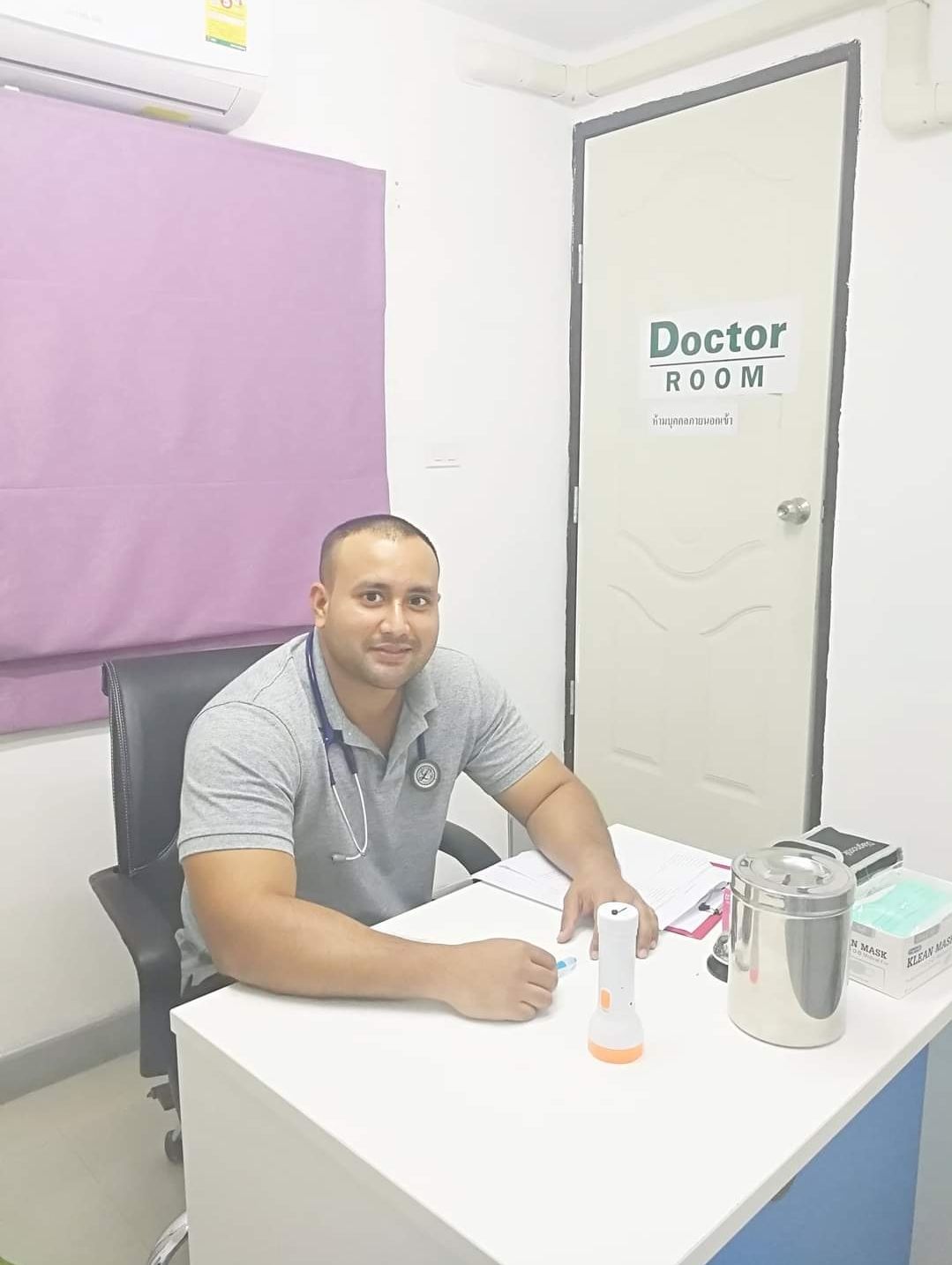
Dr. Ponlawat Pitsuwan is a physician at Doctor Bangkok, a private clinic in central Bangkok. He sees expats, residents, and medical tourists for general medicine, wellness consultations, and IV therapy. His focus is straightforward, evidence-based care delivered in plain language.