
Clinically reviewed by Dr. Ponlawat Pitsuwan, Physician, Doctor Bangkok. Last reviewed: June 2026
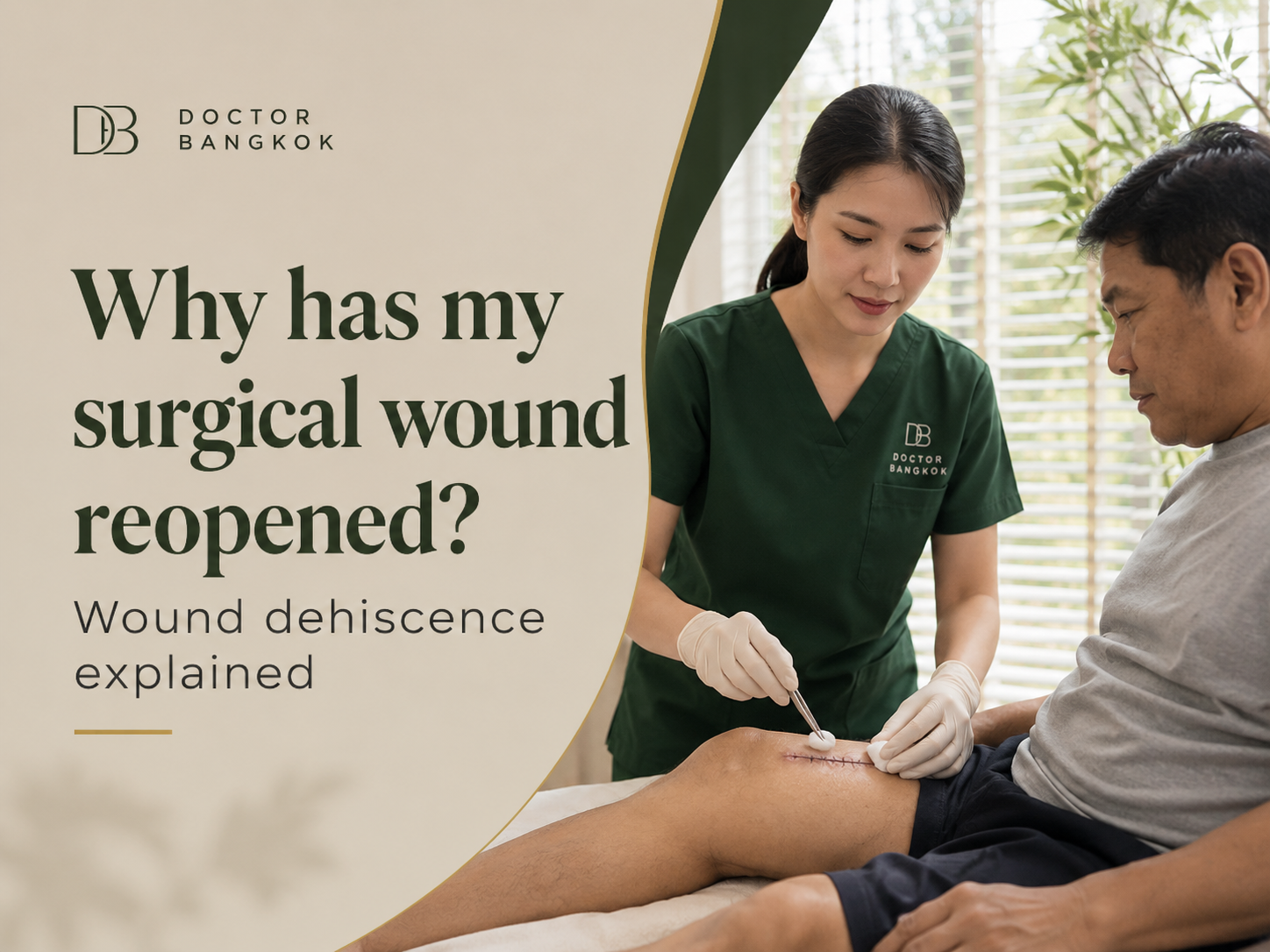
Wound dehiscence is when a surgical wound splits open along the incision line, either partially or all the way through. It most often happens between three and ten days after surgery. The right treatment depends on how deep the separation is, whether there is infection, and how quickly you act. If your wound has visibly opened, get it assessed the same day.
You had surgery, you were told the wound was healing well, and then something changed. Maybe you noticed a gap where the skin used to sit flat. Maybe there was a wet patch on your dressing, or a sudden pulling sensation when you moved. If you are in Bangkok, possibly far from your home surgeon and not sure where to go, that situation feels a lot more stressful than it needs to be.
This is something I see regularly at Doctor Bangkok, often with expats and medical tourists who had a procedure done elsewhere and are now managing recovery here. The good news is that most cases of wound dehiscence are manageable, especially when caught early. The part that actually matters is not panicking, not trying to fix it yourself, and getting it looked at before Bangkok’s climate turns a manageable wound into an infected one.

What wound dehiscence actually means
Your surgical wound closes in layers. The skin you can see on the surface is just the outer layer. Below it are deeper layers of tissue, and in abdominal surgeries, the fascia, which is the strong fibrous sheet holding everything in place. Dehiscence is when those layers start to come apart.
Most patients first notice a small gap between the wound edges. Sometimes it is just one or two sutures that have pulled through. Other times the wound opens more widely. The depth of the separation is what determines how serious it is.
Three levels of severity, three different responses
Not all dehiscence is the same, and the difference in urgency matters.
Superficial dehiscence involves only the outer skin layer. The deeper tissue is still intact. This needs proper wound care, but it is not an emergency. It can often be managed with regular dressing changes and close monitoring.
Deep dehiscence goes through the skin and into the tissue below, but the deepest structural layer is still holding. This needs prompt clinical assessment. It may require surgical closure, depending on the size and whether there is infection.
Complete, or near-complete, dehiscence means all layers have separated. In abdominal surgeries, this carries a risk of evisceration, where internal tissue protrudes through the opening. This is a surgical emergency. If you can see tissue bulging through a wound, cover it with a clean damp cloth, do not push anything back in, and go to an emergency department right away.

Signs that your wound is dehiscing
The most obvious sign is a visible gap or split along the wound line. A few other signs often appear before that, or alongside it.
You may notice increased fluid soaking through your dressing. This can be clear wound fluid, or it may be cloudy or discoloured, which suggests infection. A bad smell is a serious warning sign. So is any pus or thick discharge from the wound.
Pain that is getting worse several days after surgery is another red flag. A sudden sharp sensation of something giving way warrants same-day assessment. A fever alongside any of these symptoms means infection is likely already present.
Who is more likely to experience it
Some patients are at higher risk, and knowing this helps you watch more closely.
Diabetes is one of the biggest factors. High blood sugar slows tissue repair and weakens the immune response to early infection. Even moderately elevated glucose during recovery can affect how well a wound holds together.
Obesity increases mechanical tension on a wound and reduces blood supply to fatty tissue. Smoking reduces blood flow to the skin surface. Long-term use of corticosteroids or immunosuppressant medications weakens the tissue’s ability to hold sutures.
Other factors include older age, poor nutrition before surgery, a history of radiation to the area, and surgical site infection. If any of these apply to you and your wound looks even slightly unusual, do not wait.
Why Bangkok’s climate makes this harder
This is something most wound care articles never mention, but it matters a great deal if you are recovering here.
Bangkok’s heat and humidity mean you will sweat. A lot. That sweat saturates standard dressings far faster than in a cooler climate. When a dressing stays wet, it becomes a warm, moist surface where bacteria multiply quickly.
The dehiscence itself may have nothing to do with the climate. But an open wound in Bangkok has a much shorter window before infection takes hold. This is why dressing changes need to happen more frequently here, and why moisture-wicking dressings are standard in tropical wound care. Switching to a basic pharmacy dressing and hoping for the best is not the approach I would recommend.
How wound dehiscence is treated
Treatment follows a straightforward path based on how serious the wound is.
For superficial dehiscence with no infection, the wound is usually left to heal by secondary intention. This means tissue fills in from the bottom up rather than being closed at the edges. It takes longer than primary healing, but it works well for shallow wounds. Regular professional dressing changes are essential during this time.
If there is infected or dead tissue in the wound, debridement is needed first. This is the removal of non-viable tissue before the wound can heal properly. Attempting to close a contaminated wound without this step leads to worse outcomes.
For deeper dehiscence without infection, surgical re-closure may be appropriate. A wound swab is usually taken first to check for bacteria before any closure is attempted. Negative pressure wound therapy, sometimes called a vacuum dressing, is an option for larger wounds. It uses a sealed dressing connected to a gentle suction device to keep the wound bed clean and encourage new tissue growth.
At Doctor Bangkok, we assess wound severity, take swabs when indicated, manage dressing changes, and coordinate referral for surgical re-closure when needed. You do not have to navigate the Thai hospital system alone to get this sorted.
What happens if you leave it
An open wound that gets infected can deepen and involve tissue layers below the skin. From there, infection can spread through the body, leading to sepsis, which requires hospitalisation. This is not the outcome for every case, but it is the direction things move when wound care is delayed.
Longer term, a wound that heals poorly can result in an incisional hernia. This is where abdominal contents push through a weakness in the abdominal wall at the site of a poorly healed incision. Incisional hernias often require further surgery and can cause ongoing pain and complications for years.
What you can do to help your wound heal
The biggest factors you can control are blood sugar, nutrition, and habits.
If you have diabetes, keeping your glucose well managed during recovery is one of the most effective things you can do. Protein intake matters too. Wound repair requires it, and many patients are simply not eating enough during recovery.
Vitamin C supports collagen formation, which gives healed tissue its strength. Staying hydrated helps blood carry oxygen and nutrients to the wound site. If you smoke, stopping even temporarily during recovery makes a measurable difference. Heavy alcohol intake also slows healing and impairs immune function.
Avoiding tension on the wound is equally important. Support the area when you cough or move. Do not lift beyond what your surgeon specified. Wear any support garments recommended after abdominal procedures.
If your surgical wound has opened, changed in appearance, or is producing more fluid than usual, get it assessed today. Doctor Bangkok offers wound care in central Bangkok for expats, residents, and medical tourists. We assess wound severity, manage dressing changes with tropical-climate-appropriate materials, take wound swabs when needed, and refer for surgical care if required. All consultations are in English, with same-day appointments available. Contact us directly to book.
FAQ
How do I know if my wound is just healing slowly or actually dehiscing?
A healing wound may look pink and feel tender, but the edges should stay together. Dehiscence means a visible gap, a sudden pulling or giving sensation, worsening pain, fluid soaking through the dressing, or pus. Any visible separation, even one broken suture, warrants same-day clinical assessment rather than watching and waiting.
Can wound dehiscence heal on its own without seeing a doctor?
Very small, superficial separation in a clean wound can sometimes heal by secondary intention, but you cannot assess the depth yourself. A wound that looks minor on the surface can be deeper than it appears. In Bangkok’s heat and humidity, an unmanaged open wound can become infected within days. Get it assessed first, then you will know whether it needs active treatment or just careful dressing management.
I had surgery in another country and my wound has opened while I am in Bangkok. What do I do?
Cover the wound with a clean sterile dressing, do not try to press the edges together or apply anything to close it yourself, and seek in-person care the same day. Doctor Bangkok sees exactly this situation regularly. We can assess severity, take wound swabs, manage dressings, and refer for surgical re-closure if needed, without you having to navigate the Thai public hospital system alone.
Does Bangkok’s heat and humidity make wound infection more likely?
Yes. High heat and humidity cause sweating that saturates dressings quickly, creating warm, wet conditions where bacteria thrive. The climate does not cause dehiscence, but it significantly narrows the window before an open wound becomes infected. More frequent dressing changes and moisture-wicking materials are standard practice for wound care in Bangkok.
How long does a dehisced wound take to heal?
A superficial wound managed with regular dressing changes may close within two to six weeks. Deeper wounds healing by secondary intention can take several months. Wounds that require surgical re-closure have their own timeline after the repair. Blood sugar control, adequate protein intake, not smoking, and avoiding tension on the wound all affect how quickly recovery progresses.
When is wound dehiscence a medical emergency?
If you can see tissue bulging or protruding through the wound opening, cover it with a clean damp cloth, do not push anything back, and go to an emergency department immediately. A high fever with a wound that is rapidly becoming more red, hot, and swollen also warrants urgent care, as this can indicate deep infection or early sepsis.
Dr. Ponlawat Pitsuwan
Physician, Doctor Bangkok
a private medical clinic in central Bangkok. He sees expats, residents, and medical tourists for wound care, post-surgical wound assessment, and general medical concerns. His focus is straightforward, evidence-based care delivered in plain language.
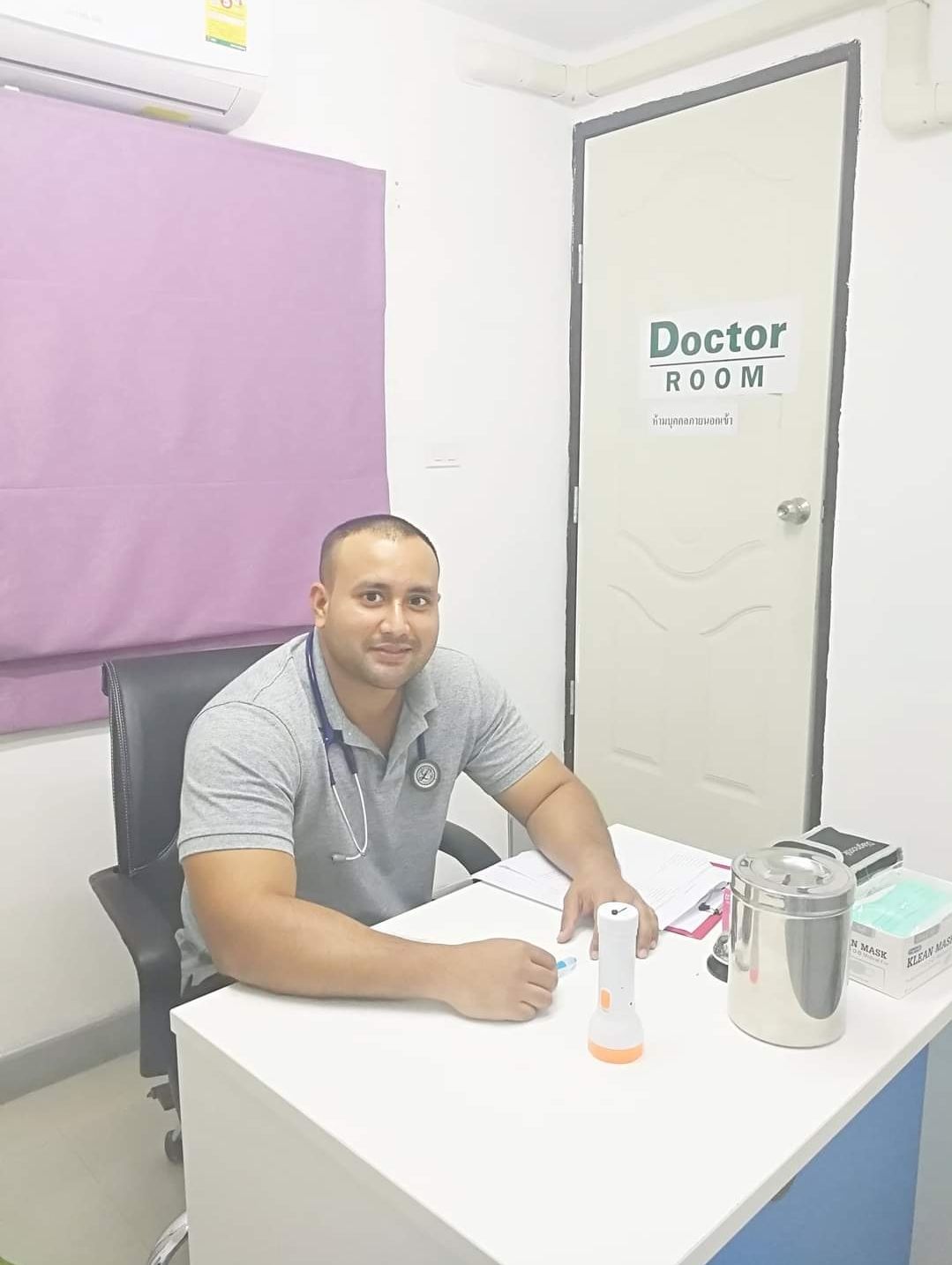
Dr. Ponlawat Pitsuwan is a physician at Doctor Bangkok, a private clinic in central Bangkok. He sees expats, residents, and medical tourists for general medicine, wellness consultations, and IV therapy. His focus is straightforward, evidence-based care delivered in plain language.