
Clinically reviewed by Dr. Ponlawat Pitsuwan, Physician, Doctor Bangkok. Last reviewed: June 2026
Wounds heal in four stages: haemostasis, inflammation, proliferation, and remodelling. When healing stalls, it is usually because of infection, poor nutrition, or an underlying condition like diabetes. In Bangkok, heat and humidity add extra pressure on the wound bed. If your wound looks no better after two weeks, or if you see black tissue, spreading redness, or increasing pain, get it assessed by a doctor.
You have had a wound for two weeks and it looks the same as it did on day three. Or it was improving and now it is not. Maybe there is yellow material in it, or a dark crust you are not sure about. You are Googling at midnight trying to work out if this is normal or if something has gone wrong.
Most wounds do follow a predictable path. But Bangkok’s heat and humidity add variables that most online wound guides do not account for. This article explains what healthy healing looks like, what the warning signs are, and what to do about it.

The four stages of wound healing
Every wound goes through the same four stages, in the same order.
The first is haemostasis. Your body stops the bleeding. A clot forms, a scab may develop, and blood vessels tighten down. This happens within minutes to hours.
The second stage is inflammation. The wound looks red, swollen, and warm. This is not infection. It is your immune cells arriving to clean up debris. It lasts a few days and it is supposed to happen. The problem is when this stage goes on too long.
Third is proliferation. New tissue fills the wound from the base up. Blood vessels regrow, collagen forms, and the skin edges begin to move inward. This is where real repair begins.
The final stage is remodelling. This can last a year or longer. The scar matures and strengthens. Even after full healing, that area of skin will only reach about 80% of its original strength. Some people develop raised, thick scars called keloids, where the body overproduces collagen during this phase.
Granulating wounds: what healthy healing tissue looks like
If you have ever seen a wound that looks red, moist, and slightly bumpy, almost like a strawberry surface, that is granulation tissue. It is the new tissue filling in from the base of the wound, and it means healing is progressing.
Healthy granulation tissue bleeds easily if touched. That is normal. It should be bright red or deep pink. If it is pale, grey, or not bleeding when touched, that points to poor blood supply or infection.
Sometimes granulation tissue grows too much and rises above the level of the surrounding skin. This is called hypergranulation. It looks like an overfilled, raised mound in the wound. It actually slows healing because the skin edges cannot close over tissue that sits too high. A doctor needs to assess and treat this, usually with a topical agent or pressure dressing.

Slough in a wound: what it is and what to do about it
Slough is the yellow, off-white, or grey stringy material you sometimes see in a wound. It is dead tissue and fluid that has built up in the wound bed. It is not automatically a sign of infection, but it does mean healing has slowed or stalled.
Slough needs to be removed before the wound can heal properly. For small amounts in otherwise healthy wounds, the right moist dressing can soften and loosen it over time. If there is a lot of slough, or it is not clearing with basic dressing changes, a clinician needs to assess it.
In Bangkok’s humidity, slough can accumulate faster than expected. It can also harbour bacteria before any obvious infection signs appear. Do not assume it will clear on its own if it has been there for more than a few days.
Eschar: the dark crust over serious wounds
Eschar is the hard, dry, dark brown or black crust that forms over deep wounds. It looks like a thick scab but it is different. Eschar is dead tissue. The wound underneath cannot be properly assessed or treated until it is dealt with.
In most cases, eschar needs to be removed so the wound can heal. There are situations where dry, stable eschar on a patient’s heel is left intentionally, but that is a clinical decision based on blood supply to the area. Do not try to remove eschar at home. Doing it incorrectly can cause harm.
Necrotic tissue: when tissue has died
Necrotic tissue is dead tissue. It can appear black, brown, green, or grey. It smells. It prevents the wound from healing and creates an environment where bacteria thrive.
Necrosis happens when blood supply to an area is cut off or severely reduced. This can result from severe infection, diabetes-related vascular damage, or pressure injuries. One pathogen worth knowing about if you are in Thailand is Vibrio, a bacteria found in warm coastal and river water. It can cause rapid, aggressive soft tissue destruction. If you cut yourself in seawater or a river in Thailand and your wound is getting worse fast, come in immediately.
Treatment involves removing the dead tissue. A clinician will choose the right method based on the wound and how urgent the situation is. This is not something to attempt at home.
How long does wound healing take in Bangkok?
A minor cut on otherwise healthy skin heals in around one to two weeks. A deeper wound takes longer, sometimes four to six weeks for the surface to close, with remodelling continuing underneath for months.
Expect healing to take longer in Bangkok than online guides suggest. The ambient heat and humidity here accelerate bacterial growth on wound surfaces. Dressings that stay clean for 48 to 72 hours in cooler climates often need changing daily here. A wound that heals in seven to ten days in the UK or Australia can stall in Bangkok without proper management.
A wound that shows no meaningful improvement after two weeks is called a chronic wound. This warrants professional review. Chronic wounds are especially common in people with diabetes, poor circulation, or immune system conditions.
Should you keep a wound moist or dry?
Moist wound healing is backed by strong evidence. Keeping a wound covered and moist with the right dressing speeds up healing and reduces scarring. Leaving a wound open to air is outdated advice for most wound types.
That said, there is a difference between moist and wet. Too much moisture causes maceration, where the skin surrounding the wound becomes white, soft, and fragile. This slows healing and extends the wound edge.
In Bangkok’s humidity, this is a real and common problem. Wound fluid builds up faster here, and the right dressing type matters a great deal. If the skin around your wound looks pale and softened, the dressing needs to change.
Foods and vitamins that help wounds heal
What you eat genuinely affects how fast your wound heals. Protein is the most important nutrient. Without enough protein, the rebuilding phase slows significantly. Eggs, chicken, fish, and legumes are all good sources readily available here.
Vitamin C supports collagen production directly. Bangkok has excellent sources: fresh papaya, guava, and mango are among the best. If your fruit intake has been low, a vitamin C supplement is reasonable while healing.
Zinc plays a role in cell repair and immune function. Oysters, beef, pumpkin seeds, and shellfish are good sources. There is moderate evidence that zinc supplementation helps in people who are deficient, but no good evidence that extra zinc speeds healing in someone who already has enough.
If you have been feeling unusually tired alongside slow healing, it is worth getting a blood test to check your iron levels. Iron deficiency reduces oxygen delivery to healing tissue.
How to help deep wounds heal faster
Deep wounds need more than a plaster. If a wound goes through the full thickness of skin, or if you can see any structure beneath the surface, it should be assessed by a doctor. Do not dress it at home and leave it.
Check and change dressings more frequently than you would in a cooler country. Keep the wound covered at all times. Do not let it air out in Bangkok’s heat. That dries the surface, slows healing, and does not protect against bacteria.
Avoid swimming until the wound is fully closed. Rivers and coastal waters in Thailand carry Vibrio and other pathogens that are genuinely dangerous in open wounds. Even hotel pools can introduce chemical irritants into healing tissue.
If you have diabetes, take any wound seriously from day one. Reduced sensation means you may not feel a wound getting worse. Reduced circulation means healing is slower and infection spreads faster. Get it assessed early rather than waiting to see how it goes.
How Bangkok’s heat and humidity affect wound healing
This is the part most wound care guides will not tell you, because they are not written for Bangkok.
Humidity consistently above 80% and temperatures above 30 degrees Celsius mean bacteria multiply faster on wound surfaces, dressings saturate more quickly, and the skin around the wound is much more likely to break down. A wound management plan that works in Sydney or London needs adjustment here.
The most practical changes: check your wound daily regardless of what the dressing packaging says, change dressings more frequently, keep dressings protected from sweat, and seek professional wound care earlier rather than later. At Doctor Bangkok’s wound care clinic, we regularly see patients who have been using dressings not suited to tropical conditions. Choosing the right dressing for this climate makes a genuine difference to how fast you heal.
When to see a doctor about a wound in Bangkok
Most expats and visitors I see with wound problems at Doctor Bangkok waited longer than they should have. Heat and humidity here mean infections develop faster than they might at home.
See a doctor if your wound is not improving after two weeks. See a doctor if you notice spreading redness, increasing pain, warmth, or swelling. If there is pus or a strong smell, come in. Black or very dark tissue at the wound edges needs urgent assessment.
See a doctor if you got the wound from an animal bite, a rusty object, or from water in a Thai river, beach, or flood. These carry specific infection risks that need targeted treatment. If you have diabetes, a blood disorder, or are on immune-suppressing medication, do not try to manage anything deeper than a surface graze at home.
Concerned about a wound that is not healing? Doctor Bangkok offers professional wound care in central Bangkok, including dressing changes, wound assessment, debridement, and infection treatment. Our English-speaking team understands how Bangkok’s climate affects wound management. Walk in or book an appointment at doctorbangkok.co.th/wound-care-bangkok/.
FAQ
Is it normal for a wound to smell in Bangkok’s heat?
A small amount of odour in the first few days can be normal as the body clears dead cells. A strong or offensive smell, especially in Bangkok’s humidity, is a red flag for bacterial infection or necrotic tissue. Get it assessed promptly rather than waiting to see if it settles.
What is the yellow stuff in my wound? Is it infected?
Yellow material can be either slough, which is dead tissue, or pus from infection. Slough tends to be stringy or gel-like and sits in the wound bed. Pus is more fluid, often yellow-green, and comes with increasing pain and redness around the wound. If you are not sure which you are looking at, a doctor needs to see it.
How long does wound healing take in Bangkok compared to a cooler country?
Longer, in most cases. Bangkok’s heat and humidity accelerate bacterial growth and cause dressings to break down faster. A wound that heals in seven to ten days elsewhere may take two to three weeks here without proper wound care. Dressings often need changing daily rather than every two to three days.
Can I go swimming in Bangkok if I have an open wound?
No. Rivers and coastal water in Thailand carry Vibrio and other bacteria that can cause rapid, aggressive infections in open wounds. Hotel pools are safer but still introduce chemical irritants that can disrupt healing tissue. Wait until the wound is fully closed before swimming.
When should an expat in Bangkok see a doctor about a wound instead of treating it at home?
See a doctor if the wound shows no improvement after two weeks, if there is spreading redness, pus, fever, or strong odour, or if you see black or very dark tissue at the wound edges. Wounds from animal bites, rusty objects, or water exposure in Thai rivers or coastal areas also need professional assessment. The wound care team at Doctor Bangkok can assess and treat the same day.
What does healthy healing look like day by day?
In the first few days, expect redness, swelling, and some warmth. This is normal inflammation. By the end of the first week, a scab or new pink tissue should be visible. After two weeks, a clean wound should be noticeably smaller or fully closed. If it looks the same at two weeks as it did on day three, something is slowing the process down.
Dr. Ponlawat Pitsuwan
Physician, Doctor Bangkok
a private medical clinic in central Bangkok. He sees expats, residents, and medical tourists for wound care, infection assessment, dressing changes, and general medical consultations. His focus is straightforward, evidence-based care delivered in plain language.
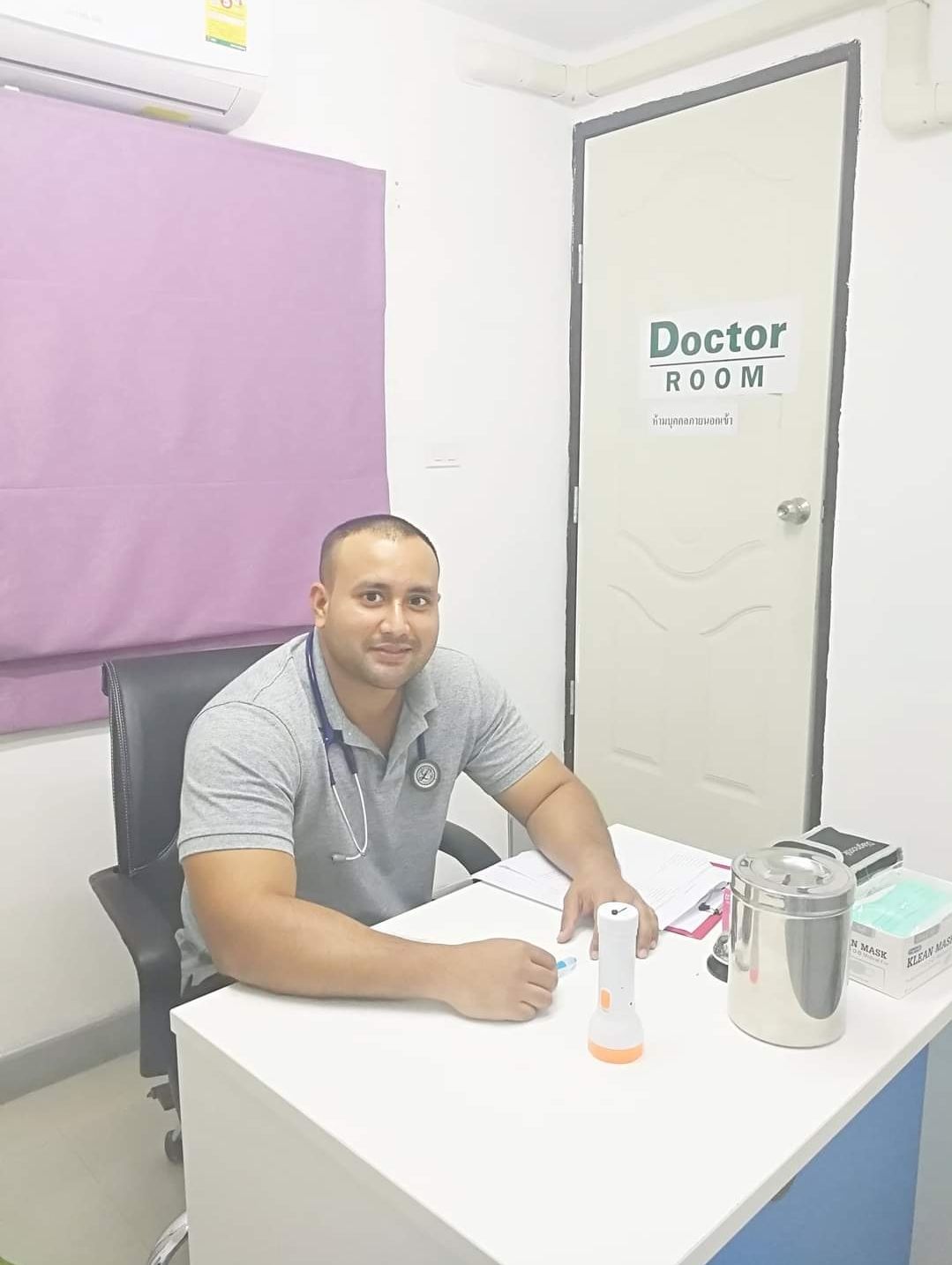
Dr. Ponlawat Pitsuwan is a physician at Doctor Bangkok, a private clinic in central Bangkok. He sees expats, residents, and medical tourists for general medicine, wellness consultations, and IV therapy. His focus is straightforward, evidence-based care delivered in plain language.