
Clinically reviewed by Dr. Ponlawat Pitsuwan, Physician, Doctor Bangkok. Last reviewed: June 2026
The right wound dressing depends on your wound type, how much fluid it produces, and whether there are signs of infection. Foam dressings work well for wet wounds with a lot of drainage. Saline is the preferred cleanser for most open wounds. Negative pressure therapy is reserved for complex or slow-healing wounds. If you are unsure, a clinical assessment is the right move.
Most people grab whatever is at the pharmacy and hope for the best. When you are a tourist or expat in Bangkok with a cut, surgical wound, or ulcer that is not healing, figuring out the right dressing feels like a medical exam you never prepared for. The wrong choice does not just slow healing. It can make things worse.
Bangkok’s heat and humidity change the wound care equation significantly. Wounds get wetter, bacteria grow faster, and the skin around the wound breaks down more easily. This guide covers the main dressing types, what they actually do, and when it is time to stop self-managing and come in for professional care.

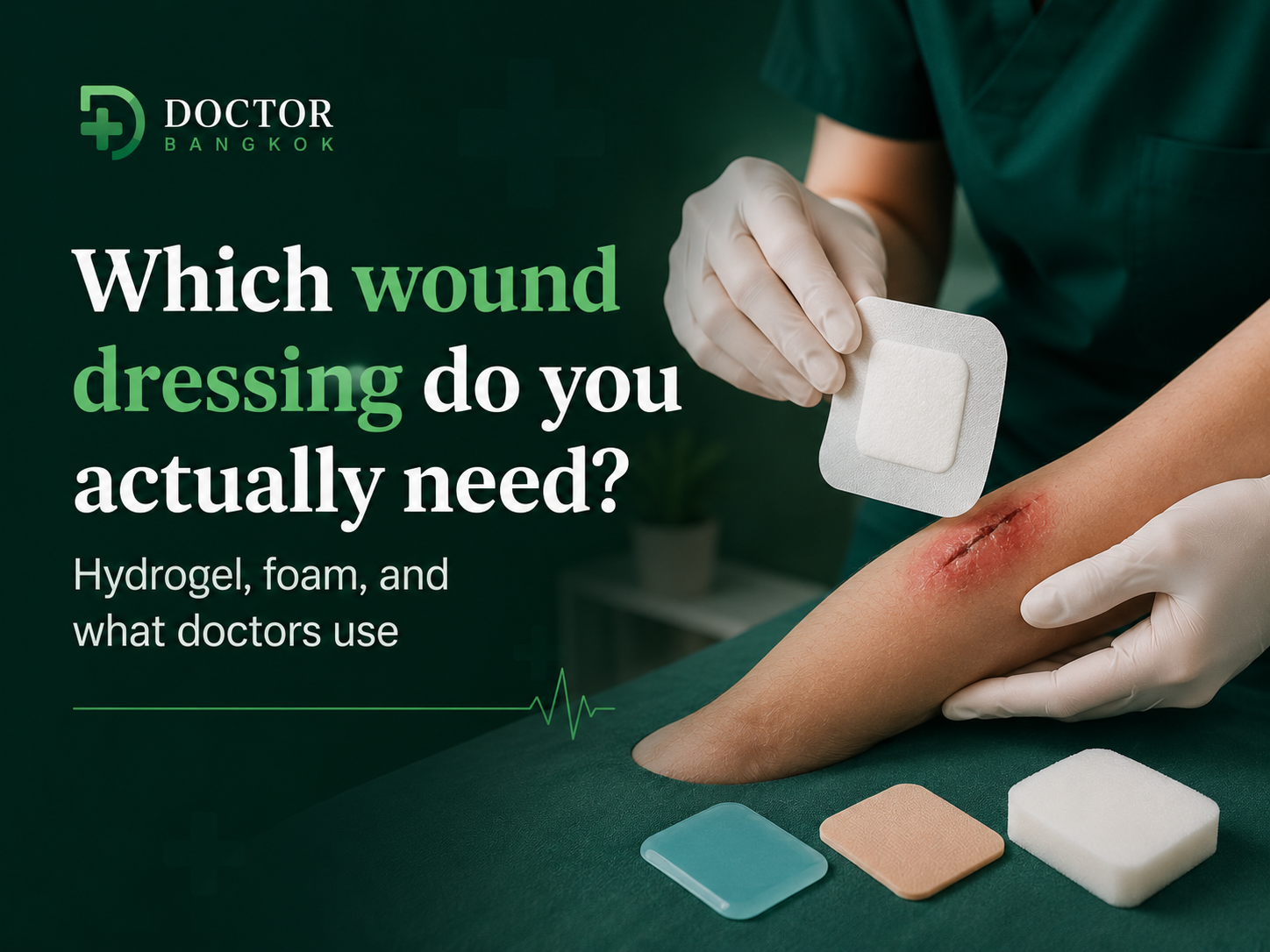
Foam wound dressings: when and how they are used
Foam dressings are soft, absorbent pads designed to soak up the fluid that drains from a wound. That fluid is called exudate, and managing it well is one of the most important parts of wound care. I reach for foam dressings regularly in clinical practice.
The key is matching the dressing to how much your wound is draining. Foam dressings work well for moderate to heavy drainage. They keep the wound moist enough to heal without letting it sit in fluid, which damages the surrounding skin. In Bangkok’s humidity, I see that skin breakdown more often than you might expect.
Silicone foam dressings have a soft contact layer that lifts off without pulling at the wound or causing pain. This matters for patients with fragile skin, diabetic foot ulcers, or pressure ulcers, where disturbing the wound surface sets healing back. They also help the body soften and remove dead tissue naturally.
How often you change a foam dressing depends on how much your wound is draining. In Bangkok’s heat, wounds often produce more fluid than they would in a cooler climate, so changes may be needed more often. A dressing that is leaking or smells different needs changing. Do not wait for a scheduled appointment if that happens.
Foam dressings are not right for every wound. They do not suit dry wounds, and if your wound is covered in yellow or black dead tissue, that needs to be dealt with first.
Wound cleansers: saline, betadine, and what actually works
This is probably the topic I correct most often in clinic. Many patients arrive having used full-strength betadine on an open wound because it was in their travel kit. The problem is that at full strength, betadine damages the very cells your body uses to rebuild tissue. It can slow healing rather than help it.
Normal saline, which is sterile salt water, is the first-line wound cleanser supported by clinical evidence. It removes debris and reduces bacteria in the wound without harming healing tissue. It is gentle, inexpensive, and it works. If you are cleaning a wound at home between clinic visits, saline is what I recommend.
Betadine still has a role in certain infected wounds, where the short-term antimicrobial benefit outweighs the concern about tissue damage, and always in diluted form. I would not use it full-strength on an open wound that is trying to heal.
Chlorhexidine has a broader antimicrobial effect than saline and is less damaging than full-strength betadine. It still needs to be used carefully on open wounds. At Doctor Bangkok, we select cleansers based on the wound’s infection status, depth, and stage of healing. There is no universal answer, but there is often a clearly better one for your specific wound.
Bangkok’s warm, humid conditions support faster bacterial growth. A wound that looks clean in the morning can look very different by evening. This is one reason why professional wound assessment here is not just about technique. It is about frequency and local context.

Negative pressure wound therapy: what it is and when it is used
Negative pressure wound therapy, sometimes called VAC therapy, is not something most patients have heard of until they need it. A foam dressing is placed over or inside the wound, sealed with a film, and connected by a tube to a small suction pump. The pump applies gentle, continuous suction to the wound.
The suction draws excess fluid out, reduces swelling, and pulls the wound edges gradually together. It also stimulates blood flow to the wound bed, which helps new tissue grow. For large, deep, or complex wounds, this can make a real difference to healing time.
NPWT is used for chronic wounds that are not progressing, large surgical wounds that have opened, deep pressure ulcers, diabetic foot ulcers, and wounds following infection or significant tissue loss. It is not for small, clean wounds healing normally. It also requires clinical supervision throughout. The pump settings, dressing changes, and wound monitoring all need a professional involved.
I see NPWT most often in post-surgical patients with a complication, patients with diabetic wounds that have stalled, and tourists who arrive with a wound that has not responded to treatment abroad. If you are in this situation, get a professional wound assessment before flying home. Some wounds change significantly with cabin pressure and long periods of inactivity.
Bangkok’s climate and what it means for your wound
No dressing guide written outside Southeast Asia addresses this properly. Bangkok is hot and humid for most of the year, and that environment creates specific challenges that affect every decision I make about dressing type, change frequency, and infection risk.
Wounds produce more fluid in the heat. That extra fluid increases the risk of skin breakdown around the wound and creates conditions where bacteria multiply faster. A wound that would be considered low-risk in London or Melbourne needs more careful monitoring here.
The practical takeaway for expats and tourists is this. Change dressings more often than the packaging suggests. Watch the skin around the wound, not just the wound itself. If that skin looks red, soft, or soggy, the dressing is staying on too long or is not absorbing enough. Keep the wound area as cool and dry as your circumstances allow between changes.
Signs of infection you should not ignore
A wound that is healing properly should be getting less painful, not more. Pain that increases after the first 48 hours is a sign something is wrong.
Other signs to take seriously include spreading redness around the wound, warmth, swelling that is getting worse, discharge that is cloudy or thick, a new smell, and fever. Any one of these warrants clinical assessment. In Bangkok’s warm climate, infected wounds can deteriorate quickly. I have seen wounds worsen significantly within 24 hours.
If you are planning to fly home in the next few days, get the wound assessed before you go. Some infections that are manageable in Bangkok become genuinely complicated at altitude and distance from care.
Doctor Bangkok provides professional wound dressing services in central Bangkok, including assessment, cleansing, and dressing changes for all wound types. Our English-speaking physicians see expats, residents, and medical tourists for wound care, post-surgical follow-up, and infected wound management. We are BTS accessible and offer same-day appointments. If your wound is not healing, or you are unsure whether your dressing is right, visit doctorbangkok.co.th to book.
Is betadine safe to use on an open wound?
Full-strength betadine damages the healing cells inside an open wound, and most current clinical guidance recommends normal saline instead for routine wound cleaning. Betadine still has a role in certain infected wounds when diluted, but it should not be your default choice. If you are unsure what to use, come in and we can assess the wound properly.
How often does a wound dressing need to be changed in Bangkok’s climate?
More often than most packaging suggests. Bangkok’s heat and humidity cause wounds to produce more fluid, which saturates dressings faster and raises infection risk. Check your dressing at least once a day and change it if it is wet, smells different, or if the skin around the wound looks red or soggy.
What is negative pressure wound therapy and do I need it?
NPWT uses a sealed foam dressing connected to a suction pump to draw excess fluid from the wound and stimulate healing. It is used for complex, chronic, or stalled wounds, not routine cuts or minor surgical wounds. A clinical assessment will tell you whether it is the right option for your situation.
How do I know if my wound is infected?
Watch for pain that is getting worse after the first two days, spreading redness, warmth, swelling, thick or cloudy discharge, a new smell, or fever. Any of these signs mean the wound needs professional assessment. In Bangkok’s climate, infections can progress faster than expected, so do not wait to see if it improves on its own.
Can I get a wound dressing changed at my hotel in Bangkok?
Yes. Doctor Bangkok offers hotel visits for patients who cannot easily travel to the clinic, including post-surgical patients or those with restricted mobility. The same clinical standards apply as in our clinic. Contact us through doctorbangkok.co.th to arrange a visit.
What is the difference between a foam dressing and a regular gauze dressing?
Gauze absorbs wound fluid but can stick to the wound surface and cause pain and damage on removal, especially once new tissue starts forming. Foam dressings manage fluid more effectively and are designed to be removed without disturbing healing tissue. For most wounds beyond a very minor cut, foam is the better choice.
I had surgery in another country and the wound is not healing well. Can Doctor Bangkok help?
Yes, this is something we see regularly. Post-operative patients traveling through Bangkok often need wound assessment, dressing changes, or management of a wound that has not progressed as expected. Come in before you fly home so we can assess the wound and make sure it is in the best condition for travel.
Dr. Ponlawat Pitsuwan
Physician, Doctor Bangkok
a private medical clinic in central Bangkok. He sees expats, residents, and medical tourists for wound care, wound dressing changes, post-surgical wound management, and general medical consultations. His focus is straightforward, evidence-based care delivered in plain language.
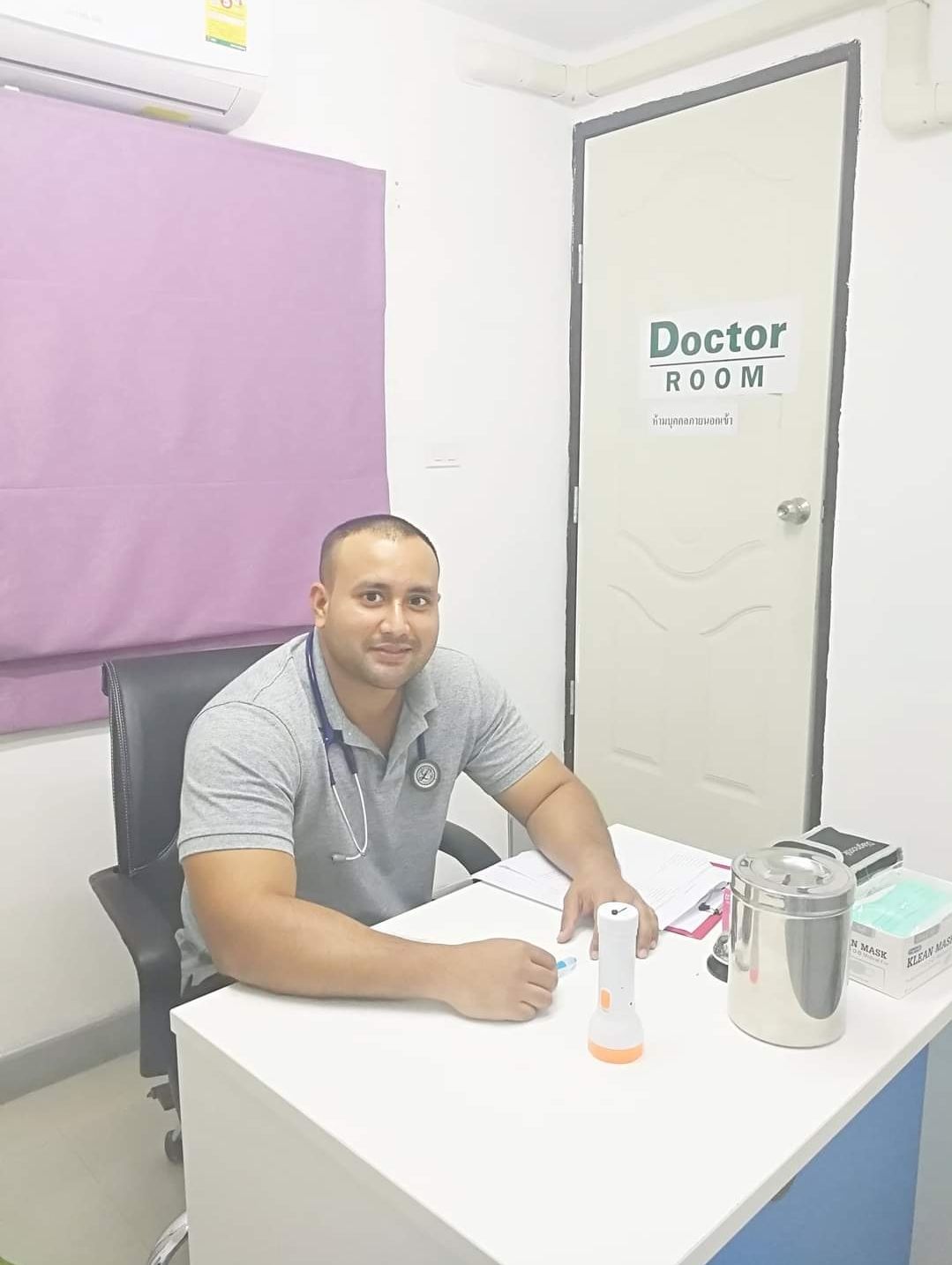
Dr. Ponlawat Pitsuwan is a physician at Doctor Bangkok, a private clinic in central Bangkok. He sees expats, residents, and medical tourists for general medicine, wellness consultations, and IV therapy. His focus is straightforward, evidence-based care delivered in plain language.