
Clinically reviewed by Dr. Ponlawat Pitsuwan, Physician, Doctor Bangkok.
Last reviewed: November 2026
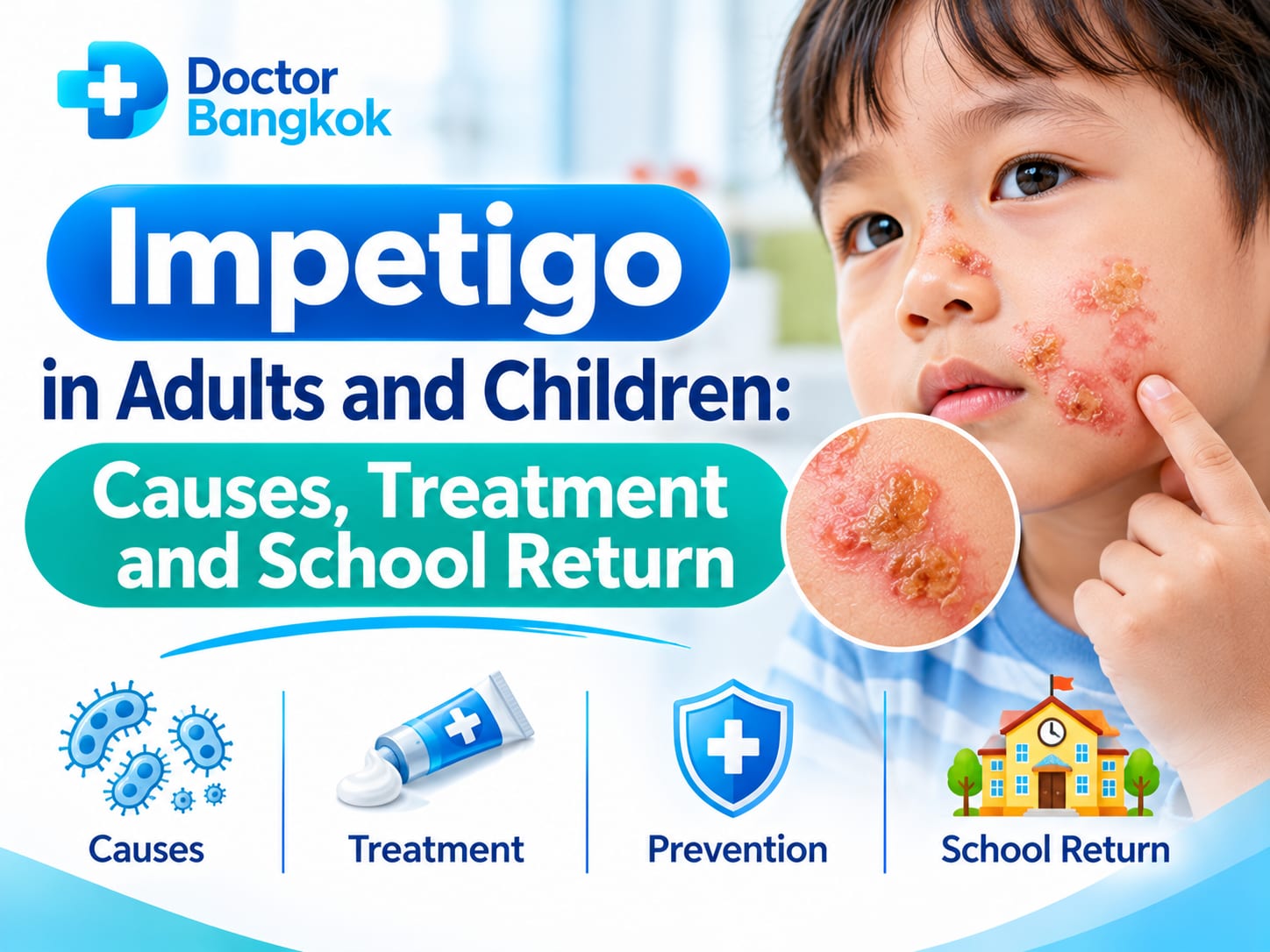
Impetigo is a bacterial skin infection that causes honey-coloured crusting sores, most commonly around the nose, mouth, and limbs. It spreads easily through direct contact and shared items. Most cases clear within 7 to 10 days with the right antibiotic cream or tablets. Children should stay off school until the sores are crusted over or they have completed at least 48 hours of antibiotic treatment.
You spotted a crusty yellow sore on your child’s face this morning. By the time you are reading this between the school run and work, you already half-know what it is. That sore, spreading fast, is probably impetigo.
Bangkok’s heat and humidity make it easier for this infection to take hold, especially in kids who are sweating through long school days or coming home with insect bites. Impetigo responds well to treatment. The part that trips most parents up is knowing exactly when the child is safe to go back to class, and what to do when it starts spreading to other family members.

What Impetigo Is
Impetigo is caused by bacteria, usually Staphylococcus aureus or group A streptococcus. These bacteria are common on healthy skin. They cause trouble when they find a way in: a scratch, an insect bite, a patch of eczema, or any break in the skin barrier.
Children get it more than adults because they touch their faces constantly, share towels and sports equipment, and spend long hours in close contact at school. Adults can get it too, particularly those with eczema, psoriasis, diabetes, or a weakened immune system. Bangkok’s warm, humid climate speeds up bacterial growth on the skin, so a minor bite or scrape that might not cause problems in a cooler climate can become infected faster here.
Signs to Look For
Honey-Coloured Crusts
The most common form starts as small red spots or blisters, usually around the nose or mouth, sometimes on the limbs or trunk. The blisters burst quickly and leave a wet, weeping patch that dries into a golden or honey-coloured crust. This is the sign most parents recognise. The sores are not usually painful, but they itch, and scratching spreads them.
Bullous Impetigo
Bullous impetigo looks different. Instead of small blisters, it produces larger fluid-filled blisters that stay intact longer before bursting. It is caused specifically by Staphylococcus aureus and is more common in infants and young children. The blisters leave a raw, red base when they break.
If the infection spreads deeper into the skin without treatment, it can develop into ecthyma. That is a more serious form that leaves small craters rather than surface sores. Ecthyma usually needs oral antibiotics and takes longer to heal. If the sores look like punched-out ulcers rather than surface crusts, get a clinical review the same day.
How Impetigo Spreads
Impetigo passes through direct skin contact or through contaminated objects: towels, bedding, clothing, or anything else that touches an active sore. The bacteria need a break in the skin barrier to get started, which is why scratching makes things significantly worse.
Communal environments are high-risk. Schools, gyms, and swimming pools all create the conditions for transmission. Bangkok’s public pools carry the same risk as weekend beach trips to nearby islands. Chlorinated pool water does not reliably prevent transmission, especially if sores are not covered. At home, the infection can move between siblings within days if towels and pillowcases are shared.
Treatment With Antibiotic Cream or Tablets
For most cases, a topical antibiotic applied directly to the sores is the first choice. Mupirocin and fusidic acid are the two most commonly used creams. Both require a prescription in Thailand. Apply the cream to the sores as directed and keep the area clean.
If the impetigo is widespread, affects multiple body sites, or is not improving after a few days on cream, oral antibiotics are needed. The full course should be completed even if the sores look better before it finishes.
One important caution: some pharmacies in Bangkok may sell antibiotic or combination creams without a prescription. Using the wrong product, particularly a steroid cream intended for eczema, can make impetigo significantly worse. Get a confirmed diagnosis before starting any treatment.
Cleaning sores gently with soap and water before applying cream helps remove loose crusts. If the sores are large, painful, or in a difficult location, our wound care service at Doctor Bangkok can help manage them properly.
When to See a Doctor
Most mild cases can be managed with a prescription topical antibiotic and do not need urgent attention. See a doctor if the sores are spreading despite two to three days of treatment, if there is fever or swollen glands, if the infection covers a large area, or if the patient is an infant under three months old.
There is one complication worth knowing about. Group A streptococcal impetigo can very rarely trigger a kidney complication called post-streptococcal acute glomerulonephritis. Signs to watch for include swelling around the eyes or ankles, reduced urine output, or dark-coloured urine appearing roughly three to six weeks after the skin infection. If any of these develop, seek medical review promptly.
If getting to a clinic is not practical, Doctor Bangkok’s doctor hotel visit service sends a physician to your hotel or condo, usually within an hour. No need to navigate unfamiliar transport with a sick child.
How Long to Stay Off School or Work
This is the question that causes the most confusion, partly because different sources give different answers. Here is the practical rule: a child can return to school once the sores are fully crusted over and no longer weeping, or once they have completed at least 48 hours of antibiotic treatment, whichever comes first.
If your child is on a topical antibiotic cream, the sores are usually no longer contagious within 48 hours of starting treatment. If they are on oral antibiotics, the same 48-hour rule applies from the first dose. Sores that are still wet and weeping remain contagious regardless of treatment status. Keep them covered with a loose dressing if the child needs to be out before they are fully healed.
Adults should follow the same logic: stay away from close-contact work environments until the sores are dry and crusted, or 48 hours into treatment. For food handlers or healthcare workers, specific exclusion rules may apply, so check with your employer. If you need documentation confirming fitness to return, Doctor Bangkok can issue a medical certificate at the same visit.
Preventing Spread at Home
Once one person in the household has impetigo, the priority is stopping it reaching everyone else. Give the affected person their own towel and face cloth, changed daily. Wash bedding and clothing on a hot cycle. Do not share razors, sports equipment, or anything that contacts the skin.
Trim the nails of young children to reduce scratching damage. Wash hands thoroughly after touching the sores or applying cream.
If a second family member develops sores within a few days, both need separate assessments. The same antibiotic cream that works for one person may not be appropriate for another. Walk in to our clinic in Sukhumvit or request a home visit if getting the whole family to a clinic is not practical.
Sores that look like impetigo need a confirmed diagnosis before you start treatment. The right antibiotic, prescribed quickly, usually resolves this within a week. Doctor Bangkok is open 24 hours a day at Trendy Office, Soi Sukhumvit 13. Same-day walk-in appointments are available. If getting to the clinic is not practical, our doctor-on-call service comes to your hotel or condo anywhere in Bangkok, usually within one hour. We can assess the sores, confirm the diagnosis, and give you the correct prescription on the spot.
Frequently Asked Questions
Dr. Ponlawat Pitsuwan
Physician, Doctor Bangkok
a private medical clinic in central Bangkok, open 24 hours a day, with a doctor-on-call service that comes to your hotel or condo within one hour. He sees expats, residents, and medical tourists for skin infections, wound care, and general medical consultations including impetigo assessment and treatment across all ages. His focus is straightforward, evidence-based care delivered in plain language.
References
- National Institute for Health and Care Excellence. Impetigo: antimicrobial prescribing. NICE guideline NG153. 2020.
- Hartman-Adams H, et al. Impetigo: Diagnosis and Treatment. American Family Physician. 2014;90(4):229-235.
- Centers for Disease Control and Prevention. Clinical Guidance for Group A Streptococcal Impetigo. CDC, 2022.
- Centers for Disease Control and Prevention. About Post-Streptococcal Glomerulonephritis. CDC, 2024.
- Koning S, et al. Interventions for impetigo. Cochrane Database of Systematic Reviews. 2012;(1):CD003261.
The information in this article is for educational purposes only and does not constitute medical advice. It should not be used to self-diagnose or replace a consultation with a qualified physician. If you have concerns about your health, contact a licensed medical professional. For appointments at Doctor Bangkok, visit doctorbangkok.co.th.
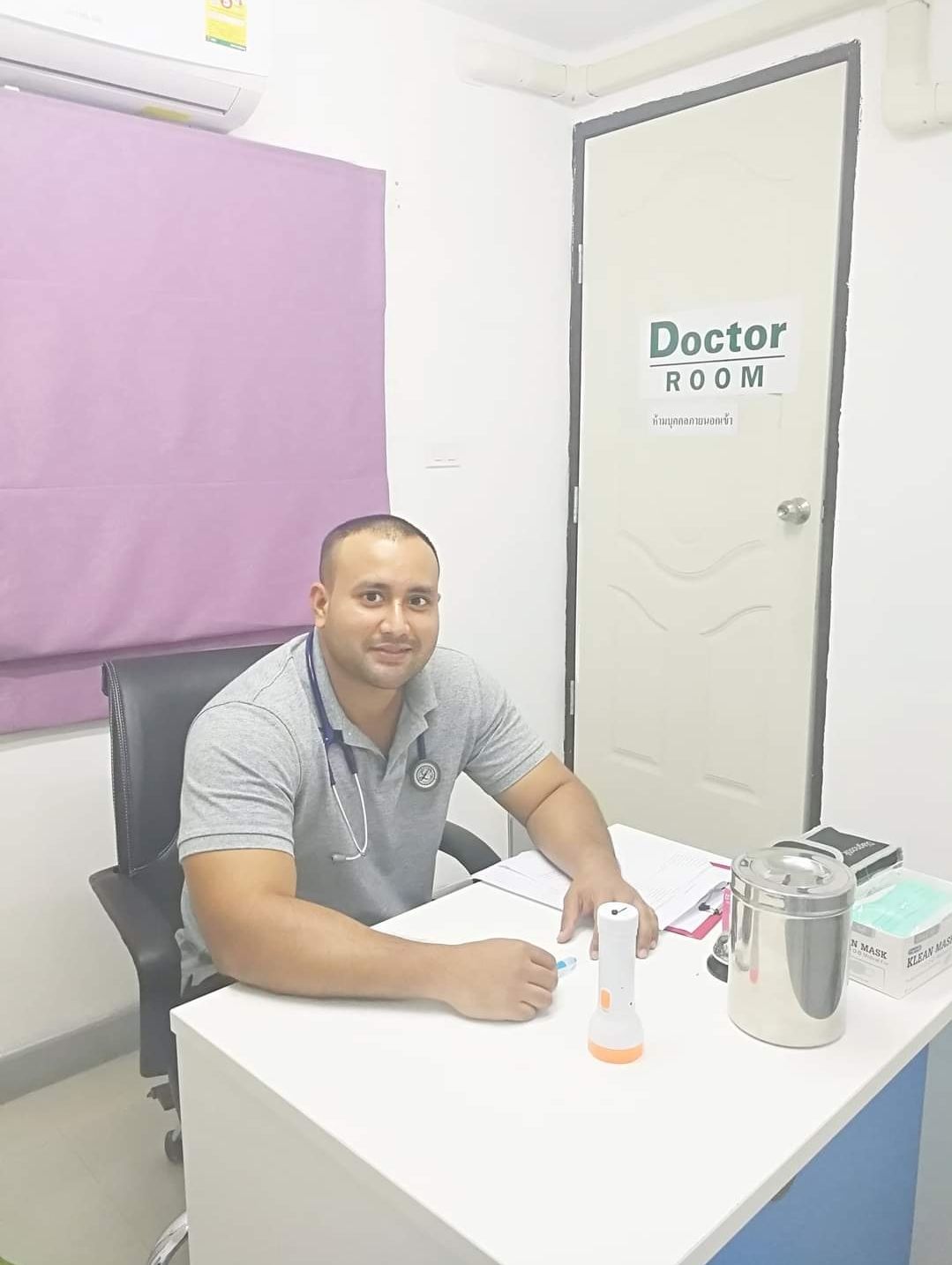
Dr. Ponlawat Pitsuwan is a physician at Doctor Bangkok, a private clinic in central Bangkok. He sees expats, residents, and medical tourists for general medicine, wellness consultations, and IV therapy. His focus is straightforward, evidence-based care delivered in plain language.