
Clinically reviewed by Dr. Ponlawat Pitsuwan, Physician, Doctor Bangkok. Last reviewed: September 2026
Stem cells are the body’s raw material. They can renew themselves and turn into specialised cells like blood, muscle, or nerve cells. This makes them central to medicine, from treating blood cancers today to potentially repairing damaged tissue in the future. Understanding the difference between proven treatments and experimental ones is what separates good medical decisions from risky ones.
I get asked about stem cell therapy more than most topics. Almost always, it is an expat who has seen a clinic advertisement and wants to know what is real and what is marketing. Bangkok has no shortage of clinics promoting regenerative medicine. Some are legitimate. Some are not. Before you walk into any of them, you should understand what stem cells actually do and why they matter.
The medical applications that already exist are significant. But a lot of what gets promoted here sits well outside proven medicine. This article gives you the facts: what stem cells are, what they can and cannot do right now, and what to watch for if you are considering treatment in Thailand.

What Makes Stem Cells Different From Every Other Cell in Your Body
Most cells in your body have one job. A liver cell processes toxins. A red blood cell carries oxygen. Once a cell is specialised, it stays that way.
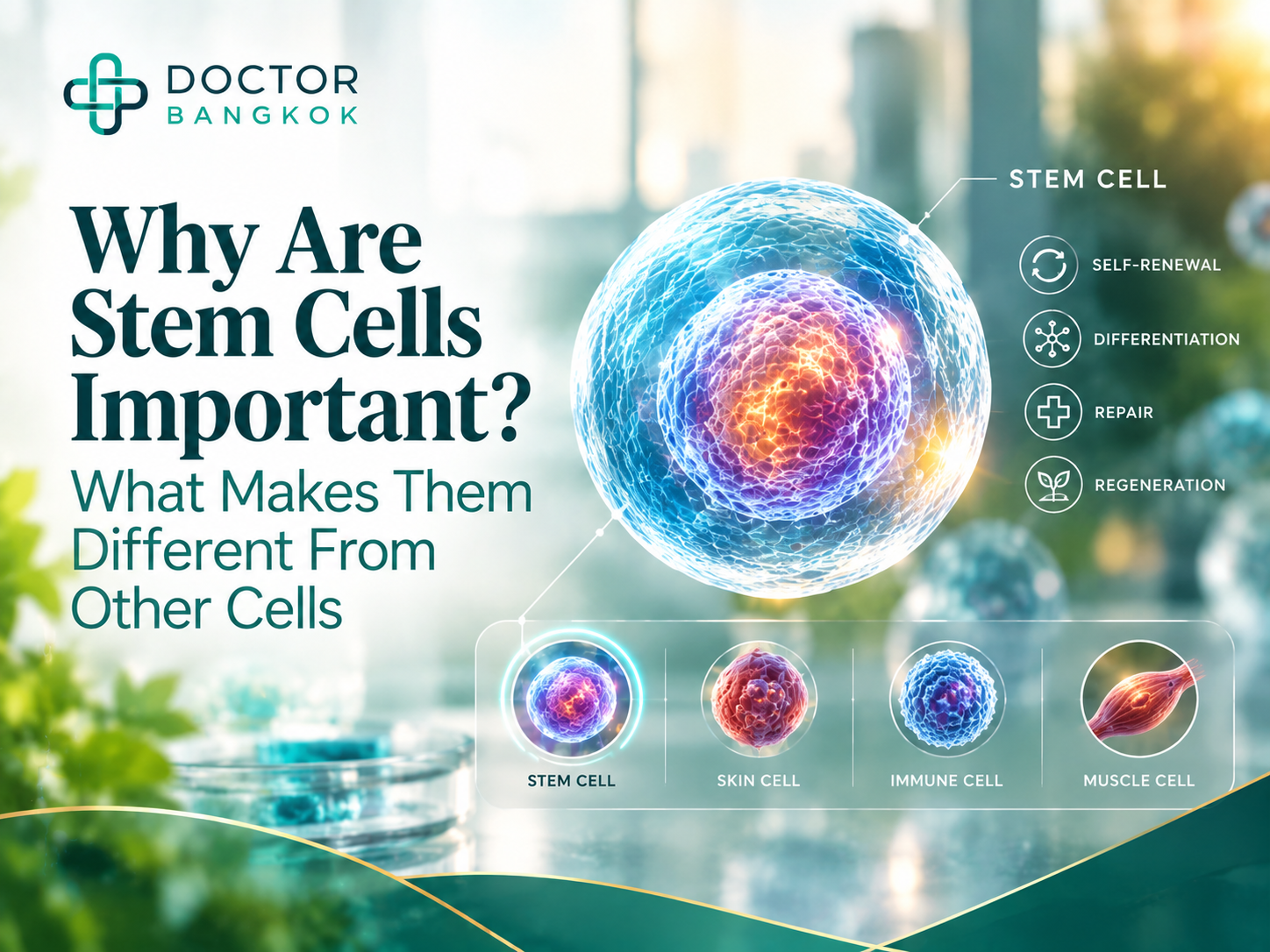
Stem cells work differently. They have two abilities no other cell type has. First, they can copy themselves. Second, they can become different types of specialised cells. That combination is what makes them unique.
Some stem cells can become almost any cell type in the body. Adult stem cells are more limited. They typically produce only the cell types found in the tissue where they live.
The Main Types of Stem Cells and Where They Come From
Embryonic stem cells come from early-stage embryos. They are highly versatile in research, but their use raises ethical questions that have slowed clinical application in many countries.
Adult stem cells live in specific tissues throughout your body. Bone marrow, fat tissue, and blood all contain them. They are more limited but are already used in approved medical treatments.
Cord blood stem cells are collected from the umbilical cord at birth. They are a rich source of blood-forming stem cells and have been used in transplants for decades. Cord blood banking allows families to store these cells for potential future use.
Induced pluripotent stem cells, or iPSCs, are adult cells that scientists reprogram to behave like embryonic stem cells. This sidesteps the ethical issues around embryo use and is one of the most significant developments in recent research.

Why Are Stem Cells Important in Medicine — What Is Actually Approved
Here is where marketing often blurs things. There is a clear line between what stem cell therapy can do right now and what researchers are still testing.
The most established approved use is the bone marrow transplant. Blood-forming stem cells from bone marrow have been used to treat leukaemia, lymphoma, multiple myeloma, and aplastic anaemia for decades. This is not experimental. It is standard care.
Beyond blood cancers, stem cells are approved for some inherited metabolic conditions and corneal surface repair in specific cases. Everything else you read about in a Bangkok clinic brochure is likely investigational, meaning it is still being studied.
What Stem Cells May Be Able to Do — Investigational Uses
The list of conditions being studied is long: Parkinson’s disease, spinal cord injury, type 1 diabetes, heart failure, and macular degeneration, among others. Research is active and in some cases promising.
The key word is studied. None of these have cleared the bar for standard clinical approval. Some are offered under compassionate use protocols, which allow patients with serious conditions to access unapproved treatments when no alternative exists, under strict oversight.
Tissue engineering is another active research area. Scientists are working on growing functional tissues and organs from stem cells in the lab. It is real progress, and it is also years from routine clinical use.
Stem Cell Therapy Safety, Risks, and Red Flags
The risk profile depends entirely on who is administering treatment and under what conditions. When cells from a donor are used, immune rejection is a real concern. When your own cells are used, rejection risk is lower but not zero.
Tumour formation is a documented risk with some stem cell preparations. Infection is a risk in any procedure involving injections or infusions. These are not reasons to dismiss the field. They are reasons to be careful about where and how you receive treatment.
Watch for these red flags: any clinic that promises guaranteed results, any clinic that cannot explain the cell source or lab standards, any clinic that avoids the question of regulatory status. If a clinic cannot answer basic questions about where the cells come from and how they are processed, walk away.
Stem Cell Therapy Regulation in Thailand — What Expats Need to Know
The Thai Food and Drug Administration licenses and oversees cell-based therapies in Thailand. The regulation exists. Enforcement is uneven, and unlicensed providers do operate.
This matters for expats and medical tourists because it is hard to assess a clinic’s legitimacy without knowing what questions to ask. A licensed facility will be transparent about its regulatory status. It will operate under a defined clinical framework, either an approved protocol or a registered trial.
Exosome therapy, which uses cell-derived particles marketed as regenerative medicine, is also widely promoted in Bangkok. The evidence base is still developing, and Thai FDA guidance on exosomes is evolving. Ask your doctor directly before proceeding.
At Doctor Bangkok, we do not administer stem cell therapy. What we can do is give you an honest, independent assessment before you commit to any regenerative treatment program. That kind of second opinion is genuinely valuable when you are far from your usual doctor.
Stem Cells, Anti-Aging, and What the Evidence Actually Supports
Anti-aging is where stem cell marketing is most aggressive in Bangkok. The underlying science is real: as we age, stem cells decline in number and function, and the body becomes less efficient at repairing itself. Therapies that address this are an active research area.
The gap between that research and a clinic offering you an anti-aging stem cell infusion is significant. Most anti-aging stem cell protocols available commercially sit outside the scope of proven clinical trials. That does not mean all of them are fraudulent, but you should not pay for them without understanding exactly what you are buying.
If you are interested in evidence-based options for cellular support, there are better-studied starting points. NAD+ infusions have a more established evidence base for cellular energy support than most commercial stem cell anti-aging protocols. It is a more honest place to start, and worth discussing with a physician first.
If you are considering stem cell therapy in Bangkok and want an independent clinical assessment before committing, Doctor Bangkok offers general medical consultations with English-speaking physicians in central Bangkok, accessible from the BTS. We can review your health history, explain your options honestly, and refer you to a licensed specialist if treatment is appropriate. Book a consultation at doctorbangkok.co.th.
Frequently Asked Questions
Dr. Ponlawat Pitsuwan
Physician, Doctor Bangkok
a private medical clinic in central Bangkok. He sees expats, residents, and medical tourists for general medical consultations, health assessments, and pre-treatment evaluations, including patients considering regenerative or specialist care in Thailand. His focus is straightforward, evidence-based care delivered in plain language.
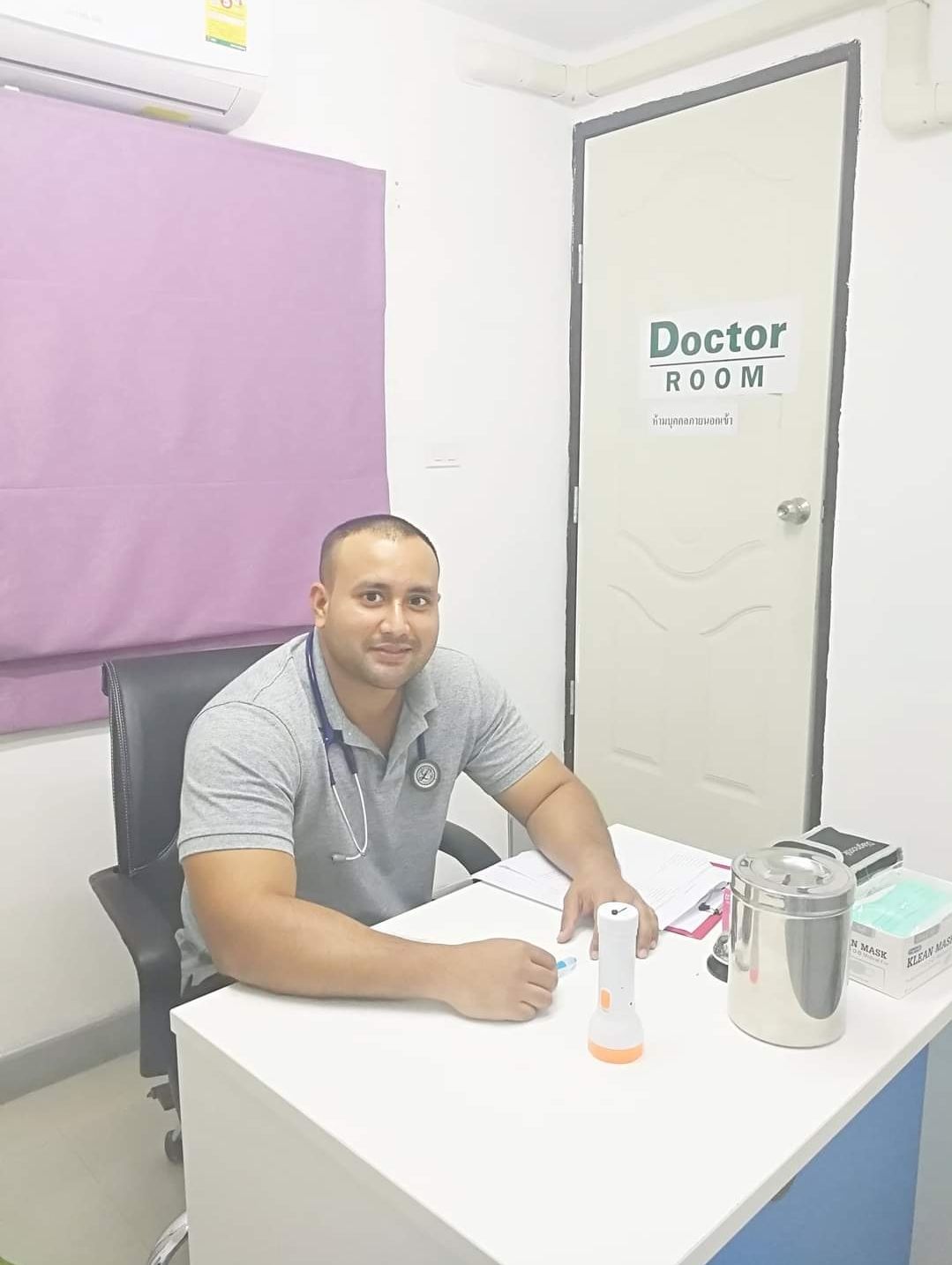
Dr. Ponlawat Pitsuwan is a physician at Doctor Bangkok, a private clinic in central Bangkok. He sees expats, residents, and medical tourists for general medicine, wellness consultations, and IV therapy. His focus is straightforward, evidence-based care delivered in plain language.