
Clinically reviewed by Dr. Ponlawat Pitsuwan, Physician, Doctor Bangkok. Last reviewed: September 2026
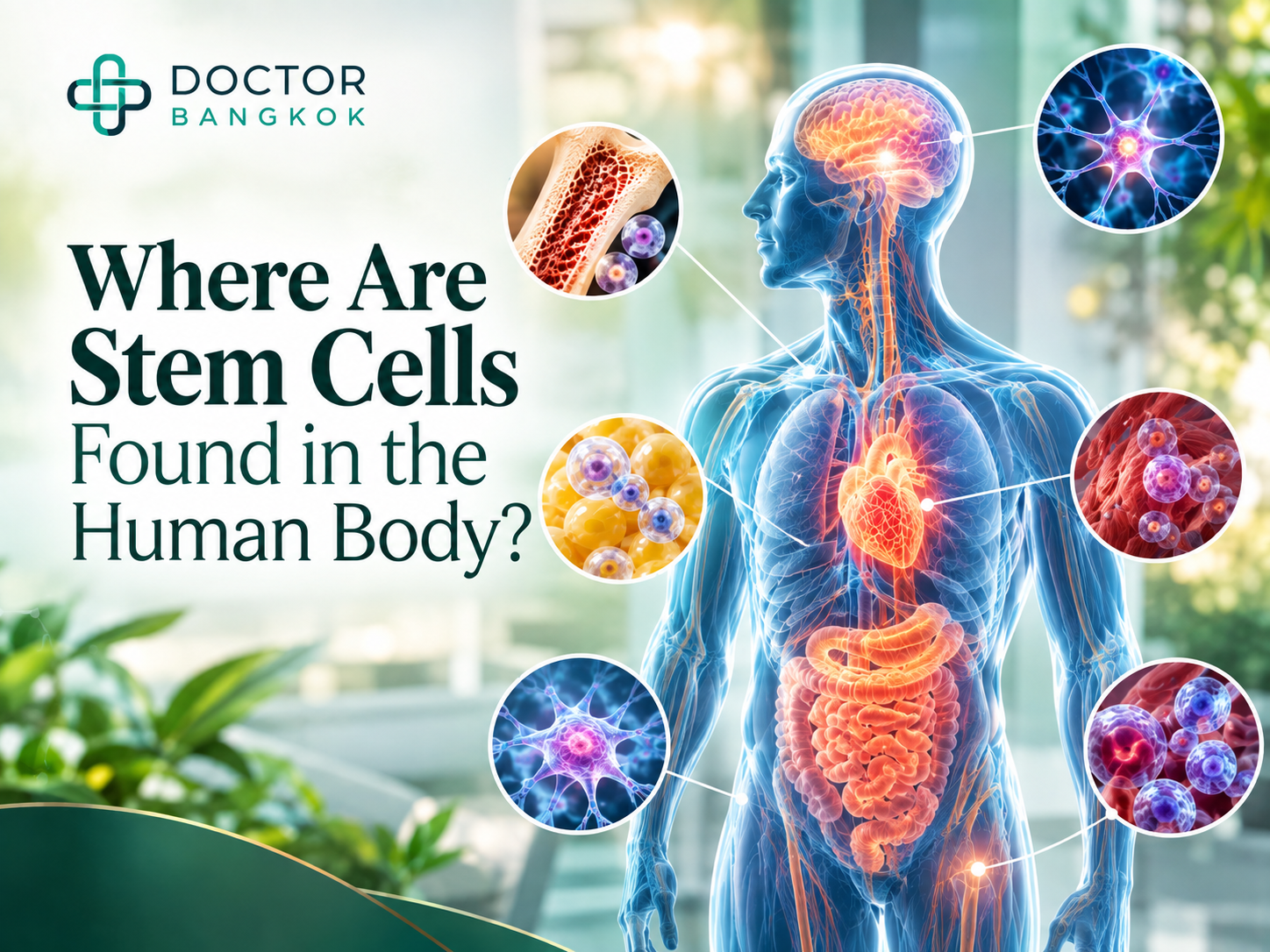
Stem cells come from several sources: embryos, bone marrow, fat tissue, umbilical cord tissue, and laboratory-reprogrammed adult cells. Most stem cell therapies used in Bangkok today rely on mesenchymal stem cells harvested from umbilical cord tissue donated after healthy births. This source is ethically straightforward, does not require anything from the patient’s own body, and yields young, viable cells suited to regenerative protocols.
I get this question from patients almost every week. Usually it comes from someone who has read about stem cell therapy online and wants to know whether what they are considering is safe, ethical, and backed by something real. The short answer: it depends entirely on where the cells come from, and that is exactly what this article covers.
Not all stem cells are the same. They vary by source, by how versatile they are, and by how they are collected. Understanding the difference helps you ask the right questions before you commit to any treatment.

What Makes a Cell a Stem Cell
Every stem cell has two defining abilities. First, it can copy itself. Second, it can develop into a more specialised cell type, such as a muscle cell, a liver cell, or a neuron. These two abilities are what separate stem cells from every other cell in your body.
Some stem cells can become almost any cell type. Others are more limited and can only produce a handful of related cell types. This range matters clinically, because it affects what a stem cell can and cannot do in a treatment setting.
Embryonic Stem Cells — Versatile but Rarely Used in Therapy
Embryonic stem cells come from human embryos, typically those created during IVF that are donated for research rather than implanted. These cells are the most versatile stem cells known and can theoretically become any cell type in the body.
In practice, they are almost never used in clinical therapy today. Ethical concerns around their sourcing remain significant for many patients. There are also real clinical challenges around immune rejection and the risk of uncontrolled cell growth after transplant. Reputable clinics in Bangkok do not use embryonic stem cells for regenerative treatment.

Adult Stem Cells — What Your Body Already Produces
Your body contains stem cells right now. These are called adult stem cells, or somatic stem cells, and they live in specific tissues where they help maintain and repair the body throughout your life. They are less versatile than embryonic stem cells, but they are the backbone of most legitimate clinical therapy.
Bone marrow is one of the best-known sources. It contains two relevant types: cells that produce blood, and mesenchymal stem cells that can develop into bone, cartilage, and fat. Fat tissue is another accessible source, sometimes harvested through a minor procedure. Other sources such as dental pulp are under active research but are not yet standard in clinical practice.
| Source | Cell Type | Versatility | Collection Method |
|---|---|---|---|
| Bone marrow | Hematopoietic + MSCs | Moderate | Needle aspiration under local or general anaesthesia |
| Fat tissue | MSCs | Moderate | Minor surgical procedure |
| Umbilical cord tissue | MSCs (Wharton’s jelly) | Moderate-high | Collected after birth, no risk to donor |
| Cord blood | Hematopoietic | Moderate | Collected after birth from cord |
| Embryo | Embryonic stem cells | Very high | IVF donation — not used clinically in Bangkok |
| Lab-reprogrammed adult cells | iPSCs | Very high | Lab process, not yet in standard clinical use |
Umbilical Cord Stem Cells — The Source Bangkok Clinics Use Most
This is the source worth spending the most time on, because it is what most reputable Bangkok clinics are actually working with, and it is the one patients tend to know least about.
Wharton’s jelly is the soft connective tissue found inside the umbilical cord. It is packed with mesenchymal stem cells, known as MSCs. After a healthy full-term birth, with the mother’s written consent, the cord is collected and the MSCs are extracted and processed in a GMP-certified laboratory. GMP means the facility meets internationally recognised standards for cell production.
These cells are young, highly active, and present in large quantities. Because they come from newborn tissue, they tend to be more potent than stem cells taken from an older adult. There is no surgical procedure required for the recipient, and no harm to the mother or the baby. This is the dominant source used in Bangkok regenerative protocols, for good clinical and ethical reasons.
Induced Pluripotent Stem Cells — Lab-Made, Not Yet Clinical
Induced pluripotent stem cells, or iPSCs, are adult cells that have been reprogrammed in a laboratory back to an embryo-like state. The result is a cell that behaves similarly to an embryonic stem cell without the ethical concerns.
iPSCs are genuinely exciting in research terms, and the scientists behind this work received a Nobel Prize. But they are not currently used in standard clinical therapy. The reprogramming process carries risks of genetic instability, and the technology is still being refined. If a clinic tells you their treatment uses iPSCs, ask very specific questions about where those cells are in the clinical development process.
Autologous vs Allogeneic — Whose Cells Are They?
This is one of the most practical decisions in stem cell therapy, and it comes up in almost every consultation.
Autologous means the cells come from your own body, typically your fat tissue or bone marrow. The benefit is clear: no immune rejection risk, because your body recognises these cells as its own. The problem is that your stem cells age with you. A 60-year-old’s fat-derived stem cells are significantly less active than cord-derived MSCs from a newborn donor. For patients over 45, this is a real clinical limitation.
Allogeneic means the cells come from a donor, most commonly cord tissue. Immune rejection is a concern in theory, but MSCs have a naturally low immune profile, meaning they rarely trigger a strong immune response even between unrelated individuals. This is one of the reasons cord-derived MSCs have become the preferred source at most Bangkok clinics. Which approach suits you depends on your age, health status, and treatment goals, and a proper pre-treatment consultation at Doctor Bangkok is designed to work that out.
Stem Cell Sourcing and Regulation in Thailand
Thailand’s Food and Drug Administration and the Ministry of Public Health regulate stem cell therapy under a framework that requires clinics to use properly screened and tested cells from verified sources. Cells must be processed in GMP-standard facilities. Donor screening for infectious disease is mandatory. Cell viability and sterility testing must be completed before administration.
This regulation matters. Not every clinic in Bangkok follows it properly. The existence of a framework does not mean every provider is compliant. Asking a clinic to confirm their cell source, their laboratory certification, and their testing protocols before treatment is not being difficult. It is basic due diligence.
What to Ask Before You Start Any Stem Cell Treatment in Bangkok
If you are considering stem cell therapy in Bangkok, these are the questions that actually matter. Where do the cells come from specifically: cord tissue, fat, or bone marrow? Is the processing laboratory GMP-certified? What donor screening is performed? What cell viability testing is done before infusion? Is the treatment offered under a clinical protocol with monitoring?
A clinic that cannot answer these questions clearly is a clinic worth avoiding. At Doctor Bangkok, we go through all of this during the consultation, before any commitment is made. You should be fully informed about what is going into your body and why that specific source was chosen for you.
If you are considering stem cell therapy and want honest answers about what is actually being used and why, start with a consultation at Doctor Bangkok. We cover cell sourcing, safety protocols, Thai regulatory compliance, and whether treatment is appropriate for your situation. We are centrally located in Bangkok, BTS accessible, and our physicians speak English. Contact us to book your consultation.
Frequently Asked Questions
Dr. Ponlawat Pitsuwan
Physician, Doctor Bangkok
a private medical clinic in central Bangkok. He sees expats, residents, and medical tourists for stem cell therapy consultations, regenerative medicine assessments, and general health screening. His approach is straightforward and evidence-based, delivered in plain language.
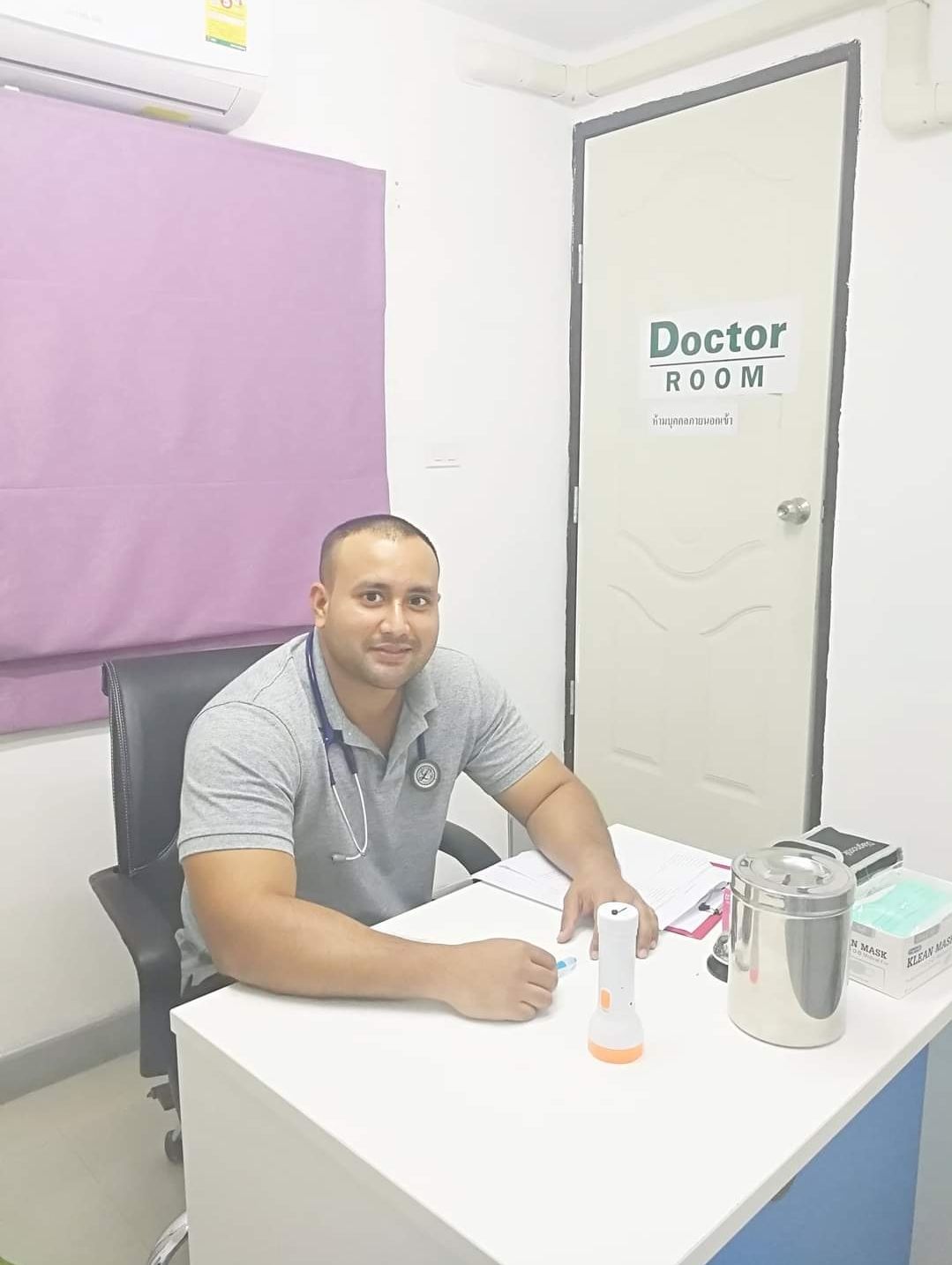
Dr. Ponlawat Pitsuwan is a physician at Doctor Bangkok, a private clinic in central Bangkok. He sees expats, residents, and medical tourists for general medicine, wellness consultations, and IV therapy. His focus is straightforward, evidence-based care delivered in plain language.