
Clinically reviewed by Dr. Ponlawat Pitsuwan, Physician, Doctor Bangkok. Last reviewed: September 2026
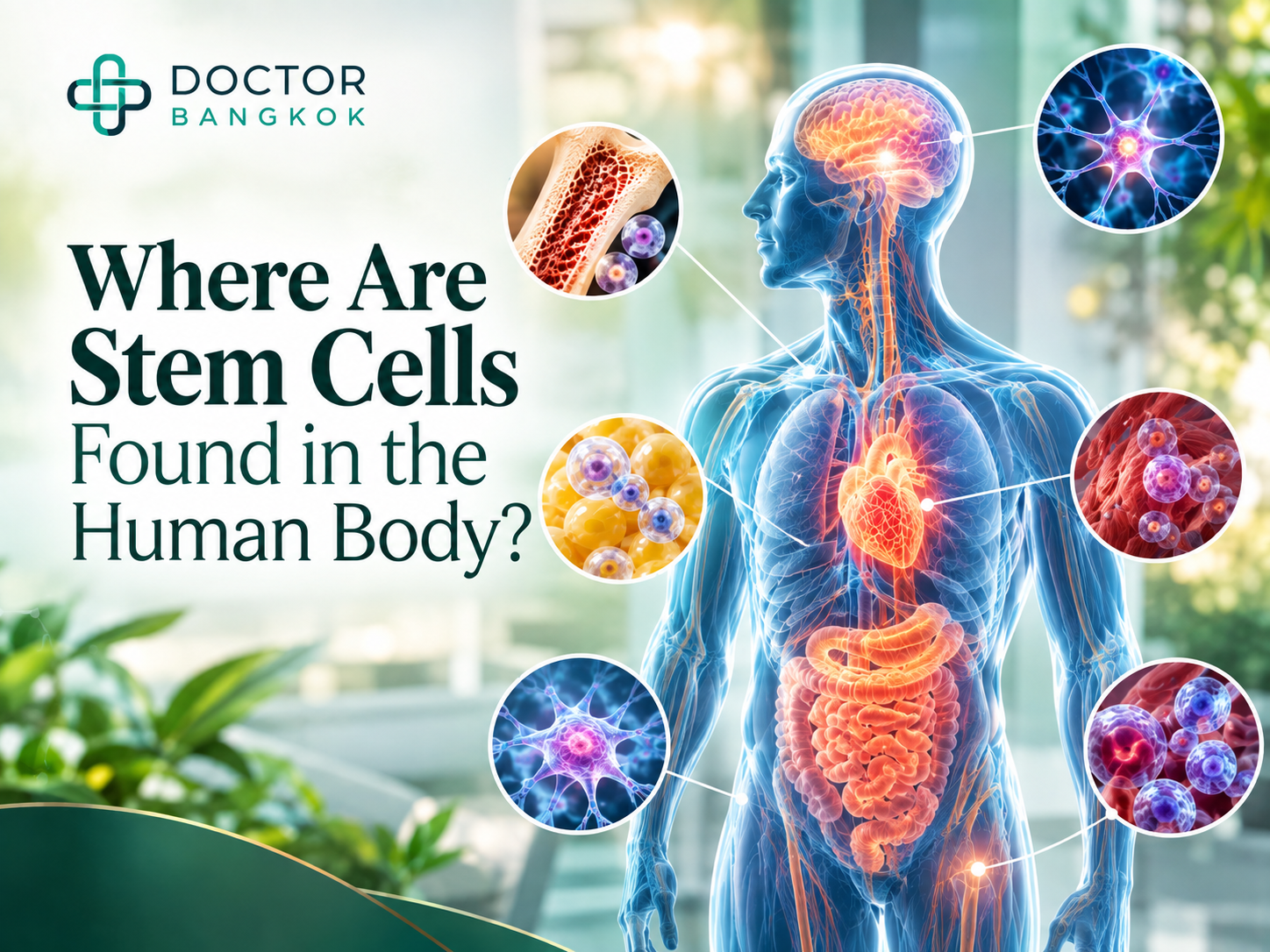
Stem cells are found throughout the adult human body, most concentrated in bone marrow, fat tissue, and the lining of the gut. Smaller populations exist in the brain, muscle, skin, and liver. Umbilical cord tissue contains a particularly potent type used widely in regenerative medicine today.
At least once a week, a patient asks me where stem cells actually come from. Usually someone in their 40s or 50s, fitting the question in between a work trip and a flight out of Suvarnabhumi. They have heard about stem cell therapy near Sukhumvit, read something online, and want a straight answer before they commit to anything. That answer matters, so here it is.
Stem cells are the body’s repair cells. They sit in specific locations, quietly replacing damaged or worn-out tissue. Some locations are rich sources. Others hold only a small reserve. Knowing where they live explains why certain sources are used in therapy, and why the quality of that source matters.

What Stem Cells Actually Are
Think of stem cells as unassigned workers. Most cells in your body have one fixed job. Stem cells have not been given a final assignment yet. They can copy themselves and they can become specialised cell types when the body needs them.
Not all stem cells have the same range. Embryonic stem cells, found in early-stage embryos, can become almost any cell in the body. Adult stem cells, the type living in your tissues right now, are more limited but still clinically useful. A third type, called induced pluripotent stem cells or iPSCs, are adult cells reprogrammed in a lab to behave more like embryonic ones.
In clinical practice, adult stem cells and donor cord-derived cells are the types used in therapy. Embryonic stem cells are not used in clinical treatments due to ethical concerns and safety limitations.
Where Stem Cells Are Found in the Body
Bone Marrow
This is the most well-known source. Bone marrow sits inside large bones such as the hip, sternum, and femur. It contains two important types: hematopoietic stem cells, which produce blood cells, and mesenchymal stem cells, which can become bone, cartilage, fat, and connective tissue. Bone marrow has been used in transplants for decades, particularly for blood cancers.
Fat Tissue
Fat stored under your skin and around your organs is one of the richest sources of mesenchymal stem cells in adults. Harvesting requires a minor procedure, similar to a small liposuction. Because fat is abundant and the harvest is straightforward, it is one of the two primary autologous sources in clinical regenerative medicine. Autologous means the cells come from your own body.
The Gut Lining
The inner lining of your intestines replaces itself completely every few days. Stem cells at the base of the gut wall drive that speed. These are some of the most active stem cells in the body, though they are not harvested for therapy. They matter because they show how essential stem cell activity is to everyday tissue maintenance.
Skin
Skin stem cells sit in hair follicles and the base layer of the outer skin. They repair surface damage, regenerate hair, and replace dead cells continuously. They are not collected for IV or regenerative therapy, but their activity is a good reminder that stem cell function is happening in your body right now, every day.
Muscle
Muscle tissue contains satellite cells, a type of muscle stem cell that activates when muscle is damaged. They drive the repair you feel after intense exercise or injury. Their numbers and activity decline with age, which is one reason recovery slows as we get older.
The Brain
Neural stem cells exist in specific brain regions, including the hippocampus. They can produce new neurons and supporting cells. The brain’s capacity for self-repair is limited compared to other tissues, but it is not zero. Research into neurological and cognitive ageing applications is ongoing.
The Liver
The liver has a strong regenerative capacity. Progenitor cells, a close relative of stem cells, activate when liver tissue is damaged. This is why the liver can recover from moderate injury. It is not a primary therapeutic source, but the liver’s repair capacity is stem-cell driven.

Umbilical Cord Stem Cells and Why They Matter Most for Therapy
Umbilical cord tissue, collected after a healthy birth with the mother’s consent, contains a type called UC-MSCs, umbilical cord-derived mesenchymal stem cells. These are younger cells than anything harvested from an adult body. Age affects potency, and cells from newborn cord tissue carry stronger regenerative signals than cells from a 50-year-old’s fat or bone marrow.
These cells are allogeneic, meaning they come from a donor rather than the patient. They are processed in GMP-certified laboratories, tested for viability and safety, and used in IV-delivered regenerative protocols at private clinics across Bangkok, including at Doctor Bangkok. No harvest procedure is needed from the patient, which is a practical advantage for medical tourists on a tight schedule.
Stem Cell Potency Declines with Age
Your stem cell reserves are not static. Numbers in your bone marrow, fat, and muscle decrease steadily from your 30s onward, and regenerative activity slows with them. This is one reason recovery from injury takes longer as we age and why systemic inflammation tends to rise.
This decline is also why many patients in their 40s and 60s seek cells sourced from outside their own body. It is not that their own cells have stopped working. The reserve is smaller and the cells are less potent. Using younger donor-derived cells sidesteps that limitation.
Types of Stem Cells at a Glance
| Type | Source | Potency | Used in Therapy? |
|---|---|---|---|
| Embryonic stem cells | Early-stage embryo | Pluripotent (any cell type) | No — ethical and safety limitations |
| Adult stem cells (MSCs) | Bone marrow, fat, muscle | Multipotent (limited range) | Yes — autologous therapy |
| UC-MSCs | Umbilical cord tissue | Multipotent, high potency | Yes — most common in Bangkok clinics |
| iPSCs | Reprogrammed adult cells | Pluripotent | Mostly research only |
| Hematopoietic stem cells | Bone marrow, cord blood | Multipotent (blood cells) | Yes — bone marrow transplants |
What This Means If You Are Considering Stem Cell Therapy in Bangkok
Bangkok has become a real destination for regenerative medicine. I see patients from across Asia, Europe, and Australia who have done their research and want to understand exactly what they are receiving before they commit. That instinct is the right one.
When a clinic offers stem cell IV therapy, two questions matter most: what type of cells and from what source? UC-MSCs from a GMP-certified lab are the standard used at Doctor Bangkok. Cells should be tested for viability before administration, and a physician should review your health history first, not a sales coordinator.
If you are evaluating clinics and feel uncertain, a medical consultation before any treatment is the right starting point. That conversation should cover your goals, your health status, and whether this therapy is appropriate for you at all. Not every patient is a good candidate. A clinic that tells every patient they are should raise a flag.
Thinking about stem cell therapy in Bangkok and want a straight answer about whether it is right for you? Doctor Bangkok offers English-speaking physician consultations for expats and medical tourists. We will review your health history, explain what the therapy involves, and give you an honest assessment before anything is booked. Walk in or contact us to arrange a consultation at our central Bangkok clinic, BTS accessible.
Frequently Asked Questions
Dr. Ponlawat Pitsuwan
Physician, Doctor Bangkok
a private medical clinic in central Bangkok. He sees expats, residents, and medical tourists for general medicine, preventive health, and regenerative medicine consultations including stem cell therapy assessment. His focus is straightforward, evidence-based care delivered in plain language.
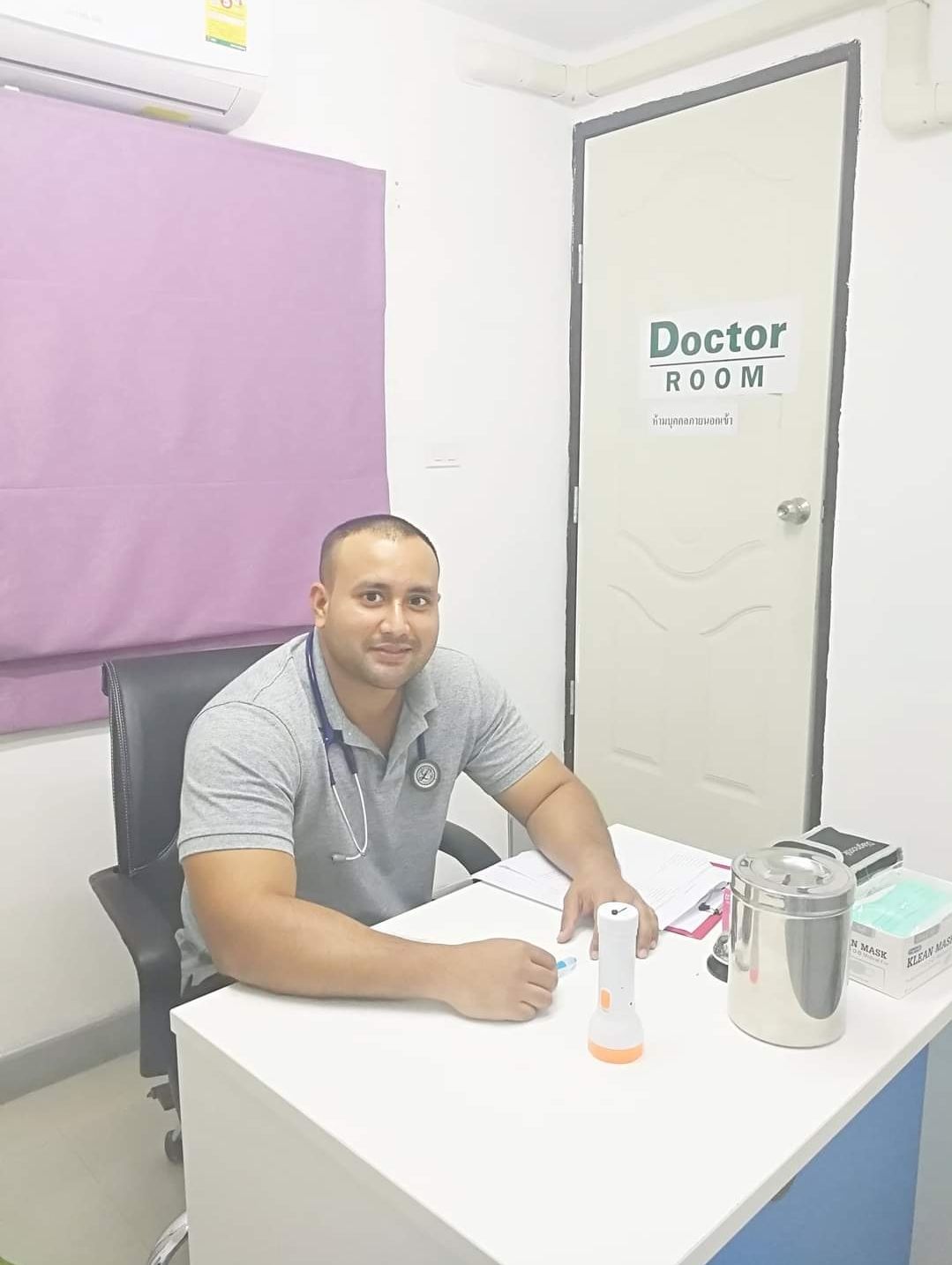
Dr. Ponlawat Pitsuwan is a physician at Doctor Bangkok, a private clinic in central Bangkok. He sees expats, residents, and medical tourists for general medicine, wellness consultations, and IV therapy. His focus is straightforward, evidence-based care delivered in plain language.