
Clinically reviewed by Dr. Ponlawat Pitsuwan, Physician, Doctor Bangkok. Last reviewed: September 2026
Stem cells are the body’s raw material cells. They can copy themselves and turn into specialised cells like muscle, bone, or blood. Some stem cell treatments are clinically proven, such as bone marrow transplants for blood cancers. Others are still experimental. If you are considering stem cell therapy in Bangkok, knowing the difference matters.
Someone came in last week having already booked a consultation at a Bangkok wellness centre advertising stem cell therapy for joint pain and fatigue. They wanted a second opinion before handing over a large deposit. That is exactly the right instinct.
Stem cells are special because they can do two things most cells cannot. They make copies of themselves, and they can turn into other cell types entirely. Every cell in your body originally came from one. The question worth asking is not whether stem cells are real or interesting. They are. The question is which treatments using them are proven, which are experimental, and how to tell the difference before committing to anything in Bangkok.

What Makes Stem Cells Different from Other Cells
Most cells have a fixed role. A liver cell does liver things. A nerve cell sends signals. They cannot switch. Stem cells can.
They have two core abilities. First, self-renewal: they divide and produce more stem cells over long periods. Second, differentiation: they can become specialised cell types. A blood stem cell can become a red blood cell, a white blood cell, or a platelet depending on what the body needs.
That flexibility is what makes them medically interesting. If you can direct how stem cells develop, you can theoretically repair or replace damaged tissue. That is the core idea behind regenerative medicine.
The Potency Spectrum — How Flexible Is a Stem Cell
Not all stem cells can become the same range of cells. Scientists use the word potency to describe this.
Totipotent cells can become any cell in the body, including placental tissue. They exist only in the first few days after fertilisation. Pluripotent cells can become almost any body cell but not placental tissue. Embryonic stem cells sit here. Multipotent cells can become several related types but not all. The blood stem cells in your bone marrow are a good example. Unipotent cells can only produce one cell type. Skin stem cells fall at this end.
The more flexible the stem cell, the greater the theoretical potential and generally the harder it is to use safely.

Types of Stem Cells and Where They Come From
Embryonic Stem Cells
These come from a human embryo a few days after fertilisation. They are highly versatile but raise ethical concerns, and because they are not from the patient’s own body, rejection is a real risk. Uncontrolled cell growth is also a documented concern. Thailand, like most countries, heavily restricts their clinical use.
Adult Stem Cells
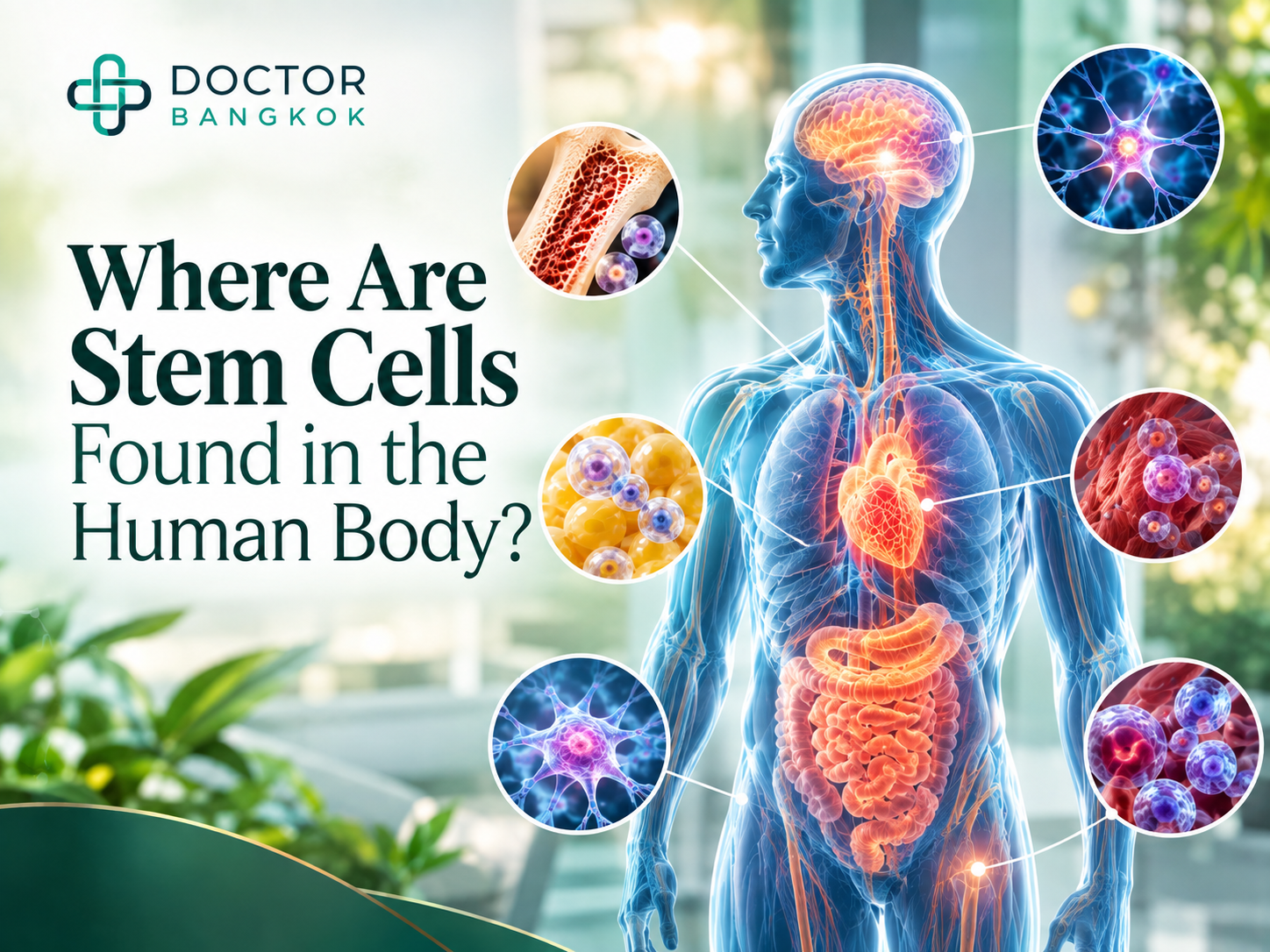
Adult stem cells live in specific tissues throughout the body. Bone marrow, fat tissue, and blood are common sources. They are more limited than embryonic cells but safer and raise no ethical issues. Mesenchymal stem cells, often taken from bone marrow or fat, are the type used most in current therapies. Hematopoietic stem cells, the blood-forming cells in bone marrow, are the basis of bone marrow transplants.
Induced Pluripotent Stem Cells
These are adult cells reprogrammed in a laboratory to behave more like embryonic cells. They combine versatility with the patient’s own genetic material, which lowers rejection risk. Research is active, but treatments using them are still largely in clinical trial stages.
Cord Blood Stem Cells
Cord blood, collected from the umbilical cord at birth, contains hematopoietic stem cells. These can be stored privately through cord blood banking or donated to public banks. They are an established source for certain blood disorder treatments.
What Diseases Can Stem Cells Currently Treat
This is where I have to be straight with you, because the gap between what is proven and what is marketed is significant.
Bone marrow transplants, which use hematopoietic stem cells, are the most established stem cell treatment in medicine. They have strong clinical evidence behind them for leukaemia, lymphoma, sickle cell disease, and some other blood disorders. If you have been offered one, that is real, proven medicine.
Beyond blood conditions, most other stem cell applications are still experimental. Treatments marketed for Parkinson’s disease, osteoarthritis, autism, and anti-ageing show early research interest in some cases. But early research interest is not the same as proven and safe enough to offer commercially. That distinction is critical, particularly here in Bangkok where some clinics advertise aggressively.
Stem Cell Therapy in Bangkok — What Expats and Medical Tourists Should Know
Bangkok attracts people seeking stem cell treatments partly because costs can be significantly lower than in the US or UK, and partly because the regulatory environment has historically been less restrictive. That is changing.
The Thai FDA and the Thai Medical Council have tightened oversight in recent years. Legitimate clinics must operate within GMP-certified laboratories and should only offer stem cell treatments within approved protocols. If a Bangkok clinic is advertising stem cell therapy for anti-ageing, joint pain, or neurological conditions outside a formal research trial, ask hard questions before agreeing to anything.
Three questions worth putting to any clinic before you commit. First, is this treatment approved in Thailand or part of a registered clinical trial? Second, where are the cells sourced and processed, and is the laboratory GMP-certified? Third, what are the documented risks specific to the treatment they are offering you?
I am not saying all Bangkok clinics offering stem cell therapy are cutting corners. Some operate to a genuinely high standard. But the market includes operators who are not, and you need to be able to tell the difference.
Risks and Limitations You Should Know
The risks depend on the type of stem cells used, the condition being treated, and the quality of the facility.
Real risks include immune rejection when donor cells are used, infection at the point of collection or administration, and the possibility of uncontrolled cell growth with pluripotent cells. Treatments using the patient’s own cells generally carry lower risk, but they are not without risk.
The biggest problem I see is not biological. It is financial and emotional. Patients spend significant money on treatments that have not been adequately proven, sometimes while delaying treatments that genuinely work. If a clinic cannot explain the evidence behind what it is offering, that is a warning sign worth taking seriously.
How Stem Cells Relate to Other Regenerative Treatments
Stem cell therapy sits at the advanced end of regenerative medicine. But it is not the only option, and for most patients it is not the right starting point.
NAD+ IV therapy supports cellular energy and DNA repair. It is a well-tolerated treatment with a much clearer safety profile than most stem cell therapies, and it is available at Doctor Bangkok. PRP, or platelet-rich plasma, uses growth factors from your own blood to support tissue repair. Exosomes are small particles that may carry some of the signalling benefits of stem cells without introducing the cells themselves.
None of these are the same as stem cell therapy. They sit at different points on the same spectrum. For anyone exploring longevity medicine or cellular-level wellness, understanding where each option fits is useful before making any financial commitment.
If you are exploring regenerative medicine or have questions about stem cell therapy in Bangkok, Doctor Bangkok offers consultations with English-speaking physicians who will give you a straight, evidence-based answer. We also offer NAD+ IV therapy and health assessments for expats and medical tourists in central Bangkok. Book through doctorbangkok.co.th.
Frequently Asked Questions
Dr. Ponlawat Pitsuwan
Physician, Doctor Bangkok
a private medical clinic in central Bangkok. He sees expats, residents, and medical tourists for general medical consultations, health assessments, and questions about regenerative and wellness medicine. His approach is direct and evidence-based.
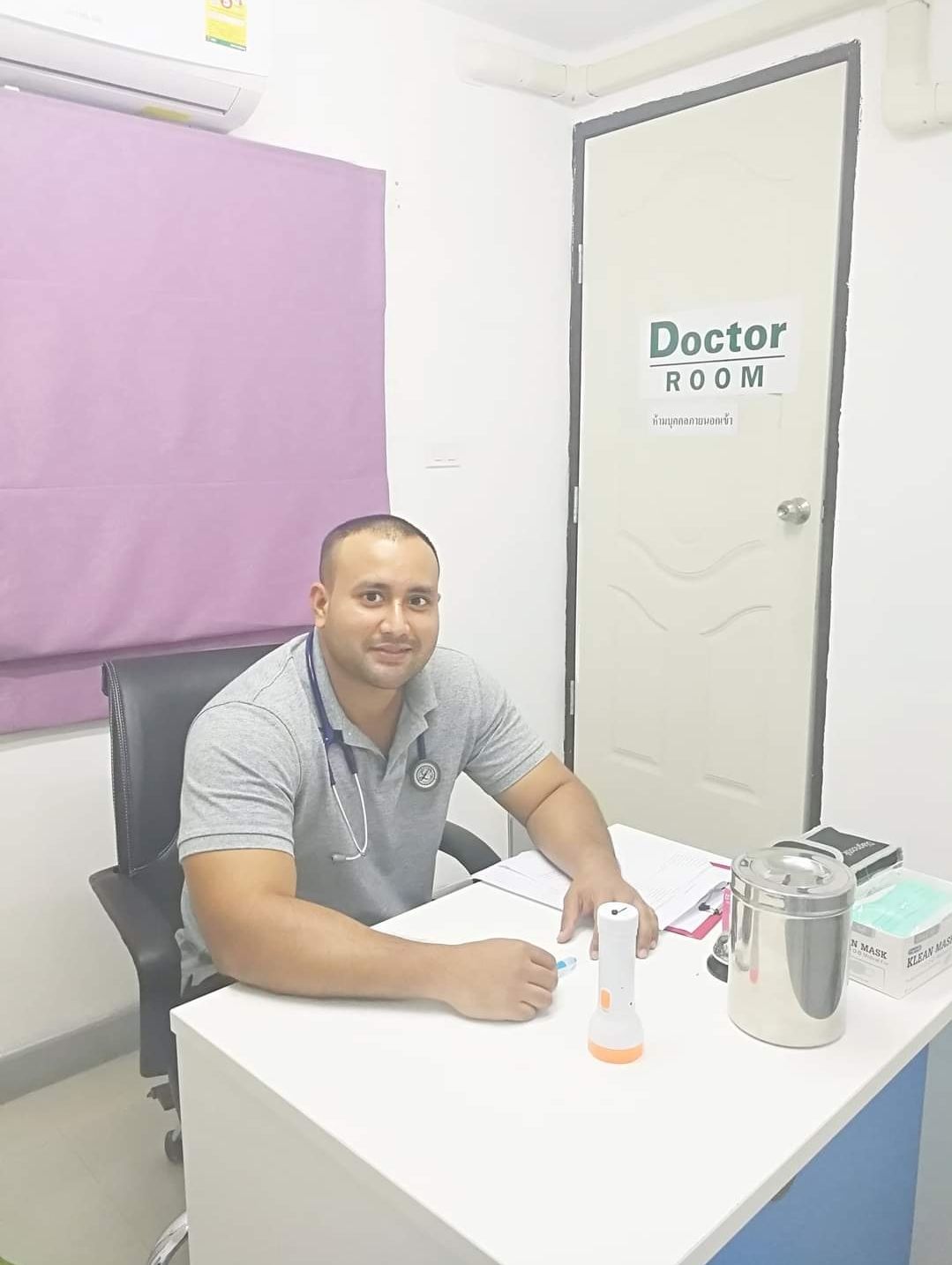
Dr. Ponlawat Pitsuwan is a physician at Doctor Bangkok, a private clinic in central Bangkok. He sees expats, residents, and medical tourists for general medicine, wellness consultations, and IV therapy. His focus is straightforward, evidence-based care delivered in plain language.