
Clinically reviewed by Dr. Ponlawat Pitsuwan, Physician, Doctor Bangkok. Last reviewed: September 2026
Stem cells are used today mainly to treat blood cancers and bone marrow failure through transplantation. This is the only broadly approved application as of 2026. Orthopaedic, neurological, and anti-aging uses are still being studied in clinical trials and are not yet standard care. If you are considering stem cell therapy in Bangkok, an independent medical consultation before you book anything is essential.
At least once a week, someone sits across from me asking about stem cell therapy. Some have spent weeks researching. Some read one article on the flight over. Most are really asking the same thing underneath: is this actually worth it, and is it safe to do here in Bangkok?
That is the question I want to answer honestly. What stem cells can do in a research lab and what they can safely do in a clinic today are two different things. Here is what is proven, what is still experimental, and what to watch out for if you are looking at options in Bangkok.

What Are Stem Cells — A Plain-Language Definition
Every organ in your body started as a stem cell. They are the raw material. A stem cell can divide to make more copies of itself, and it can change into a specialised cell, like a blood cell, a muscle cell, or a nerve cell. That second ability is what makes them medically useful.
The type of stem cell matters when you are talking about treatment. Different types come from different sources, have different capabilities, and are subject to different rules.
Types of Stem Cells and Why the Type Matters
Embryonic stem cells come from early-stage embryos. They can become almost any cell in the body, but their use is heavily regulated and ethically contested in most countries, including Thailand.
Adult stem cells are found in tissues like bone marrow and fat. They are more limited in what they can become, but they form the basis of most treatments available today. Mesenchymal stem cells, found in bone marrow and fat tissue, are the ones most Bangkok clinics are working with.
Induced pluripotent stem cells are adult cells reprogrammed in a lab to behave like embryonic ones. They are a major research area but not used in routine clinical care yet. Cord blood stem cells, collected at birth and stored, are rich in blood-forming cells and have been used successfully in some transplant situations.

What Are Stem Cells Used For — Established and Approved Applications
Here is where I need to be direct. As of 2026, the only broadly approved and well-established use of stem cell therapy is hematopoietic stem cell transplantation, which is the medical term for a bone marrow transplant.
It is used to treat blood cancers like leukaemia and lymphoma, aplastic anaemia, and certain immune system disorders. It has decades of safety data behind it and is performed at accredited facilities in Bangkok.
Everything else you will see marketed at wellness clinics is either in clinical trials or operating in a regulatory grey area. That does not mean it is useless. It means the evidence is not yet strong enough to call it standard care.
Emerging Uses — What the Research Actually Shows
The research is genuinely interesting in several areas, and I do not want to dismiss it. But patients deserve to know where the evidence sits right now.
For joint pain and osteoarthritis, mesenchymal stem cell injections are being studied and some patients report reduced pain and improved function. The evidence is promising but still moderate, and long-term trials are ongoing. For neurological conditions like Parkinson’s disease and multiple sclerosis, early trials show some signals, but the results are inconsistent. Do not let anyone tell you this is ready for routine clinical use.
Anti-aging and longevity applications are the biggest growth area in Bangkok’s medical tourism market. The theory is that stem cells can support tissue repair and reduce inflammation associated with ageing. The evidence base for this specific use is limited, and whether patients who report feeling better are responding to biology or expectation is genuinely hard to separate at this stage.
Stem Cells Versus Other Regenerative Approaches in Bangkok
This comes up constantly. Patients want to know how stem cell therapy compares to things like NAD+ IV therapy or platelet-rich plasma, known as PRP. They are related fields but not the same thing.
Stem cell therapy introduces living cells to regenerate or repair tissue. PRP uses concentrated growth factors from your own blood to speed up healing, most often in tendons and joints, and it has a stronger evidence base for orthopaedic use than most stem cell protocols currently do. NAD+ IV therapy replenishes a coenzyme involved in cellular energy and does not introduce new cells. Exosome therapy, which uses particles released by stem cells, is another emerging area that some Bangkok clinics are now offering.
None of these are interchangeable. The right approach depends on your specific health goals and current health status.
Stem Cell Therapy in Bangkok — What Patients Need to Know
Bangkok has a real and growing stem cell therapy market. Some of it is legitimate. Some of it is not. The Thai FDA regulates cell-based therapies, but compliance varies between providers. Some clinics operate under approved research protocols. Others do not.
Before you book anything, ask the clinic three questions. First, is this protocol approved by the Thai FDA or registered as a clinical trial? Second, what pre-treatment screening do they require? A clinic that skips baseline blood panels before treatment is cutting corners. Third, can they provide published outcomes data or peer-reviewed references for what they are offering?
Look for GMP-certified laboratory practices. GMP stands for Good Manufacturing Practice. It means the facility meets minimum safety standards for how cells are prepared. Its absence is a red flag.
Who Actually Considers Stem Cell Therapy
In my experience, three types of patients ask about this. The first has a specific diagnosed condition, often a blood disorder or joint problem, and has been told by a specialist that a stem cell approach may be relevant. That is the most clinically grounded group.
The second group is expats or medical tourists in Bangkok dealing with chronic joint pain or early osteoarthritis, looking for something beyond anti-inflammatories and physiotherapy. For this group, the evidence is moderate and a proper consultation matters before committing to anything.
The third group is longevity-focused. They are healthy, functioning well, and want to stay that way longer. This is where the evidence is thinnest and where the marketing most often outpaces the science. I do not dismiss these goals. I just want people making informed decisions.
How to Start the Conversation in Bangkok
If you are weighing up stem cell therapy, the first step is not booking a stem cell clinic. The first step is understanding your baseline health.
A health check-up, blood panel, and a conversation with a physician who has no financial interest in selling you a specific treatment is where you start. Doctor Bangkok is a general medical clinic with English-speaking doctors who can review your test results, assess your health status, and tell you honestly whether what a clinic is offering makes sense for your situation. We are not a stem cell provider. That matters.
Considering stem cell therapy or regenerative treatments in Bangkok? Start with an independent medical consultation at Doctor Bangkok. Our English-speaking physicians can review your health status, assess your suitability for any proposed treatment, and help you ask the right questions before you commit. We also offer health check-ups and IV therapy for patients interested in cellular health and longevity support. Centrally located in Bangkok, BTS accessible, open daily.
FAQ
Dr. Ponlawat Pitsuwan
Physician, Doctor Bangkok
a private medical clinic in central Bangkok. He sees expats, residents, and medical tourists for general medical consultations, health assessments, and questions about regenerative and wellness treatments available in Thailand. His focus is straightforward, evidence-based care delivered in plain language.
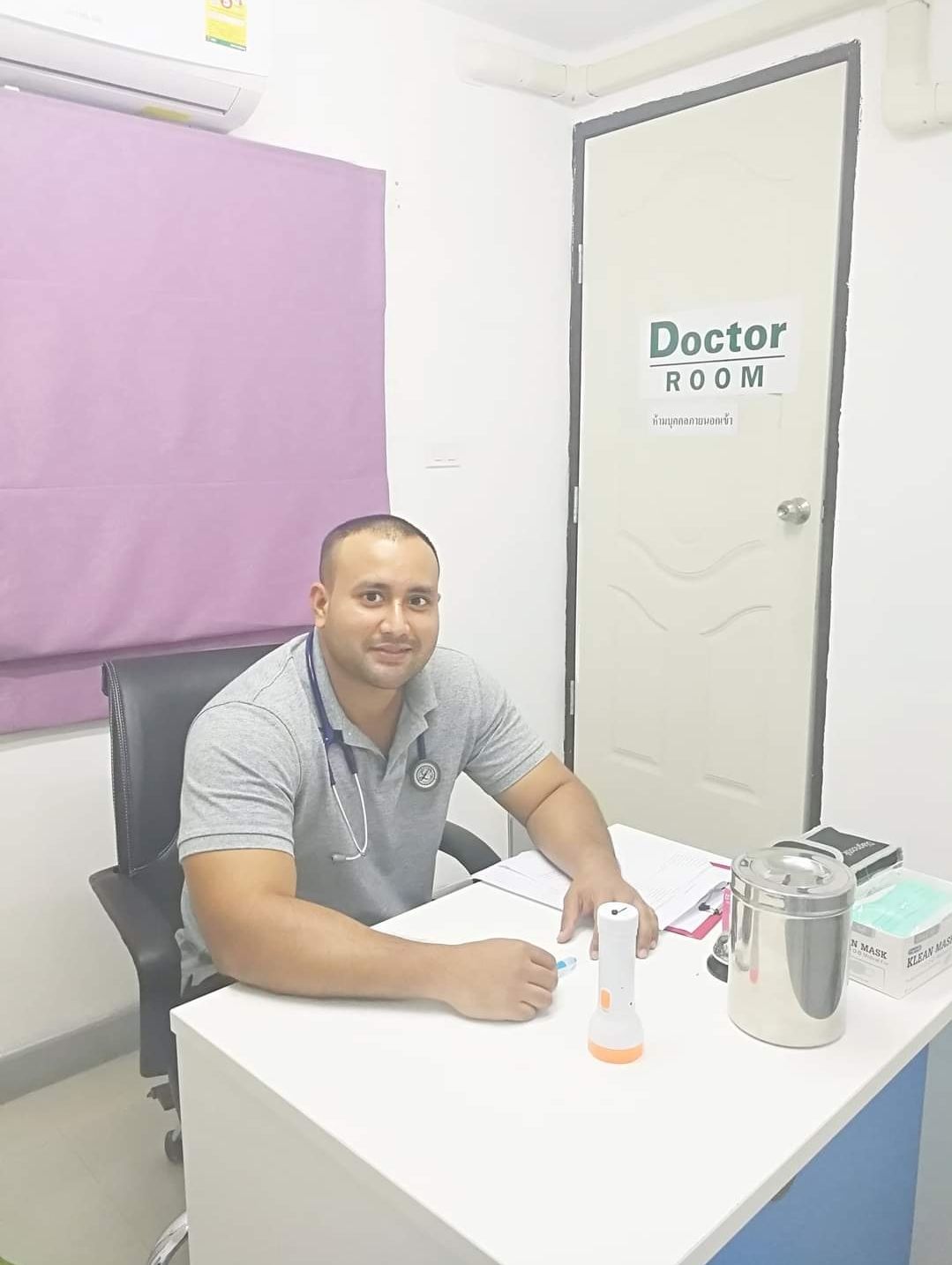
Dr. Ponlawat Pitsuwan is a physician at Doctor Bangkok, a private clinic in central Bangkok. He sees expats, residents, and medical tourists for general medicine, wellness consultations, and IV therapy. His focus is straightforward, evidence-based care delivered in plain language.