
Clinically reviewed by Dr. Ponlawat Pitsuwan, Physician, Doctor Bangkok. Last reviewed: September 2026
The stem cell controversy comes down to one specific question: is it ethical to destroy a human embryo to extract stem cells? That debate applies only to embryonic stem cells. Adult stem cells and umbilical cord-derived stem cells do not involve embryo destruction and sit outside that ethical argument entirely. For patients considering treatment in Bangkok, knowing which type is being offered — and whether the clinic can account for its cell sourcing — matters more than the debate itself.
I get asked about stem cell therapy at least a few times a month. Usually it is someone who has been quoted a protocol by a Bangkok clinic, costs included, and wants a straight answer before they commit. Sometimes it is a medical tourist who read something online and cannot tell what is proven from what is not.
The controversy around stem cells is real, but most people are confused about what exactly is being argued over. That confusion costs them. The core dispute is not about stem cells in general. It is about one specific type and one specific question. Once you understand that, the rest becomes much easier to navigate.

Types of Stem Cells: Which Ones Are Actually Controversial
Not all stem cells are equal in this debate. Embryonic stem cells are the ones that divide scientists and ethicists. They come from a blastocyst, a very early human embryo around five days after fertilisation. Extracting them destroys the embryo. That is the source of the controversy.
Adult stem cells are different. They come from existing tissue in the body, like bone marrow or fat. No embryo is involved, and they have been used safely in medicine for decades.
Umbilical cord-derived mesenchymal stem cells, often called UC-MSCs, come from donated cord tissue collected after a healthy birth. No embryo, no destruction. Ethically, these are not contentious. Exosomes, tiny particles used in some newer protocols, also fall outside the embryo debate entirely.
Induced pluripotent stem cells, or iPSCs, are adult cells reprogrammed in a laboratory to behave like embryonic stem cells. They were developed partly to sidestep the ethical problem. They carry their own scientific questions, but not the same moral objections.
The Ethical Arguments Against Embryonic Research
The objection is straightforward. A human blastocyst, to those who believe life begins at fertilisation, is already a human life. Destroying it for research violates the sanctity of that life, regardless of the potential medical benefit.
This is not a fringe view. Religious traditions, bioethicists, and legal scholars have made this argument formally for decades. In many countries it has shaped national law and research funding. The US under President George W. Bush imposed strict federal funding restrictions on embryonic stem cell research for exactly this reason.
The counter-argument is that a blastocyst is not yet a person in any morally meaningful sense, and that the potential to relieve suffering in living patients outweighs its moral status. This is where scientists and ethicists genuinely split. There is no consensus, and there is unlikely to be one soon.
What I tell patients is this: the argument is real, it is serious, and it will not be resolved quickly. But if you are being offered treatment in Bangkok, the cell type being proposed almost certainly sidesteps this debate entirely. Understanding the ethical questions around embryonic stem cell sourcing is still worth your time before you commit to any protocol.
What Stem Cell Research Has and Has Not Proven
Here is where the science has something clear to say. Bone marrow transplants for blood cancers, including certain leukaemias and lymphomas, are the clearest example of proven stem cell medicine. The evidence is strong, built over more than sixty years of clinical use.
Beyond that, the evidence gets thinner. MSC therapy for joint conditions and inflammatory disease has shown early promise in trials, but most applications are still in research stages. Anti-aging, cosmetic rejuvenation, and treatments for neurodegenerative conditions like Parkinson’s or Alzheimer’s are not yet supported by rigorous clinical evidence.
The gap between what is proven and what is being commercially sold is large. That gap is where patients get hurt, financially and sometimes physically.
How Thailand Regulates Stem Cell Therapy
This is the part that matters most for anyone considering treatment here, and it is the part most clinics do not discuss clearly.
In Thailand, only haematopoietic stem cell treatments, primarily bone marrow transplants for blood disorders, are formally approved by the Thai Medical Council for standard clinical use. Every other stem cell procedure is technically classified as research. That means it should be conducted under an institutional ethics board, known as an IRB, with proper informed consent and formal oversight.
Many commercial clinics in Bangkok operate in the grey area between research and clinical practice. The Thai Medical Council has ethics regulations covering experimental treatments, and compassionate use pathways exist, but enforcement varies. Some clinics operate responsibly within this framework. Others do not.
This does not mean all stem cell therapy in Bangkok is unsafe. It means you need to ask the right questions before agreeing to anything.
The Problem of Stem Cell Tourism
Stem cell tourism is a documented problem. Patients travel to countries with less restrictive regulatory environments, pay significant sums for treatment, and in some cases experience serious harm. Reported adverse events include infection, blood clots, immune reactions, and in rare cases tumour formation.
Bangkok is a destination for this kind of medical travel. Most clinics here are responsible, but some make unproven claims about reversing aging or treating degenerative conditions without credible evidence. The price tag is often quoted before any clinical assessment takes place. That is a red flag.
The ISSCR, the International Society for Stem Cell Research, publishes guidelines specifically warning patients about unregulated commercial stem cell providers. Their position is that patients should not receive stem cell therapies outside of a properly approved clinical trial or established application unless they are under full informed consent and rigorous ethics oversight.
What to Ask Before Agreeing to Stem Cell Treatment in Bangkok
Before you commit to any protocol, ask these questions directly. Where are the cells sourced, and is the laboratory GMP-certified? GMP, or Good Manufacturing Practice, is the quality standard governing how cells are processed and stored safely.
Can the clinic show you ethics board approval or a clinical trial registration? What is the evidence base for the specific treatment being proposed for your specific condition?
If a clinic makes it difficult to get clear answers, or discourages you from seeking a second opinion, walk away. A legitimate provider welcomes scrutiny. Informed consent is not just a form you sign. It means you genuinely understand what is being done, what the evidence shows, and what the risks are. If the conversation before treatment felt more like a sales pitch than a clinical discussion, that matters.
Getting an Independent Opinion in Bangkok Before You Commit
At Doctor Bangkok, I see patients who are trying to evaluate stem cell proposals from other clinics. This is not a competing service. It is an independent clinical consultation that helps you understand whether what you are being offered is consistent with current evidence, appropriate for your health profile, and sourced from a facility with credible standards.
This is especially useful for expats and medical tourists who do not have a regular GP here and have no baseline relationship with a physician in Bangkok. You get a clinically informed, commercially neutral perspective. You can review the proposed protocol, ask about the cell type and sourcing, and get a straight answer about whether the evidence supports it.
If you are considering stem cell therapy in Bangkok, an independent review before you agree to anything is one of the most practical steps you can take. The cost of a consultation is small compared to the cost of committing to an unproven treatment at an unregulated clinic.
Thinking about stem cell therapy in Bangkok and want a straight clinical opinion before you commit? Doctor Bangkok offers independent medical consultations for expats and medical tourists evaluating stem cell proposals. We review the evidence, the cell sourcing, and whether the treatment makes clinical sense for your situation, with no commercial stake in the outcome. Book a consultation at Doctor Bangkok in central Bangkok, BTS accessible, English-speaking physicians.
Frequently Asked Questions
Dr. Ponlawat Pitsuwan
Physician, Doctor Bangkok
a private medical clinic in central Bangkok. He sees expats, residents, and medical tourists for general medical consultations, health assessments, and pre-treatment clinical reviews, including independent evaluations of stem cell therapy proposals. His focus is straightforward, evidence-based care delivered in plain language.
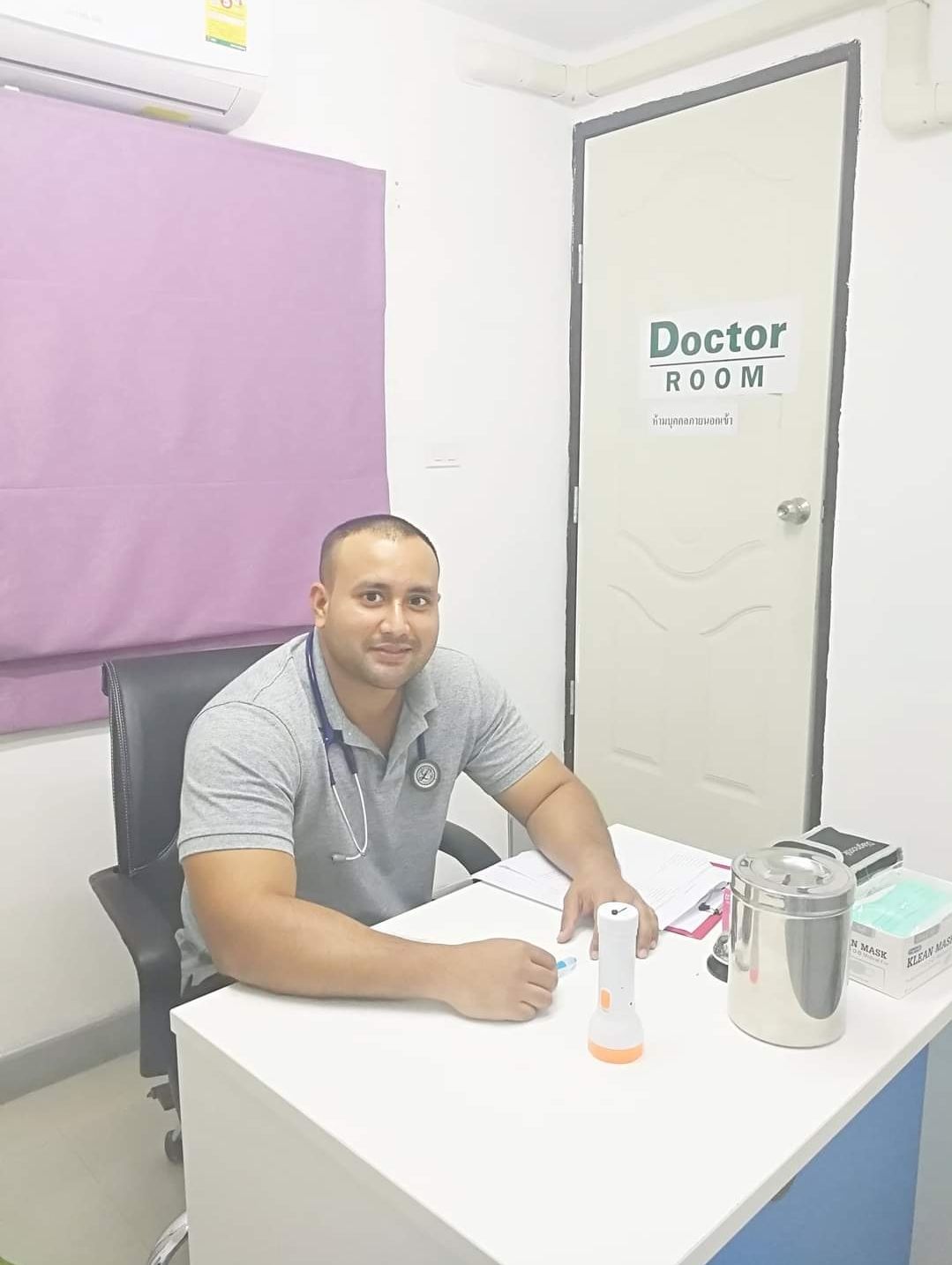
Dr. Ponlawat Pitsuwan is a physician at Doctor Bangkok, a private clinic in central Bangkok. He sees expats, residents, and medical tourists for general medicine, wellness consultations, and IV therapy. His focus is straightforward, evidence-based care delivered in plain language.