
Clinically reviewed by Dr. Ponlawat Pitsuwan, Physician, Doctor Bangkok. Last reviewed: September 2026
There are several stem cell transplant types, and the differences matter clinically. Autologous transplants use your own stored cells. Allogeneic transplants use a donor’s cells. The right choice depends on your diagnosis, your age, your fitness level, and whether a matched donor exists. Getting this decision right from the start shapes everything that follows.
Most patients who walk in after a blood cancer diagnosis have already spent time online. They have seen the words "bone marrow transplant," "stem cell transplant," "autologous," and "allogeneic" and are not sure whether these are four different things or the same thing said four different ways.
That confusion is reasonable. Thailand has internationally accredited hospitals with dedicated haematology and transplant units. Bangkok attracts patients from across Southeast Asia, South Asia, and the Middle East for exactly this kind of treatment. But your options only make sense once you understand which transplant type applies to your situation and what questions to ask before committing to anything.

What Is a Stem Cell Transplant and Why Does the Type Matter?
A stem cell transplant replaces diseased or damaged blood-forming cells with healthy ones. The healthy cells enter your bloodstream and settle in your bone marrow, where they begin making normal blood cells again. This process is called engraftment.
The type of transplant determines where those healthy cells come from, how your body is prepared, and what risks you face. This is not a one-size-fits-all procedure. The broader term you will hear is HSCT, or haematopoietic stem cell transplant. This covers all medically established transplant types used for blood cancers and bone marrow disorders, and it is a different category entirely from the stem cell infusions offered at wellness clinics. That distinction matters a great deal in Bangkok, and I will come back to it.
The Three Main Stem Cell Transplant Types
Autologous Transplant
In an autologous transplant, your own stem cells are collected before treatment, frozen, and returned to you after high-dose chemotherapy has cleared out your diseased bone marrow. Because the cells are yours, there is no rejection risk and no graft-versus-host disease.
The trade-off is that any cancer cells present during collection may return with the transplant. There is also no immune attack on residual cancer from a donor’s cells. Autologous transplants are most commonly used for multiple myeloma and certain lymphomas.
Allogeneic Transplant
An allogeneic transplant uses stem cells from a donor. That donor can be a sibling, an unrelated matched donor from a registry, a partially matched family member, or umbilical cord blood. This type is used for leukaemia, aplastic anaemia, thalassaemia, sickle cell disease, and other bone marrow failure conditions.
The key advantage here is that the donor’s immune cells actively target any remaining cancer. The risk is graft-versus-host disease, or GVHD, where those same cells attack your own tissues. HLA matching, a comparison of specific proteins on your cells and the donor’s cells, is done to reduce that risk as much as possible.
Syngeneic Transplant
A syngeneic transplant uses cells from an identical twin. It is rare simply because most patients do not have one. It carries no GVHD risk, but also no immune attack on residual cancer. For some conditions that trade-off is acceptable. For others, an allogeneic transplant is still preferred even when a twin is available.

Where the Cells Actually Come From
Separate from the donor question, there is the question of how cells are collected.
Bone marrow harvest collects cells directly from the hip bone under general anaesthesia. Peripheral blood stem cell collection, known as PBSCT, uses medication to push stem cells from the marrow into the bloodstream, where they are filtered out through a machine called an apheresis unit. PBSCT is now the most common method because it does not require surgery and recovery is faster.
Cord blood transplant uses stem cells stored from an umbilical cord at birth. These cells require less precise HLA matching, which matters when a fully matched donor cannot be found. The limitation is that cord blood units contain fewer cells, which can slow engraftment.
Conditioning Regimens: What Happens Before the Transplant
Before any transplant, you go through a conditioning regimen. This is a course of high-dose chemotherapy, sometimes combined with radiation, that clears your diseased cells and suppresses your immune system so the new cells can take hold.
Myeloablative conditioning is the full-intensity version and is typically used in younger, fitter patients. Reduced-intensity conditioning uses lower doses and is sometimes called a mini transplant. It has opened transplantation to older patients and those with other health conditions who could not tolerate the full regimen. Both carry the same GVHD risk in allogeneic transplants.
Which Conditions Are Treated with Each Stem Cell Transplant Type?
| Condition | Transplant Type Typically Used |
|---|---|
| Multiple myeloma | Autologous |
| Hodgkin and non-Hodgkin lymphoma | Autologous (sometimes allogeneic for relapse) |
| Acute leukaemia (AML, ALL) | Allogeneic |
| Chronic leukaemia (CML, CLL) | Allogeneic |
| Aplastic anaemia | Allogeneic |
| Thalassaemia and sickle cell disease | Allogeneic |
| Myelodysplastic syndrome (MDS) | Allogeneic |
Thalassaemia is worth naming directly. It is common across Southeast Asia and the Middle East, and many patients coming through Bangkok have family histories of the condition. An allogeneic transplant from a matched sibling remains the only established route to a cure for severe thalassaemia.
Stem Cell Transplants in Bangkok: Where Haematopoietic Ends and Regenerative Begins
This is the question I get asked most often by patients who have done their research before arriving.
Bangkok has a large and visible regenerative medicine market. Clinics here offer stem cell infusions for anti-ageing, joint pain, autoimmune conditions, and neurological issues. These products are typically mesenchymal stem cells, and most remain investigational. They are not the same as HSCT.
HSCT is performed in specialised hospital units with dedicated transplant teams, controlled environments, and long-term haematology follow-up. It is clinically established and indicated for specific blood disorders. The regenerative stem cell market operates under a different regulatory framework entirely, Thailand’s ATMP framework, with different oversight and different standards of evidence.
If someone has suggested a stem cell infusion at a wellness clinic for leukaemia or aplastic anaemia, get a second opinion. At Doctor Bangkok, we can help you understand which category applies to your situation before you make any decisions.
What to Expect After a Stem Cell Transplant
Recovery is measured in months, not weeks. Most patients spend four to six weeks in hospital after the infusion while their new immune system begins to function. Infection risk is very high during this window.
After discharge, the process of rebuilding a working immune system takes anywhere from three months to over a year, depending on the transplant type. Allogeneic recipients are monitored closely for GVHD, which can appear in the first few months or develop as a long-term condition requiring ongoing management.
For expats living in Bangkok, this phase has a practical upside. You can attend regular follow-up appointments and manage any complications without international travel. For medical tourists planning to return home after treatment, timing that departure carefully is critical. Your transplant team will guide that decision.
What to Ask Before Choosing a Transplant Centre in Bangkok
Ask about accreditation first. JCI accreditation or Thai Hospital Accreditation from the Healthcare Accreditation Institute are meaningful markers of patient safety. Not every facility marketing stem cell therapy in Bangkok holds either.
Ask whether the unit has a dedicated haematologist and transplant nurse specialists. Ask about GVHD management protocols and transplant-related mortality rates. Ask what happens if you develop complications after returning home.
If you are coming from abroad for evaluation, bring complete records: pathology reports, HLA typing results, your oncologist’s notes, and a full medication list. Doctor Bangkok supports pre-transplant consultations and referral coordination for patients who need help working out where to start.
If you have been diagnosed with a blood disorder and are trying to understand which type of stem cell transplant applies to your situation, Doctor Bangkok offers medical consultations for expats and medical tourists in central Bangkok. We can review your records, answer your questions plainly, and help coordinate referrals to accredited specialist units in Bangkok. BTS accessible. English-speaking physicians. Contact us to book a consultation.
Frequently Asked Questions
Dr. Ponlawat Pitsuwan
Physician, Doctor Bangkok
a private medical clinic in central Bangkok. He sees expats, residents, and medical tourists for general medical consultations, health assessments, and pre-specialist referral planning including haematology and oncology-related concerns. His focus is straightforward, evidence-based care delivered in plain language.
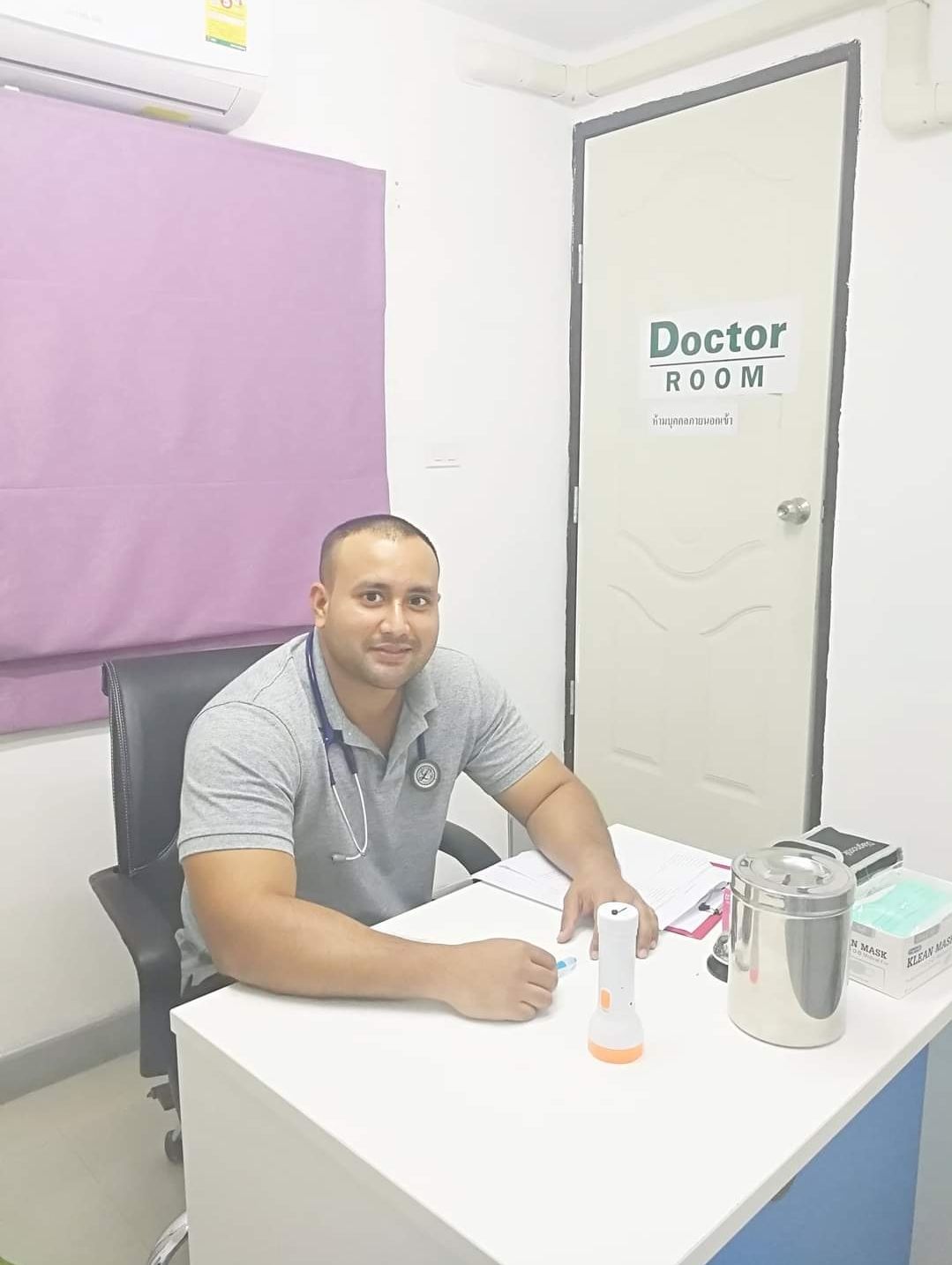
Dr. Ponlawat Pitsuwan is a physician at Doctor Bangkok, a private clinic in central Bangkok. He sees expats, residents, and medical tourists for general medicine, wellness consultations, and IV therapy. His focus is straightforward, evidence-based care delivered in plain language.