
Clinically reviewed by Dr. Ponlawat Pitsuwan, Physician, Doctor Bangkok. Last reviewed: September 2026
Most of what Bangkok clinics market as "stem cell surgery" is not surgery at all. It is an IV infusion. True stem cell surgery involves harvesting cells from your own body through a procedure, such as drawing from bone marrow or removing a small amount of fat tissue. Both approaches exist in Bangkok, but they are not the same thing, and confusing the two can lead to unrealistic expectations and poor decisions. If you are considering either route, an independent consultation before you commit is the smartest first step.
I had a patient recently, a British expat managing knee pain for two years, who came in with a printout from a Bangkok stem cell clinic. The quote was THB 450,000. He wanted to know if it was real, if it was safe, and whether it would actually work. Those are exactly the right questions.
Stem cell treatment has genuine science behind it. It also has a lot of marketing behind it. Bangkok is one of Asia’s leading destinations for regenerative medicine, which means the good providers and the questionable ones are both operating here. Before you book anything, you need to understand what is actually being offered and what a responsible clinic looks like.

Stem Cell Surgery vs Stem Cell Therapy: What Is the Difference?
This distinction matters, and almost no clinic explains it clearly.
Stem cell surgery means a procedure with an actual surgical component. A doctor takes cells from your own body, usually from bone marrow in your hip or from fat tissue in your abdomen, processes them, and delivers them back to the target area. There is a harvest step. It requires anaesthesia, sterile technique, and real recovery time.
Stem cell therapy, as most Bangkok clinics use the term, means an IV drip of donor cells, usually umbilical cord stem cells. No cutting. No harvesting. You sit in a chair and receive an infusion over a few hours. Most patients go back to their hotel the same day.
Both can be appropriate depending on your condition. But calling an IV drip "surgery" is misleading, and some clinics do exactly that. Know what you are actually buying before you agree to anything.
Types of Stem Cells Used in Bangkok
Mesenchymal Stem Cells from Bone Marrow
Bone marrow-derived stem cells are the most studied type in regenerative medicine. Harvesting them requires a procedure under sedation. They are typically used for joint repair, orthopaedic conditions, and some autoimmune applications. Evidence for their use in knee osteoarthritis is moderate and continuing to develop.
Adipose-Derived Stem Cells and Stromal Vascular Fraction
Fat tissue is a rich source of stem cells. A small liposuction-style procedure removes fat from the abdomen or thigh, and the cells are extracted alongside stromal vascular fraction, a mix of stem cells and supportive tissue. This is a true surgical procedure. Recovery is mild but real, and it typically involves a few days of soreness at the harvest site.
Umbilical Cord Stem Cells
These cells come from donated cord tissue after healthy births. They come from a donor rather than your own body. No surgical harvest is needed on the patient’s side. They are delivered by IV infusion. This is the most common offering across Bangkok’s private stem cell clinics, and the quality of the cells varies significantly between providers.

Conditions Commonly Treated with Stem Cell Procedures in Bangkok
Joint pain and osteoarthritis get the most attention, and for good reason. Moderate evidence supports stem cell-based treatments for knee and hip degeneration, particularly when surgery is not yet warranted but standard options have stopped working. This is the area with the most credible data behind it.
Anti-aging and immune modulation protocols are popular among Bangkok’s expat and medical tourist population. The evidence here is weaker and largely based on small, early-stage studies. That does not mean these protocols are useless, but realistic expectations matter. Dramatic promises are a warning sign, not a selling point.
Neurological conditions and autoimmune diseases are areas where research is active but results are inconsistent. Some patients see meaningful benefit. Others do not. Any clinic claiming a cure for MS, Parkinson’s, or similar conditions is overstating what the current evidence supports.
What to Expect Before, During, and After Stem Cell Treatment
A responsible clinic starts with pre-treatment health screening. Before anything else, you need a blood panel covering organ function, infection markers, and contraindications such as active cancer. A clinic that skips this step is cutting corners, and that is a red flag worth acting on.
If you are having an autologous procedure, such as a fat or bone marrow harvest, expect a short same-day or next-day appointment, some soreness at the harvest site for a few days, and a follow-up injection or infusion shortly after. If you are receiving donor cells by IV, the treatment day is straightforward. Mild flu-like symptoms in the following 24 to 48 hours are common for some patients.
After treatment, you need a follow-up plan. If you are flying home within a week, make sure you know who to contact if something changes. The IV route carries a small risk of delayed immune reactions, and leaving Bangkok without a clear point of contact is not a plan.
Risks, Realistic Expectations, and Red Flags to Avoid in Bangkok
The most common side effects are mild: low-grade fever, fatigue, and soreness at the injection or harvest site. Serious adverse events are rare in properly run settings, but they are not zero, and long-term data for many protocols is still limited.
A clinic that cannot tell you exactly where their cells come from is not one you should trust. No GMP-certified laboratory in their supply chain is a serious concern. Pressure to pay before a full consultation, or no clear informed consent process, are both warning signs. Guaranteed outcome claims and prices that seem too low to cover proper lab processing are also red flags. In Bangkok’s stem cell market, cheap rarely means good value.
How to Choose a Safe Stem Cell Provider in Bangkok
The physician must be licensed and identifiable. Anonymous specialists are not acceptable. Ask for the lab certification. GMP-certified standards mean cells are processed under controlled, audited conditions. Ask about the cell source. Whether autologous or donor-derived, it should be documented and screened.
The clinic should require pre-treatment bloodwork before accepting you as a patient. Any facility that skips this step is not running a complete programme. Ask about follow-up too. A single infusion with no plan for reassessment is not thorough care.
Doctor Bangkok does not administer stem cell therapy directly. What we provide is independent pre-treatment consultation: reviewing your history, flagging contraindications, helping you understand what questions to ask, and referring to trusted providers where appropriate. That independent step is worth more than most patients realise before they commit to a THB 400,000 programme.
Stem Cell Surgery Costs in Bangkok: What to Realistically Budget
| Treatment Type | Approximate Cost (THB) | Surgical Component? |
|---|---|---|
| UC-MSC IV infusion (single session) | 80,000 – 250,000 | No |
| Adipose-derived stem cells (ADSC/SVF) | 200,000 – 600,000 | Yes (fat harvest) |
| Bone marrow-derived stem cell therapy | 300,000 – 800,000 | Yes (marrow aspiration) |
| Multi-session premium programmes | 800,000 – 1,300,000+ | Varies |
Bangkok prices are generally 30 to 60 percent lower than comparable programmes in the US, UK, or Australia. That gap is real. But the lowest quote is not always the best deal. Ask what is included: pre-screening bloodwork, cell processing, follow-up visits, and any supporting therapies that some clinics bundle into the programme.
Getting an Independent Consultation Before You Commit
This is the step most patients skip, and the one that matters most.
A stem cell clinic has a financial interest in selling you a programme. An independent physician does not. Before you spend THB 200,000 or more, sit with a doctor who can review your full medical history, check for contraindications, and give you an honest read on whether what is being offered makes clinical sense for your situation.
If you are in Bangkok, whether you live here or have flown in for this specifically, Doctor Bangkok offers general medical consultations in English with no ties to any stem cell provider. We can review your existing records, run preliminary bloodwork if needed, and give you a straight clinical opinion before you sign anything.
Thinking about stem cell treatment in Bangkok? Before you commit to any clinic or programme, book an independent consultation at Doctor Bangkok. Our English-speaking physicians review your medical history, flag contraindications, and help you ask the right questions, with no financial interest in selling you a stem cell package. We are BTS accessible in central Bangkok and available to expats, residents, and medical tourists. Contact us to book your pre-treatment consultation.
FAQ
Dr. Ponlawat Pitsuwan
Physician, Doctor Bangkok
a private medical clinic in central Bangkok. He sees expats, residents, and medical tourists for general medical consultations, pre-treatment health assessments, and independent clinical reviews, including for patients considering regenerative medicine programmes. His focus is straightforward, evidence-based care delivered in plain language.
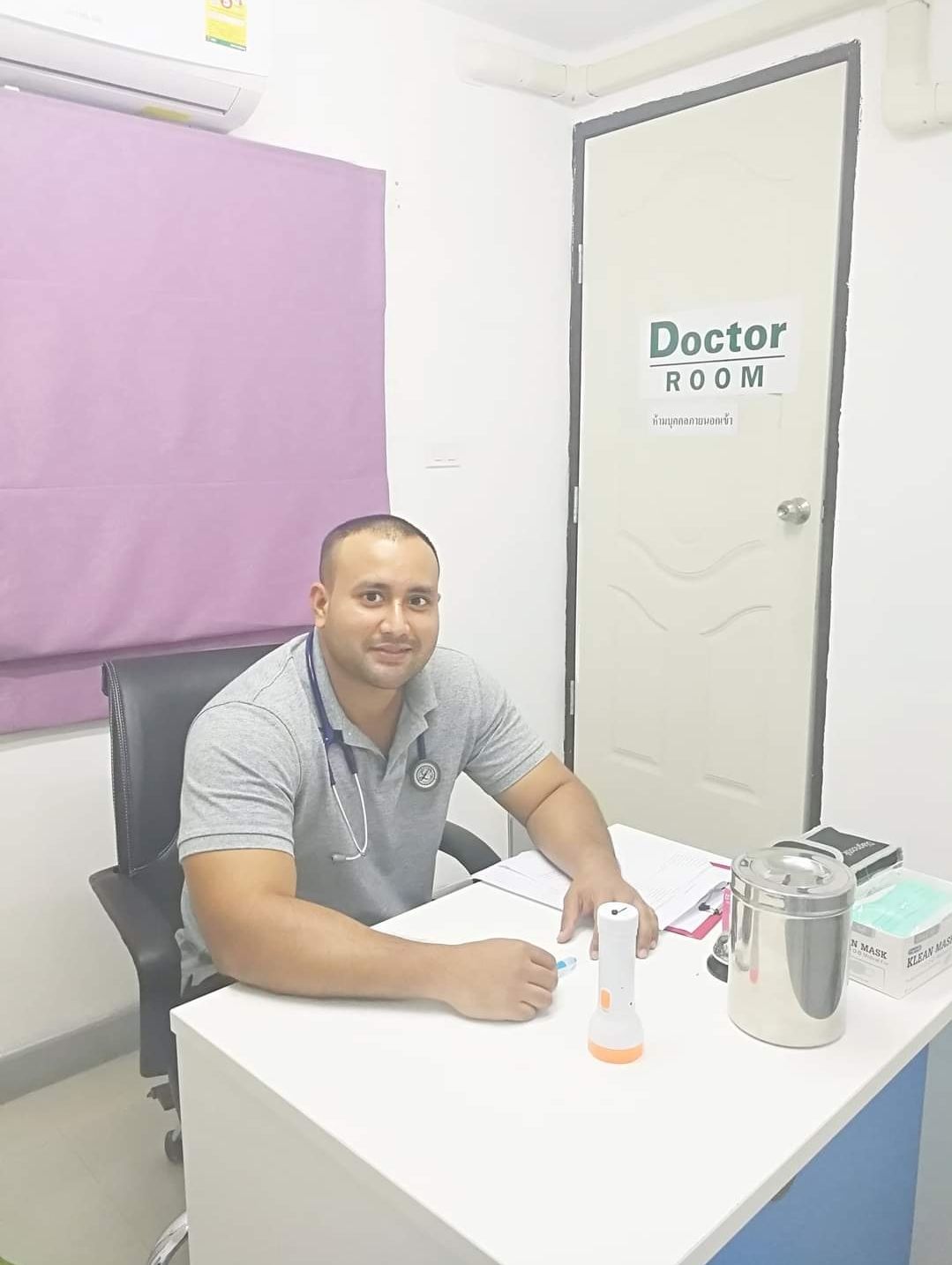
Dr. Ponlawat Pitsuwan is a physician at Doctor Bangkok, a private clinic in central Bangkok. He sees expats, residents, and medical tourists for general medicine, wellness consultations, and IV therapy. His focus is straightforward, evidence-based care delivered in plain language.