
Clinically reviewed by Dr. Ponlawat Pitsuwan, Physician, Doctor Bangkok. Last reviewed: September 2026
Stem cell therapy success rates vary widely depending on the condition being treated, the type of cells used, and the clinical setting. For blood cancers treated with hematopoietic transplants, long-term survival rates are well-documented. For anti-aging and orthopedic applications, the evidence is still building. Before starting any programme in Bangkok, an independent physician consultation helps you understand what realistic outcomes look like for your specific situation.
I see at least a few patients a month who have already paid a deposit at a stem cell clinic before anyone has reviewed their medical history. They arrive at Doctor Bangkok with a folder of brochures, a vague promise of "up to 90% success," and no clear idea what that number actually means for them. That is the gap this article addresses.
Stem cell therapy is not one treatment. It covers bone marrow transplants for blood cancers, joint injections for knee pain, and intravenous infusions marketed for longevity. The side effect profile, the evidence base, and the meaning of "success" are completely different across these applications. If you are weighing up whether to proceed, here is what you actually need to know.

What "Success Rate" Actually Means in Stem Cell Therapy
The phrase gets used constantly and defined almost never. Before any percentage means anything to you, ask what is being measured. Is it survival at five years? Pain reduction on a scoring scale? A return to normal joint function? A blood marker improving on a lab report?
A clinic citing "75% success" for knee osteoarthritis may mean that 75% of patients reported less pain at six months. That is not the same as saying 75% avoided surgery, or that cartilage visibly regenerated. The distinction matters when you are making a real decision.
Most stem cell applications outside of blood cancer treatment are still investigational. That word matters. It means the treatment shows enough promise to be offered, but does not yet have the full body of large-scale clinical trial data that supports a standard medication. Honest clinicians say this upfront.
Stem Cell Therapy Success Rates by Condition
For blood cancers, the evidence is strongest. Hematopoietic stem cell transplants, which rebuild a patient’s immune system after high-dose chemotherapy, have decades of data behind them. Five-year survival figures for acute myeloid leukaemia range broadly by disease stage and donor match, but rates in the region of 50 to 70% appear in peer-reviewed literature for patients who reach transplant. This is hospital-level medicine, not a wellness clinic offering.
For knee osteoarthritis, the picture is more varied. Several trials show meaningful functional improvement in mild to moderate disease. Results in severe, bone-on-bone arthritis are much less consistent. If your imaging shows advanced damage, manage your expectations before you commit.
For autoimmune conditions, some of the most cited data comes from Crohn’s disease trials, where certain cell therapies have shown remission in roughly half of treated patients. For neurological conditions including MS, trials are still in early phases and functional improvement data remains limited.
For anti-aging and longevity protocols, the honest answer is that the evidence base is thin. Some patients notice improvements in energy or general wellbeing, and those reports are real. But controlled clinical data that lets us say "X% of patients improved by Y measure" does not yet exist at scale. Clinics citing specific success rates for anti-aging stem cell therapy are almost always using marketing language, not published research.

Approved vs. Experimental: A Distinction Most Clinics Skip
Hematopoietic stem cell transplantation is approved and regulated globally. It is performed in major hospitals under strict protocols. Everything else you will encounter at a private clinic in Bangkok, including mesenchymal stem cells, umbilical cord-derived stem cells, and IV longevity infusions, sits in the investigational category. That does not mean it is unsafe. It means you should enter with open eyes.
Phase I trials test safety. Phase II trials look at early results. Phase III trials, the gold standard, test whether a treatment outperforms existing options in large populations. Most MSC therapies for orthopedic and anti-aging use are at phase I or II. Some have not yet entered formal trials at all.
Patients sometimes ask whether the lack of full approval means they should not proceed. My answer is usually this: it depends on what you are treating and what you are hoping for. For a life-threatening blood cancer, you go to a hospital transplant programme with established data. For early knee pain or a longevity protocol, the risk-benefit calculation is more personal.
Factors That Shape Your Personal Outcome
Disease stage is probably the single biggest variable. Stem cell therapy tends to perform better earlier, before significant structural damage has occurred. Patients who come in after years of deferring treatment, which I see often in the expat community here, sometimes face a narrower window of benefit.
Biological age, overall health, and the absence of contraindications all influence outcomes. So does cell viability and dosage. The quality of the laboratory preparing your cells matters as much as the physician administering them. A GMP-certified laboratory, one that meets pharmaceutical-grade manufacturing standards, is the baseline you should expect.
Your immune status, current medications, and any prior treatments all affect how your body responds. This is exactly why a pre-treatment consultation with an independent physician, someone without a financial stake in the specific protocol being sold to you, is not optional.
Stem Cell Therapy Regulation in Thailand
Thailand regulates stem cell therapy through the Thai Food and Drug Administration and the Thai Medical Council. Licensed physicians must be involved, and facilities must meet regulatory standards. But the level of oversight in a hospital transplant programme and a private wellness clinic offering cosmetic infusions is not identical.
Ask any clinic you consider whether their programme operates under Thai FDA oversight and whether the treating physician holds a Thai Medical Council licence. A reputable clinic answers this without hesitation.
Red Flags When Choosing a Stem Cell Clinic in Bangkok
The first thing to look for is how a clinic talks about success rates. If someone gives you a specific percentage without explaining what they are measuring or which study they are citing, treat that as a warning sign.
Other red flags: pressure to pay upfront in full before a proper medical assessment, claims that the therapy cures conditions without qualification, no mention of side effects or contraindications, and no discussion of what happens if results fall short. Clinics that cannot tell you whether their cells come from a GMP-certified laboratory are also worth avoiding.
The biggest mistake I see is patients arriving in Bangkok already committed to a programme they found online, because the website was polished and the testimonials were convincing. A compelling website is not a clinical outcome.
What Side Effects to Actually Expect
For IV stem cell infusions, most patients experience very little acutely. Mild fatigue for a day or two is common. Some notice a low-grade headache or a feeling of warmth during the infusion itself. These are short-lived.
For joint injections, some localised swelling and soreness at the injection site is normal for the first few days. This is your body responding to the procedure, not a sign something has gone wrong.
More serious side effects are rare but real. Fever within 24 to 48 hours after an infusion warrants assessment. Unusual pain, redness spreading beyond the injection site, or any signs of systemic reaction such as difficulty breathing or severe chills are not normal and need prompt attention.
If you are recovering in Bangkok and something feels off, Doctor Bangkok offers same-day consultations for exactly this kind of post-treatment assessment.
Why an Independent Consultation Matters Before You Commit
Most patients who come to me before a stem cell programme want the same thing: someone to tell them honestly whether they are a good candidate and whether the claims they have been shown are realistic. That is a completely reasonable thing to want, and it is what a pre-treatment assessment at Doctor Bangkok is for.
We review your medical history, your current medications, any conditions that could affect how you respond, and what questions you should be asking the clinic providing the cells. We do not have a financial stake in which protocol you choose. That independence is the point.
Some patients also ask about combining stem cell sessions with IV drip protocols, including NAD+ therapy or high-dose vitamin C, as part of a broader wellness programme during their Bangkok stay. Early data on individual therapies like NAD+ IV is supportive, but evidence for the combined approach is limited. Discuss timing and sequencing with your treating physician rather than assuming more is automatically better.
Considering stem cell therapy in Bangkok? Talk to us before you book. Doctor Bangkok offers independent medical consultations for expats and medical tourists across central Bangkok. We review your history, help you understand the evidence for your specific condition, and make sure you are asking the right questions before you commit to any programme. We are BTS accessible with English-speaking physicians available on short notice. Contact Doctor Bangkok to arrange a pre-treatment assessment.
What is a realistic stem cell therapy success rate for knee pain in Bangkok?
For mild to moderate knee osteoarthritis, some trials show a majority of patients reporting meaningful pain reduction at 12 months. Results in severe joint disease are much less consistent. No physician can give you a personal success prediction without reviewing your imaging and your full health history.
Is stem cell therapy legal in Thailand?
Yes, when performed by a licensed physician at a facility regulated by the Thai FDA and Thai Medical Council. The regulatory framework is in place, but the level of oversight differs between hospital transplant programmes and private wellness clinics. Always confirm licensing before you proceed.
What is the difference between approved and experimental stem cell therapy?
Bone marrow transplants for blood cancers are approved, with decades of clinical data behind them. Most MSC infusions for anti-aging, orthopedic, or cosmetic purposes are still investigational, meaning they show promise but lack full large-scale trial validation. That changes what you should realistically expect from them.
Should I get a consultation before booking stem cell therapy in Bangkok?
Yes, and it is not a step worth skipping. An independent physician can review your medical history, flag any contraindications, and help you evaluate the claims a clinic is making, without any financial reason to steer you toward a particular product or protocol.
I am planning stem cell therapy while staying near Sukhumvit. Can I get a pre-treatment consultation the same week?
Yes. Doctor Bangkok is BTS accessible from Sukhumvit and offers consultations on short notice. If you are combining medical tourism with a short Bangkok stay, same-week appointments are generally available. Contact us directly to check current availability.
Can I combine stem cell therapy with IV drip treatments in Bangkok?
Many clinics offer combination protocols including NAD+ infusions and high-dose vitamin C alongside stem cell sessions. Early data on individual therapies is supportive, but evidence for the combined approach is limited. Discuss timing and sequencing with your treating physician rather than assuming combinations automatically improve outcomes.
What side effects should I watch for after a stem cell infusion?
Mild fatigue and a low-grade headache for a day or two are common and not a cause for concern. Fever within 48 hours, spreading redness at an injection site, or any difficulty breathing are not normal and warrant same-day medical assessment. Doctor Bangkok can see you for post-treatment review if you are recovering in the city.
Dr. Ponlawat Pitsuwan
Physician, Doctor Bangkok
a private medical clinic in central Bangkok. He consults with expats, residents, and medical tourists on general medicine, pre-treatment assessments, and health evaluations related to regenerative medicine and wellness therapies. His approach is direct, evidence-based, and delivered in plain language.
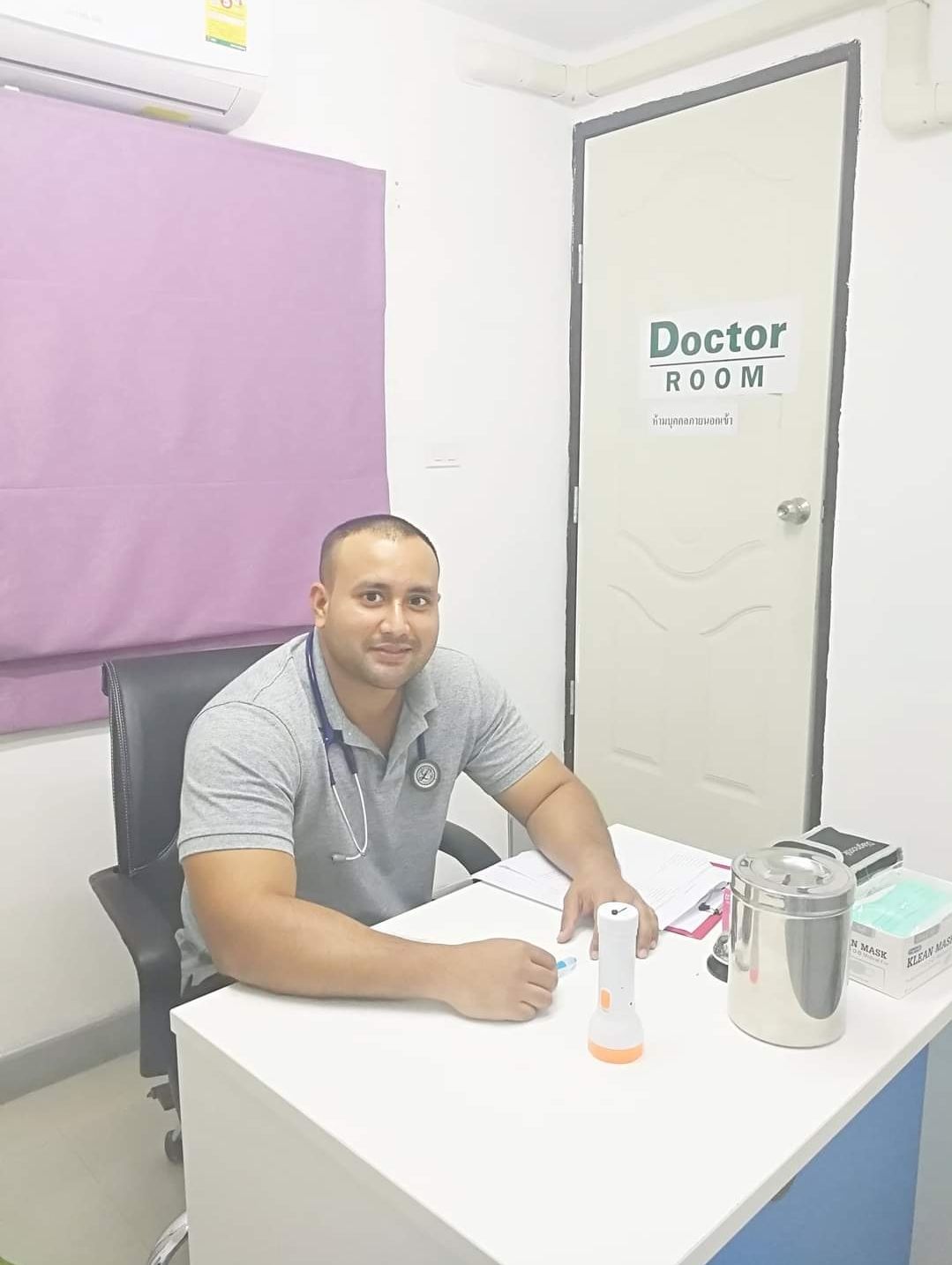
Dr. Ponlawat Pitsuwan is a physician at Doctor Bangkok, a private clinic in central Bangkok. He sees expats, residents, and medical tourists for general medicine, wellness consultations, and IV therapy. His focus is straightforward, evidence-based care delivered in plain language.