
Clinically reviewed by Dr. Ponlawat Pitsuwan, Physician, Doctor Bangkok. Last reviewed: September 2026
Stem cell therapy carries real risks that most clinics do not volunteer upfront. Common side effects include fever, injection site pain, and fatigue, which usually resolve within days in a properly run clinic. More serious risks, including immune reactions, infection, and in rare cases tumour formation, are real but largely tied to cell quality, administration route, and clinic standards. Before committing to any provider in Bangkok, a clinical consultation is the right first step.
Every week I see patients who have already decided they want stem cell therapy before they have spoken to a doctor. They have a clinic shortlisted and they want me to confirm it is fine. What they have usually not found, because most clinic websites do not publish it clearly, is a straight account of what can go wrong and why.
This is that account. Not to scare you off the treatment, but because understanding the real risk profile is the only way to make a sound decision. That is especially true in Bangkok, where the gap between an excellent stem cell clinic and a dangerous one is not always obvious from the outside.

What Most Clinics Mean When They Say "Stem Cell Therapy"
The term covers very different treatments. In Bangkok’s private wellness market, you are almost always looking at mesenchymal stem cells, usually UC-MSCs derived from umbilical cord tissue. These are adult cells. They are not embryonic or pluripotent, and that distinction matters because the risk profiles are genuinely different.
A lot of the alarming information you find online describes transplants used in cancer treatment, not the IV infusion or injection-based therapy you are likely considering. Knowing which type of cell you are being offered, and where those cells come from, is the first clinical question you should ask. If a clinic cannot answer it clearly, that is your first red flag.
Stem Cell Therapy Side Effects You Should Expect
Most people who receive MSC-based therapy in a properly run clinic experience mild, short-lived effects. Injection site soreness, low-grade fever, fatigue, and temporary headache are the most common. These typically settle within 48 to 72 hours.
A moderate response, meaning fever above 38 degrees Celsius, more significant fatigue, or noticeable swelling at the injection site, warrants a call to your clinic. It does not automatically mean an emergency, but it needs assessment.
When the Route of Administration Changes the Risk
How cells are delivered matters as much as what cells are used. IV infusion carries different risks than a direct joint or tissue injection. With IV delivery, the main concerns are a temporary inflammatory response causing fever and flu-like symptoms, reactions to DMSO, the agent used to preserve cells, and in rare cases cells aggregating in the lungs.
Direct injection carries lower systemic risk but local risks instead: swelling, bruising, and infection at the site. Most Bangkok clinics favour IV infusion for systemic and anti-ageing applications. Make sure you know which route your clinic is using and why.
Rare but Serious Stem Cell Therapy Risks Worth Knowing
Graft-versus-host disease, where donor cells attack the recipient’s own tissue, is a genuine risk with allogeneic therapy. MSCs carry low rejection risk because of their immune-tolerant properties, but the risk is not zero, particularly if laboratory standards are poor.
Tumour formation is the risk that frightens people most. To be clear: teratoma formation is primarily associated with pluripotent or embryonic stem cells, not well-characterised adult MSCs. But even adult cells carry an elevated risk if they come from cells that have been grown through too many replication cycles, which can cause genetic instability. GMP-certified laboratory sourcing and low passage numbers are not marketing language. They are the markers that actually separate a safe preparation from a risky one.
Who Should Not Have Stem Cell Therapy
This section does not exist on most clinic websites, and that is a problem. There are clear reasons certain patients should not proceed, and if your clinic does not screen for them, walk away.
Active cancer or a recent cancer history is the primary contraindication. Active systemic infection, uncontrolled autoimmune flares, pregnancy, severe organ dysfunction, and certain blood disorders also require careful evaluation before any treatment. At Doctor Bangkok, patients enquiring about stem cell therapy go through a clinical consultation and full health assessment before we discuss protocols. That is the minimum standard of care, not a formality.
The Bangkok Context: What Makes a Clinic Safe or Dangerous
Thailand has some excellent regenerative medicine facilities. It also has a significant number of clinics operating without meaningful oversight. Regulation of advanced cell therapies remains inconsistent across private providers in Bangkok. This is what stem cell tourism looks like in practice: variable quality, minimal accountability, and patients who often do not know what they were actually given.
The markers that actually matter when evaluating a Bangkok clinic are GMP-certified laboratory sourcing, a disclosed passage number for the cells used, documented cell viability at the time of administration, physician-led protocols, and a clear post-treatment monitoring plan. A clinic that cannot or will not disclose these is not one you should trust with this treatment.
What to Expect After Treatment
In the first 48 hours, mild fever, fatigue, and injection site tenderness are normal. Rest, stay hydrated, and avoid alcohol and strenuous exercise.
By day three to five, most people feel back to baseline or better. If fever persists above 38.5 degrees Celsius past 48 hours, or you develop significant swelling, breathlessness, chest pain, or any neurological changes, contact your clinic immediately. Breathlessness or chest tightness after an IV infusion needs emergency assessment, not a wait-and-see approach.
By day seven, if you are still symptomatic in any meaningful way, you need a follow-up review. Side effects from MSC therapy should not drag on for weeks. If they do, something needs investigating.
Questions to Ask Before You Commit
Ask where the cells come from and what type they are. Ask for the passage number and cell viability percentage at the time of administration. Ask whether the cells were produced in a GMP-certified laboratory.
Ask which physician will oversee your treatment and what the follow-up protocol looks like. Ask what happens if you have an adverse reaction. If any of these questions are met with vagueness or a pivot to marketing language about the most advanced cells available, that is your answer. Informed consent requires a clinic to actually inform you.
Thinking about stem cell therapy in Bangkok and want an honest clinical opinion first? At Doctor Bangkok, we offer medical consultations for patients considering regenerative treatments. We will review your health history, explain the risks clearly, and tell you whether treatment is appropriate for you, not just whether it is available. We are BTS-accessible in central Bangkok with English-speaking physicians. Book a consultation with Doctor Bangkok before you commit to any provider.
Frequently Asked Questions
Dr. Ponlawat Pitsuwan
Physician, Doctor Bangkok
a private medical clinic in central Bangkok. He sees expats, residents, and medical tourists considering regenerative and wellness therapies, including patients seeking clinical guidance before committing to stem cell treatment in Thailand. His focus is straightforward, evidence-based care delivered in plain language.
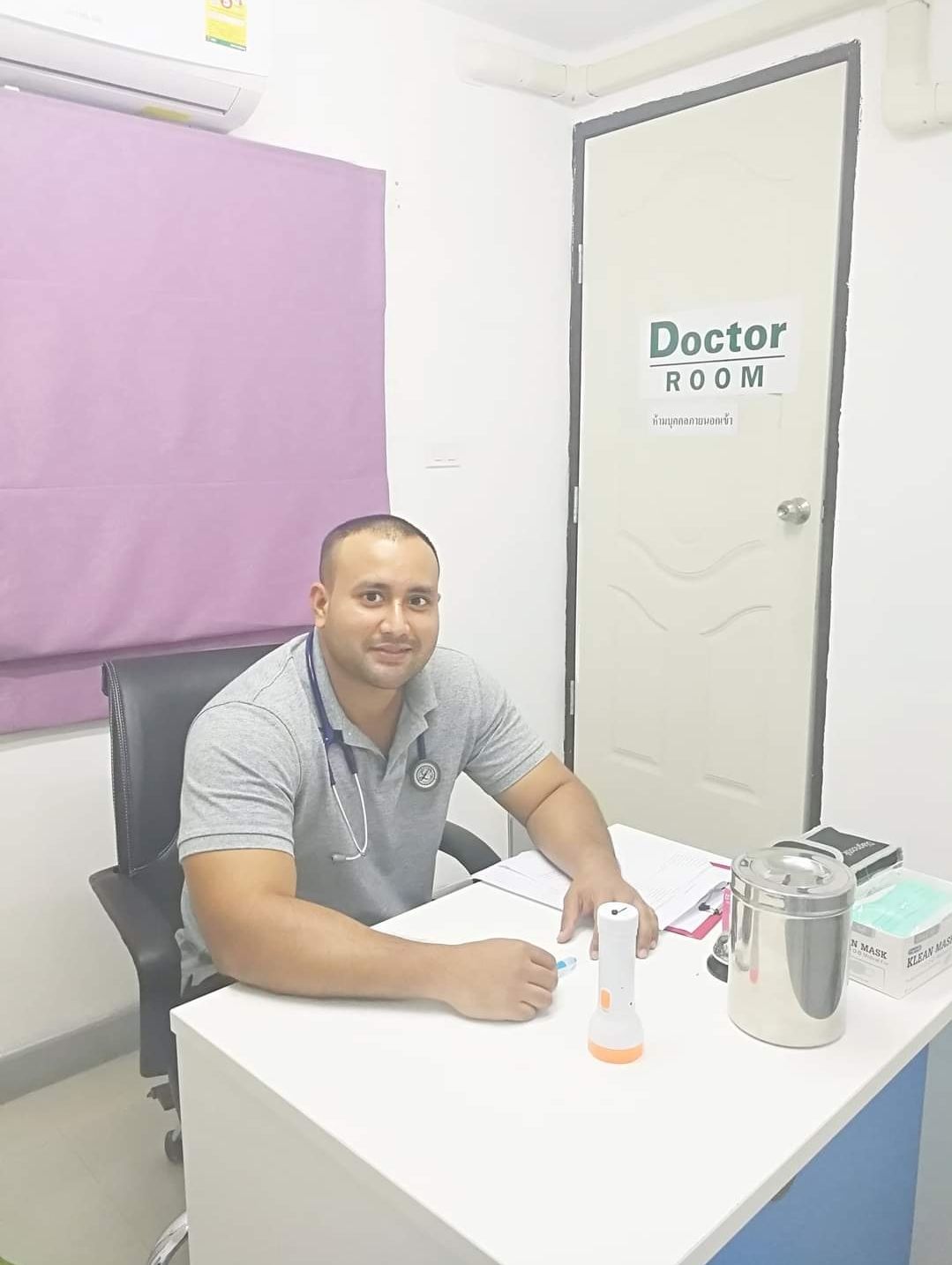
Dr. Ponlawat Pitsuwan is a physician at Doctor Bangkok, a private clinic in central Bangkok. He sees expats, residents, and medical tourists for general medicine, wellness consultations, and IV therapy. His focus is straightforward, evidence-based care delivered in plain language.