
Clinically reviewed by Dr. Ponlawat Pitsuwan, Physician, Doctor Bangkok. Last reviewed: September 2026
The disadvantages of stem cell therapy include immune rejection, serious infection risk, and tumour formation in some cell types. In Bangkok, expats face additional risk from clinics operating outside Thai FDA oversight, no insurance coverage if things go wrong, and no reliable way to verify whether a protocol is scientifically sound. Most commercial stem cell packages sold in this city are not backed by strong clinical evidence.
I get asked about stem cell therapy at least once a week, usually from someone who has already received a quote from a wellness centre nearby. They want to know if it is safe. They want a second opinion from a doctor who is not trying to sell them a package. That is exactly the right instinct.
The honest answer is this: some stem cell treatments are genuinely established and backed by decades of evidence. Most of what is being marketed commercially in Bangkok does not fall into that category. Before you commit to any protocol, you need to understand what the disadvantages of stem cell therapy actually are, and why those risks are amplified when you are far from home.
What Stem Cell Therapy Is — and What It Is Not
There is a wide gap between what the term covers clinically and what clinics use it to mean in their brochures.
Bone marrow transplants for blood cancers are a well-established form of stem cell therapy. They are performed in accredited hospitals, backed by decades of clinical trials, and carefully regulated. That is not what most commercial clinics in Bangkok are offering.
What wellness clinics here typically sell involves mesenchymal stem cells or similar cell products, infused for anti-aging, joint repair, neurological conditions, or general wellness. The evidence base for these applications is limited to moderate at best. Regulation is inconsistent.
If a clinic cannot tell you clearly which cell type they are using, that already tells you something important.
The Disadvantages of Stem Cell Therapy — What I Tell Patients Directly
The risks are real and they are not rare. Here is what concerns me most clinically.
Immune rejection is a significant risk when cells come from a donor rather than the patient. Your immune system may treat those cells as foreign and attack them. In serious cases this leads to graft-versus-host disease, where the introduced cells begin attacking your own tissues.
Infection risk is high when cells are not processed in a GMP-certified laboratory. GMP, or Good Manufacturing Practice, is the international standard for preparing biological materials safely. Without it, contamination is a genuine possibility. I have seen patients come in after treatments at unverified clinics with fevers and, in some cases, systemic illness.
Tumour formation is the risk that concerns me most with certain cell types. Pluripotent stem cells carry a documented risk of forming tumours if they do not differentiate correctly after being introduced into the body. This is why these cell types remain under strict research conditions internationally.
Incorrect differentiation is another concern. Cells introduced into the body do not always behave as intended. If they develop into the wrong tissue type, the outcomes can be unpredictable and harmful.
Drug interactions are also underappreciated. Patients on immunosuppressants, certain blood thinners, or biologics face higher procedural risk. Most commercial clinics do not conduct the kind of full medication review that a proper clinical consultation includes.
Why the Risk Profile Depends on the Cell Type
Not all stem cells carry the same risks. The type being used matters enormously.
Mesenchymal stem cells from bone marrow or fat tissue are the most common in commercial protocols. They carry a lower tumour risk than pluripotent cells, but still carry real immune and infection risks, particularly when sourced from donors. Exosomes, which are cell-derived particles sometimes marketed alongside stem cell therapy, have even less clinical evidence and their safety profile is still being studied.
Embryonic stem cells and induced pluripotent stem cells carry higher tumour risk. They are more powerful and less predictable. Legitimate research using these cell types operates under strict institutional oversight. You will not find them being offered responsibly in a commercial wellness setting.
The cell type being used should be the first question you ask any clinic.
The Problem With How These Therapies Are Marketed
Most stem cell therapy sold commercially in Bangkok is investigational. That means it has not completed the clinical trial process needed to confirm it is both safe and effective for the condition being treated.
The marketing is often persuasive. Patient testimonials, before-and-after claims, celebrity endorsements. None of this is clinical evidence. When a clinic cannot point you to peer-reviewed data, a registered trial, or Thai FDA approval for the specific protocol they are offering, those gaps matter.
I am not against stem cell research. Some of what is coming through clinical trials is genuinely promising. But promising research and a commercially sold package are not the same thing, and the difference can cost you your health.
Bangkok-Specific Risks Expats and Medical Tourists Must Know
Thailand has had documented cases of harm from unregulated stem cell clinics. These are not rumours. They have been reported in medical literature and in the Thai press, involving infections, organ complications, and in some international cases, death following treatment received in Southeast Asia.
The Medical Council of Thailand has historically restricted most stem cell therapies outside of established bone marrow transplant procedures. Despite this, enforcement is uneven. Clinics continue to operate in a grey zone, marketing aggressively to medical tourists who do not know how to verify what they are being offered.
Cell viability is a practical issue here too. Cells lose viability, meaning fewer remain alive and functional, during transport and handling. If a clinic is not processing cells in-house under GMP conditions, what is being introduced into your body may already be compromised.
The financial exposure is also real. Most international health insurance policies exclude unapproved or experimental biologics. If you develop a complication after an unregulated treatment, you are paying for that hospitalisation yourself. I have spoken to patients who only discovered this after they needed care.
How to Evaluate a Stem Cell Clinic in Bangkok Before You Commit
These are the questions to ask before agreeing to anything.
Ask for the treating physician’s licence number and verify it through the Medical Council of Thailand. It is a public database and takes five minutes. Ask for the GMP laboratory certification, including the specific accreditation body and number. Ask for the IRB approval number for the protocol being offered. If it is a clinical trial, it should be registered on ClinicalTrials.gov or the Thai Clinical Trials Registry.
If any of these documents are not provided openly, treat that as a red flag. Legitimate centres share this information without hesitation. If a clinic quotes you a package price before completing a clinical assessment of your specific condition, that is another red flag. Medical treatment is not sold in packages.
The most useful step before committing to anything is an independent consultation with a physician who has no financial stake in the outcome. At Doctor Bangkok, that is exactly what we offer: a thorough clinical review of your history, current medications, and whether any stem cell protocol makes medical sense for your situation.
Evidence-Based Alternatives Worth Discussing First
For many of the conditions people pursue stem cell therapy for, there are lower-risk options with a stronger evidence base.
For fatigue, cellular health, and recovery, IV nutritional therapy has moderate evidence for supporting specific deficiencies and is available at Doctor Bangkok under physician supervision. NAD+ IV therapy has gained legitimate clinical interest for cellular energy and recovery without the immune or tumour risks associated with cell-based treatments. For joint and musculoskeletal concerns, physiotherapy and targeted anti-inflammatory protocols often deliver meaningful results without the complexity or cost of a cell-based intervention.
These are not presented as doing the same thing as stem cell therapy. But they are rational, evidence-backed starting points that do not expose you to the risks above.
Get a Medical Opinion Before Booking Any Stem Cell Treatment
If you are already considering stem cell therapy and want an independent view before committing, book a general medical consultation first. This is not about talking you out of anything. It is about making sure you have the full clinical picture before you sign anything or pay anything.
A proper consultation will cover your full medical history, current medications, any contraindications, and what the evidence actually supports for your specific condition. That is the baseline you deserve before making this kind of decision, especially when you are far from home.
Thinking about stem cell therapy in Bangkok and want an honest medical opinion first? Doctor Bangkok offers independent general medical consultations with English-speaking physicians who have no commercial stake in any specific treatment. We will review your history, your medications, and what the evidence actually supports for your situation. Our clinic is centrally located in Bangkok, BTS accessible, and available for same-day appointments. Contact us to book your consultation before you commit to anything.
Is stem cell therapy legal and regulated in Bangkok?
It is legal under certain conditions, but regulation is uneven. Bone marrow transplants for blood disorders are well-established and properly regulated. Most commercial anti-aging and regenerative protocols exist in a grey area, and the Medical Council of Thailand has historically restricted these outside accredited hospital settings. Verify Thai FDA registration, GMP certification, and IRB approval before agreeing to any treatment.
What is the biggest risk of stem cell therapy at an unregulated clinic in Bangkok?
Infection from non-GMP cell processing is the most immediate risk. Beyond that, immune rejection, tumour formation from incorrectly differentiated cells, and organ complications have all been documented following treatment at unregulated clinics in Southeast Asia. If cells are transported rather than processed on-site, compromised cell viability adds further contamination risk.
Will my international health insurance cover complications from stem cell therapy in Thailand?
Almost certainly not. Most international health insurance policies explicitly exclude unapproved, experimental, or investigational biologics. If you develop a complication after an unregulated stem cell treatment, including any hospitalisation, you will be covering the cost yourself. Check your policy wording for exclusions around regenerative medicine before you travel for treatment.
I am considering a wellness clinic near Phrom Phong — how do I know if it is legitimate?
Ask for the physician’s Medical Council of Thailand licence number and check it yourself online. Ask for GMP lab certification with a specific accreditation number, and ask for the IRB approval for the protocol. If they quote you a package price before any clinical assessment of your condition, that is a serious red flag. Legitimate clinics do not work that way.
Should I get a consultation before booking stem cell therapy in Bangkok?
Yes, and it should be with a physician who is not selling you the treatment. An independent consultation should cover your full medical history, current medications, and a realistic assessment of what the evidence supports for your specific condition. Doctor Bangkok offers this kind of consultation with no commercial stake in any stem cell protocol.
Are there safer alternatives to stem cell therapy for fatigue and recovery in Bangkok?
For many patients, yes. IV nutritional therapy and NAD+ IV therapy have moderate clinical evidence for cellular support and recovery, without the immune or tumour risks that come with cell-based treatments. These are worth discussing with a physician before committing to a more complex and costly protocol.
Dr. Ponlawat Pitsuwan
Physician, Doctor Bangkok
a private medical clinic in central Bangkok. He sees expats, residents, and medical tourists for general medical consultations, pre-treatment assessments, and health checks. His focus is straightforward, evidence-based care delivered in plain language.
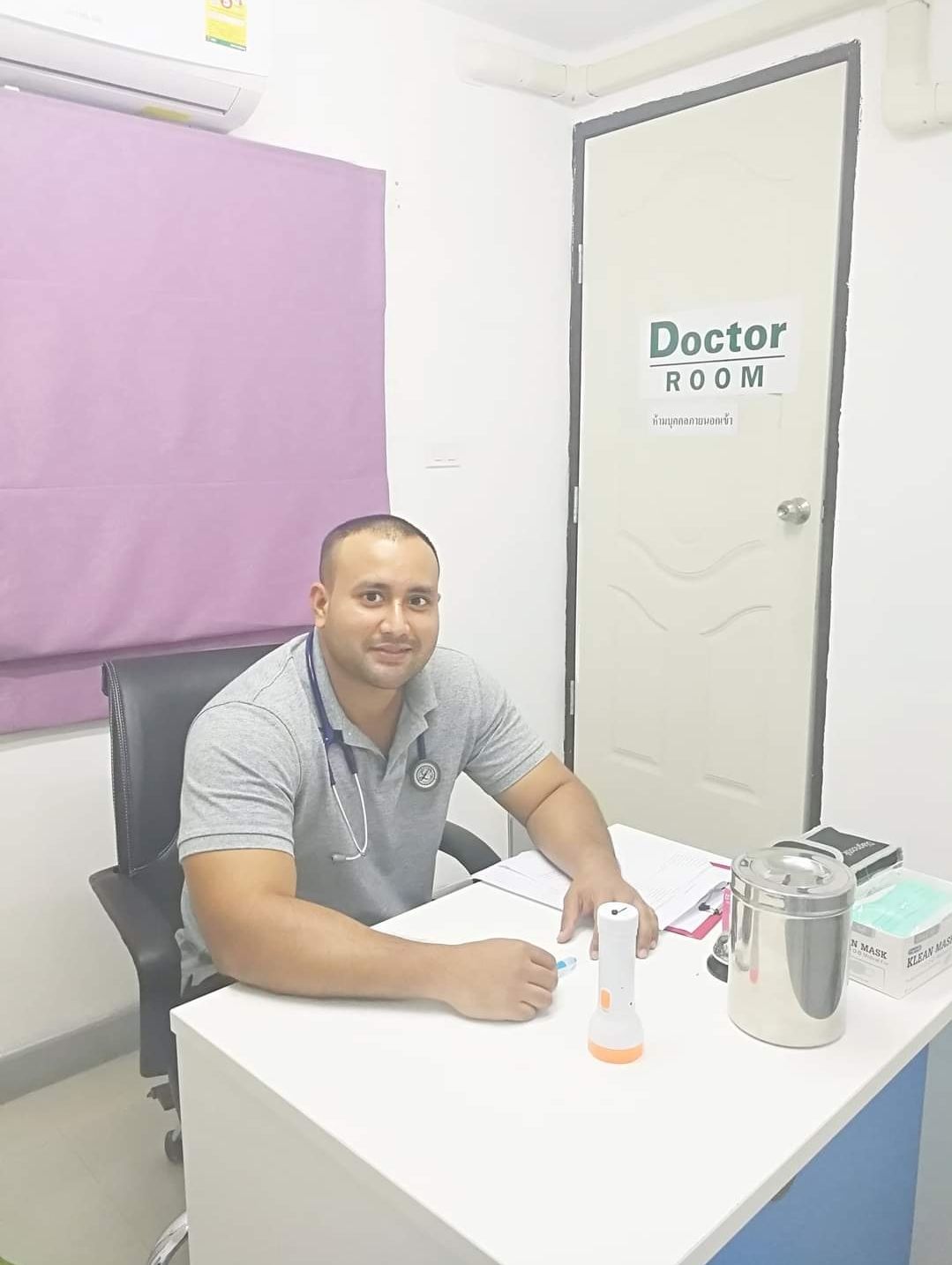
Dr. Ponlawat Pitsuwan is a physician at Doctor Bangkok, a private clinic in central Bangkok. He sees expats, residents, and medical tourists for general medicine, wellness consultations, and IV therapy. His focus is straightforward, evidence-based care delivered in plain language.