
Clinically reviewed by Dr. Ponlawat Pitsuwan, Physician, Doctor Bangkok.
Last reviewed: September 2026
Stem cell therapy has real clinical promise for certain conditions, but most applications are still investigational. The biggest risks come not from the science itself but from unregulated clinics, substandard cell production, and treatments marketed well beyond what the current evidence supports. Understanding the honest pros and cons before you commit is the most important step you can take.
I get asked about stem cell therapy at least once or twice a week. Usually it is an expat who has seen a clinic ad, done some Googling, and arrived with a mix of genuine hope and reasonable suspicion. The question is almost always the same: "Is this real, or is it just hype?"
The honest answer is both. Which one applies to you depends entirely on what condition you have, what treatment you are being offered, and who is offering it. This is not a brochure. It is a clear-headed breakdown of what the evidence actually shows.

What Stem Cells Actually Do
Most clinic marketing says stem cells "repair damaged tissue" and "reduce inflammation." That is true in a limited sense, but it skips something important. The type used in most Bangkok clinics, called mesenchymal stem cells, rarely transforms directly into new tissue inside your body. What they mostly do is send chemical signals that tell your own cells to reduce inflammation and slow down damage.
That distinction changes your expectations. You are not growing new cartilage overnight. You are, at best, creating conditions that support your body’s own repair process. For some patients, that is genuinely meaningful. For others, the effect is modest or unclear.
Types of Stem Cells and Why the Differences Matter
Not all stem cells are the same. The type being used affects both the risks and the likely outcomes.
Embryonic stem cells come from early human embryos. They carry significant ethical concerns and a higher risk of forming abnormal growths called teratomas. These are rarely used in clinical therapy today.
Adult mesenchymal stem cells, known as MSCs, are the most common type used in Bangkok and across Southeast Asia. They can be taken from bone marrow, fat tissue, or the umbilical cord tissue of healthy newborns. The umbilical cord source is popular because it requires no harvesting procedure from the patient and produces a consistent cell yield. The risk profile for MSC-based therapy is considerably lower than for other cell types, but quality still depends entirely on how the cells are produced.

Stem Cell Research Pros and Cons: Where the Evidence Is Encouraging
For blood-related conditions such as leukaemia and certain immune disorders, stem cell transplantation has strong, decades-long evidence behind it. Bone marrow transplants have been saving lives for a long time. This is established medicine, not experimental.
For joint conditions, autoimmune conditions, and some neurological diseases, the picture is more mixed. There is moderate early-phase trial evidence suggesting MSC therapy can reduce inflammation and slow disease progression in conditions like osteoarthritis. The results are promising enough to justify ongoing research but not strong enough to guarantee outcomes for any individual patient.
One genuine advantage of using donor cells rather than the patient’s own is that it avoids a surgical harvesting procedure. These donor cells are also less likely to trigger rejection. This makes treatment relatively low-burden compared to some alternatives.
The Clinical Risks That Are Often Underplayed
The risks of stem cell therapy are real, and many providers underplay them. Long-term safety data for most MSC applications simply does not exist yet. Most clinical trials are short. We do not fully know what happens at five or ten years.
How well transplanted cells establish and function in the body is also inconsistent. Some patients respond well. Others see little or no benefit, and the reasons are not always clear in advance. This unpredictability is not something every clinic will tell you upfront.
The largest practical risk in Bangkok is not the biology. It is the clinic. Cells produced outside a GMP-certified laboratory, which stands for Good Manufacturing Practice, may have poor viability, contamination, or inconsistent cell counts. A product that looks like stem cell therapy on a price list may not be meeting the standards that make it meaningful or safe.
The Bangkok Context: A Growing Market With a Wide Quality Gap
Bangkok has a genuine and growing stem cell therapy sector. Some providers operate to a high standard. Others are marketing aggressively without the infrastructure to back it up. Thailand’s regulatory framework for these treatments is still developing, which means the gap between the best and worst providers is wider than in countries with stricter enforcement.
This is not a reason to avoid Bangkok for stem cell therapy. It is a reason to do your homework before you commit. The city has clinics producing and administering umbilical cord MSC therapy to international patients with proper oversight and follow-up care. Separating those clinics from the rest takes work, and it is work worth doing before you spend a significant sum of money.
At Doctor Bangkok, we see patients regularly at the pre-treatment stage. Someone considering stem cell therapy and wanting an independent clinical view of whether it suits their condition, and whether the clinic they are looking at meets basic standards. That kind of consultation has real value.
How to Evaluate a Stem Cell Clinic
Ask whether the cells are produced in a GMP-certified laboratory. If the answer is vague, that is your answer.
Ask about cell viability. Above 90% at the time of administration is the standard to look for. Ask about passage number, which refers to how many times the cells have been cultured before use. Lower passage numbers generally mean healthier, more potent cells.
Ask to see clear informed consent documentation that explains what is proven, what is investigational, and what the follow-up protocol looks like. A reputable clinic will not hesitate to provide this. Medical tourist red flags include guarantees of specific outcomes, pressure to decide quickly, and pricing dramatically lower than the market without explanation. Pricing that seems too good usually reflects a corner cut somewhere in the production process.
What to Think About Before Committing
Stem cell therapy is not a small decision, financially or clinically. For conditions where the evidence is strong, it can be genuinely worthwhile. For conditions where the evidence is thin, you may be paying for hope rather than medicine.
Get an independent opinion before you book. Not from the clinic selling you the treatment. From a physician with no financial stake in the answer. That conversation is the most useful thing you can do before committing. You can also review the Doctor Bangkok stem cell therapy page for a transparent overview of how we approach suitability assessments and what the process looks like from consultation through to follow-up.
Thinking about stem cell therapy in Bangkok and want an honest assessment before you commit? Doctor Bangkok offers pre-treatment consultations to help you understand whether stem cell therapy suits your condition, what to look for in a provider, and what questions to ask. Our physicians have no financial interest in any stem cell clinic, which means the advice you get is genuinely independent. Contact Doctor Bangkok to book at our central Bangkok clinic, BTS accessible and available to expats, residents, and medical tourists.
FAQ
Dr. Ponlawat Pitsuwan
Physician, Doctor Bangkok
a private medical clinic in central Bangkok. He sees expats, residents, and medical tourists for general medical consultations, health assessments, and pre-treatment evaluations including independent reviews of stem cell therapy suitability. His focus is straightforward, evidence-based care delivered in plain language.
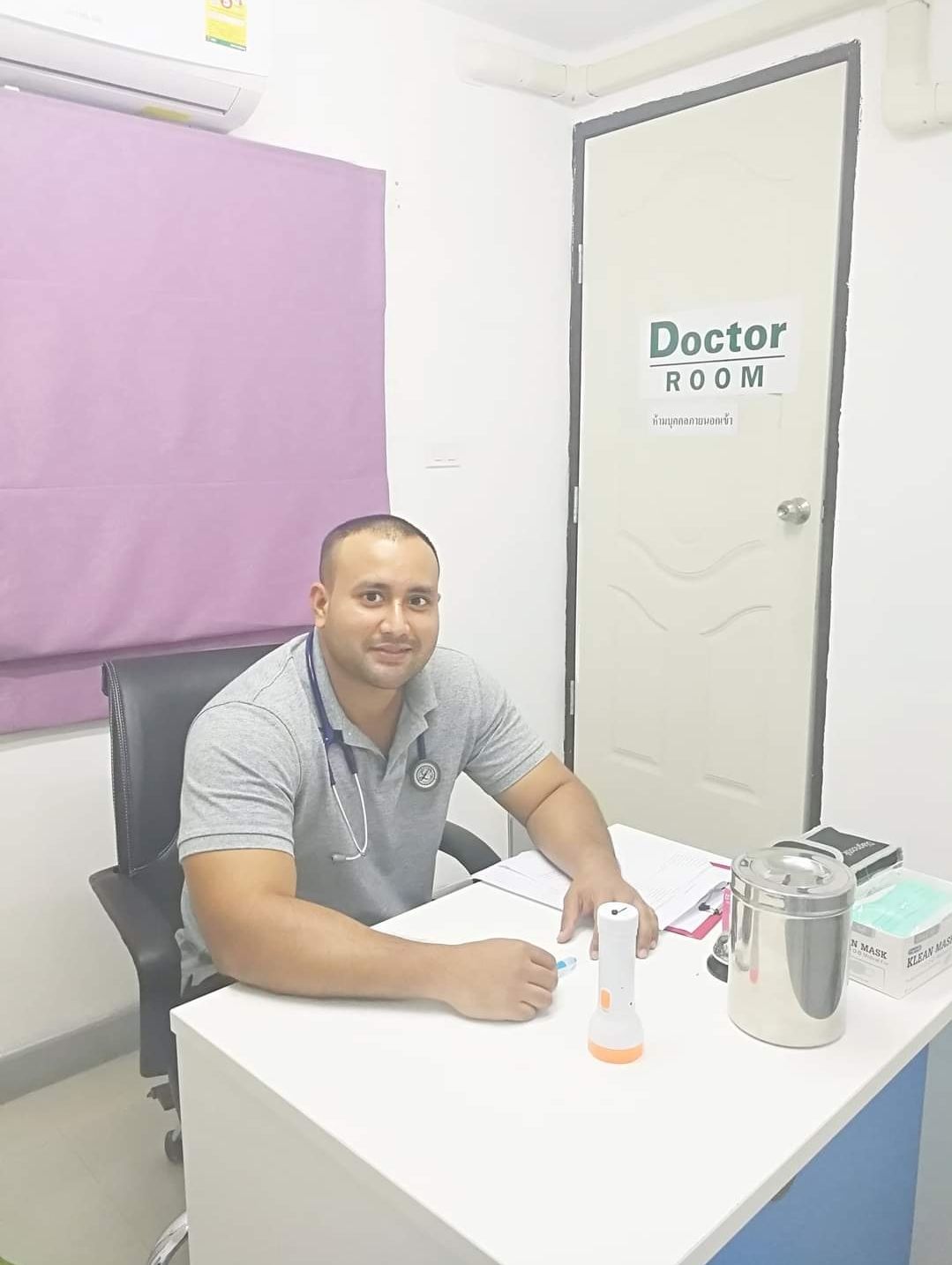
Dr. Ponlawat Pitsuwan is a physician at Doctor Bangkok, a private clinic in central Bangkok. He sees expats, residents, and medical tourists for general medicine, wellness consultations, and IV therapy. His focus is straightforward, evidence-based care delivered in plain language.