
Clinically reviewed by Dr. Ponlawat Pitsuwan, Physician, Doctor Bangkok. Last reviewed: September 2026
The stem cell ethics debate is real, but it is mostly focused on one type: embryonic stem cells. Most clinics today, including those in Bangkok, use adult-derived or umbilical cord stem cells that do not involve embryo destruction. If you have moral concerns, the type of cell source matters more than the therapy itself. Ask your doctor exactly where the cells come from before agreeing to anything.
Patients ask me about this more than you might expect. Someone comes in after doing serious research, ethically motivated, wanting to know whether stem cell therapy crosses a moral line for them personally. It is a fair question. And the answer depends almost entirely on which type of stem cells are being used.
The debate has moved on significantly in the last decade. The arguments that made headlines, embryo destruction, playing God, slippery slopes, were almost all about one category of stem cell. Modern clinical practice has largely shifted away from that. What that shift means for you, practically and ethically, is what this article covers.

The Core Ethical Objection to Embryonic Stem Cells
The original controversy centres on human embryonic stem cells. To harvest them, cells are extracted from a blastocyst, a fertilised egg roughly five days old. The blastocyst is destroyed in the process.
For those who believe life begins at fertilisation, this is a serious moral problem. The Catholic Church holds this position firmly, as do some Protestant denominations and other faith traditions. Their argument is straightforward: the embryo is a human person, and destroying it cannot be justified, regardless of the potential benefit.
The counter-argument is practical. If destroying an embryo that would otherwise be discarded from an IVF clinic could eventually help treat Parkinson’s or spinal cord injuries, the benefit to living, suffering people outweighs the harm. Many secular bioethicists and a range of mainstream religious traditions accept some version of this view.
Neither side is obviously wrong. This is a genuine moral disagreement, not a factual error on one side. What matters for patients is knowing this debate does not apply equally to all stem cell therapies.
Alternatives to Embryonic Stem Cells: The Ethical Shift
Since the mid-2000s, clinical practice has changed significantly. Two developments reduced reliance on embryonic sources.
Induced pluripotent stem cells, or iPSCs, are adult cells, often from skin or fat, reprogrammed to behave similarly to embryonic stem cells. No embryo is created and no embryo is destroyed. The scientific community regards iPSC research as ethically less contentious, with a strong and growing body of evidence behind it.
Mesenchymal stem cells derived from umbilical cord tissue after a live birth are another widely used source. The cord is donated with full consent after delivery. There is no harm to the donor and no embryo involved. At Doctor Bangkok, our stem cell therapy draws on these non-embryonic sources. For patients with religious or philosophical objections to embryo use, this distinction matters enormously.
Autologous stem cells, taken from your own body via fat or bone marrow, are a third option. They remove both embryo concerns and donor consent complexity entirely.

Consent, Donation, and Donor Rights
Even with non-embryonic sources, consent issues remain. Who donated the umbilical cord? Did they understand their cells might be processed, stored, and used commercially? Were they told the cells could be used in therapies years after donation?
Ethical clinics use GMP-certified cell sourcing. GMP, short for Good Manufacturing Practice, covers how cells are collected, processed, and stored, and requires documented donor consent at every stage.
Donor anonymity is a related issue. In most cord-derived programmes, donors are anonymous to the recipient. That is standard practice and protects both parties. But the donor should always know, at the time of consent, what anonymity means and how their cells may be used.
If a clinic cannot tell you where the cells come from or whether donors gave informed consent, walk away.
Stem Cell Tourism and the Ethics of Seeking Treatment Abroad
Bangkok is one of the most visited cities in the world for stem cell therapy. That brings opportunity and risk in equal measure.
Bioethics organisations have flagged stem cell tourism as a pressing concern. The specific worry is this: patients travelling abroad, often in desperation, paying large sums for treatments with little or no clinical evidence, delivered by providers making claims they cannot support.
Unethical providers exist in Bangkok. Some clinics promise outcomes that no stem cell therapy can reliably deliver. Some use unverified cell sources. Some structure treatment plans around upselling rather than clinical need.
The questions to ask any Bangkok clinic before committing are straightforward. Is the physician Thai FDA licensed? Is the cell source GMP certified? What is the realistic evidence base for your specific condition? What are the known risks, and what does follow-up look like? If a clinic deflects any of these, that tells you something. At Doctor Bangkok, our pre-treatment consultation is built around exactly these questions, because a patient who understands what the therapy can and cannot do is the only kind of patient we can genuinely help.
Regulation and Oversight of Stem Cell Therapy in Thailand
Thailand regulates stem cell therapies under its Advanced Therapy Medicinal Products framework. The Thai FDA requires clinical-grade cell therapies to meet specified safety, manufacturing, and traceability standards before they can be offered to patients.
This is meaningful regulation, but enforcement varies across providers. A Thai FDA-licensed facility is not automatically equivalent to a fully validated clinical trial. Patients should understand the difference between a regulated clinical procedure and an experimental protocol still under investigation.
The ISSCR guidelines, updated in 2021, set out international standards for stem cell research and clinical use. They address patient consent, the distinction between clinical care and research, and the obligations of clinics offering unproven therapies. Any reputable Bangkok clinic should be able to demonstrate alignment with these guidelines.
Realistic Expectations Are an Ethical Requirement
One of the most documented ethical problems in this field is the therapeutic misconception. This is when patients believe they are receiving a proven treatment when they are actually receiving something closer to experimental care.
It is not always deliberate deception. Sometimes patients hear what they want to hear. Sometimes clinics communicate ambiguously. Either way, the patient ends up with inflated expectations, and when results fall short, the harm is real: financial, emotional, and sometimes physical.
Strong evidence currently supports some mesenchymal stem cell therapies in specific conditions. Many other applications are promising but unproven. Every patient who comes to Doctor Bangkok for a stem cell consultation gets a clear picture of exactly where their condition sits on that spectrum. That conversation is not optional.
Justice and Access: Who Actually Gets Stem Cell Therapy?
Stem cell therapy is expensive. That shapes who gets access and who does not.
Critics argue this creates a two-tier system, where wealthy patients buy access to emerging care while others cannot. This concern applies with particular force in medical tourism, where patients from high-income countries travel to lower-cost markets for therapies their home systems do not yet offer or fund.
There are no easy answers here. But a clinic that never discusses cost, alternatives, or the possibility that conventional care might serve you just as well is not giving you the full picture. Acknowledging the access question honestly is part of practising ethical medicine.
Thinking about stem cell therapy in Bangkok and want an honest conversation about what the evidence actually supports? Doctor Bangkok offers physician-led consultations covering cell source, evidence base, informed consent, and realistic outcomes before any treatment decision is made. Book a consultation at Doctor Bangkok, where the first conversation is always about whether this is right for you.
FAQ
Dr. Ponlawat Pitsuwan
Physician, Doctor Bangkok
a private medical clinic in central Bangkok. He sees expats, residents, and medical tourists for stem cell therapy consultations, general health assessments, and a wide range of primary care needs. His focus is straightforward, evidence-based care delivered in plain language.
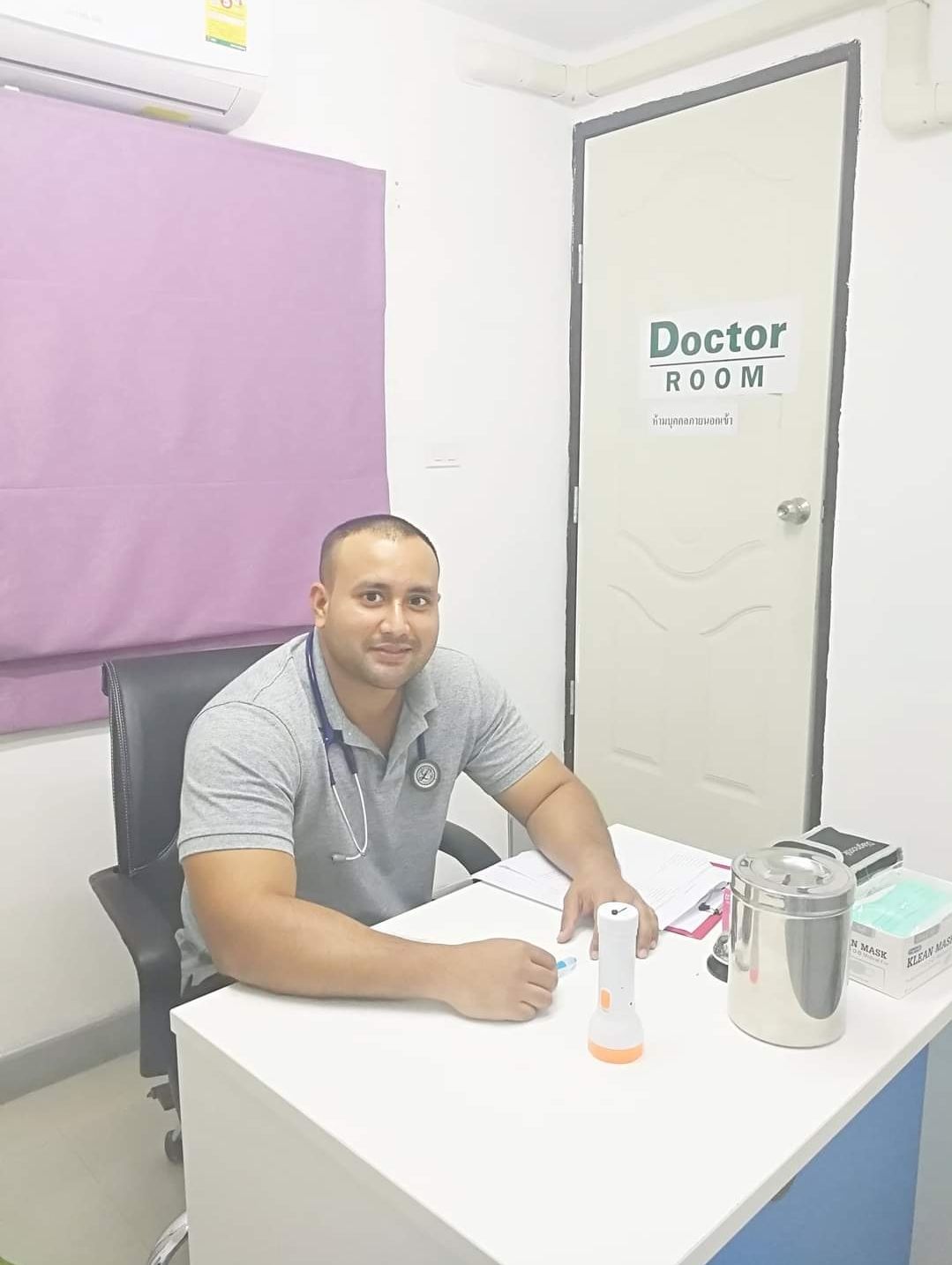
Dr. Ponlawat Pitsuwan is a physician at Doctor Bangkok, a private clinic in central Bangkok. He sees expats, residents, and medical tourists for general medicine, wellness consultations, and IV therapy. His focus is straightforward, evidence-based care delivered in plain language.