
Clinically reviewed by Dr. Ponlawat Pitsuwan, Physician, Doctor Bangkok. Last reviewed: September 2026
Fasting does appear to activate stem cells, but most of the strongest evidence comes from animal studies. The clearest human data shows that longer fasts of 48 to 72 hours can reset immune stem cell populations and reduce certain growth signals that suppress cell renewal. Whether this translates into meaningful clinical benefit in healthy adults is still being studied. For anyone considering fasting alongside stem cell therapy, medical supervision matters.
I get asked this more than you might expect. A patient comes in, usually in their 40s or 50s, already doing intermittent fasting. They have read something about fasting triggering a stem cell reset and want to know if it is real. It is a fair question, and the science is more interesting than most websites let on.
The short answer is yes, fasting does something real to stem cell activity. But the evidence has limits, some findings carry genuine risks, and what works in a mouse does not always translate to you. Here is what the research actually shows, what it does not, and what it means if you are thinking about this seriously.
What Fasting Does to Your Stem Cells
When you stop eating, your body shifts fuel sources. Glucose runs low and your cells start burning fat instead. This metabolic shift changes the signalling environment that your stem cells live in.
One key change is a drop in IGF-1, a growth signal that normally keeps stem cells in a low-activity maintenance state. When IGF-1 falls, certain repair and renewal pathways become more active. A cellular energy sensor called AMPK also switches on, signalling that resources are scarce and regeneration needs to begin.
A protein called SIRT1 rises during fasting as well. It helps stem cells respond to stress and repair damaged DNA more efficiently. These are real, measurable changes. The debate is how significant they are in practice, and how long they last.
What the Evidence Actually Shows: Human Data Versus Mouse Data
This is where I have to be direct, because most of what you read online blurs a very important line.
The MIT study that gets quoted constantly found that a 24-hour fast doubled the regenerative capacity of intestinal stem cells in mice. That is striking, but it is a mouse study. Intestinal cell turnover in mice happens far faster than in humans, and the study conditions were tightly controlled in ways real life is not.
The strongest human evidence comes from research by Dr. Valter Longo at USC. A clinical trial on chemotherapy patients found that fasting for 48 to 72 hours reduced a protein called PKA, which normally keeps blood stem cells dormant. When PKA dropped, immune stem cells began to self-renew. Patients who fasted appeared to regenerate immune cells more effectively after treatment. That is the human data point most worth paying attention to.
Research from Columbia University also found that fasting followed by refeeding boosted blood stem cell activity more in older adults than in younger ones. The benefit appears to grow as your natural stem cell function declines with age.
The Fasting Timeline: What Happens at 16, 24 and 72 Hours
Not all fasting is the same. Duration changes what your body actually does.
At around 16 hours, liver glycogen runs low. Your body begins producing ketones and a recycling process called autophagy starts, where cells break down and clear damaged internal components. At 24 hours, the metabolic switch is fully underway. A growth-promoting signal called mTOR is suppressed, and a pathway involved in fat burning and intestinal stem cell renewal becomes more active. This is the time point the MIT mouse study used.
At 48 to 72 hours, you are in the range the USC human trial examined. PKA drops significantly and immune stem cell regeneration appears to occur. This is also where the risks become more relevant, which I will cover next.
The Refeeding Risk Nobody Talks About
Every wellness article about fasting and stem cells tells you the good news. Most skip this part entirely.
A study published in Nature found that while fasting boosts intestinal stem cell activity, the refeeding phase right after breaking a fast may sharply amplify cell proliferation. In mice predisposed to intestinal cancer, this post-fast surge increased tumour formation through changes in cellular metabolism. This does not mean fasting causes cancer. It means the cellular changes triggered by fasting are not purely beneficial in every context, and the period after a fast is not neutral.
If you have a personal or family history of gastrointestinal cancer, or if you are immunocompromised, this is a conversation to have with a doctor before attempting any extended fast.
Age and Why This Matters More After 40
Stem cell activity declines naturally with age. By your 40s and 50s, your body produces fewer functional stem cells, and the ones you have respond less effectively to repair signals. This is partly why recovery from illness or injury takes longer as you get older.
The Columbia research is relevant here. Fasting-induced stem cell stimulation appears to have a greater relative effect in older adults because the starting point is lower. Autophagy during fasting also helps address a problem called cellular senescence, where ageing cells stop dividing and begin producing low-grade inflammatory signals instead.
This does not mean older adults should fast more aggressively. It means the biological case for fasting as a longevity-supporting practice is more meaningful at 50 than at 25. At Doctor Bangkok, patients in this age group often ask about combining lifestyle approaches with clinical options, and that is a reasonable conversation to have.
Can Fasting and Clinical Stem Cell Therapy Work Together?
Fasting activates your body’s own stem cells to some degree. Clinical stem cell therapy works differently. It delivers a concentrated, specific cell population, typically UC-MSCs or umbilical cord mesenchymal stem cells, to targeted areas or systemically by IV. These are not your own depleted cells. They are young, highly functional cells from an external source.
Fasting cannot replicate this. The quantities and precision involved in a clinical programme are beyond what dietary changes alone can achieve. But there is a rationale for using both. A short fast of 12 to 24 hours before treatment may reduce circulating inflammatory signals and prime autophagy, potentially creating a more receptive environment for introduced cells. This is not yet a standard protocol, and the evidence is early.
At Doctor Bangkok, we discuss this individually with patients because the right approach depends on your health history, your goals, and whether any contraindications apply. If you are considering a clinical programme, you can read more about what our stem cell therapy in Bangkok involves, including the human trial data that informs our approach.
Fasting in Bangkok: Practical Realities for Expats
Bangkok’s heat and humidity change the equation for extended fasting. When you fast for more than 24 hours in a tropical climate, you lose more fluid and electrolytes through sweat than you would anywhere cooler. This raises the risk of dehydration, electrolyte imbalance, and lightheadedness, especially if you are commuting or active during the day.
Dry fasting, meaning avoiding water entirely, is not safe here under any circumstances. Water fasting beyond 24 hours should only be done with electrolyte monitoring. I tell expat patients who ask about 72-hour protocols to think carefully about whether Bangkok in March or April is the right time to try it. The physiology of extended fasting was not designed for 35-degree humidity.
If you want to explore a supervised fasting or regenerative health approach, come in for a consultation first. It takes 20 minutes and keeps you from doing something unnecessarily risky in the wrong conditions.
Ready to talk through your options? At Doctor Bangkok, we offer consultations for regenerative health approaches including our stem cell therapy programme. Whether you want to understand how fasting fits into your health plan or explore clinical treatment options, our English-speaking physicians can give you a clear, personalised answer. We are centrally located and BTS accessible. Contact us to book a consultation.
Frequently Asked Questions
Dr. Ponlawat Pitsuwan
Physician, Doctor Bangkok
a private medical clinic in central Bangkok. He sees expats, residents, and medical tourists for general medical consultations, health assessments, and regenerative medicine enquiries including [stem cell therapy](https://doctorbangkok.co.th/stem-cell-therapy-bangkok/). His focus is straightforward, evidence-based care delivered in plain language.
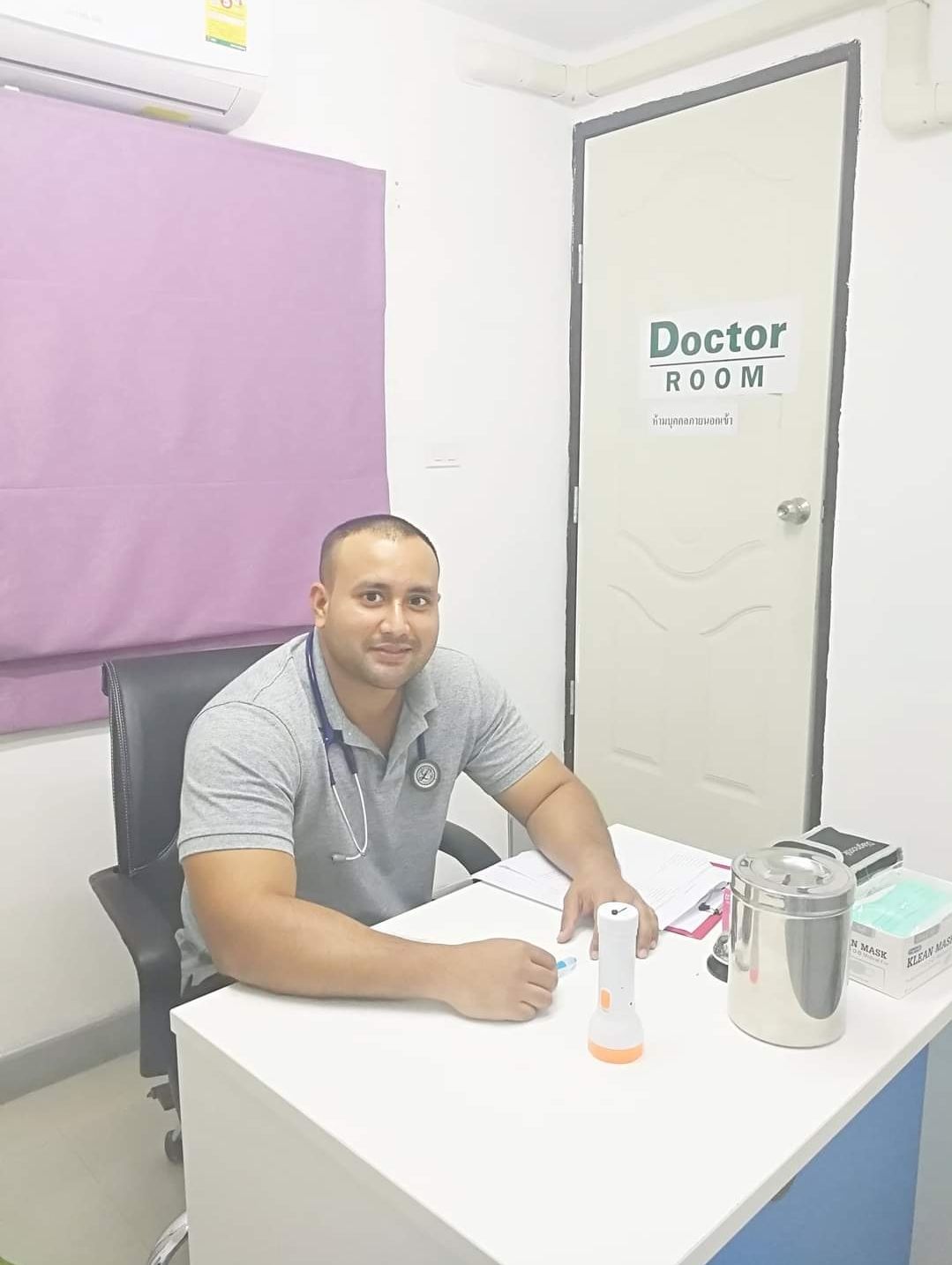
Dr. Ponlawat Pitsuwan is a physician at Doctor Bangkok, a private clinic in central Bangkok. He sees expats, residents, and medical tourists for general medicine, wellness consultations, and IV therapy. His focus is straightforward, evidence-based care delivered in plain language.