
Clinically reviewed by Dr. Ponlawat Pitsuwan, Physician, Doctor Bangkok.
Last reviewed: September 2026
Mesenchymal stem cell therapy uses specialised cells to reduce inflammation and support tissue repair. The strongest clinical evidence is in joint disease, graft-versus-host disease, and certain autoimmune conditions. Most Bangkok clinics use donor umbilical cord cells given by IV infusion. Results vary by individual and condition. At Doctor Bangkok, we recommend a medical consultation and blood panel before any treatment.
I get asked about stem cell therapy at least a few times a month, usually from expats who have done a lot of reading and still are not sure what to believe. The field is real, the science is advancing, and the first commercial MSC drug got FDA approval in late 2024. But the marketing in Bangkok often runs well ahead of the evidence, and that gap is where patients get misled.
This article covers what mesenchymal stem cells are, which conditions have genuine clinical support, and what a responsible protocol looks like. If you are considering this treatment, whether as a Bangkok resident or a medical tourist with a tight schedule, read this before you book anything.

What Are Mesenchymal Stem Cells, and Why Do They Matter?
Mesenchymal stem cells, often called MSCs, are a specific type of adult stem cell. They are not embryonic stem cells. MSCs can develop into bone, cartilage, fat, and muscle cells, which makes them relevant for repair-focused treatments.
What sets them apart is their behaviour around inflammation. They release signalling proteins that can calm an overactive immune system and encourage nearby damaged tissue to repair itself. Researchers are actively studying this across hundreds of clinical trials worldwide.
They are not a cure-all, and I will be direct about that throughout this article.
Where Do the Cells Come From?
There are three main sources: bone marrow, fat tissue, and umbilical cord tissue.
Bone marrow MSCs have the longest research track record. The problem is the harvest. Extracting bone marrow is invasive and the cell quality tends to decline with age.
Fat-derived MSCs are easier to collect through a minor liposuction procedure. They are abundant. But some research suggests they may be less potent for immune-related conditions.
Umbilical cord MSCs, from the Wharton’s jelly layer of the cord, are widely considered the most practical option for clinical use today. The cells come from screened donors, they are younger and generally more active, and collection causes no harm to the donor or baby. Most reputable Bangkok clinics use these donor-based cells.

Conditions Mesenchymal Stem Cell Therapy Is Being Used For
This is where I want to be precise, because vague lists do patients no favours.
The strongest evidence sits in graft-versus-host disease. This is the only condition for which the US FDA approved a commercial MSC product, Ryoncil, in December 2024. It is a serious complication following bone marrow transplants, and MSC therapy has shown meaningful benefit here.
Musculoskeletal and joint conditions, including osteoarthritis of the knee, are among the most actively studied areas, with moderate supporting evidence. Many patients report improvement in pain and mobility. Results are not universal, and effects can take weeks to appear.
For autoimmune and inflammatory conditions such as Crohn’s disease and certain forms of lupus, the evidence is promising but still building.
Anti-aging, general wellness, skin quality, and hair restoration are the applications most heavily marketed in Bangkok. The honest answer is that the evidence here is early and largely observational. Some patients notice improvements in energy and skin appearance, but these should be framed as investigational, not proven therapy.
| Condition Area | Evidence Level | Current Status |
|---|---|---|
| Graft-versus-host disease | Strong | FDA-approved (Ryoncil, 2024) |
| Knee osteoarthritis and joint pain | Moderate | Multiple clinical trials, promising results |
| Autoimmune and inflammatory disease | Moderate | Ongoing trials, strong rationale |
| Cardiovascular conditions | Early | Investigational, limited data |
| Anti-aging and wellness | Limited | Largely observational, no large trials |
| Hair restoration | Limited | Preliminary research only |
Is Mesenchymal Stem Cell Therapy Regulated in Thailand?
This is the question most Bangkok clinic websites skip entirely. I will not.
Thailand regulates cell-based therapies through the Thai FDA, under the Ministry of Public Health, and the Medical Council of Thailand sets standards for physician-led procedures. Any clinic offering MSC therapy in Thailand should be operating under these frameworks.
What this means practically: ask any clinic for their Thai FDA registration, evidence of GMP-certified cell processing, and the name of the physician overseeing your care. GMP, or Good Manufacturing Practice, refers to the quality standards applied when producing the cells. If a clinic cannot answer those three questions clearly, walk away.
The December 2024 FDA approval of Ryoncil brought both increased scrutiny and credibility to the sector. It is a useful moment to apply higher standards when choosing a provider.
What a Safe MSC Protocol Actually Looks Like
A responsible protocol should start with a physician-led consultation, not a session with a wellness coordinator. It should specify the cell source, the dose, and the cell viability rate. Viability is the percentage of cells that are alive and active at the time of infusion. Below a certain threshold, the treatment is unlikely to work regardless of what you paid.
The infusion itself is usually given by IV drip over one to two hours. Follow-up blood work and a review consultation are part of any protocol worth trusting.
At Doctor Bangkok, we do not administer MSC therapy directly, but we help patients navigate this decision safely. That means a thorough consultation before you commit to anything, a pre-treatment blood panel to assess your baseline health, and an honest conversation about whether the treatment is appropriate for your specific situation.
Why Bangkok for MSC Therapy: An Honest Assessment
Bangkok has real advantages. The cost is significantly lower than the US, UK, or Australia for comparable protocols. The city has a well-developed medical tourism infrastructure, English-speaking physicians are accessible, and travel time to reputable clinics is manageable if you are staying central.
The risks are also real. Some Bangkok clinics operate in regulatory grey areas. Cell counts and viability rates are sometimes inflated in marketing materials. Luxury presentation does not guarantee clinical quality.
Prioritise clinical transparency over aesthetics. Ask for documentation. Use your consultation to assess whether the physician is willing to discuss limitations as openly as benefits. That willingness is one of the clearest signs of a clinic worth trusting.
Thinking about MSC therapy in Bangkok and want an honest medical opinion first? At Doctor Bangkok, we offer physician-led consultations for expats and medical tourists considering regenerative treatments. We will review your health history, run appropriate baseline blood work, and give you a clear picture of whether this treatment makes sense for your situation. We are centrally located in Bangkok, BTS accessible, and our physicians speak English. Contact us to book a consultation.
Frequently Asked Questions
Dr. Ponlawat Pitsuwan
Physician, Doctor Bangkok
a private medical clinic in central Bangkok. He consults with expats, residents, and medical tourists on general health, health assessments, and regenerative and wellness treatments. His focus is straightforward, evidence-based care delivered in plain language.
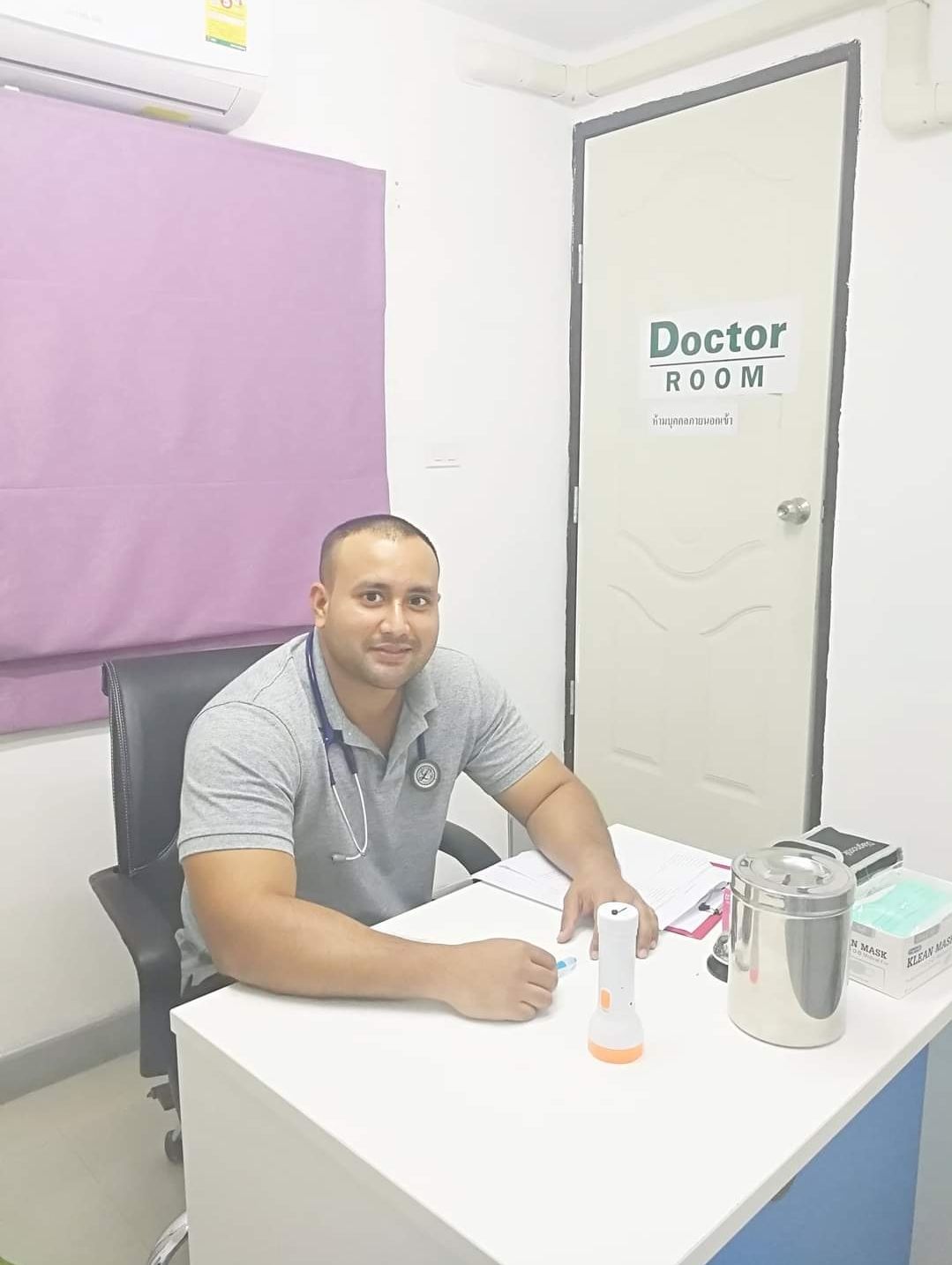
Dr. Ponlawat Pitsuwan is a physician at Doctor Bangkok, a private clinic in central Bangkok. He sees expats, residents, and medical tourists for general medicine, wellness consultations, and IV therapy. His focus is straightforward, evidence-based care delivered in plain language.