
Clinically reviewed by Dr. Ponlawat Pitsuwan, Physician, Doctor Bangkok.
Last reviewed: September 2026
Mesenchymal stem cells, also called stromal stem cells, are adult stem cells found in bone marrow, fat tissue, and umbilical cord tissue. They can develop into several cell types and release healing signals that reduce inflammation and support repair. Most clinical applications remain investigational, but MSC therapy is already used in established treatments for certain blood and immune conditions. At Doctor Bangkok, we offer physician-led MSC consultations for expats and medical tourists who want honest, evidence-based guidance before committing to any therapy.
I get asked about stem cells several times a week. Usually it is someone who spotted a clinic on Sukhumvit, read a brochure that promised a lot, and is not sure what they are actually signing up for. That is a completely reasonable position to be in. The marketing around this therapy has moved much faster than the patient education.
Here is the short version: mesenchymal stem cells are real, some applications have solid clinical backing, and others are still being studied. What you deserve before spending money on any of this is a clear explanation of what these cells actually do, where the evidence stands, and what questions to ask. That is what this article gives you.

What Are Mesenchymal Stem Cells? A Plain-English Definition
Think of mesenchymal stem cells as the body’s repair crew. They sit in tissues like bone marrow, fat, and blood vessel linings, waiting for a signal that something needs fixing. When that signal arrives, they move to the site, calm inflammation, and help rebuild damaged tissue.
Unlike embryonic stem cells, MSCs are more specialised. They are multipotent, meaning they can become a limited range of cell types: bone cells, cartilage cells, and fat cells, among others. They are not harvested from embryos, so there are no ethical concerns. They are already present in your own body right now.
Reputable labs verify their cells against a recognised set of surface markers, including CD73, CD90, and CD105. These confirm the cells are genuine MSCs. If a clinic cannot show you this verification, that should give you pause.
Where Do Mesenchymal Stem Cells Come From?
There are three main sources you will hear about in Bangkok clinics: bone marrow, fat tissue, and umbilical cord tissue.
Bone marrow MSCs are the most historically studied, but the harvest requires a procedure under anaesthesia and the cell yield drops with age. Most Bangkok clinics have moved away from this as a primary source.
Adipose-derived MSCs come from fat tissue, usually collected during a minor liposuction procedure. The harvest is straightforward, the volume is good, and the cells come from you. That removes donor concerns but means the cells are limited by your own biology.
Umbilical cord MSCs come from a screened donor, specifically from the Wharton’s jelly inside the cord after a healthy birth. These are young cells with high proliferative capacity, which is why Bangkok clinics increasingly favour them. The key question to ask any clinic using this source is what donor screening protocol they follow. That is where quality control matters most.

How Do Mesenchymal Stem Cells Work?
Most clinic brochures say MSCs "become new tissue." That is an oversimplification, and understanding the real picture helps you evaluate what a treatment can realistically do.
Yes, MSCs can become bone, cartilage, and fat cells. But in clinical settings, the bigger driver is often the signals they release. MSCs secrete growth factors and anti-inflammatory molecules that tell surrounding cells how to behave, managing the repair environment rather than doing all the building themselves.
They also release small biological packets called exosomes, which carry instructions between cells and help modulate immune responses. This explains some of the systemic effects patients and researchers have observed that go beyond simple tissue replacement.
What Conditions Are MSCs Currently Used to Treat?
This is where honesty matters most, because the gap between established use and marketed use in Bangkok is real.
The strongest clinical evidence supports MSC use in graft-versus-host disease, a serious immune complication after bone marrow transplants. This is established, physician-supervised use in hospital settings. Certain blood and immune disorders also have a reasonable evidence base.
For joint pain and osteoarthritis, the evidence is moderate and growing. Several well-designed trials show benefit, particularly for knee osteoarthritis. MSCs do not regrow fully destroyed joints, but they can reduce inflammation and slow deterioration in many patients.
For anti-aging, skin quality, hair loss, and general wellness, the evidence is limited and mostly early-stage. Patients should understand they are entering investigational territory with these applications. Any clinic presenting anti-aging MSC therapy as established medicine is overstating the current evidence.
Neurological conditions like Parkinson’s and multiple sclerosis are being studied in clinical trials but remain highly investigational. Do not let anyone tell you otherwise.
MSC Therapy vs Exosome Therapy: What Is the Difference?
Patients ask me this regularly, and most Bangkok clinics blur the line for commercial reasons.
Exosomes are the signalling molecules that MSCs naturally release. Exosome therapy delivers those molecules without the live cells. It is less invasive and easier to standardise. MSC therapy delivers the full living cell, which continues to secrete factors and may engage more directly at the treatment site.
Neither is clearly superior for all purposes. The right choice depends on your clinical situation, your overall health, and what a physician assesses after a proper consultation. Both remain investigational for most wellness and anti-aging applications. Be cautious of any clinic that recommends one over the other without seeing you first.
Are Mesenchymal Stem Cells Safe? Honest Risks and Caveats
MSCs have a broadly reassuring safety profile in the medical literature, but that is not the same as risk-free.
The most common reported effects are mild: fever, fatigue, and temporary soreness at the infusion site. These usually resolve within a day or two. More significant concerns are less common but real.
There is a theoretical concern about whether administered cells could behave abnormally over time. Current evidence in humans does not show a strong signal for this with MSCs specifically, but long-term data is still accumulating. Clinics should be monitoring patients over time, not just for 24 hours post-infusion.
Administration route also matters. Intravenous delivery carries different risk than a localised joint injection. The dose, the cell source, the recipient’s immune status, and the lab quality all affect the safety picture. In Thailand, cell therapy is governed by the Thai FDA and the Ministry of Public Health, and must be administered by licensed physicians. A clinic offering this as a walk-in IV without physician oversight is not operating to the standard you should accept.
For expats from the US, UK, or Australia: MSC therapy is considered investigational in your home country for most conditions outside specific blood disorders. Thailand permits commercial administration under physician supervision. That is not the same as your home country having approved it. Go in with eyes open.
What to Ask a Bangkok Clinic Before Committing
Most patients I see have already booked a treatment somewhere before they come to me. I understand why. But please ask these questions before you commit.
Where are the cells from, and what donor screening was done? If the source is umbilical cord tissue, the clinic should have documented protocols covering infectious disease and genetic screening.
What is the cell viability on the day of treatment? Reputable labs target above 85 percent. Anything lower warrants a direct conversation about quality control.
Is the lab GMP-certified? GMP stands for Good Manufacturing Practice. It governs how cells are prepared, stored, and tested. A non-GMP lab is a risk you do not need to take.
Who is the supervising physician and what is their background in regenerative medicine? A proper consultation, not just a nurse-led intake, should happen before any treatment. And ask what post-treatment monitoring is included. A clinic that hands you an aftercare leaflet and sends you on your way is not doing this properly.
At Doctor Bangkok, our approach starts with a physician consultation. We assess whether MSC therapy is appropriate for your situation, explain the evidence honestly, and, where we offer it, ensure it meets the standards above. If it is not the right fit, we will tell you that too.
If you are considering mesenchymal stem cell therapy in Bangkok and want a straightforward physician consultation before committing, Doctor Bangkok offers English-speaking medical consultations in central Bangkok, BTS accessible. We will assess your situation, explain your options honestly, and help you make a decision grounded in evidence, not marketing. Contact us to book a consultation.
Frequently Asked Questions
Dr. Ponlawat Pitsuwan
Physician, Doctor Bangkok
a private medical clinic in central Bangkok. He sees expats, residents, and medical tourists for general medical consultations, health assessments, and regenerative medicine inquiries including stem cell therapy guidance. His focus is straightforward, evidence-based care delivered in plain language.
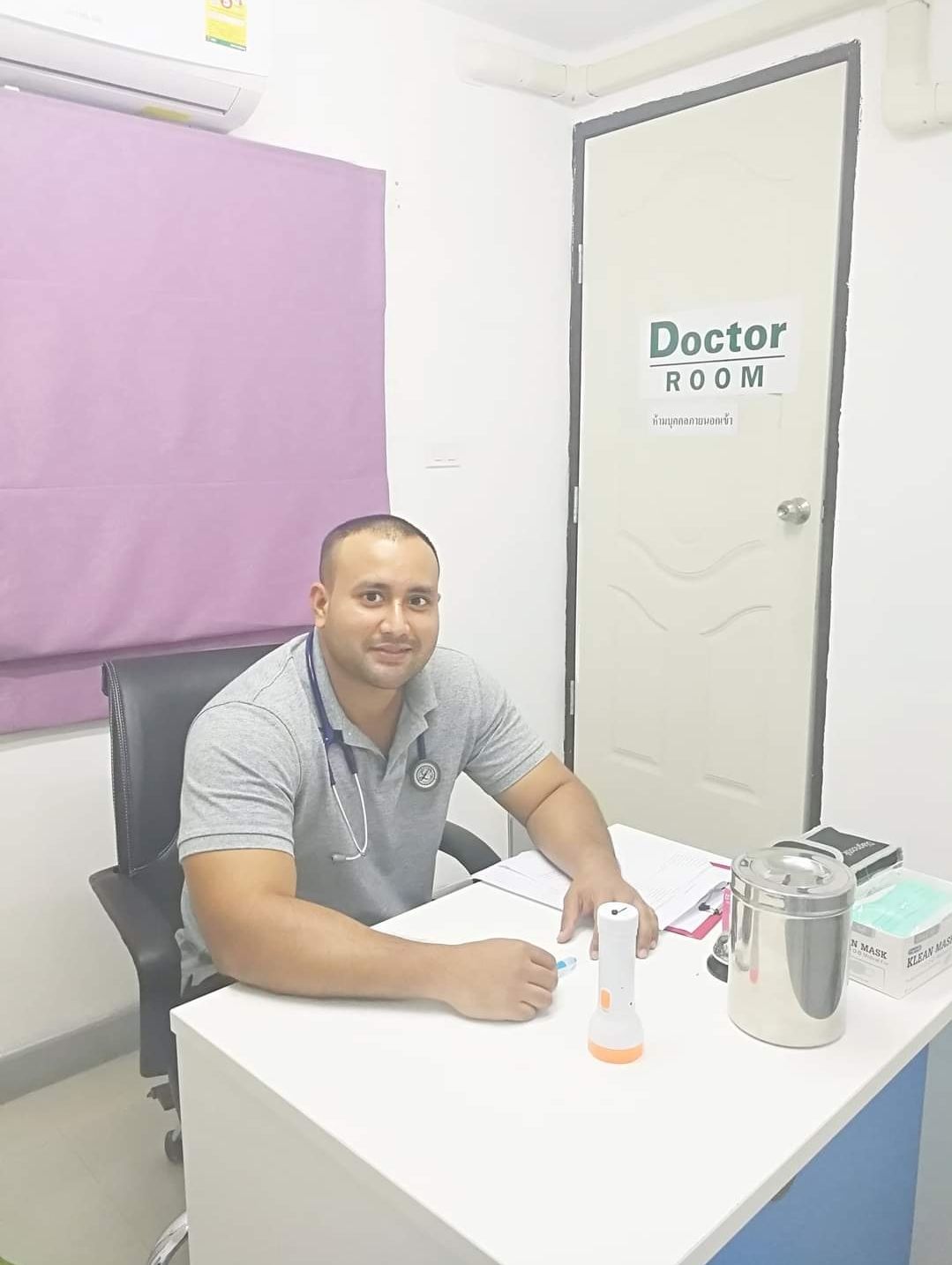
Dr. Ponlawat Pitsuwan is a physician at Doctor Bangkok, a private clinic in central Bangkok. He sees expats, residents, and medical tourists for general medicine, wellness consultations, and IV therapy. His focus is straightforward, evidence-based care delivered in plain language.