
Clinically reviewed by Dr. Ponlawat Pitsuwan, Physician, Doctor Bangkok.
Last reviewed: October 2026
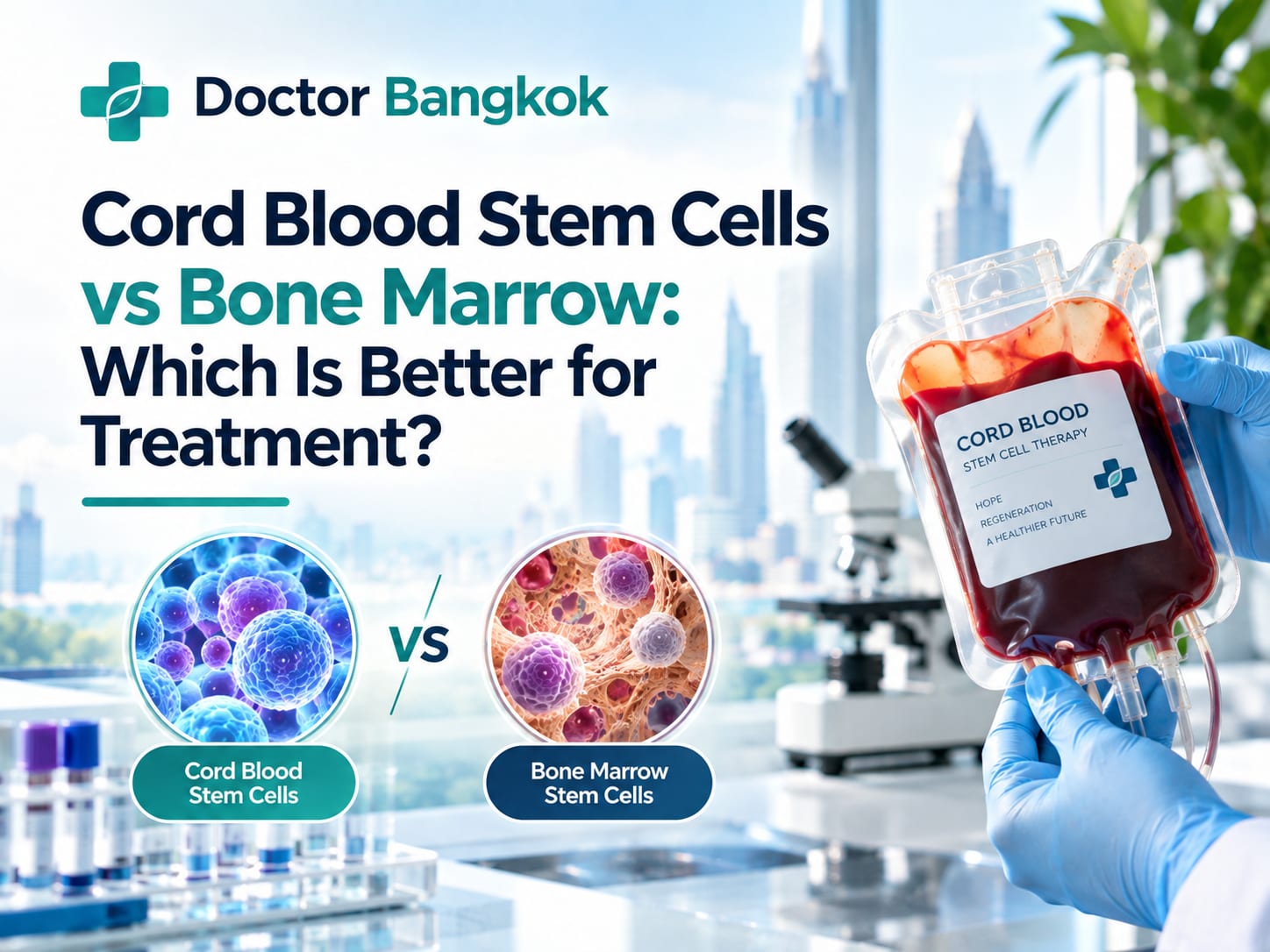
Cord blood stem cells and bone marrow stem cells are both used in transplant medicine, but they are not interchangeable. Cord blood tolerates a less strict tissue match and carries a lower risk of graft-versus-host disease. Bone marrow delivers more cells, which matters for adults. The right choice depends on your diagnosis, your body weight, and what kind of therapy you are actually seeking.
I get this question from expats in Bangkok fairly often. Usually from someone who has just started researching stem cell therapy and found a dozen conflicting articles online. They come in with a list of terms they are not quite sure about: cord blood, bone marrow, HLA matching, GVHD. They want a plain answer, without the sales pitch.
The first thing I tell them is this. Most articles on this topic mix up two completely different things. Cord blood stem cells and cord tissue stem cells are not the same. Bone marrow transplants and regenerative stem cell therapy are not the same. Getting clear on those distinctions first will save you a lot of confusion, and a lot of money.
Cord Blood vs Cord Tissue: The Confusion Most Articles Get Wrong
This is the most common mix-up I see, and nearly every article online makes it.
Cord blood is collected from the blood inside the umbilical cord after birth. It contains hematopoietic stem cells, the kind that produce blood and immune cells. These are used primarily in transplant medicine for blood cancers, immune disorders, and bone marrow failure.
Cord tissue is a different thing entirely. It comes from the physical cord itself. The stem cells found there are called mesenchymal stem cells, or MSCs, and these are the cells used in regenerative and anti-inflammatory therapies. Most Bangkok clinics offering stem cell therapy are working with cord tissue MSCs, not cord blood.
If a clinic says they are offering cord blood therapy but the goal is joint repair, immune regulation, or general wellness, ask them to clarify exactly what cells they are using. The distinction matters clinically.
How Cord Blood Stem Cells Compare to Bone Marrow Stem Cells
Both cord blood and bone marrow contain hematopoietic stem cells. The differences come down to how they are collected, how well they match a recipient, and how quickly they work.
Bone marrow is harvested under general anaesthesia from the hip bones. It is an invasive procedure for the donor. Cord blood is collected from the umbilical cord after birth, with no risk to the mother or baby.
The bigger clinical difference is what happens after transplant. Cord blood requires a less exact tissue match. Bone marrow typically needs an 8 out of 10 or 10 out of 10 HLA match. Cord blood can work with a 4 out of 6 match, which makes it easier and faster to find a unit when a donor is urgently needed.
GVHD Risk: Where Cord Blood Has a Clear Advantage
Graft-versus-host disease, or GVHD, is when transplanted immune cells attack the recipient’s body. It is one of the most serious risks in transplant medicine.
Cord blood carries a significantly lower risk of chronic GVHD compared to bone marrow, particularly from unrelated donors. Cord blood stem cells are immunologically immature, meaning they are less likely to trigger an aggressive immune response in the recipient.
For patients without a matched sibling donor, this is a meaningful clinical advantage. The evidence on this point is consistent across the published transplant literature.
The Cell Dose Problem: Where Cord Blood Falls Short for Adults
Here is something most articles skip past. A single cord blood unit contains a limited number of cells. For children, that is usually enough. For adults, especially those above average body weight, a single unit may not deliver the total cell dose needed for reliable engraftment.
Engraftment means the transplanted cells successfully taking hold and producing new blood cells. If the dose is too low, engraftment is slower or incomplete. Clinicians address this two ways: using two cord blood units together in a double-unit protocol, or expanding cells in a GMP-certified laboratory before infusion. Both approaches add complexity and cost.
For adults weighing over 70 to 75 kilograms, this is a real clinical planning issue, not a minor footnote.
A Third Option Worth Knowing: Peripheral Blood Stem Cells
Most comparisons of cord blood versus bone marrow leave this out entirely. Peripheral blood stem cells, or PBSCs, are actually the most commonly used source for hematopoietic transplants worldwide.
The donor receives a medication that stimulates stem cells to move from the bone marrow into the bloodstream. Cells are then collected from the blood directly. No surgery, no anaesthesia. The cell yield is high, which is a key advantage for adult recipients.
PBSCs carry a higher risk of chronic GVHD than cord blood but engraft faster and deliver a larger cell dose. For patients evaluating their options seriously, this third source belongs in the conversation.
| Feature | Cord Blood | Bone Marrow | Peripheral Blood (PBSC) |
|---|---|---|---|
| Collection method | Non-invasive, post-birth | Surgery under anaesthesia | Blood draw, no surgery |
| HLA match required | 4/6 acceptable | 8/10 to 10/10 | 8/10 to 10/10 |
| Chronic GVHD risk | Lower | Moderate to high (unrelated) | Higher than cord blood |
| Engraftment speed | Slower | Moderate | Faster |
| Cell dose for adults | Often limited | Adequate | High |
| Availability | Cord blood banks | Donor registry | Donor registry |
UC-MSC Therapy: What Most Bangkok Clinics Are Actually Offering
When an expat in Bangkok visits a clinic for stem cell therapy targeting inflammation, autoimmune conditions, or recovery support, what they are almost always receiving is UC-MSC therapy. UC stands for umbilical cord. These are mesenchymal stem cells from cord tissue, not cord blood.
UC-MSCs release anti-inflammatory signals that can reduce local inflammation, regulate immune activity, and support tissue repair. The evidence base is still developing, and I am honest with patients about that. Moderate evidence supports their use in some inflammatory and autoimmune conditions. The research is active and ongoing.
At Doctor Bangkok, patients asking about stem cell therapy in Bangkok receive a clinical consultation first. We go through their condition, what the evidence actually says for that condition, and what realistic outcomes look like before any referral or protocol is discussed.
What to Look for in a Bangkok Stem Cell Provider
Bangkok has a wide range of clinics offering stem cell therapies, and quality varies significantly. Here is what I tell every patient who asks.
Ask whether cells are GMP-certified. GMP stands for Good Manufacturing Practice, a standard that governs how cells are processed and tested for safety. Ask for the cell viability percentage, which tells you how many cells in the batch are alive and functional at the time of infusion. Ask what cell passage number the provider is using, as lower numbers generally reflect cells closer to their original biological state.
Ask whether cells are fresh or frozen, and what the total cell dose is in millions. A legitimate clinic will answer all of these without hesitation. If a clinic cannot or will not answer clearly, that is the answer you need.
Doctor Bangkok offers independent pre-treatment consultations for expats evaluating stem cell options in Bangkok. We are not affiliated with any specific cell supplier. Our role is to help you ask the right questions and assess the answers you receive.
Regulatory Standards and Expat Considerations in Bangkok
Thailand has a regulatory framework for advanced therapy medicinal products, which includes stem cell therapies. Not all clinics operate under the same level of oversight. Some procedures fall under research protocols. Others are offered as direct clinical services. Knowing the difference matters.
As an expat or medical tourist, you may be comparing options across multiple clinics without a Thai-speaking advisor to help you interpret what you are being offered. The language of stem cell marketing is designed to sound reassuring. Clinical oversight, GMP manufacturing, and transparent dosing information are the details that actually determine whether a protocol is safe.
The most important step you can take before starting any stem cell protocol in Bangkok is an independent medical consultation. Not with the clinic selling the therapy. With a physician who has no financial stake in the outcome.
Thinking about cord blood or bone marrow stem cell therapy in Bangkok? Doctor Bangkok offers independent pre-treatment consultations for expats and medical tourists. We help you understand what you are being offered, ask the right clinical questions, and decide whether a protocol is appropriate for your situation. English-speaking physicians. Central Bangkok. No obligation. Book a consultation at Doctor Bangkok to get a clear, honest picture before you commit.
Frequently Asked Questions
Dr. Ponlawat Pitsuwan
Physician, Doctor Bangkok
a private medical clinic in central Bangkok. He sees expats, residents, and medical tourists considering stem cell therapy, regenerative treatments, and general health consultations. His focus is straightforward, evidence-based care delivered in plain language.
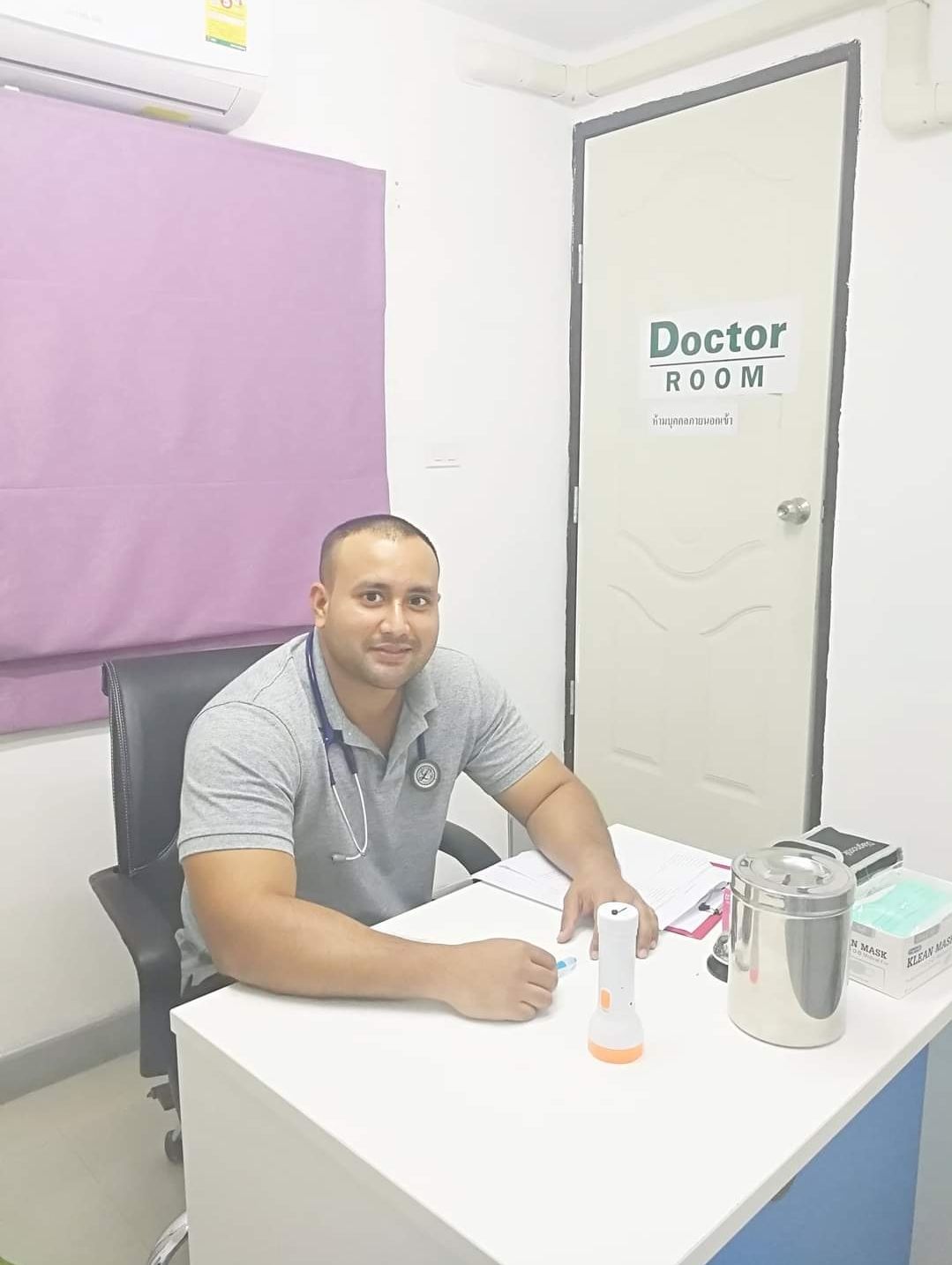
Dr. Ponlawat Pitsuwan is a physician at Doctor Bangkok, a private clinic in central Bangkok. He sees expats, residents, and medical tourists for general medicine, wellness consultations, and IV therapy. His focus is straightforward, evidence-based care delivered in plain language.