


Clinically reviewed by Dr. Ponlawat Pitsuwan, Physician, Doctor Bangkok.
Last reviewed: November 2026
Blocked ears after a flight happen when pressure gets trapped in the middle ear because the Eustachian tube, the small channel linking your ear to the back of your throat, fails to equalise during descent. Most cases clear within a few hours using swallowing, yawning, or the Valsalva manoeuvre. If your ears are still blocked after 48 to 72 hours, or if you have pain, discharge, or hearing loss, see a doctor.
You landed at Suvarnabhumi, cleared immigration, and your ears still have not popped. Everything sounds muffled. This is airplane ear, and it is a common reason travellers seek medical attention after a long-haul flight.
Most cases resolve within a day. What is worth knowing is when they do not. A blockage past 48 to 72 hours, or one that comes with sharp pain or discharge, needs to be checked. Here is what to try first and when a doctor becomes the right call.
Why Ears Block on Planes
Cabin pressure rises fast during descent. Your middle ear has to match that pressure through the Eustachian tube. When that tube is sluggish or swollen, pressure gets trapped and you get the full, muffled feeling you cannot shake after landing.
Descent is the problem phase. The pressure shift on the way down is steeper than during ascent, which is why ears block on landing more often than take-off. If you were already congested before boarding, the tube had even less room to work.
The trapped pressure can cause anything from mild fullness to real pain. In stronger cases, a small amount of fluid collects behind the eardrum. That fluid is what keeps some people blocked for days.
Ways to Unblock Your Ears After a Flight
The standard technique is the Valsalva manoeuvre: pinch your nose, close your mouth, and blow gently, as if you are trying to clear your nose with it blocked. Gently is the key word. Blowing too hard can sharply increase middle-ear pressure and, if there is already a small eardrum tear, make things worse.
A safer option is the Toynbee manoeuvre: pinch your nose and swallow at the same time. It opens the Eustachian tube more gently. Repeated swallowing, yawning, or chewing gum works on the same principle and is worth trying first.
If neither works after a few hours, a decongestant nasal spray can reduce swelling around the Eustachian tube opening and help it drain. Saline nasal rinses help too. If allergies are part of the problem, an antihistamine may ease things along. Stop any attempts to pop your ear if you feel sharp pain. That is a signal to see a doctor before you try again.

Flying With a Cold
A cold inflames the lining of the nose and the Eustachian tube. That makes pressure equalisation harder and turns a minor annoyance into a painful problem.
If you must fly with a cold, timing matters. Taking an oral decongestant roughly one hour before the flight, and using a decongestant nasal spray around 30 to 60 minutes before descent, gives the medication time to work when you need it most. Pressure-regulating earplugs slow the rate of pressure change reaching the eardrum and can reduce the severity of blockage during descent.
The important distinction: a stuffy nose is different from an active middle ear infection, where there is already infection inside the ear itself. Flying with an active ear infection carries a real risk of worsening pain and, in some cases, eardrum perforation. If your ear was painful before you boarded, it needs assessment before your next flight. Doctor Bangkok can check this same day, including by hotel visit if you cannot travel to the clinic.
How Long Is Too Long?
Most airplane ear clears within a few hours to a day. If your ears are still blocked at 48 hours, something is slowing the process, usually ongoing Eustachian tube congestion or fluid behind the eardrum.
That fluid, called a middle-ear effusion, can persist for days or weeks if the tube stays swollen. Left untreated for weeks, it can affect hearing more noticeably. Neither condition is dangerous in the short term, but both need a doctor’s assessment if they are not clearing.
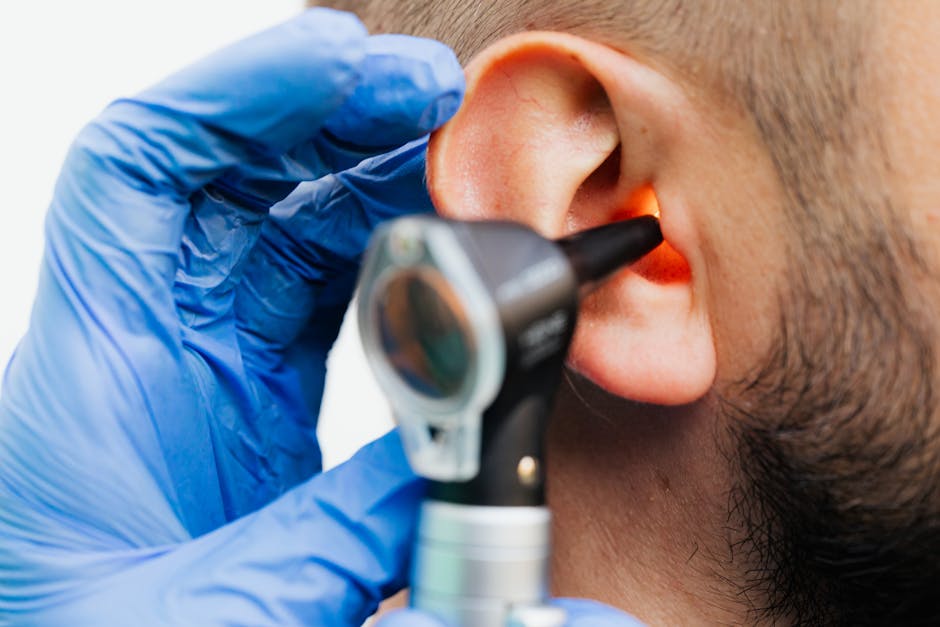
The practical framework: try self-care for the first 24 hours. Still blocked at 48 to 72 hours, see a GP. Still symptomatic after a week, an ENT referral is appropriate. At Doctor Bangkok, we can examine your eardrum with an otoscope on the same visit, prescribe treatment if needed, and tell you whether specialist follow-up is required. If you are staying in a hotel or serviced apartment, our doctor-on-call service can reach you anywhere in Bangkok within an hour. If your travel insurance covers private care, we work with most policies directly through our travel insurance clinic.
Signs of a Perforated Eardrum
A perforated eardrum is a small tear caused by pressure building up enough to rupture the eardrum, or from blowing too forcefully during a Valsalva manoeuvre.
Here is what catches people off guard: a perforation can feel like sudden relief. The pain eases because the pressure has released. But what follows is a noticeable drop in hearing and sometimes a ringing in the ear.
Other signs include discharge from the ear, which may be clear, bloody, or yellow, and dizziness or vertigo. These symptoms need same-day assessment. A doctor looking directly at the eardrum can confirm whether a tear is present. Most small perforations heal on their own over several weeks, but they need monitoring and you should keep water out of the ear until they do. A large or non-healing perforation may need an ENT procedure.
If you have any of these symptoms after landing, do not wait. You can walk in to Doctor Bangkok at any hour, or we can send a doctor to you. See our ear infection and ear pain care page for more on what we assess and treat.
Still blocked after landing in Bangkok? Doctor Bangkok is open 24/7 on Sukhumvit Soi 13, with walk-in appointments any time of day or night. If you cannot make it to the clinic, our doctor-on-call service comes to your hotel or condo anywhere in Bangkok within one hour. We can examine your eardrum, assess for a perforation or ear infection, and prescribe treatment on the same visit. If your travel insurance covers private medical care, we work with most policies directly. Contact us to book or just walk in.
FAQ
Dr. Ponlawat Pitsuwan
Physician, Doctor Bangkok
a private medical clinic in central Bangkok open 24/7, with a doctor-on-call service that reaches your hotel or condo within one hour. He sees expats, residents, and medical tourists for ear, nose, and throat complaints, travel health concerns, and general medical consultations, including post-flight ear assessments and eardrum examinations. His focus is straightforward, evidence-based care delivered in plain language.
References
The information in this article is for educational purposes only and does not constitute medical advice. It should not be used to self-diagnose or replace a consultation with a qualified physician. If you have concerns about your health, contact a licensed medical professional. For appointments at Doctor Bangkok, visit doctorbangkok.co.th.
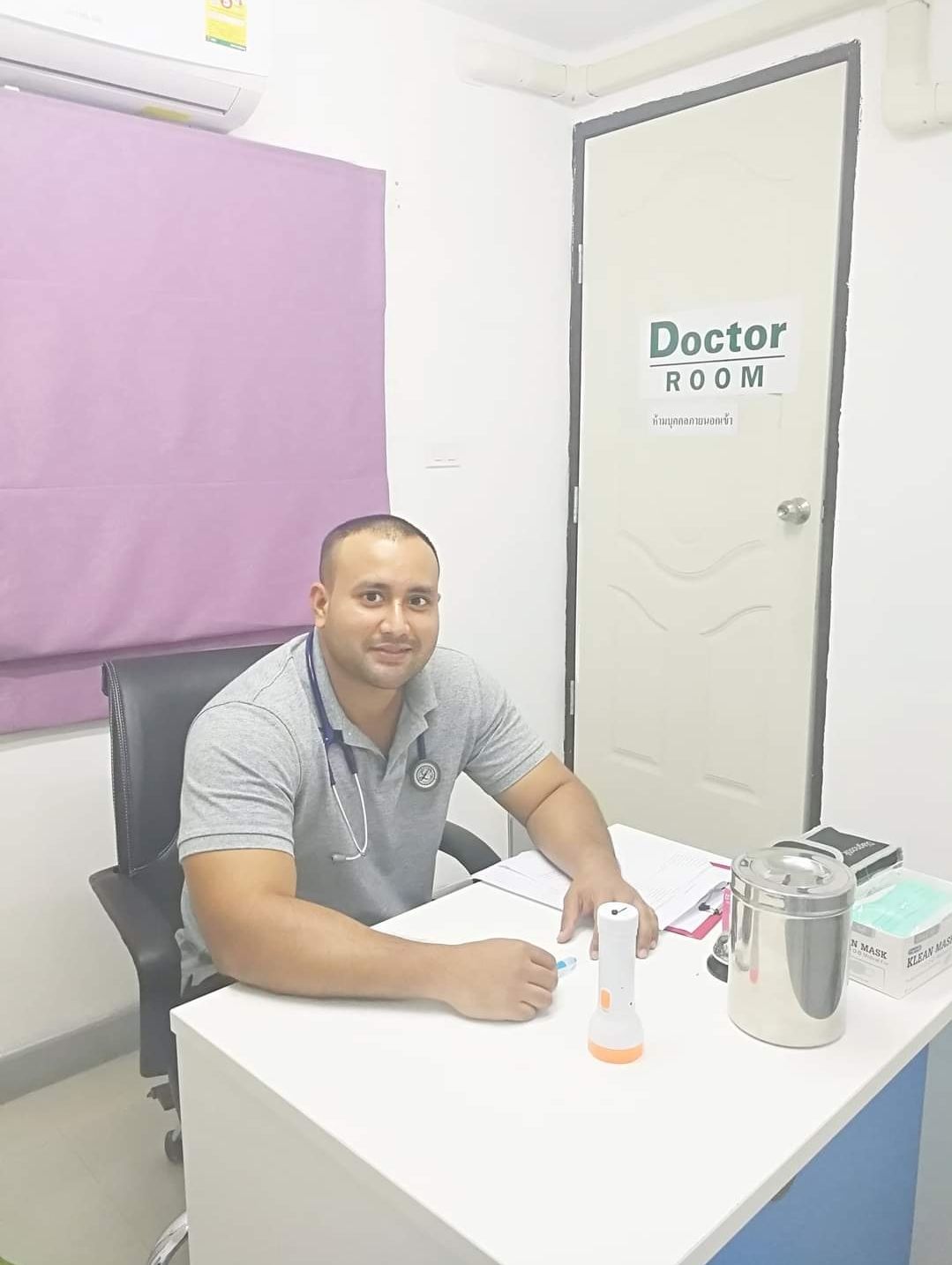
Dr. Ponlawat Pitsuwan is a physician at Doctor Bangkok, a private clinic in central Bangkok. He sees expats, residents, and medical tourists for general medicine, wellness consultations, and IV therapy. His focus is straightforward, evidence-based care delivered in plain language.