
Clinically reviewed by Dr. Ponlawat Pitsuwan, Physician, Doctor Bangkok.
Last reviewed: November 2026
Thailand has two flu peaks each year: a larger one from June to September during the rainy season, and a smaller one from December to February during the cool season. Influenza vaccine is available year-round at private clinics in Bangkok. If you develop flu symptoms, antivirals work best within 48 hours of feeling ill. Do not wait to be seen.
You have been in Bangkok a few weeks, the rains have started, and now everyone around you on the BTS is coughing. Flu in Thailand does not follow the same calendar as back home. If you arrived with last winter’s flu shot from Europe or North America, you may have less protection than you think.
This article covers both flu peaks, who is most at risk, and what to do if you get sick. Whether you need a vaccine, a rapid test, or antivirals at your hotel, here is what actually matters for staying well in Bangkok.

Thailand Has Two Flu Peaks
The reality is that Thailand sees influenza activity in two distinct windows each year, according to Thailand’s Department of Disease Control surveillance data.
The main peak runs from roughly June to September. This lines up with the rainy season, when people spend more time indoors, air conditioning runs constantly, and the BTS and MRT carriages are packed with windows shut. Respiratory viruses move easily through recirculated air.
The second peak is smaller but real. It runs from around December to February during the cool season. Temperatures drop, people gather more indoors, and international travel increases. If you arrive in Bangkok in January thinking flu season is over, it is not.
RSV, a respiratory virus that affects children and older adults, tends to co-circulate with influenza during both peak windows. RSV does not respond to flu antivirals, which is why getting an accurate diagnosis matters rather than treating by assumption.
Who Is Most at Risk During Flu Season in Thailand
Flu hits hardest in the same groups everywhere: adults over 60, pregnant women, children under five, and anyone with a chronic health condition such as asthma, diabetes, or heart disease. If you are immunocompromised, your risk of a severe course is higher.
Expats who commute daily on the BTS or MRT, work in open-plan offices, or spend time in large shopping malls face higher daily exposure than they might at home. Bangkok’s density and air conditioning make it an efficient environment for respiratory virus spread.
Children in Bangkok’s international schools are worth a specific mention. Thailand’s school calendar starts in May and again in August, which overlaps directly with the rainy-season flu peak. Kids are efficient at spreading flu through households, so vaccinating school-age children protects the whole family.
Getting a Flu Vaccine in Bangkok
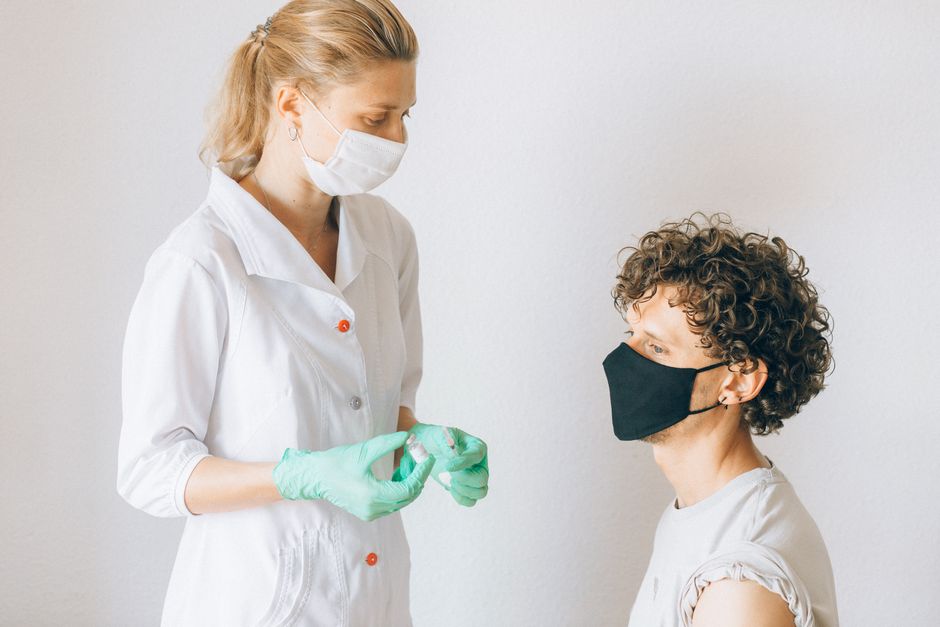
Walk into almost any private clinic in Bangkok and you can get a flu shot the same day. At Doctor Bangkok’s walk-in clinic on Sukhumvit Soi 13, the influenza vaccine is available year-round, no appointment needed.
The strain selection question matters more here than many visitors realise. The WHO issues separate strain recommendations for the Northern Hemisphere and the Southern Hemisphere each year. Thailand follows the Southern Hemisphere recommendations. If you received a Northern Hemisphere flu jab in October or November before flying to Bangkok, the strains in that vaccine may not match what is circulating during Bangkok’s rainy-season peak.
This does not mean your previous vaccine was wasted. It means you should discuss your vaccination history with the doctor and consider a Thailand-formulated influenza vaccine before the main peak begins. Get vaccinated at least two weeks before the season starts to allow immunity to build. If you are already in peak season, get vaccinated now.
For 2026, WHO recommendations for the Southern Hemisphere dropped the B/Yamagata lineage, so vaccines available now are typically trivalent, covering two influenza A subtypes and one influenza B lineage. Ask your doctor which formulation is currently stocked when you attend. For a full picture of vaccines available before or during your stay, see the Doctor Bangkok travel vaccinations page.
Antivirals and When They Help
The 48-hour window is the detail most expats miss. Oseltamivir reduces the severity and duration of flu, but only if you start it within 48 hours of your first symptoms. After that window closes, it offers little benefit for otherwise healthy adults.
This creates a specific problem for visitors. You feel rough on a Tuesday evening in your hotel room. You decide to wait and see. By Thursday morning, the window is gone. If you are over 60, pregnant, immunocompromised, or have a chronic health condition, early antiviral treatment is especially important and your doctor may advise it without waiting for a test result.
Doctor Bangkok’s doctor-on-call service sends a physician to your hotel or condo anywhere in central Bangkok, day or night. The doctor can run a rapid influenza diagnostic test at your bedside, confirm whether you have flu or something else, and issue an oseltamivir prescription on the spot if appropriate. You do not need to get dressed, take a taxi, or sit in a waiting room while infectious.
One important note: antivirals for flu do not treat herpes-family viruses. Flu stress on the immune system can trigger cold sore outbreaks alongside flu symptoms. If that happens, those require separate assessment and different treatment.
For hotel room recovery, the main priorities are hydration, rest, and fever management with paracetamol. Avoid ibuprofen if there is any possibility your fever is from dengue rather than flu. The two can look similar in the first day or two.
Avoiding Flu on the BTS, MRT and Flights
Bangkok’s BTS Skytrain and MRT subway are among the city’s most efficient flu transmission environments. During peak hours on the Sukhumvit and Silom lines, carriages are standing-room only. This is not a reason to avoid the trains, but it is a reason to be practical.
A light surgical mask during the June to September peak and December to February secondary peak reduces your inhalation risk in enclosed, crowded spaces. Wash or sanitise your hands after each journey, and avoid touching your face until you do.
Long-haul flights into Suvarnabhumi or Don Mueang deserve a mention. Cabin air is recirculated, humidity is very low, and passengers are in close proximity for many hours. Your immune response is mildly suppressed after a long flight. If you arrive during Bangkok’s flu peak, you are walking off the plane in a mildly vulnerable state into one of the busiest transit hubs in Southeast Asia. Getting vaccinated before you travel, not on arrival, is the safer approach.
If you develop fever, cough, or body aches within a few days of arriving in Bangkok, do not dismiss it as jet lag. Get assessed. The 48-hour antiviral window runs from the first symptoms, not from when you decide it is serious.
Flu or Something Else? A Bangkok Reality Check
Bangkok’s wet season brings more than just flu. Dengue fever, COVID-19, RSV, and other respiratory infections all circulate at the same time. Some of them look almost identical in the first 24 to 48 hours.
Dengue tends to cause intense pain behind the eyes, a skin rash appearing after two to three days of fever, and no significant respiratory symptoms. Flu almost always involves a cough, sore throat, or runny nose from early on. Both cause high fever and severe body aches.
Do not take ibuprofen or aspirin for fever in Bangkok during the rainy season without being assessed first. Both increase bleeding risk in dengue. Paracetamol is the safe choice while you wait to be seen.
If your fever is high, you feel significantly unwell, or symptoms are not following a typical flu pattern, get a proper assessment. A rapid flu test and a dengue antigen test can both be done the same day. Doctor Bangkok can arrange both at the clinic in Sukhumvit or during a hotel visit, so you are not guessing and self-treating the wrong condition.
Need to be seen now? If you have flu symptoms in Bangkok, the 48-hour antiviral window closes fast. Doctor Bangkok is open 24/7 at Trendy Office, Sukhumvit Soi 13. Walk in anytime, or use the doctor-on-call service and a physician comes to your hotel or condo. Influenza vaccine is available year-round. For fever, rapid flu testing, antiviral prescriptions, or dengue assessment, contact Doctor Bangkok before the window closes.
Frequently Asked Questions
Dr. Ponlawat Pitsuwan
Physician, Doctor Bangkok
a private medical clinic in central Bangkok, open 24/7, with a doctor-on-call service that comes to your hotel or condo. He sees expats, residents, and medical tourists for flu assessment, rapid infectious disease testing, antiviral prescriptions, vaccination, and general medical consultations. His focus is straightforward, evidence-based care delivered in plain language.
References
- World Health Organization. Recommended composition of influenza virus vaccines for use in the 2026 southern hemisphere influenza season. WHO, 2025.
- Suntronwong N, et al. Climate factors influence seasonal influenza activity in Bangkok, Thailand. PLOS ONE, 2020.
- Thailand Department of Disease Control, Ministry of Public Health. Influenza Surveillance and Forecast. DDC, 2020.
- Centers for Disease Control and Prevention. Influenza Antiviral Medications: Summary for Clinicians. CDC, 2024.
- World Health Organization. Influenza (Seasonal) Fact Sheet. WHO, 2023.)
- Prachayangprecha S, et al. Epidemiology of seasonal influenza in Bangkok between 2009 and 2012. Journal of Infection in Developing Countries, 2014.
The information in this article is for educational purposes only and does not constitute medical advice. It should not be used to self-diagnose or replace a consultation with a qualified physician. If you have concerns about your health, contact a licensed medical professional. For appointments at Doctor Bangkok, visit doctorbangkok.co.th.
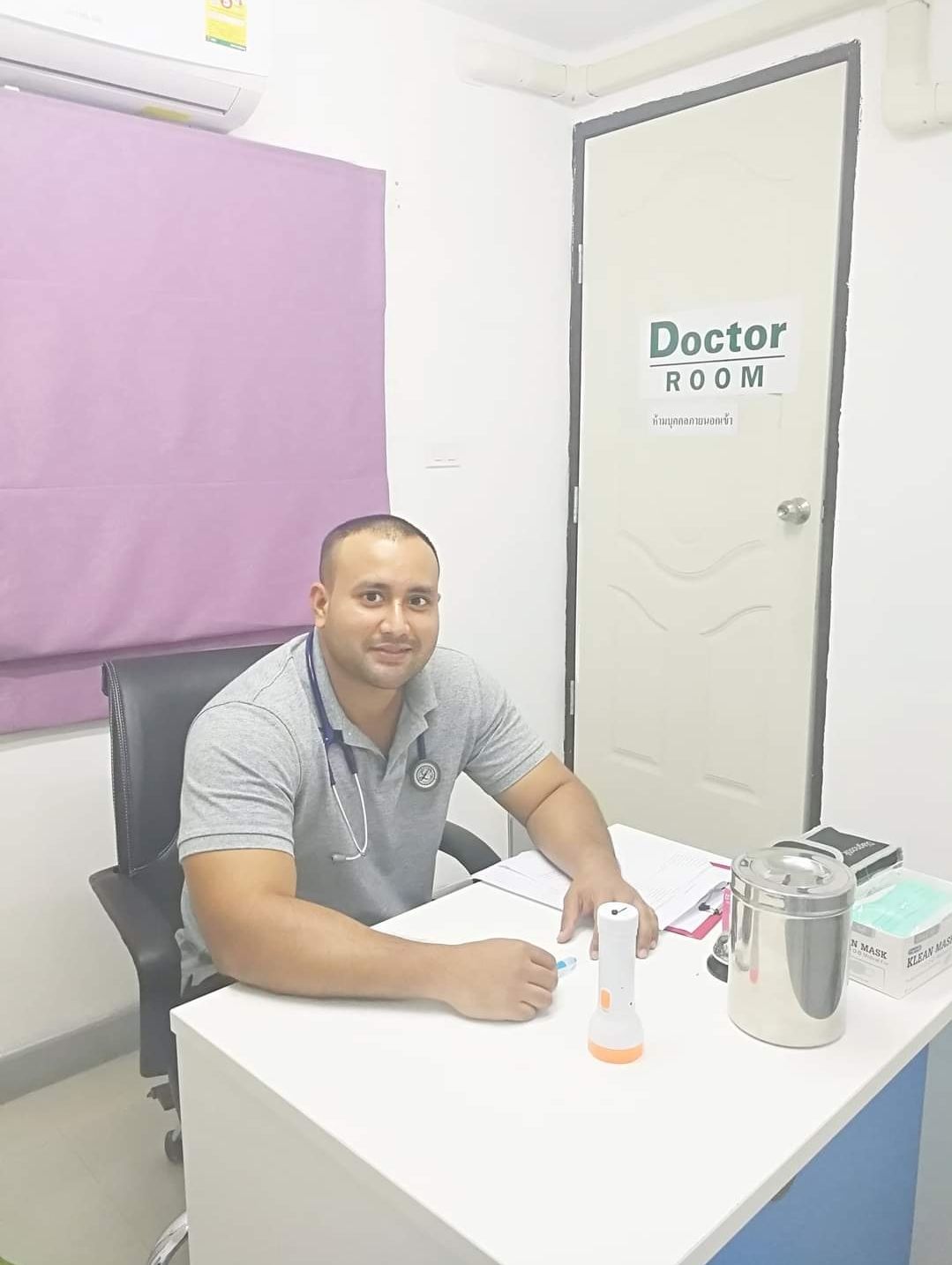
Dr. Ponlawat Pitsuwan is a physician at Doctor Bangkok, a private clinic in central Bangkok. He sees expats, residents, and medical tourists for general medicine, wellness consultations, and IV therapy. His focus is straightforward, evidence-based care delivered in plain language.