
Clinically reviewed by Dr. Ponlawat Pitsuwan, Physician, Doctor Bangkok.
Last reviewed: November 2026
Most antibiotics in Thailand fall under a category called "dangerous drugs," which licensed pharmacies can dispense without a prescription. That makes them easy to buy, but easy to buy is not the same as safe to take without a diagnosis. The wrong antibiotic for the wrong infection can mask something serious, cause an allergic reaction, or contribute to resistance without helping you at all.
The pharmacy is on the ground floor of your building. You have a sore throat and a fever. It is 8pm and you have a flight at noon tomorrow. Skipping the queue and asking for amoxicillin over the counter is tempting, and in Bangkok, the counter staff are often helpful and English-speaking.
Here is the problem. A pharmacist cannot test whether your infection is bacterial or viral. Most respiratory infections in Bangkok are viral. Antibiotics do nothing for viral infections. Knowing whether you actually need one, and which one, requires a clinical assessment.

What Thai Pharmacies Can Legally Sell
Thailand’s Food and Drug Administration classifies medicines into tiers. Most common oral antibiotics, including amoxicillin, doxycycline, and azithromycin, fall under a tier called "dangerous drugs." Despite the name, pharmacies licensed to dispense this category can hand them over without a prescription.
A second tier, "specially controlled drugs," covers injectables and certain higher-risk antibiotics. These require stricter handling and cannot be sold the same way.
So yes, over-the-counter antibiotic dispensing happens routinely in Thailand. The clinical question is separate from the legal one. A pharmacist cannot examine your throat, check your lymph nodes, or run a rapid test to confirm what is actually causing your symptoms.
Why Antibiotics Do Not Help Colds and Flu
Antibiotics target bacteria. Colds, flu, and most sore throats are caused by viruses. Taking an antibiotic for a viral upper respiratory infection does not shorten your illness, reduce your fever, or stop the virus spreading.
If you have influenza, there is an antiviral option, oseltamivir, that can reduce illness duration. It needs to be started within 48 hours of symptoms beginning. If you spend those 48 hours self-treating with antibiotics from a pharmacy, you may miss the window where antiviral treatment would actually help.
The only respiratory infections that reliably respond to antibiotics are bacterial ones: strep throat confirmed by a swab, bacterial pneumonia, or sinusitis that has persisted beyond the typical viral course. Without a test, you cannot distinguish these from a viral illness by symptoms alone. Our guide to the risks of taking antibiotics without a doctor covers this in more detail.

Antibiotic Resistance in Southeast Asia
Thailand has one of the highest rates of antibiotic dispensing without prescription in the region. Years of over-dispensing have driven up resistance to common antibiotics in locally circulating bacteria. The WHO identifies Southeast Asia as a high-burden region for antimicrobial resistance, meaning bacteria that no longer respond to the antibiotics meant to kill them. Thailand’s government has acknowledged this in its National Strategic Plan on AMR.
What this means for you: an antibiotic you buy over the counter may not work against the specific bacteria causing your infection. The only way to know which antibiotic a bacterium is sensitive to is a culture and sensitivity test. A clinic can arrange this. In straightforward cases, a physical examination and clinical assessment can often guide the right choice without waiting for lab results.
Risks of Self-Treating With Antibiotics in Bangkok
The obvious risk is treating the wrong thing. There are three others worth knowing.
First, masking. A partially treated bacterial infection may feel better on the surface while the bacteria persist. Untreated strep throat can lead to complications including rheumatic fever. A urinary tract infection treated with the wrong antibiotic or wrong dose can progress to a kidney infection if bacteria are not fully cleared.
Second, allergic reaction. Penicillin-class antibiotics, including amoxicillin, carry a risk of anaphylaxis, a severe and potentially life-threatening allergic response. If you react badly to an antibiotic with no doctor present, you are on your own. Signs of anaphylaxis include throat tightening, difficulty breathing, rapid swelling of the face or lips, and a sudden drop in blood pressure. These need emergency care immediately. For information on managing serious allergic reactions, see our allergy treatment page. Some antibiotics also have important contraindications: doxycycline should not be taken during pregnancy, and azithromycin carries a risk of serious heart rhythm problems in people with certain cardiac conditions or who take other QT-prolonging drugs.
Third, drug interactions. Antibiotics interact with several common medications, including blood thinners and certain antifungals. A pharmacist at a busy counter may not have your full medication list.
There is also a Bangkok-specific risk worth flagging. Some tourist-area pharmacies stock improperly stored or counterfeit medicines. These may ease symptoms slightly without clearing the infection, leaving you thinking you are better when you are not.
When to Get a Prescription From a Doctor
The short answer: whenever you think you need an antibiotic. A doctor can confirm in one visit whether antibiotics are warranted, which one is appropriate, and whether something else would serve you better.
At Doctor Bangkok, a clinical assessment for a suspected infection takes one consultation. We can do a rapid strep test for a sore throat, a urine dipstick for a suspected UTI, or a full throat examination on the spot. If antibiotics are indicated, we prescribe the right one at the right dose for the right duration. If they are not, we tell you that and explain what will actually help. You can walk in to our clinic at Trendy Office on Soi Sukhumvit 13, open 24 hours every day. See the walk-in clinic page for directions.
If you feel too unwell to travel, our doctor hotel visit service sends a physician to your hotel or condo anywhere in Bangkok. The doctor assesses you in person, runs any point-of-care tests needed, and issues a prescription on-site if antibiotics are genuinely the right call. This is faster than a hospital queue and avoids the risks of a pharmacy counter.
One practical note: if you have travel insurance, your policy may cover a private doctor visit at no cost to you. See our travel insurance and cashless treatment page for how that works at Doctor Bangkok.
Not sure whether you need an antibiotic? Doctor Bangkok is open 24 hours, 7 days a week. Walk in to our clinic on Soi Sukhumvit 13, or book a doctor-on-call visit to your hotel or condo. A physician will assess you, run any tests needed, and prescribe only what is genuinely warranted. Contact us or use the button below to request a same-day appointment.
Frequently Asked Questions
Dr. Ponlawat Pitsuwan
Physician, Doctor Bangkok
a private medical clinic in central Bangkok open 24/7, with a doctor-on-call service that reaches your hotel or condo within the hour. He sees expats, residents, and medical tourists for general consultations, infection assessment, and prescription services, including antibiotic evaluation and respiratory illness. His approach is straightforward, evidence-based care delivered in plain language.
References
- World Health Organization. Antimicrobial resistance: Thailand country overview. WHO Thailand, 2024.
- Centers for Disease Control and Prevention. Influenza Antiviral Medications: Summary for Clinicians. CDC, 2024.
- Tangcharoensathien V, et al. Antimicrobial resistance: from global agenda to national strategic plan, Thailand. Bulletin of the World Health Organization, 2017.
- Blumenthal KG, et al. Evaluation and Management of Penicillin Allergy: A Review. JAMA, 2019.
The information in this article is for educational purposes only and does not constitute medical advice. It should not be used to self-diagnose or replace a consultation with a qualified physician. If you have concerns about your health, contact a licensed medical professional. For appointments at Doctor Bangkok, visit doctorbangkok.co.th.
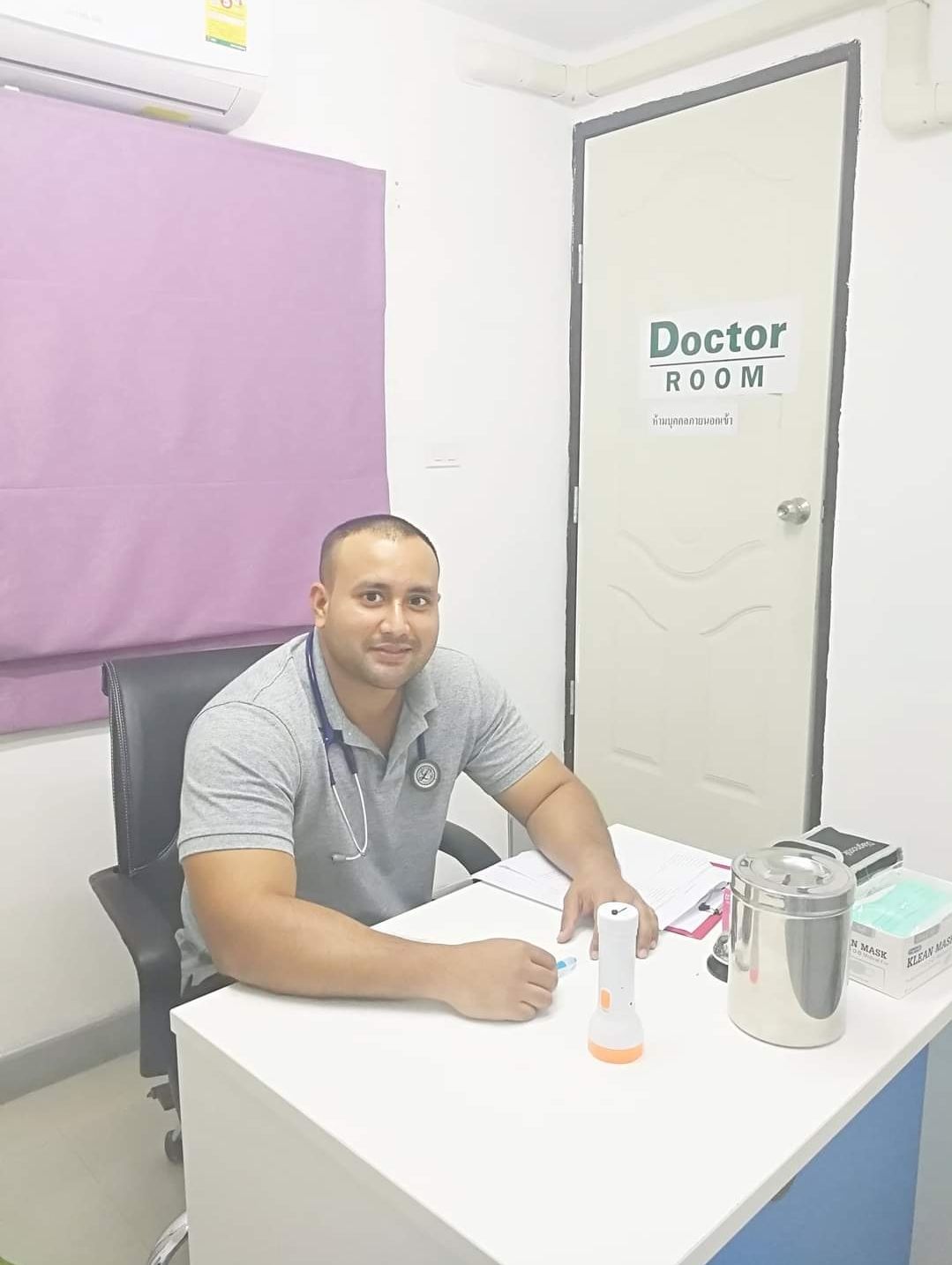
Dr. Ponlawat Pitsuwan is a physician at Doctor Bangkok, a private clinic in central Bangkok. He sees expats, residents, and medical tourists for general medicine, wellness consultations, and IV therapy. His focus is straightforward, evidence-based care delivered in plain language.