
Clinically reviewed by Dr. Ponlawat Pitsuwan, Physician, Doctor Bangkok. Last reviewed: August 2026
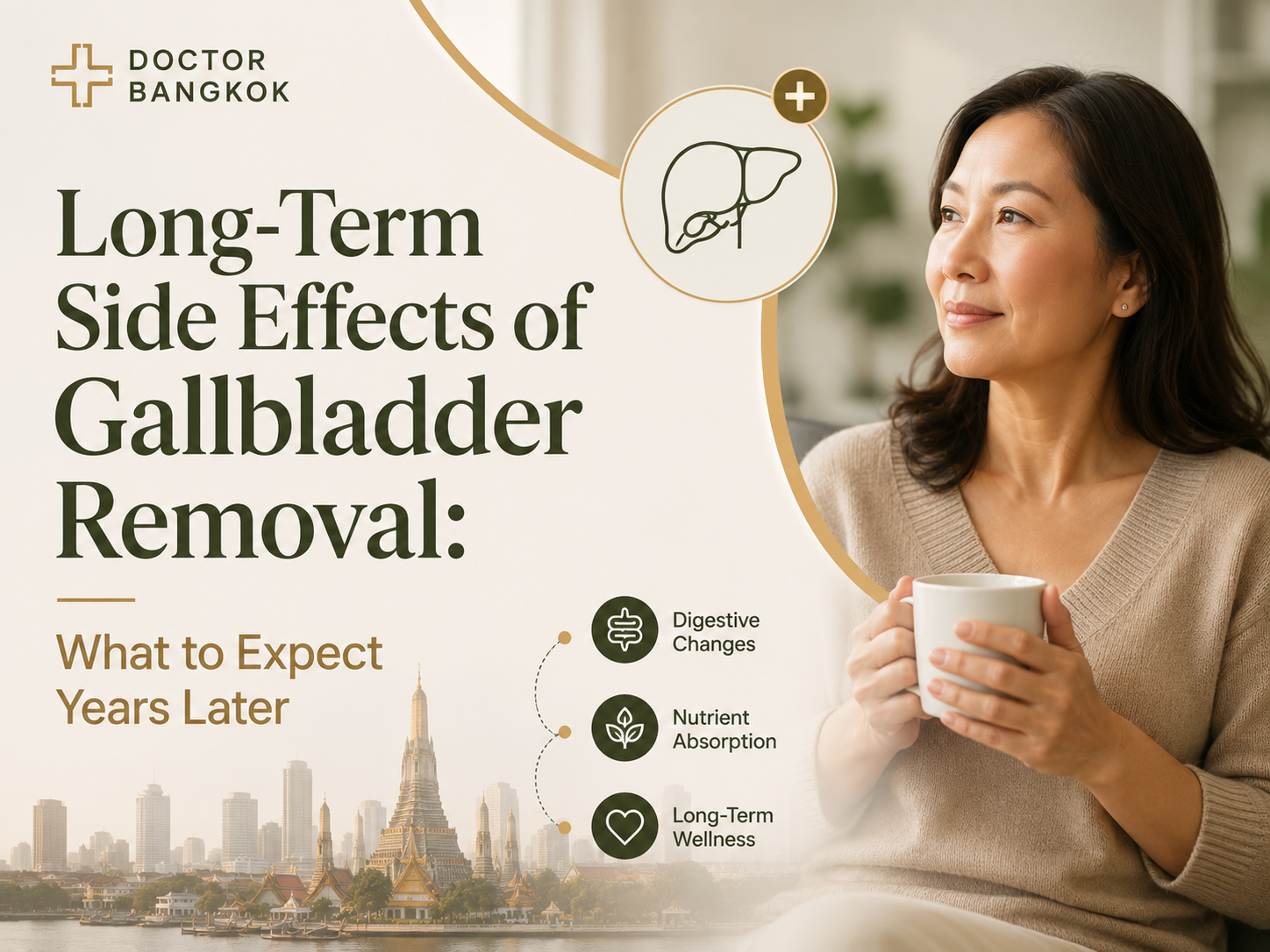
Most people feel better within weeks of gallbladder removal, but a meaningful number develop symptoms that last months or years. Chronic diarrhoea, bloating, and upper abdominal pain are the most common long-term side effects. When symptoms persist beyond six months, get a proper evaluation rather than assuming they will pass on their own.
If your gallbladder came out a year ago and your digestion still is not right, you are not imagining it. I see this regularly, usually expats who had surgery back home or at a Thai hospital and assumed everything would settle. It did not, and now they are reading this between meetings or before a flight.
The honest answer is that most people do fine long term. But a real minority do not. Some develop chronic diarrhoea that never fully resolves. Some have ongoing pain that nobody has properly investigated. And a few have rare complications that took years to surface. This article covers all of it, without softening the parts most clinic websites skip.

What Actually Changes When the Gallbladder Is Gone
Before surgery, your gallbladder stored bile and released it in controlled bursts when you ate a fatty meal. After removal, your liver keeps producing bile, but it now drips continuously into your small intestine, whether you are eating or not.
This constant drip is manageable for most people. The intestine adapts over time. But in some patients, bile reaches the colon faster than it can be absorbed. That is what drives the loose stools and urgency that can persist for months or years after surgery.
Short-Term vs Long-Term Side Effects: What Is Normal and When to Act
The first six weeks after surgery are a transition period. Loose stools, gas, bloating, and some right-sided discomfort are all normal during this time.
| Timeframe | Typically Normal | Warrants Review |
|---|---|---|
| Weeks 1–6 | Loose stools, gas, mild bloating, fatigue | Fever, jaundice, severe pain |
| Months 3–6 | Gradual improvement in bowel habits | Diarrhoea still daily, significant weight loss |
| Beyond 6–12 months | Mostly normal digestion for most people | Persistent diarrhoea, chronic upper abdominal pain |
| Years later | Occasional fatty food intolerance in some | Jaundice, dark urine, right upper quadrant pain with fever |
If you are still having daily diarrhoea at the six-month mark, that is not normal recovery. That is a symptom worth investigating.

Long-Term Side Effects of Gallbladder Removal: The Full Picture
Most people settle into mostly normal digestion within a few months. But these are the side effects that can genuinely persist.
Bile acid diarrhoea is the most common long-term issue. Excess bile reaching the colon causes loose, urgent stools. Some patients describe needing to rush to the toilet within thirty minutes of eating. It is often misidentified as irritable bowel syndrome, which means the right treatment gets missed.
Bloating and gas are also common, particularly with fatty or spicy food. The community of bacteria in your gut shifts after surgery because bile composition changes. This can drive gas, discomfort, and altered bowel habits that persist well past the recovery window.
Some patients notice changes in cholesterol and triglyceride levels after surgery. The gallbladder plays a role in managing cholesterol within bile, and without it, some people see shifts in their blood lipids. This is worth checking if you are due for a health screen.
Bowel urgency, the sudden need to go with very little warning, is another complaint I hear often. It tends to improve with dietary adjustments but can be chronic in some patients.
Post-Cholecystectomy Syndrome: When Symptoms Do Not Go Away
Post-cholecystectomy syndrome, or PCS, is the term for persistent symptoms that continue or return after gallbladder removal. It is more common than most patients are told before surgery.
The tricky part is that PCS does not always mean something went wrong surgically. Sometimes it is genuinely bile-related: poor bile acid absorption, a retained stone in the bile duct, or a narrowing in the biliary system. But sometimes gallbladder removal simply unmasked a pre-existing condition like irritable bowel syndrome or small intestinal bacterial overgrowth that was always there but blamed on the gallbladder.
This matters because the treatment is completely different depending on the cause. If your symptoms have not improved by six months post-surgery, a proper evaluation is the right next step, not more waiting.
Rare but Serious Long-Term Complications
Most patients never encounter these. But expats managing their own healthcare in Bangkok deserve to know they exist.
Retained gallstones can cause problems years after surgery. If a stone was not retrieved during the operation, it can cause abscess formation or chronic infection much later. These cases are uncommon but do present.
Bile duct injury is a known risk of gallbladder surgery. When it occurs, it can lead to a stricture, a narrowing of the bile duct, that causes bile to back up into the liver over years. In serious untreated cases, this can progress to secondary biliary cirrhosis, a form of liver damage caused by prolonged bile obstruction.
The symptoms of a missed bile duct injury are ones you should not dismiss: recurrent jaundice, right upper abdominal pain, and darkening of the urine. If you have any of these, come in rather than waiting to see if they settle.
Living in Bangkok After Gallbladder Removal: Practical Advice
Bangkok is not an easy city for post-cholecystectomy digestion. Thai food culture is built around exactly the ingredients that tend to cause the most trouble: coconut milk curries, palm oil, deep-fried street food, and heavily spiced preparations.
This does not mean you cannot eat Thai food. It means you reintroduce it gradually and track what triggers symptoms for you specifically. Steamed fish with jasmine rice, clear tom yum without coconut milk, and grilled chicken with simple sauces are much gentler starting points than a green curry or pad kra pao loaded with oil.
Alcohol is worth flagging separately. In the first three to six months after surgery, it can significantly worsen bile acid diarrhoea. Long term, most people tolerate moderate amounts, but heavy regular drinking puts extra strain on a liver that is now managing bile production alone.
A soluble fibre supplement like psyllium husk can help bind bile acids in the colon and reduce urgency and loose stools. It is a practical, evidence-based first step that most patients are never told about.
Medications That Help Long-Term Symptoms
Diet alone does not resolve symptoms for everyone. There are medical options worth knowing about.
Bile acid sequestrants, the most commonly used being cholestyramine, bind bile acids in the gut and reduce the diarrhoea they cause. The evidence for these in bile acid diarrhoea is solid. They are not a cure, but they work well for many patients when taken consistently.
Some patients benefit from probiotics, particularly when symptoms seem linked to gut changes after surgery. The evidence is still developing, but the risk is low and some patients notice real improvement.
If your symptoms suggest something more structural, such as pain, jaundice, or recurrent infections, you need imaging and blood tests. We run an abdominal ultrasound to look for bile duct changes or retained stones, and liver function tests to pick up biliary obstruction early. At Doctor Bangkok, these can usually be arranged at the same visit.
When to Seek Medical Help in Bangkok
Some symptoms after gallbladder removal are worth monitoring. Others need attention the same day.
Come in promptly if you notice yellowing of the skin or eyes, dark tea-coloured urine, pale stools, fever with right-sided abdominal pain, or unintentional weight loss. These are not routine digestive complaints. They point to something structural that needs evaluation.
For ongoing symptoms that are not urgent but are not resolving, a general medical consultation is the right starting point. A blood panel and abdominal assessment can tell us whether your symptoms are functional, manageable with diet and medication, or structural, requiring further investigation. You do not need to keep waiting to see if things improve on their own.
Had your gallbladder removed and still having digestive problems? Doctor Bangkok offers general medical consultations with English-speaking physicians in central Bangkok, BTS accessible. Whether you need blood tests, liver function panels, an abdominal assessment, or just a clear conversation about what is going on, we are here. Book online or walk in.
Frequently Asked Questions
Dr. Ponlawat Pitsuwan
Physician, Doctor Bangkok
a private medical clinic in central Bangkok. He sees expats, residents, and medical tourists for general medical consultations, digestive health concerns, post-surgical follow-up, and ongoing symptom management. His focus is straightforward, evidence-based care delivered in plain language.
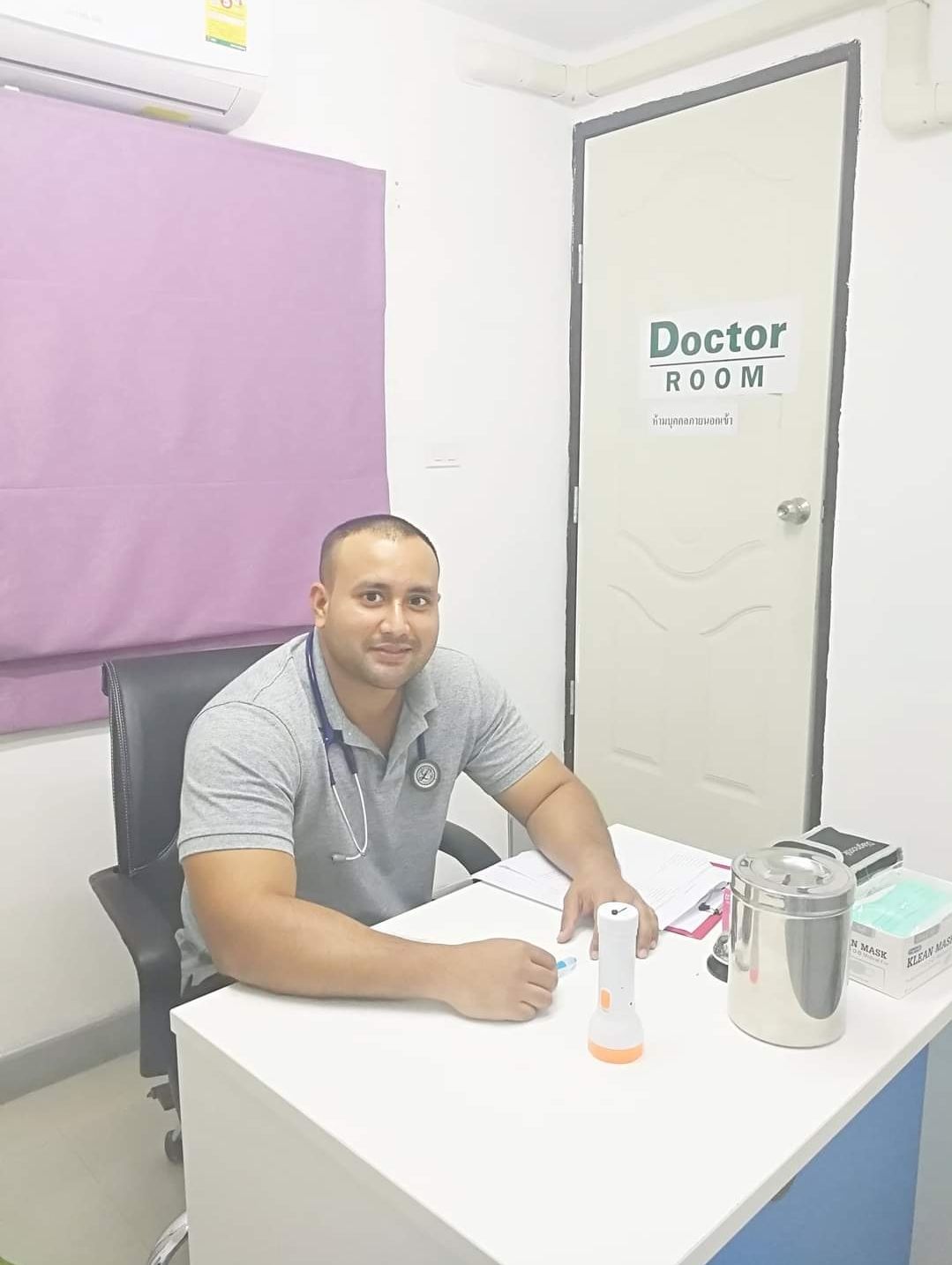
Dr. Ponlawat Pitsuwan is a physician at Doctor Bangkok, a private clinic in central Bangkok. He sees expats, residents, and medical tourists for general medicine, wellness consultations, and IV therapy. His focus is straightforward, evidence-based care delivered in plain language.