

Clinically reviewed by Dr. Ponlawat Pitsuwan, Physician, Doctor Bangkok. Last reviewed: August 2026
Most people recover from laparoscopic gallbladder removal within one to two weeks. Open surgery takes six to eight weeks. The first 48 hours are the most uncomfortable, but serious complications are uncommon. Your diet and activity level in the first two weeks matter more than most patients expect.
I see this question constantly from expats who have just been told they need gallbladder surgery, or who have had it done and are not sure what is normal. You are in Bangkok, far from your regular doctor, and you want a straight answer.
The honest answer is: laparoscopic surgery, the keyhole approach used in most cases, is faster and less painful than most patients fear. But a few things catch expats off guard specifically here. Shoulder pain that seems to come from nowhere. Digestive changes nobody warned them about. And trying to eat safely in a city where every meal seems to involve coconut cream or chilli oil. This article covers all of it.

What Gallbladder Removal Involves and Why It Is Done
Your gallbladder stores bile, a fluid your liver makes to help digest fat. When gallstones form and block bile flow, you get attacks of sharp upper abdominal pain. If the gallbladder becomes inflamed or infected, that usually needs urgent treatment.
When dietary changes are not enough, removal is the solution. An abdominal ultrasound is the standard first step to confirm gallstones before any surgical referral. Once the gallbladder is out, your liver still produces bile. It flows directly into the small intestine rather than being stored first. Most people adjust well within a few weeks.
Laparoscopic vs Open Surgery: How the Approach Shapes Your Gallbladder Removal Recovery Time
This distinction matters more than almost anything else when planning your recovery.
Laparoscopic cholecystectomy uses three or four small incisions and a camera. Most patients go home the same day or after one night. Pain is manageable with standard painkillers and eases noticeably by day four or five.
Open cholecystectomy uses a single larger incision. It is reserved for complicated cases: severe infection, unusual anatomy, or situations where keyhole surgery cannot be safely completed. Recovery is a different experience entirely.
| Laparoscopic (Keyhole) | Open Surgery | |
|---|---|---|
| Hospital stay | Same day or 1 night | 3 to 5 days |
| Return to desk work | 1 to 2 weeks | 6 to 8 weeks |
| Return to physical work | 3 to 4 weeks | 8 to 12 weeks |
| Driving | 1 to 2 weeks | 4 to 6 weeks |
| Full activity | 4 to 6 weeks | 8 to 12 weeks |

What to Expect in the First 48 Hours
The first two days are the hardest. That is normal.
Pain at the incision sites is common and controlled with prescribed medication. What surprises most patients is right shoulder pain, sometimes both shoulders, that appears out of nowhere. This comes from residual carbon dioxide gas used to inflate the abdomen during surgery. The gas irritates the diaphragm, and the brain reads it as shoulder pain. It is not dangerous. It peaks around 24 to 48 hours post-op and clears within two to three days. Gentle walking helps it resolve faster than lying still.
Fatigue is significant in these first days. Do not push through it. If you are in a Bangkok apartment or hotel, plan for short gentle walks, small meals, and genuine rest. Avoid motorcycle taxis and any vehicle that accelerates hard or brakes suddenly. Your abdominal wall needs those first days undisturbed.
Week-by-Week Gallbladder Removal Recovery Timeline
Week one. Pain reduces noticeably by day three to five. Most patients manage on paracetamol by the end of the first week. Fatigue remains real. Short walks are fine. Stairs are manageable if taken slowly. No lifting, no gym, no long car rides. If you work remotely, you might read emails by day five, but focused work usually comes later.
Week two. Energy returns. Incision sites are healing, though still tender to touch. Most expats with desk or remote jobs are back to normal hours by the end of week two. Bangkok BTS is generally fine by day ten. Stand away from the doors and avoid rush-hour crowds pressing against your abdomen.
Weeks three and four. Digestive symptoms become the main thing to manage. Looser stools, urgency, and bloating are common as your body adjusts to continuous bile flow. Light exercise is fine. Swimming is usually cleared around week three if wounds are fully closed. If diarrhea is persistent or disrupting daily life, that warrants a review rather than just waiting it out.
Beyond week four. Most patients with laparoscopic surgery feel essentially back to normal by weeks four to six. A small number develop ongoing bloating or loose stools beyond that point. This is sometimes called post-cholecystectomy syndrome. It is manageable and worth discussing with your doctor rather than accepting as permanent.
For open surgery, shift every milestone by about four weeks.
Diet After Gallbladder Removal: Eating in Bangkok During Recovery
The standard low-fat advice was written for patients eating toast and bananas. In Bangkok, your food reality is different.
Avoid for the first two to four weeks: coconut milk curries, deep-fried street food, spicy dishes, fermented ingredients like those in papaya salad, and anything swimming in oil. High-fat food causes your liver to release a surge of bile with nothing to regulate the flow, which leads to cramping and loose stools.
What works well here: plain jasmine rice, jok rice congee, steamed fish, plain chicken, clear broths without coconut milk, and fresh fruit. Most hotel restaurants can prepare plain steamed dishes on request. 7-Eleven congee and plain boiled eggs are practical options if you are managing alone in the first few days.
Reintroduce foods gradually. Coconut milk dishes can come back around week three in small portions for most people. Spicy food usually follows about a week after that if your tolerance is holding up. If fatty food reliably triggers cramping or loose stools, your gut has not fully adjusted yet and you need to slow the reintroduction.
Warning Signs That Need Same-Day Attention
Most recovery is straightforward. But some symptoms need to be seen the same day.
See a doctor immediately if you develop a fever above 38°C, yellowing of the skin or eyes, severe abdominal pain that is getting worse rather than better, dark urine with pale stools, or a wound that is red, hot, swollen, or producing discharge. These can indicate infection, a bile duct injury, or a retained stone, all of which are treatable when caught promptly.
Wound care matters more in Bangkok than in most cities. The heat and humidity here slow wound drying and create conditions where infection can develop faster than you would expect. Keep incision sites clean and dry. Avoid pools, the sea, and Jacuzzis until wounds are fully closed and your surgeon has cleared you. If a wound looks red or wet, get it checked rather than waiting for your next scheduled hospital visit.
Recovering in Bangkok: What Expats Need to Know
Bangkok is practical to recover in, but standard post-op guidance does not cover its specific challenges.
Transport. Avoid motorcycle taxis for at least two weeks after laparoscopic surgery. Grab cars and metered taxis are fine from around day three. Sit in the back, brace gently, and avoid heavy traffic when possible. The BTS is manageable by the end of week one for most people, but factor in stairs and crowding at peak hours.
Accommodation. If you are in a walk-up building without a lift, arrange a ground-floor or low-floor room for the first week. Bangkok’s heat means you will sweat more than you would post-surgery in a cooler climate. Stay hydrated, keep incision areas dry, and check your wounds daily.
Follow-up care. Large Thai private hospitals are excellent for surgery. Their outpatient departments can involve long waits. For post-operative wound checks, symptom reviews, or questions between your scheduled hospital appointments, a smaller central Bangkok clinic is often faster and easier. Doctor Bangkok is BTS accessible and sees expats for exactly this kind of in-between care, including wound assessment and post-op consultations.
Gallbladder Symptoms in Bangkok? Here Is What to Do First
If you have not had surgery yet but have been having attacks of upper right abdominal pain, especially after fatty meals, gallstones are a likely cause worth investigating. The first step is a clinical assessment and an abdominal ultrasound to confirm what is there.
Doctor Bangkok can evaluate your symptoms, arrange appropriate investigations, and refer you to a vetted surgical team in central Bangkok. For expats managing this in an unfamiliar healthcare system, that matters. You do not need to figure out which hospital to call or how to describe your symptoms to a registration desk on your own. Come in, get assessed, and we will take the next steps with you.
If you are recovering from gallbladder surgery in Bangkok, have questions about symptoms you are noticing, or think you may have gallstones and want to know your options, Doctor Bangkok’s central clinic is here. We see expats and medical tourists for post-operative reviews, wound checks, symptom assessment, and surgical referrals. We are BTS accessible, English-speaking, and available for same-day appointments. Contact us to book.
FAQ
Dr. Ponlawat Pitsuwan
Physician, Doctor Bangkok
a private medical clinic in central Bangkok. He sees expats, residents, and medical tourists for post-operative care, general medical consultations, and surgical referrals including gallbladder and abdominal conditions. His focus is straightforward, evidence-based care delivered in plain language.
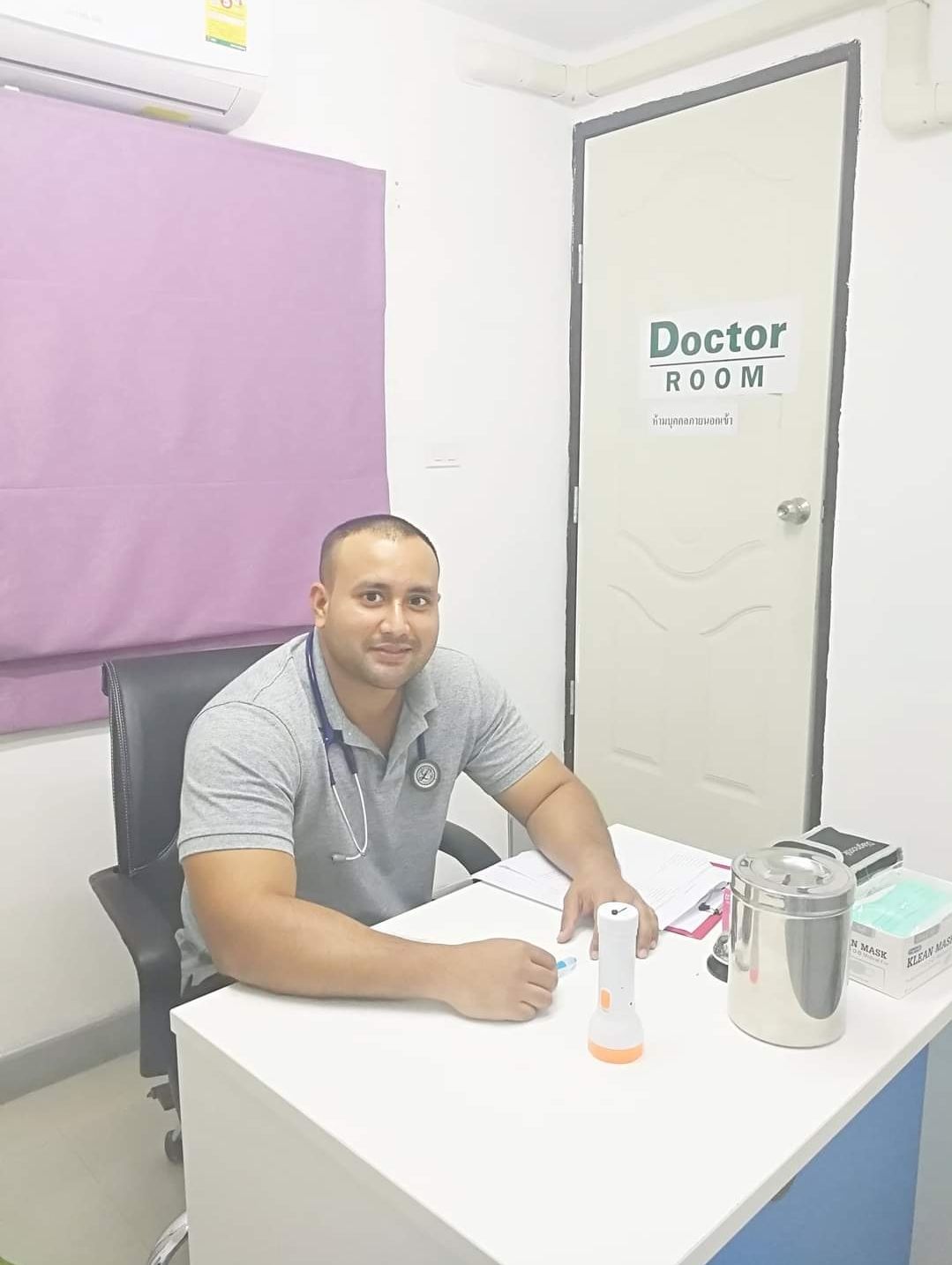
Dr. Ponlawat Pitsuwan is a physician at Doctor Bangkok, a private clinic in central Bangkok. He sees expats, residents, and medical tourists for general medicine, wellness consultations, and IV therapy. His focus is straightforward, evidence-based care delivered in plain language.