
Clinically reviewed by Dr. Ponlawat Pitsuwan, Physician, Doctor Bangkok. Last reviewed: August 2026
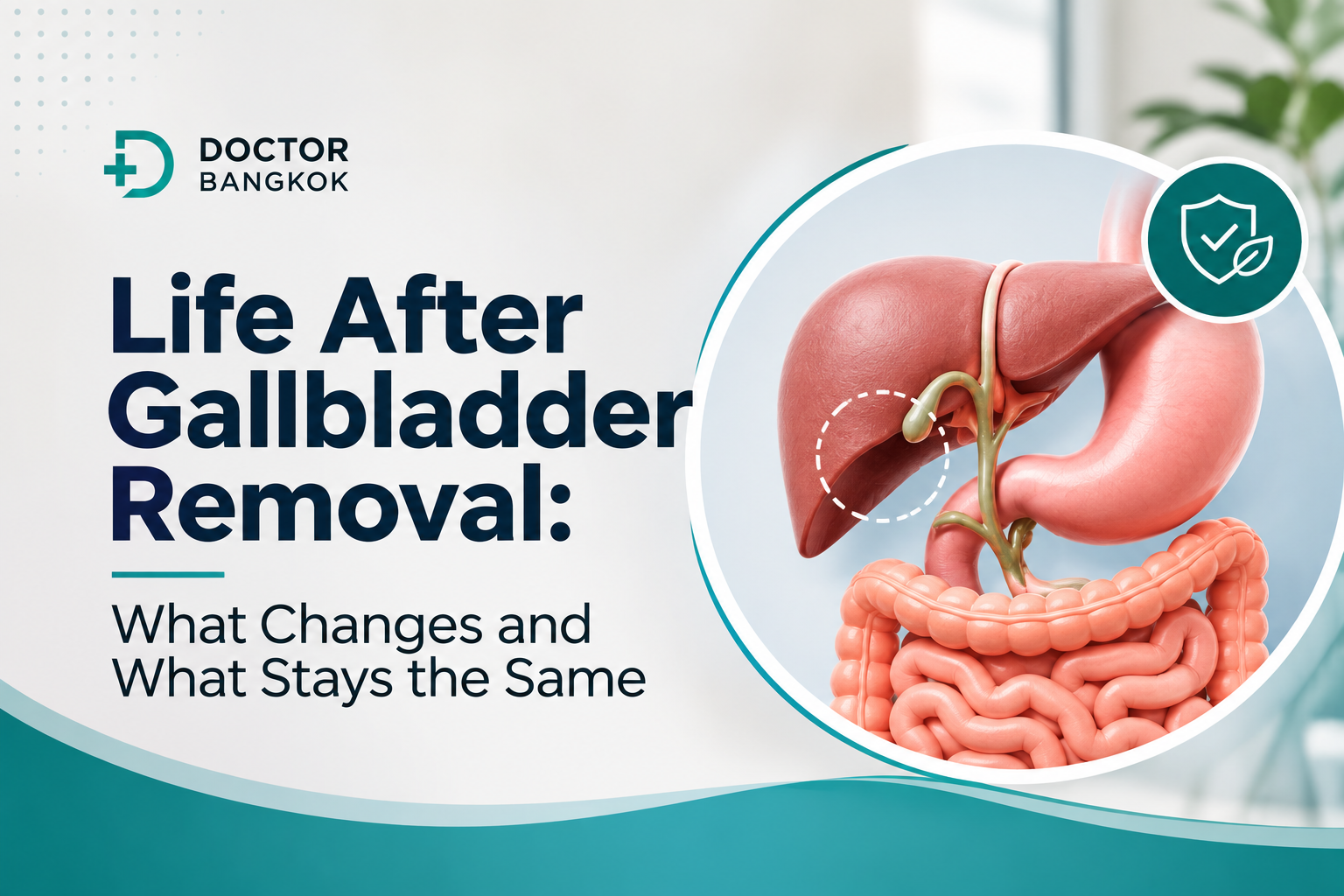
Most people adapt well after gallbladder removal, but your digestion does change. Bile now flows into your intestine continuously instead of being released when you eat. This affects how you handle fatty food, especially in the first few months. Most symptoms settle within three to six months, but some patients need medical support to get there.
A lot of patients come to me weeks after surgery, still dealing with diarrhea or cramping, wondering if something went wrong. Most of the time it did not. But some of them do need help, and the ones who wait too long make it harder on themselves.
If you had your gallbladder out recently, or you are months post-surgery and still not feeling right, here is what you actually need to know. What changes, what is normal, when to worry, and how to eat in Bangkok without spending every afternoon in the bathroom.

Why Your Gut Behaves Differently After Gallbladder Removal
Without your gallbladder, bile flows into your small intestine all the time rather than arriving in a controlled burst when you eat. When you do eat something fatty, your gut has no stored surge to handle it. Fat moves through faster than it should, and your intestine can get irritated.
This is sometimes called bile dumping syndrome. It is not a formal diagnosis, but it describes what many patients feel: loose stools, urgency, and cramping, usually in the hour after a fatty meal. For most people this improves as the body adjusts. Your bile ducts gradually compensate over months.
Some patients feel nearly normal within a few weeks. Others take three to six months. A small number stay symptomatic much longer, and those are the patients who need a proper follow-up.
The Recovery Timeline: Early Days to Six Months
The First Two Weeks
If you had keyhole surgery, most patients are mobile the next day and back to light activity within one to two weeks. Open surgery takes longer, usually four to six weeks before you feel functional. Either way, keep fat intake low in the first two weeks. Your gut is still adjusting and has no tolerance for a rich meal right now.
In Bangkok’s heat, dehydration is a real risk, especially if you have loose stools on top of surgical recovery. Drink water consistently. If diarrhea is frequent and you feel dizzy or weak, address that clinically rather than pushing through.
One to Three Months
This is when most people find their new normal. You can start reintroducing foods that were off-limits earlier, but slowly, one change at a time. If something triggers symptoms, wait another two weeks before trying again.
Your energy should be close to normal by six weeks. If you are still feeling significant fatigue at three months, or still having daily diarrhea, do not keep waiting. Come in and get assessed.
Three to Six Months and Beyond
By six months, most patients are eating broadly normally. Some restrictions may remain around very greasy food, but the acute adjustment phase is over. If you are still symptomatic at this point, you may be dealing with post-cholecystectomy syndrome rather than normal adjustment.

Post-Cholecystectomy Syndrome: When Symptoms Do Not Resolve
Post-cholecystectomy syndrome, or PCS, is the persistence or new appearance of abdominal symptoms after gallbladder removal. I see it regularly in expats who had surgery abroad or back home and then relocated to Bangkok before they fully recovered.
Symptoms include upper abdominal pain, bloating, nausea, diarrhea, and difficulty tolerating fat. What makes PCS tricky is that it has more than one cause. Sometimes it is a retained stone in the bile duct. Sometimes the gallbladder was never the real problem and the underlying issue was something else entirely.
This is not something to manage by Googling. If your symptoms are not improving week on week, or they improved and then came back, you need imaging and blood work. A single visit to Doctor Bangkok can get that organised.
Eating in Bangkok Without a Gallbladder: A Practical Guide
This is the question I get most often from expats, and most medical websites skip it entirely.
What to Watch Out For in Thai Food
Thai food is frequently rich. Coconut milk is the main issue. Dishes like massaman curry, green curry, and tom kha are high in fat from coconut cream. In the first three months post-surgery, these dishes are genuinely risky for someone with bile sensitivity. A bowl of green curry can trigger hours of cramping.
Pad thai is moderate in fat depending on how much oil the cook uses, but street versions are often heavy. Fried rice and deep-fried dishes should be avoided early on. Chilli can independently irritate an adjusting gut, so even a low-fat spicy dish can cause problems.
What You Can Eat Safely, Even in the Early Months
Bangkok has excellent options if you know where to look. Khao tom, the Thai rice porridge, is gentle and easy to find. Clear broth soups, grilled fish, steamed rice, and fresh vegetables are all well tolerated. Most Vietnamese restaurants in Bangkok serve pho and fresh rolls, both good choices.
After three to six months, most patients can reintroduce coconut-based dishes gradually. Start with a small portion, wait a few hours, and go from there.
Long-Term Health After Gallbladder Removal
Most people are told they will be fine and sent home. That is largely true. But there are a few longer-term things worth knowing.
Cholesterol and Metabolic Risk
Some patients see changes in their cholesterol levels after surgery, specifically LDL and triglycerides. This is not a reason to panic, but it is a reason to get a blood check annually. If you are an expat and have not had a health screen in a while, a general check at Doctor Bangkok can include this.
Vitamin Deficiency Risk
Fat-soluble vitamins, specifically A, D, E, and K, depend on fat absorption. If your fat digestion is impaired long-term, these can drop. This is more relevant if you are heavily restricting fat or still having significant diarrhea months after surgery.
Do not self-prescribe fat-soluble vitamin supplements. They accumulate in the body and excess can cause harm. Get your levels checked first.
Gut Microbiome Changes
Constant bile flow into the intestine changes the gut environment. Probiotics may help during the adjustment period. The evidence is moderate rather than strong, but there is little downside to a quality probiotic for the first few months. Ask a doctor what to take rather than buying the cheapest option off a pharmacy shelf.
When Symptoms Persist: What Treatments Are Available
Persistent bile acid diarrhea can be treated. Cholestyramine is a bile acid binder that reduces the irritant effect of excess bile in the colon. A low-FODMAP diet can help if irritable bowel symptoms are contributing. Bile reflux gastritis can be managed with specific medications.
None of these should be started without a proper diagnosis. The right treatment depends on what is actually causing your symptoms.
Red Flags: When to See a Doctor Without Delay
Most post-surgical symptoms are uncomfortable, not dangerous. But some need same-day attention.
Severe upper right abdominal pain that does not settle, yellowing of the eyes or skin, dark urine, pale stools, or a high fever after surgery can indicate a bile duct problem or infection. These are not wait-and-see situations.
Ongoing diarrhea beyond three months, significant unintentional weight loss, or persistent nausea that stops you eating normally all warrant a review, not necessarily urgently, but soon.
Still dealing with symptoms weeks or months after gallbladder removal? Doctor Bangkok offers same-day general medical consultations, blood testing, and health screening for expats and visitors in central Bangkok. English-speaking physicians, BTS accessible, no referral needed. Book online or walk in.
FAQ
Dr. Ponlawat Pitsuwan
Physician, Doctor Bangkok
a private medical clinic in central Bangkok. He sees expats, residents, and medical tourists for post-surgical follow-up, digestive complaints, general medical consultations, and health screening. His focus is straightforward, evidence-based care delivered in plain language.
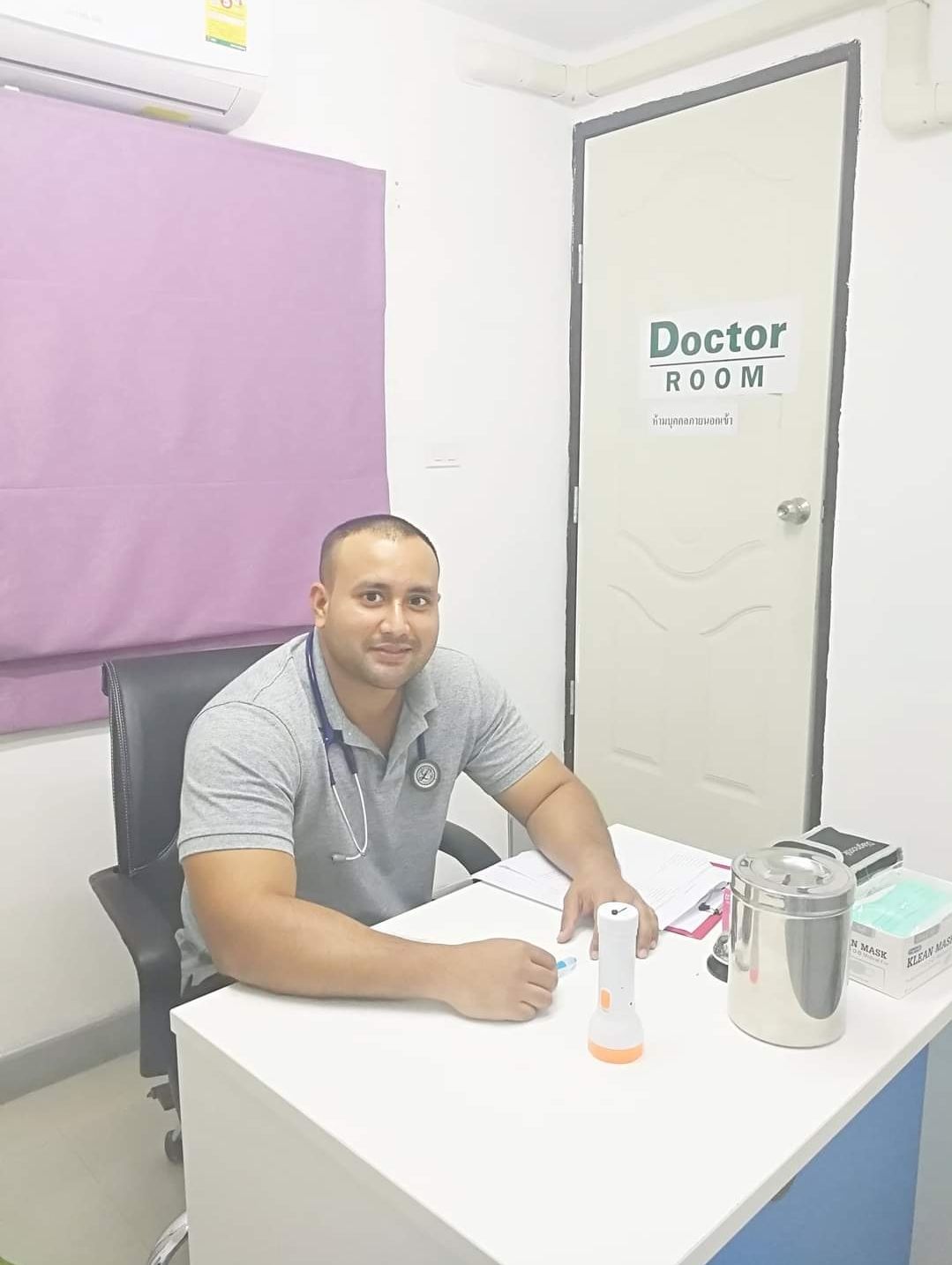
Dr. Ponlawat Pitsuwan is a physician at Doctor Bangkok, a private clinic in central Bangkok. He sees expats, residents, and medical tourists for general medicine, wellness consultations, and IV therapy. His focus is straightforward, evidence-based care delivered in plain language.