

Clinically reviewed by Dr. Ponlawat Pitsuwan, Physician, Doctor Bangkok. Last reviewed: August 2026
Lower abdominal pain has many causes, from urinary tract infections and food poisoning to appendicitis and STIs. The location, character, and duration of your pain are the most useful clues. Some causes need same-day assessment. Others can wait a day or two. A few cannot wait at all.
Pain lower abs is something I assess almost every day. The patient is usually an expat or visitor who has been hoping it would pass. Sometimes it does. Sometimes it turns into something that needs urgent attention. The difference matters, and that is why you are reading this.
The lower abdomen sits below your belly button and above your groin. Your bladder, bowel, and appendix all live there. Depending on your sex, so does your uterus, ovaries, prostate, or testes. Pain in this region can come from any of them. Here is what you need to know.

What the Location of Your Pain Actually Tells You
Right-sided lower abdominal pain needs to be taken seriously until appendicitis is ruled out. It can also come from a right kidney stone or right ovarian cyst. Left-sided pain more often points to the colon, a left ovarian issue, or in older patients, diverticulitis. Central pain, right at the midline, usually points toward the bladder, uterus, or prostate.
Location is a starting point, not a diagnosis. I have seen classic right-sided pain that turned out to be a UTI. I have seen central pain that was early appendicitis. You need a physical exam to know for sure.
What the Character of Your Pain Tells You
Sharp pain that comes on suddenly often signals something structural: a kidney stone moving, a ruptured cyst, or an acute infection. Cramping pain that comes in waves and eases off usually comes from the bowel or urinary tract.
Dull, constant aching is more typical of a chronic issue: IBS, a slow-building infection, or pelvic inflammatory disease. Pain that is sharp and easy to pinpoint tends to mean the problem is close to the surface or the lining of the abdomen, and that type warrants faster assessment.

Common Causes of Lower Abs Pain in Both Men and Women
Urinary Tract Infection
UTIs are one of the most common causes I see, especially in women. The pain sits low and central, usually with a burning feeling when you urinate and the urge to go frequently. A urine test confirms it quickly. Treatment is a short antibiotic course and most people feel better fast.
Kidney Stones
Kidney stones cause severe, colicky pain in the flank and lower abdomen that comes in waves. Blood in the urine is a common clue. Most small stones pass on their own with hydration, but you need imaging to confirm the diagnosis and rule out a blockage.
Appendicitis
Appendicitis starts as vague central pain that moves to the lower right over several hours. Fever, nausea, and pain that worsens with movement are warning signs. Rebound tenderness, pain that spikes when I press and quickly release the abdomen, is one of the signs I check for in clinic. If I suspect appendicitis, you go to hospital that day.
Irritable Bowel Syndrome
IBS causes recurring lower abdominal cramps, often with bloating and altered bowel habits. The pain usually eases after you pass wind or use the bathroom. Stress, diet, and travel all make it flare. It is extremely common among expats adjusting to life in Bangkok.
Food Poisoning and Bangkok Belly
Bangkok’s food is fantastic, but not every kitchen handles it safely and your gut needs time to adjust. The cramping is colicky, comes in waves, and usually resolves within a few days. If you are vomiting, cannot keep fluids down, or have a fever, come in for IV rehydration. Do not tough it out to the point of dehydration.
Lower Abdominal Pain in Women
Menstrual Cramps and Endometriosis
Period cramps are the most common cause of lower abdominal pain in women of reproductive age. They are central or bilateral and come in waves. Endometriosis causes similar pain but often more severe, happens outside of your period, and may include pain during sex. If period pain is significantly affecting your daily life, it warrants investigation.
Ovarian Cysts and Ovulation Pain
Ovarian cysts cause a dull ache or pressure on one side. They can flare sharply if they rupture. Ovulation pain is a brief twinge on one side mid-cycle, often mistaken for something more serious. A ruptured cyst with severe pain and dizziness is a different situation entirely and needs emergency assessment.
Pelvic Inflammatory Disease
PID is an infection of the upper reproductive organs, usually from chlamydia or gonorrhea that was not treated. It causes persistent lower abdominal or pelvic aching, often with discharge, pain during sex, and sometimes fever. I see it in women who did not know they had an STI, because these infections are frequently silent for weeks. If this fits your situation, get tested.
Lower Abdominal Pain in Men
Prostatitis
Prostatitis causes a deep aching pain in the lower abdomen, perineum, or groin, often with difficulty urinating. It can be linked to an STI. Bacterial prostatitis responds well to antibiotics. Chronic prostatitis takes longer to manage.
Epididymitis
Epididymitis is inflammation near the testicle, often caused by chlamydia or another bacterial infection. It causes lower abdominal and groin aching that can extend into the scrotum. It is sometimes confused with testicular torsion, which is a surgical emergency. Any sudden severe scrotal or lower abdominal pain in men needs same-day evaluation.
Inguinal Hernia
An inguinal hernia causes a dull ache or pressure in the lower abdomen or groin, sometimes with a visible bulge. It is more common in men. Mild hernias can be monitored, but sudden severe pain with a hard lump that will not reduce requires urgent attention.
STI-Related Lower Abs Pain: A Cause That Gets Missed
STIs are an underdiagnosed cause of lower abdominal pain, and I say this because I see it happen regularly. Patients come in for abdominal pain and leave with an STI diagnosis they were not expecting.
Chlamydia and gonorrhea often cause no symptoms early on. By the time there is pain, the infection has already spread, causing PID in women or epididymitis and prostatitis in men. If your pain comes alongside pain during sex, unusual discharge, burning with urination, or a recent new partner, STI screening is part of the workup at Doctor Bangkok. It is a clinical conversation, not a moral one.
Bangkok-Specific Causes Worth Knowing About
Dengue fever deserves a mention. Many patients do not know that abdominal discomfort can appear in early dengue alongside fever and body aches. If you have had fever for more than two days after mosquito exposure, dengue testing is worth doing at the same time as your abdominal workup.
Tropical parasites like Giardia cause persistent lower abdominal cramping, bloating, and loose stools that drag on for weeks. If your gut symptoms have lasted more than two weeks and you have been eating street food or travelling to rural areas, a stool test is the next step. Bangkok’s heat also increases kidney stone risk, particularly if you are not drinking enough water throughout the day.
Red Flag Symptoms: When to Act Now
These symptoms mean you need to be seen the same day.
Sudden severe pain that stops you in your tracks. Fever above 38.5 degrees Celsius with lower abdominal tenderness. Pain that gets worse when you release pressure on your abdomen. Vomiting that will not stop. Blood in your urine or stool. Lower abdominal pain with a missed period, which raises the possibility of ectopic pregnancy. Sudden scrotal pain in men.
Appendicitis, ectopic pregnancy, testicular torsion, and a perforated bowel are all time-critical. Do not wait until morning. Contact Doctor Bangkok or go directly to an emergency department.
What to Expect When You Come In
I start with your history: where the pain is, how long it has been there, what makes it better or worse, your bowel and urinary habits, sexual history, recent travel, and what you have eaten. Then a physical exam. Then we decide on tests.
For most lower abdominal pain presentations, that means a urine test and a blood panel including white cell count. A pregnancy test if relevant. If I suspect kidney stones, STIs, ovarian cysts, or appendicitis, I arrange ultrasound or refer for imaging. For suspected STIs, swabs and blood tests. For gut symptoms, sometimes a stool test. Most results come back the same day, and you leave with a treatment plan.
If you have pain in your lower abs and are not sure what is causing it, come in and get assessed. Doctor Bangkok offers same-day consultations, on-site urine and blood testing, STI screening, and IV rehydration for food poisoning and dehydration. English-speaking doctors are available seven days a week. If you cannot travel to the clinic, a doctor can visit your hotel or residence, usually within an hour.
Frequently Asked Questions
Dr. Ponlawat Pitsuwan
Physician, Doctor Bangkok
a private medical clinic in central Bangkok. He sees expats, residents, and medical tourists presenting with abdominal pain, gastrointestinal illness, urinary symptoms, and related conditions. His focus is straightforward, evidence-based care delivered in plain language.
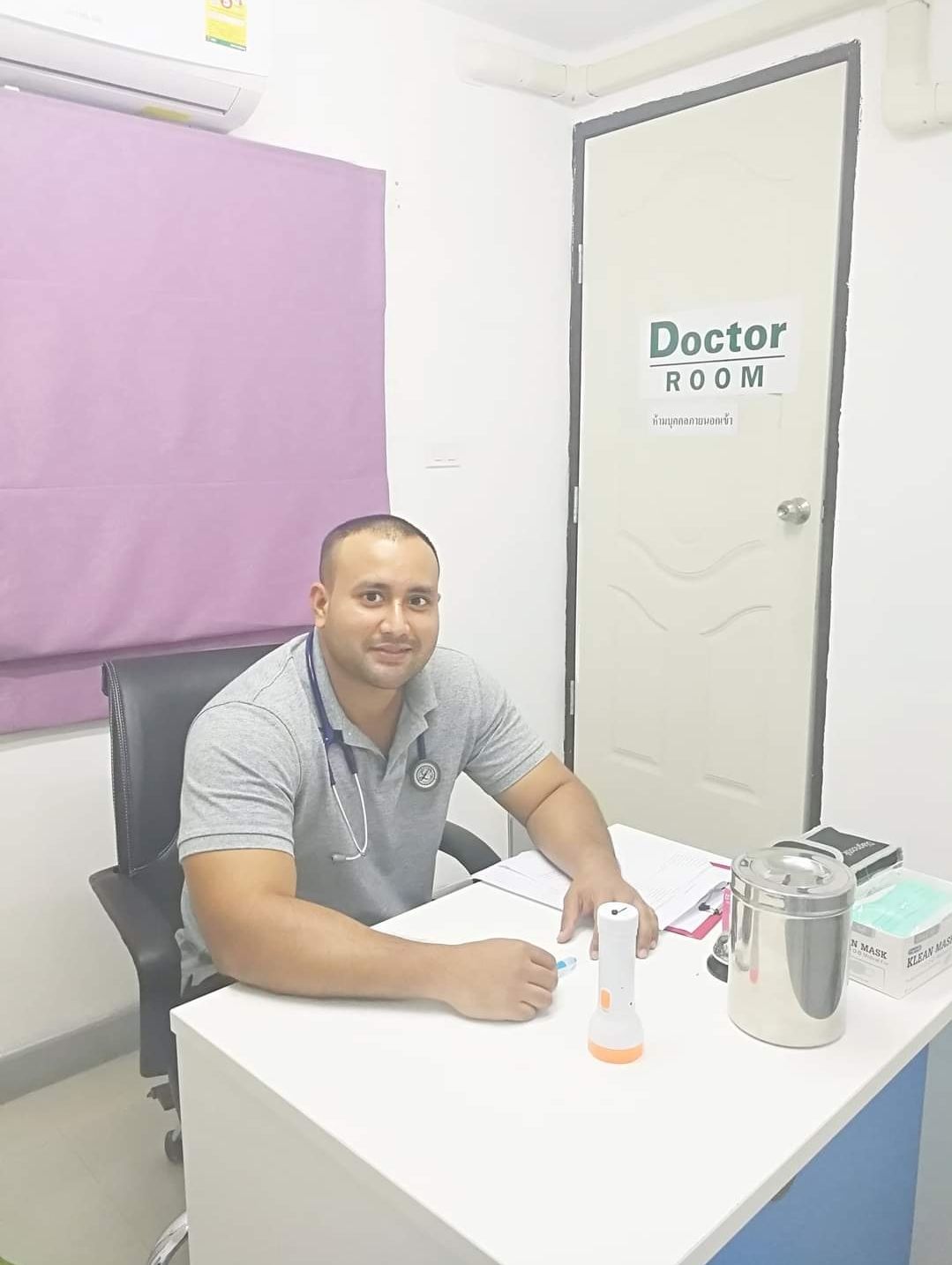
Dr. Ponlawat Pitsuwan is a physician at Doctor Bangkok, a private clinic in central Bangkok. He sees expats, residents, and medical tourists for general medicine, wellness consultations, and IV therapy. His focus is straightforward, evidence-based care delivered in plain language.