
Clinically reviewed by Dr. Ponlawat Pitsuwan, Physician, Doctor Bangkok. Last reviewed: August 2026
Genital warts are caused by HPV strains 6 and 11, which are low-risk and do not directly cause cancer. They can be removed with treatments including cryotherapy, TCA, or electrocautery, but they do return in a significant number of patients because the virus can stay dormant in surrounding skin. If you have found a new growth or had warts treated before, come in for an assessment. You do not need to figure this out on your own.
Someone spots something unusual, spends three days searching online, convinces themselves it is serious, and finally books an appointment. If that sounds familiar, you are not alone. HPV genital warts are one of the most common sexual health concerns I manage here in Bangkok, particularly among expats and medical tourists who do not have a trusted GP nearby.
The strains that cause warts are not the ones linked to cancer. Treatment is straightforward. And if warts come back after treatment, that is not a sign something went wrong. It is how HPV behaves, and there are clear ways to manage it. Here is what you actually need to know.

What HPV Genital Warts Look Like and Where They Appear
Genital warts are soft, flesh-coloured growths. They can be flat or raised, single or clustered, and range from barely visible to large enough to cause discomfort. Some patients describe them as resembling a small cauliflower. Others notice just one smooth bump they nearly dismissed.
In men, they appear most often on the shaft or head of the penis, foreskin, scrotum, or around the anus. In women, they show up on the vulva, vaginal walls, cervix, or perianal area. Both men and women can develop warts around the anal area regardless of sexual practices, because HPV spreads through skin-to-skin contact, not only penetration.
Some warts cause no symptoms at all. Others itch, bleed slightly, or cause discomfort during sex. If you notice anything new or unusual in these areas, get it assessed. Do not wait to see if it resolves on its own.
HPV Types: The Ones That Cause Warts Are Not the Cancer Ones
This is the question I hear most often after a first diagnosis: "Does this mean I am at risk of cancer?"
HPV strains 6 and 11 cause the vast majority of genital warts. These are low-risk strains. They do not directly cause cervical, penile, or anal cancer. The cancer-linked strains are HPV 16 and 18, and those do not typically cause visible warts.
That said, a person can carry more than one HPV type at the same time. A full sexual health screen alongside any wart assessment makes sense. We check for other STIs and, in women, recommend a cervical smear to confirm no high-risk changes are present. This is standard practice, not cause for alarm.

Getting Diagnosed: What Happens at the Clinic
Diagnosis is usually visual. An experienced clinician can identify genital warts by appearance in most cases. No routine blood test detects the strain responsible for visible warts.
If a lesion looks unusual, is very large, or does not respond to treatment, a biopsy may be taken to confirm what we are dealing with. In some cases, an HPV DNA PCR test can detect the virus in tissue samples. At Doctor Bangkok, we explain what we are doing and why before any test or procedure.
One thing patients often ask is whether they need to see a gynaecologist separately. Not always. The initial assessment is handled during a standard sexual health consultation, and we refer on when the situation calls for it.
Treatment Options for HPV Genital Warts in Bangkok
There is no single best treatment. The right choice depends on how many warts you have, where they are, their size, and your preference.
TCA (trichloroacetic acid) is a chemical applied directly to the wart during a clinic visit. It stings briefly and most patients need several sessions, typically one to two weeks apart. It works well for smaller warts and is safe during pregnancy.
Cryotherapy uses liquid nitrogen to freeze the wart. The tissue blisters and falls off over several days and may require more than one round. Some patients find it more uncomfortable than TCA but appreciate how quick each session is.
Electrocautery uses an electric current to burn wart tissue away. It suits larger or more stubborn warts. Laser treatment works similarly and is useful for extensive or hard-to-reach areas. Both are done under local anaesthetic and often clear warts in fewer visits than other methods.
Imiquimod is a cream applied at home several times a week. It takes several weeks to work but some patients prefer managing treatment themselves. It is not suitable in every case.
At the first visit, I assess everything and give you a clear picture of how many sessions to expect and what recovery looks like.
Why Do Genital Warts Come Back After Treatment?
This is the question I hear most often after a first round of treatment.
Removing visible warts does not remove HPV from the body. The virus can stay dormant in the skin around the treated area. When your immune system is strong, it keeps the virus suppressed. When it is under pressure, the virus can reactivate and produce new warts.
Recurrence is common, particularly in the first three months after treatment. The risk is higher in people who were not fully treated the first time, who smoke, who are under significant stress, or who take medications that lower immune function. This is not a treatment failure. It is how HPV behaves, and the approach is to treat each recurrence promptly and look at what might be lowering your immune response.
If you are managing recurrence and spend time between cities, STD treatment and follow-up care is also available in Pattaya, which can be useful if you split your time. Practical steps that help: stop smoking if you smoke, manage stress where you can, and do not delay when new warts appear.
Can You Spread HPV to a Partner After Warts Have Been Treated?
Yes, and this catches a lot of people off guard.
Once visible warts are removed, many patients assume transmission risk is gone. It is not. HPV can remain in surrounding tissue and pass to a partner through skin-to-skin genital contact even when no warts are visible. Condoms reduce the risk but do not cover all skin surfaces involved, so they do not eliminate it.
Tell your partner. I know that conversation feels difficult. Most people handle it better than expected. Partner testing and a sexual health consultation are available at Doctor Bangkok in a discreet, English-speaking environment. Your partner can be assessed for warts and discuss their own vaccination options.
HPV Vaccination After a Genital Warts Diagnosis: Is It Still Worth Getting?
Yes, and I recommend it often to patients who assume it is too late.
If you already have HPV 6 or 11, the vaccine will not clear that infection. But Gardasil 9 covers nine HPV strains in total, including high-risk types 16 and 18. If you have not yet been exposed to those strains, the vaccine still protects you from them. That is meaningful protection regardless of a previous warts diagnosis.
Gardasil 9 is available at Doctor Bangkok and given in a series of doses. If you have had genital warts and have never been vaccinated, ask us whether it is appropriate for you. In most cases, the answer is yes. You can also read more about HPV vaccination and who it suits if you want more background before your visit.
Concerned about genital warts or HPV in Bangkok? Doctor Bangkok offers discreet, English-speaking sexual health consultations at our private clinic in central Bangkok, accessible by BTS. We provide diagnosis, all standard wart removal treatments, full STI screening, HPV vaccination, and clear follow-up plans. Walk-ins welcome. Same-day appointments available. Contact Doctor Bangkok to book.
FAQ
Dr. Ponlawat Pitsuwan
Physician, Doctor Bangkok
a private medical clinic in central Bangkok. He sees expats, residents, and medical tourists for sexual health concerns including HPV, genital warts, STI screening, and ongoing management. His focus is straightforward, evidence-based care delivered in plain language.
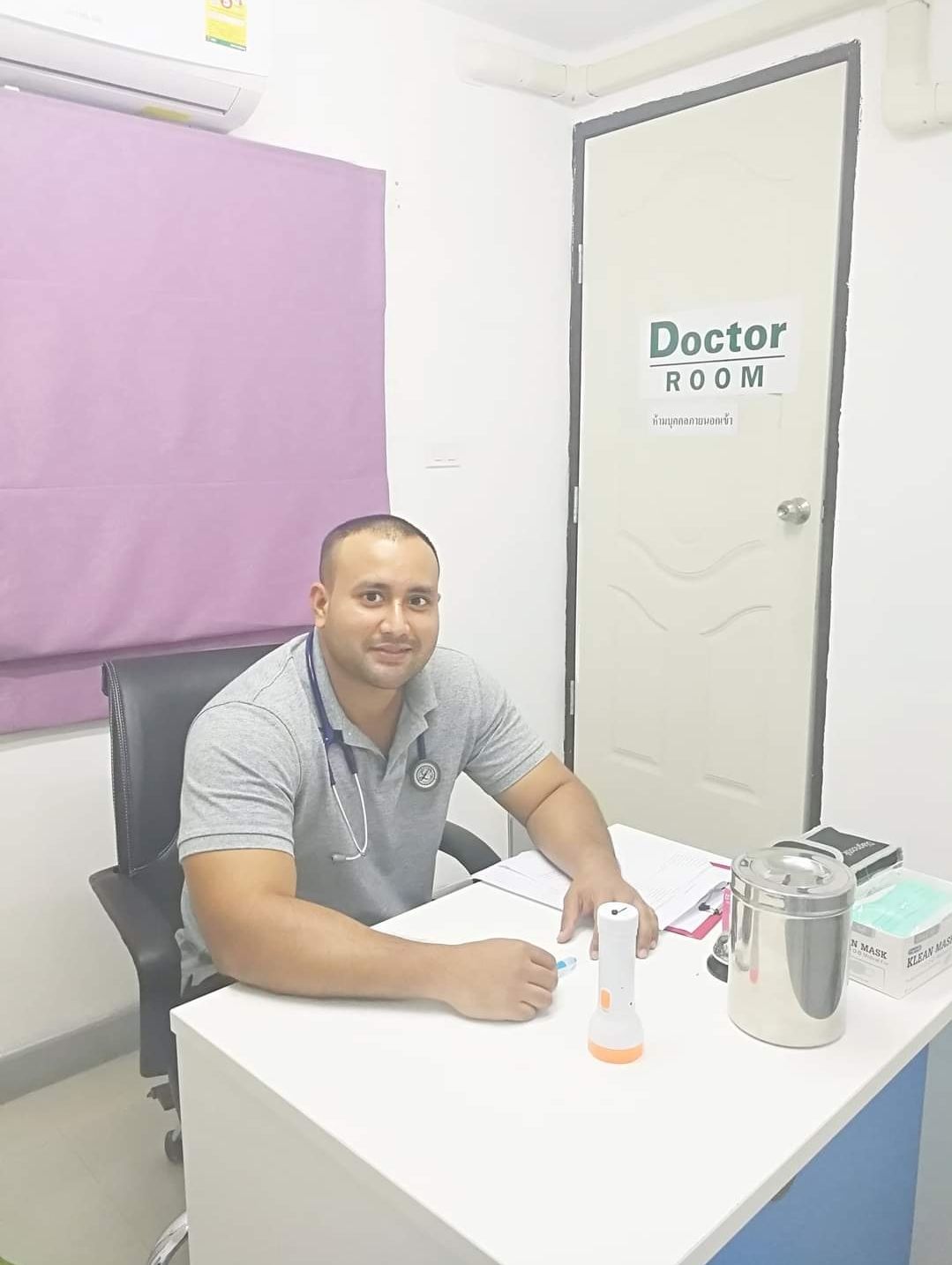
Dr. Ponlawat Pitsuwan is a physician at Doctor Bangkok, a private clinic in central Bangkok. He sees expats, residents, and medical tourists for general medicine, wellness consultations, and IV therapy. His focus is straightforward, evidence-based care delivered in plain language.