

Clinically reviewed by Dr. Ponlawat Pitsuwan, Physician, Doctor Bangkok. Last reviewed: August 2026
Stomach pain that comes and goes in waves is called colicky pain. It builds, peaks, and eases in a rhythm. Most cases in Bangkok are gastroenteritis or traveller’s diarrhoea and clear up within a day or two. But if the pain stops being wave-like and becomes constant, or you have a fever above 38°C, blood in your stool, or severe vomiting, see a doctor the same day.
I see this three or four times a week. Someone ate street food last night, woke up at 3am with cramping that rolls in and out, and by morning they are Googling whether to go to a clinic or ride it out. The honest answer depends on a few specific things, and I will walk you through them.
Wave-like stomach pain is not one diagnosis. It is a pattern that points toward certain organs. Knowing the cause changes what you should do next. Some of these sort themselves out with rest and fluids. Others need same-day attention. Here is how to tell the difference.

What Causes Stomach Pain That Comes and Goes in Waves
Your gut, gallbladder, and urinary tract all have muscle in their walls. When something blocks or irritates them, that muscle contracts hard to push through. Those contractions are rhythmic. The pain builds, peaks, and backs off as the muscle briefly relaxes. That is the wave pattern you are feeling.
The location and rhythm of your pain gives a doctor a lot of information before any tests are run. Here are the most common causes I see, and the clues that distinguish them.
| Cause | Where You Feel It | Other Clues |
|---|---|---|
| Gastroenteritis | Crampy, central or all over | Diarrhoea, nausea, vomiting, possible fever |
| Traveller’s diarrhoea / Bangkok belly | Central or lower abdomen | Loose stools, starts 24–72 hours after exposure |
| Food poisoning | Central, comes on fast | Vomiting is the main symptom, starts within hours of eating |
| IBS (irritable bowel syndrome) | Lower abdomen | Eases after passing stool, linked to stress or food |
| Gallbladder colic | Upper right, under the ribcage | Triggered by fatty food, may radiate to shoulder |
| Kidney stone | Flank, radiating toward the groin | No diarrhoea, urine may look pink or cloudy |
| Peptic ulcer | Upper central | Burning quality, worse when the stomach is empty |
| Diverticulitis | Lower left abdomen | Fever common, more frequent in older patients |
| Bowel obstruction | Central, severe | No bowel movements, bloating, vomiting |
| Appendicitis (early) | Starts central, moves to lower right | Fever, pain becomes constant as it progresses |
Most patients I see are dealing with gastroenteritis, food poisoning, or Bangkok belly. Gallbladder and kidney causes are less common but worth knowing, especially if the pattern does not fit a bad meal.
Bangkok-Specific Causes Worth Knowing
Bangkok belly is what happens when your gut meets bacteria it has never encountered before. The most common cause is ETEC, a bacteria found in food and water that your system has not built up resistance to. Salmonella and Norovirus are also frequent, particularly from buffets, raw shellfish, and ice from unreliable sources.
The ice question comes up often. Ice in Bangkok restaurants is usually from commercial factories and is generally safe. Smaller street vendors are less consistent. If your cramps started within a few hours of eating, food poisoning is more likely. If they started the following day or two days later, a gut bug like ETEC is the more probable cause.
Giardia is worth mentioning for expats who have been in Bangkok for more than a few weeks. It causes chronic wave-like cramping, bloating, and loose stools that keep returning. It does not clear on its own. A stool test picks it up, and it responds well to a short course of treatment. I also see IBS flare badly in long-term Bangkok residents when heat, spicy food, and irregular eating all pile up together.

Red Flag Symptoms That Need Same-Day Attention
Most wave-like stomach pain is not an emergency. But these specific changes mean you should not wait.
Pain that starts in waves and then becomes constant and severe is a red flag. Early appendicitis often feels like central cramping. Within hours, it shifts to the lower right and the pain stops easing between waves. If that is happening to you, come in today.
Fever above 38°C with abdominal pain suggests the body is fighting something beyond a simple gut irritation. Bloody or black stool, inability to keep fluids down for more than six to eight hours, dizziness when standing, or a rapid heart rate all need same-day assessment.
The biggest mistake I see is patients waiting three or four days before coming in because they assumed it was just Bangkok belly. Bangkok belly is usually self-limiting. Appendicitis, a perforated ulcer, and bowel obstruction can all look similar in the first few hours.
What You Can Do While Waiting to Be Seen
If symptoms are mild, keep drinking fluids. Oral rehydration salts, sold as Oral-T at most Bangkok pharmacies, are far more effective than plain water or sports drinks. Sip small amounts frequently rather than drinking a large volume at once.
Do not take loperamide, sold as Imodium, if you have a fever or blood in your stool. It slows the bowel down, which helps with simple traveller’s diarrhoea but can trap a bacterial infection inside and make things significantly worse. Most patients I tell this to have never heard it before.
Bland food, rest, and avoiding alcohol and dairy are reasonable for the first 24 hours. If things are not clearly improving after that, or if any red flag appears at any point, stop extending the home management and get checked.
How a Doctor Assesses Wave-Like Stomach Pain
When you come in, I start with your history. When did it start, what did you eat, where is the pain, what makes it better or worse, and do you have fever or diarrhoea. That conversation alone narrows the cause significantly.
A physical examination, including pressing on the abdomen to check where the tenderness is, tells me a great deal. Routine blood tests check for infection and inflammation. A stool test is ordered when I suspect a bacterial or parasitic cause, which is common in Bangkok travellers. Ultrasound is used when gallbladder or kidney causes look likely.
Most patients leave with a clear answer the same day. Stool cultures take a day or two to return, and I contact patients directly with those results.
Getting Seen at Doctor Bangkok: What to Expect
Doctor Bangkok is on Sukhumvit Soi 13, BTS Nana exit. If you are too unwell to travel, hotel visits are available across central Bangkok. Same-day appointments are usually available, and all physicians are English-speaking.
For patients with significant vomiting or signs of dehydration, IV drip therapy is available at the clinic. Rehydrating intravenously works much faster than trying to drink fluids when your stomach is not cooperating. Most patients feel noticeably better within an hour or two.
If you are an expat managing recurring gut symptoms rather than a single acute episode, a general consultation at Doctor Bangkok is the right starting point. We can rule out active infections, assess for IBS, and set up a plan that fits your day-to-day life in Bangkok.
Stomach pain that comes and goes in waves needs a proper assessment, not a guess. Doctor Bangkok offers same-day appointments at our Sukhumvit clinic and hotel visits for patients who cannot travel. Our English-speaking physicians can examine you, run same-day blood tests, order a stool culture if needed, and give you a clear answer. If you are dehydrated or vomiting, we can start IV rehydration straight away. Contact us to book or ask about hotel visit availability.
Frequently Asked Questions
Dr. Ponlawat Pitsuwan
Physician, Doctor Bangkok
a private medical clinic in central Bangkok. He sees expats, residents, and medical tourists for gastrointestinal illness, traveller’s diarrhoea, Bangkok belly, fever assessment, and general medical consultations. His focus is straightforward, evidence-based care delivered in plain language.
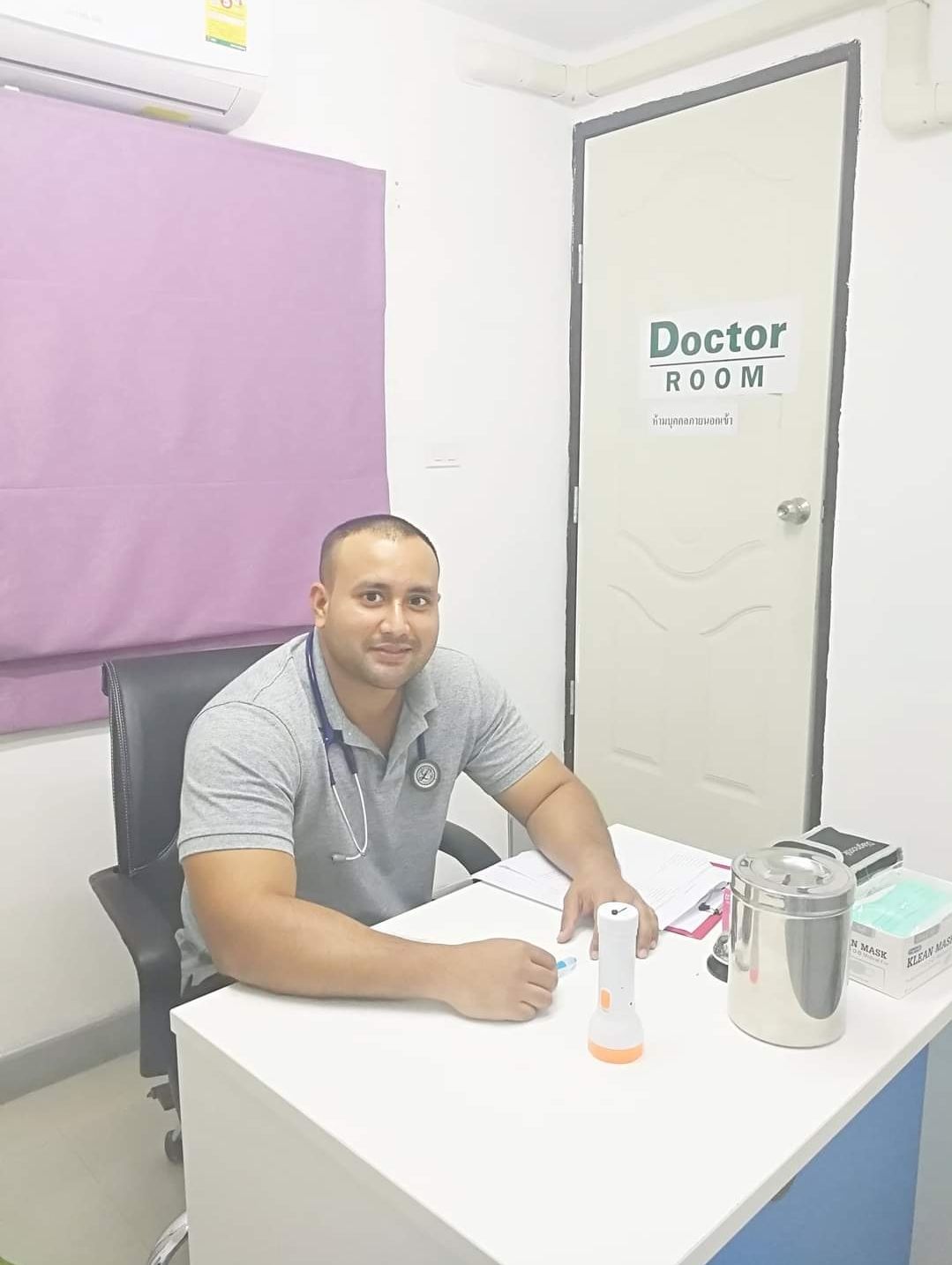
Dr. Ponlawat Pitsuwan is a physician at Doctor Bangkok, a private clinic in central Bangkok. He sees expats, residents, and medical tourists for general medicine, wellness consultations, and IV therapy. His focus is straightforward, evidence-based care delivered in plain language.