
Clinically reviewed by Dr. Ponlawat Pitsuwan, Physician, Doctor Bangkok. Last reviewed: August 2026
Laparoscopic gallbladder surgery removes the gallbladder through small incisions using a camera and thin instruments. Most patients go home within 24 hours and return to normal activity within one to two weeks. If you have right upper abdominal pain after eating fatty food, an ultrasound and blood tests are the right first step.
Right-sided pain after a heavy meal is one of the most common complaints I hear from expats in Bangkok. Most have been putting it off for weeks, blaming Thai food or stress. By the time they sit down in front of me, they have usually had the pain more than once and ignored it. That pattern has a name: biliary colic. It is often the first sign of gallstones.
If you have been told you have gallstones, or you are trying to work out whether your symptoms fit, this guide covers what you need to know. Not the textbook version. The version that helps you decide what to do next.

What Gallstones Actually Feel Like
The pain usually starts thirty to sixty minutes after eating, especially after a fatty or heavy meal. It sits in the upper right side of your abdomen, sometimes spreading to your right shoulder or back. It can last one to five hours and then ease off completely. That easing off is what fools people into thinking the problem has gone away.
Some patients also feel nauseous, bloated, or notice they cannot tolerate rich food the way they used to. These are not dramatic symptoms, which is exactly why people delay getting checked.
When Gallstone Symptoms Become a Medical Emergency
This is the part most people do not know, and it matters. If your right-sided pain comes with fever, yellowing of your skin or eyes, or pain that does not ease after six hours, that is a different situation. Those three together are a warning sign that something more serious is happening inside the bile duct. Come in the same day. Do not wait until morning.
Gallstones can trigger inflammation of the gallbladder, or cause a stone to slip into the bile duct. Either can escalate quickly. Fever with jaundice is never a wait-and-see situation.

How We Confirm the Diagnosis Before Recommending Surgery
Surgery is not the first step. The first step is working out exactly what is happening. I start with an abdominal ultrasound, which shows gallstones clearly in most cases, combined with liver function blood tests to check whether the bile duct is affected.
If the ultrasound suggests a stone may have moved into the bile duct, further imaging may be needed before any surgical decision is made. That workup matters because it also tells us whether surgery is the right option for you specifically. You can get your initial consultation, ultrasound referral, and blood panel started at Doctor Bangkok before any specialist appointment.
Who Is a Candidate for Laparoscopic Gallstone Surgery — and Who Is Not
Symptomatic gallstones are the main reason surgery is recommended. If stones are causing recurring pain, they are unlikely to stop on their own. Surgery removes the problem.
Gallstones found by accident with no symptoms at all are generally not an indication for surgery. Most guidelines suggest monitoring unless there are specific risk factors: very large stones, certain structural changes in the gallbladder wall, or poor gallbladder emptying that causes pain without visible stones. Your surgeon weighs these individually.
Not everyone is suited for the laparoscopic approach. Significant scarring from prior abdominal surgery, serious heart or lung conditions, or certain bleeding disorders may affect whether it is safe. These factors are assessed well before any operation, not on the day.
What Happens During Laparoscopic Gallbladder Surgery
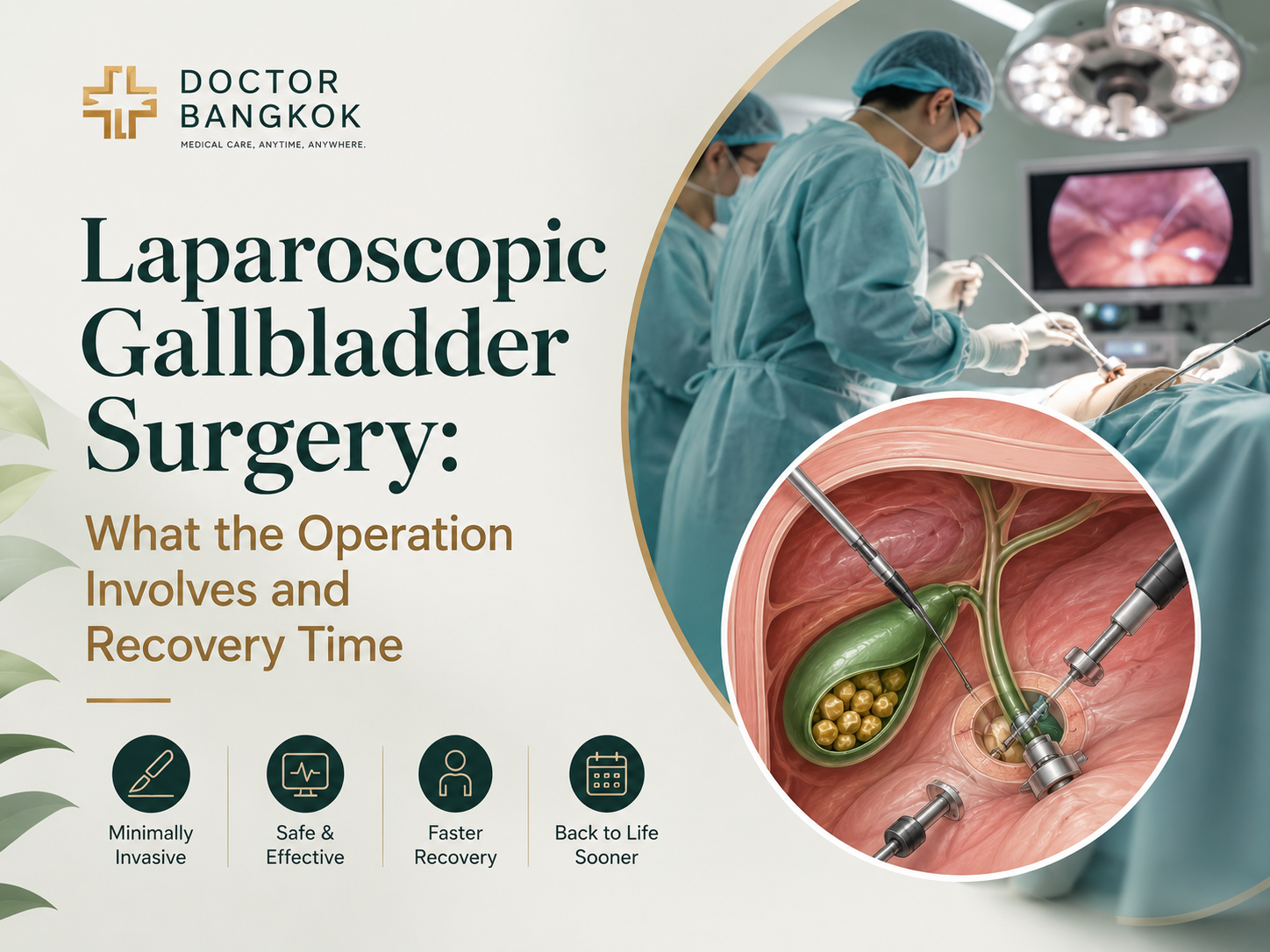
The procedure is done under general anaesthesia. The surgeon makes three or four small incisions, usually less than a centimetre each. A thin camera goes through one incision, and the surgical instruments go through the others. Carbon dioxide gas gently inflates the abdomen so the surgeon can see and work safely.
Before cutting anything, the surgeon confirms a specific anatomical checkpoint that ensures the correct structures are identified and separated from the bile duct. This step protects against accidental bile duct injury. A careful surgeon does not skip it.
Once confirmed, the two structures connecting to the gallbladder are clipped and divided. The gallbladder is then detached from the liver and removed through one of the small incisions. A straightforward case typically takes forty-five to ninety minutes.
Risks and Complications Worth Knowing About
Laparoscopic gallbladder surgery is considered safe, but no surgery is risk-free. The most significant complication is bile duct injury, which occurs in roughly 0.3 to 0.5 percent of cases. If a stone has slipped into the common bile duct, a separate camera procedure through the mouth may be needed before or after surgery.
In around four to five percent of laparoscopic cases, the surgeon converts to open surgery midway through. This is not a failure. It happens when anatomy is unclear or the procedure cannot be completed safely through small incisions. Patients are always told this possibility exists before consent is signed.
A small number of patients develop a weakness at one of the incision sites weeks or months later. It is uncommon but worth knowing about before you go in.
Recovery After Laparoscopic Gallbladder Surgery
Most patients go home within twenty-four hours of an uncomplicated procedure. Pain from the small incisions is manageable with standard oral painkillers. Shoulder discomfort from the gas used during surgery is common for one to two days and settles on its own.
Keep activity light for the first week. Most people are moving comfortably around the house by day two or three. Office work is usually possible by day five to seven. Physical labour or strenuous exercise should wait two to four weeks, depending on how healing progresses.
Diet matters in the first few weeks. Start with lighter, low-fat meals and reintroduce richer food gradually. Most people adapt fully within a few weeks.
Life Without a Gallbladder — What Actually Changes
Most people live completely normally without a gallbladder. The liver continues to produce bile, and digestion returns to normal within weeks for the majority of patients.
A subset of patients experience ongoing symptoms after surgery: bloating, loose stools, or a dull ache in the right upper abdomen. In some cases this is caused by a missed stone still sitting in the bile duct. Persistent or worsening symptoms after surgery are worth investigating, not just accepting. Doctor Bangkok can assess ongoing symptoms and arrange further workup, including referral for a bile duct procedure, where appropriate.
Getting Assessed and Referred in Bangkok as an Expat or Medical Tourist
Bangkok has internationally accredited hospitals that perform this surgery routinely, with English-speaking surgical teams. The challenge for most expats is not finding a surgeon. It is knowing where to start.
The right starting point is a clinical consultation, ultrasound, and blood tests to confirm the diagnosis and rule out bile duct involvement before any surgical referral. At Doctor Bangkok, we coordinate that initial workup, give you a clear picture of what you are dealing with, and connect you to the right surgical team when surgery is indicated.
If you are a medical tourist planning surgery in Bangkok, do not book a flight home the day after your procedure. Most surgeons recommend staying at least seven to ten days post-operatively before flying. Make sure your insurance pre-authorisation is in place before admission, and confirm who manages your follow-up care once you are back home.
Gallstones are common, manageable, and very treatable when caught at the right stage. If you have recurring right-sided abdominal pain after meals, or you have already been told you have gallstones and want to understand your next steps, Doctor Bangkok is the right place to start. We offer clinical consultations, abdominal ultrasound referral, and liver function blood tests in central Bangkok, with English-speaking physicians who can walk you through your results and coordinate a surgical referral when needed. BTS accessible. No long waits.
FAQ
Dr. Ponlawat Pitsuwan
Physician, Doctor Bangkok
a private medical clinic in central Bangkok. He sees expats, residents, and medical tourists for general medical consultations, diagnostic workup, and referral coordination, including patients presenting with abdominal symptoms and suspected gallstone disease. His focus is straightforward, evidence-based care delivered in plain language.
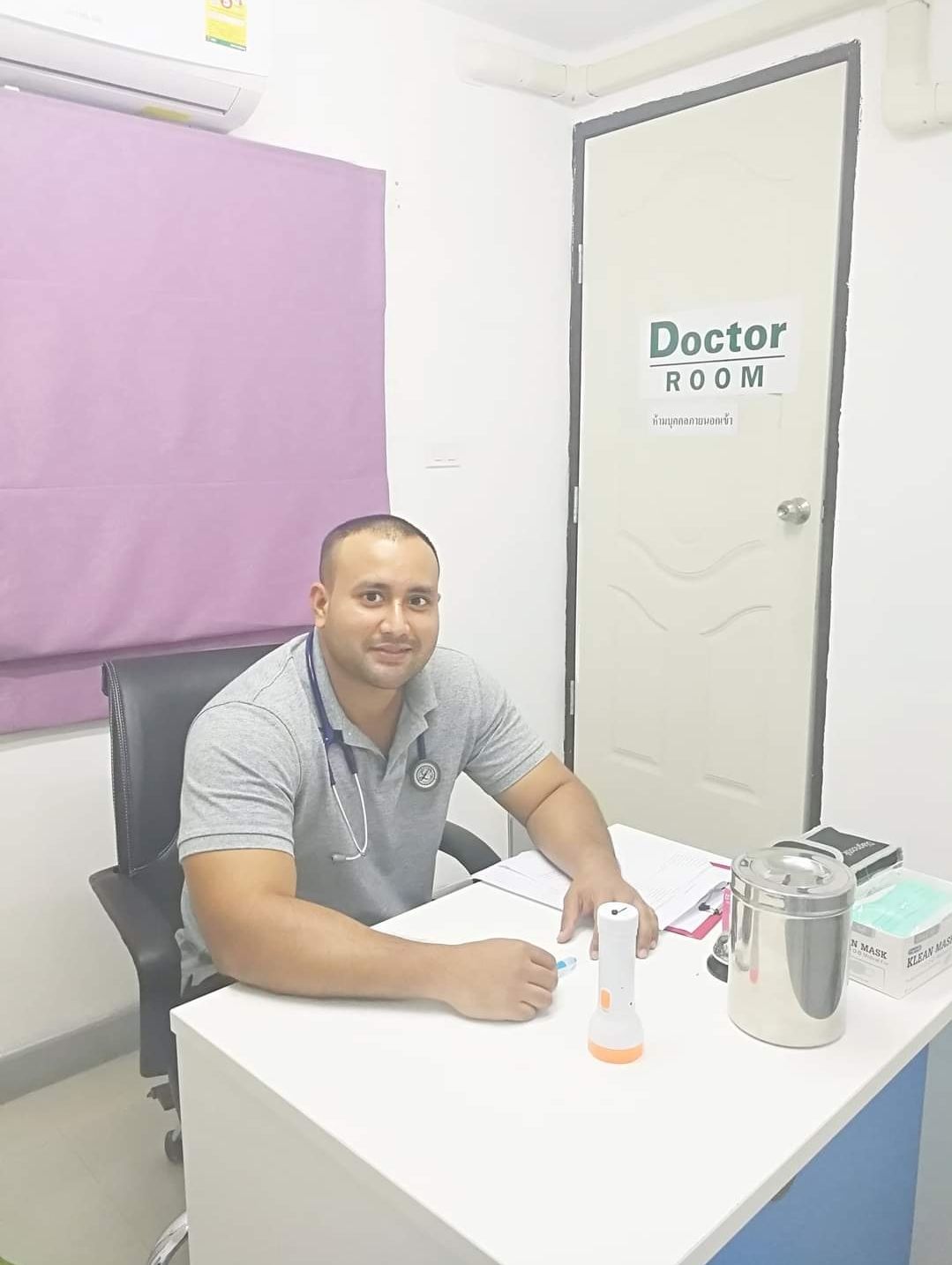
Dr. Ponlawat Pitsuwan is a physician at Doctor Bangkok, a private clinic in central Bangkok. He sees expats, residents, and medical tourists for general medicine, wellness consultations, and IV therapy. His focus is straightforward, evidence-based care delivered in plain language.