

Clinically reviewed by Dr. Ponlawat Pitsuwan, Physician, Doctor Bangkok. Last reviewed: August 2026
Mild acute pancreatitis often resolves within a few days, but almost always with medical support: IV fluids, pain relief, and monitoring. It does not resolve safely at home without assessment. Chronic pancreatitis does not go away on its own. It requires long-term management to prevent serious complications.
Upper abdominal pain that bores through to your back, nausea that will not ease, and the sense that something is genuinely wrong. I see this presentation regularly at the clinic, and pancreatitis is on my list every time. The question patients ask most is whether they can just rest it off. The honest answer is: sometimes the inflammation settles, but not without being seen first.
The difference between waiting safely and waiting dangerously comes down to which type of pancreatitis you have and how inflamed your pancreas actually is. You cannot judge that from your sofa. A blood test and a quick assessment can tell us a lot in under an hour, and that changes everything about how we manage you.

Acute vs Chronic Pancreatitis: The Answer Is Different for Each
These are not two versions of the same thing. They behave differently, need different approaches, and the question of whether they go away on their own has a different answer for each.
Acute pancreatitis comes on suddenly. The pancreas, a gland that sits behind your stomach and helps digest food, becomes inflamed, usually triggered by gallstones or alcohol. In mild cases, the inflammation settles relatively quickly with the right support. Most patients with mild acute pancreatitis feel significantly better within three to seven days.
Chronic pancreatitis is different. This is ongoing, progressive damage, usually from repeated episodes or long-term alcohol use. It does not resolve. The damage accumulates, and the goal shifts from recovery to managing symptoms and slowing further harm.
What "Going Away on Its Own" Actually Means
Here is what most people misunderstand. When doctors say mild pancreatitis can resolve on its own, they do not mean you sit at home and wait. They mean the inflammation is mild enough to settle without surgery or intensive procedures. You still need IV fluids, pain relief, and close monitoring while it does.
Stopping eating temporarily gives the pancreas a break and is a core part of early recovery. Staying well hydrated is equally important, and most patients cannot manage that alone when they are vomiting. That is why even mild pancreatitis almost always involves some form of medical care.
Trying to manage this at home without any assessment is risky. Severity cannot be judged from symptoms alone. What feels like moderate discomfort can sometimes signal serious disease developing underneath.

Warning Signs That Pancreatitis Is Not Resolving
If any of these develop, get assessed the same day. Do not wait another night.
Fever that comes on after the initial pain started points to infection, which can escalate quickly. Pain that gets worse or spreads after 24 to 48 hours is a sign the inflammation is not settling. Yellowing of the skin or eyes, called jaundice, suggests the bile duct is involved. A racing heart, confusion, or feeling faint means your body is under significant stress. If you cannot keep any fluids down after 12 hours, dehydration becomes a real concern fast.
Common Causes, and Why Bangkok Makes Some More Likely
Gallstones are the most common trigger worldwide. Many expats living in Bangkok have not had recent abdominal imaging and do not know they have them. The second most common cause is alcohol. Bangkok’s social culture, late nights, and regular drinking make alcohol-related pancreatitis more common in this population than people expect.
Very high triglycerides, a type of fat in the blood, can also trigger pancreatitis. This is more common in people eating a high-fat diet or living with uncontrolled diabetes. In some cases, no clear cause is found at all, and it still needs investigation.
Anti-inflammatory painkillers like ibuprofen, sold over the counter at every pharmacy here, are a less common but real trigger. Worth flagging if you have been taking them regularly for something else.
How Can Pancreatitis Be Diagnosed in Bangkok
The main blood test measures serum lipase, an enzyme the inflamed pancreas leaks into the bloodstream. Amylase is checked alongside it. Together these give us a fast, clear picture of whether the pancreas is inflamed.
Depending on the result and your symptoms, an abdominal ultrasound is usually the next step. It helps identify gallstones and check the bile duct. If the picture is more complex, a CT scan picks up complications like fluid collections or areas of damaged tissue.
At Doctor Bangkok, we can run blood tests and arrange imaging referrals the same day. If results suggest you need hospital-level care, we will tell you clearly and help coordinate that. What we can do right now is make sure you are not sitting at home guessing.
When Pancreatitis Needs More Than Rest
Moderate to severe acute pancreatitis needs hospital admission: IV fluids at volume, strong pain management, and nutritional support if eating is not possible for several days. Some patients need a specialist procedure to clear a blocked duct. That is a hospital procedure, not a clinic one, and we will refer you directly if that is what the picture shows.
Complications like fluid-filled sacs around the pancreas or signs of infected tissue need imaging-guided drainage or surgery. These are not common in mild cases, but they develop quickly when disease is severe.
Chronic Pancreatitis: Why It Does Not Go Away
Chronic pancreatitis means the pancreas has been damaged repeatedly, and that damage is permanent. The gland can no longer do its job properly. Patients often develop trouble absorbing nutrients, which leads to weight loss and fatty, oily stools. Some develop diabetes as the cells that produce insulin are destroyed alongside everything else.
Treatment at this stage involves prescription enzyme capsules taken with every meal to compensate for what the pancreas can no longer produce. Stopping alcohol completely is the single most effective step for anyone with alcohol-related chronic pancreatitis. It will not reverse existing damage, but it slows further injury significantly.
Eating During and After Pancreatitis: What Actually Matters in Bangkok
During an acute episode, you eat nothing until the pain starts to improve and things are clinically settling. After that, the return to eating is gradual. Clear fluids first, then plain low-fat foods.
In Bangkok, a low-fat recovery diet means being careful with what is easy to eat here every day. Coconut milk curries, deep-fried street food, pork crackling, and anything cooked heavily in oil can all stress a recovering pancreas. Plain rice, steamed fish, boiled chicken, and clear soups are safer choices early on.
Alcohol is off the table entirely while you are recovering. Even one episode of heavy drinking during recovery can trigger a second attack.
Upper abdominal pain that radiates to your back, especially after eating or drinking, should be assessed the same day. At Doctor Bangkok, we see patients for abdominal pain assessments with blood tests and imaging referrals available immediately. We have English-speaking physicians, we are BTS accessible, and we can often see you the same day. If you are unsure whether what you are feeling needs attention, call us and we will tell you honestly.
Frequently Asked Questions
Dr. Ponlawat Pitsuwan
Physician, Doctor Bangkok
a private medical clinic in central Bangkok. He sees expats, residents, and medical tourists for abdominal pain, gastrointestinal concerns, general medical assessment, and acute illness. His focus is straightforward, evidence-based care delivered in plain language.
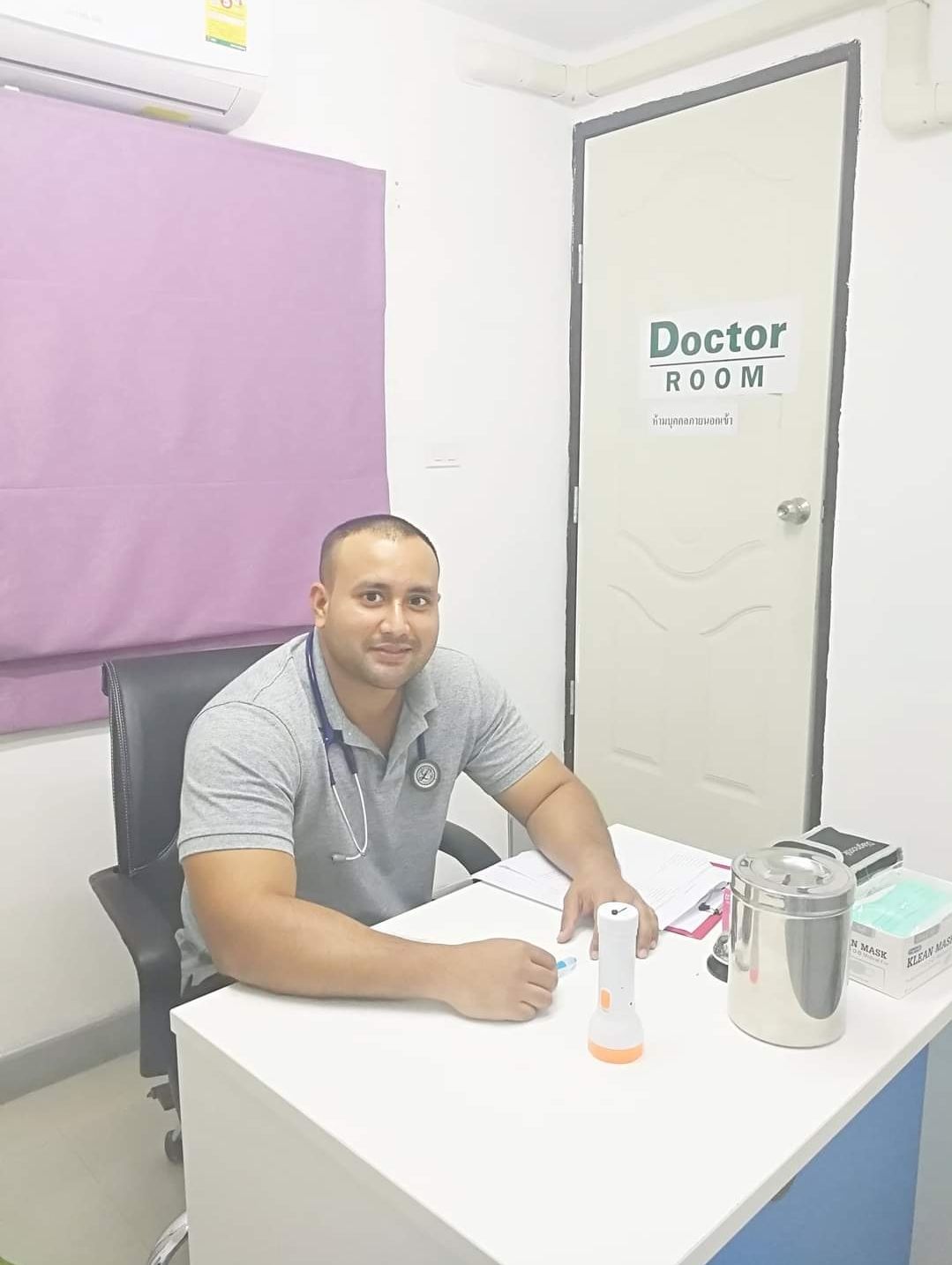
Dr. Ponlawat Pitsuwan is a physician at Doctor Bangkok, a private clinic in central Bangkok. He sees expats, residents, and medical tourists for general medicine, wellness consultations, and IV therapy. His focus is straightforward, evidence-based care delivered in plain language.