
Clinically reviewed by Dr. Ponlawat Pitsuwan, Physician, Doctor Bangkok. Last reviewed: August 2026
Yes, pancreatitis can be fatal. Mild cases carry a very low risk of death. Severe pancreatitis, especially when pancreatic tissue begins to die, carries a mortality rate of up to 30 percent. The difference between a mild episode and a life-threatening one often comes down to how fast you get assessed.
Severe upper abdominal pain, out of nowhere. Maybe after a big night out, maybe after a rich meal. You are lying still because movement makes it worse. You are not sure if it is bad food, a hangover, or something more serious. This question matters, so here is a straight answer.
Yes, you can die from pancreatitis. Not from every case, and not inevitably, but the severe form is genuinely dangerous. Most patients I see in Bangkok with upper abdominal pain do not have severe pancreatitis. But some do, and the ones who wait too long are always the ones I worry about most.

Mild vs Severe Pancreatitis: What the Numbers Actually Mean
Most cases of acute pancreatitis are mild. The pancreas gets inflamed, stays that way for a few days, then recovers. Mortality in mild cases is under one percent. Patients feel awful, but they get through it.
Severe pancreatitis is different. When organ failure develops, mortality climbs to 15 to 30 percent. When pancreatic tissue dies and that dead tissue becomes infected, mortality can reach 30 to 40 percent. These are serious numbers, and they are why early assessment changes outcomes.
What Causes Pancreatitis, and Which Causes Are Most Dangerous
The two biggest causes are gallstones and alcohol. In Bangkok, I see both regularly.
Gallstones cause what we call biliary pancreatitis. A stone gets stuck where the bile duct meets the pancreatic duct, pressure builds, and the pancreas inflames. This type is serious but treatable. Once the stone is managed, the pancreatitis usually resolves.
Alcohol is a different story. A single heavy drinking session can trigger acute pancreatitis within hours. Long-term patterns cause the most damage. Alcoholic pancreatitis carries the worst long-term mortality of any type, and people who keep drinking after a first episode sharply increase their risk. In a city with Bangkok’s nightlife, this comes up in clinic more than it would almost anywhere else.
High blood triglycerides are another cause I see more often here than I expected. Very high triglyceride levels can inflame the pancreas directly, and this is worth knowing if you eat a lot of Thai food high in fat and sugar. Less common causes include certain medications, autoimmune conditions, and abdominal trauma.

Complications That Make Pancreatitis Lethal
When the pancreas is severely inflamed, its own digestive enzymes start attacking its tissue from the inside. When enough tissue dies, you get pancreatic necrosis. Necrosis alone is dangerous. When that dead tissue becomes infected, it becomes critical.
Infected necrosis triggers sepsis, a whole-body response to infection that can shut down the kidneys, lungs, liver, and heart. This is called multi-organ failure, and it is the main cause of death in severe pancreatitis.
The lungs can also fail through a separate process where fluid fills the air sacs and stops oxygen getting in. Some patients develop dangerous pressure buildup inside the abdomen that compresses surrounding organs. Fluid-filled sacs can form around the damaged pancreas, and if they rupture, sudden internal bleeding follows. Each of these complications can be fatal on its own.
How Chronic Pancreatitis Can Shorten Your Life
Acute pancreatitis gets most of the attention because it can kill fast. Chronic pancreatitis kills more slowly, but it still kills.
When the pancreas is repeatedly damaged over months or years, it stops working properly. It cannot produce enough digestive enzymes, and food passes through largely unabsorbed. Significant malnutrition follows. The pancreas also stops making enough insulin, leading to diabetes, which carries its own serious long-term risks.
The risk I raise with every chronic pancreatitis patient is pancreatic cancer. Long-standing chronic inflammation substantially raises the risk compared to the general population. Pancreatic cancer is usually found late, which is why it has a poor outlook. That alone is reason enough to stay under regular medical review if you have been diagnosed with chronic pancreatitis.
How Severe Pancreatitis Is Treated
Mild cases are managed with IV fluids, pain control, and resting the gut. Patients fast briefly while the inflammation settles, then slowly return to eating.
Severe cases need more. When a gallstone is blocking the bile duct, a procedure called ERCP, which uses a flexible camera passed down the throat, removes the stone under sedation. This is one of the most effective interventions available for biliary pancreatitis.
When dead tissue becomes infected, surgeons may need to drain or remove it. The modern approach starts with the least invasive method possible and escalates only if needed. Surgical removal of dead tissue is a last resort but sometimes the only option. Patients who cannot eat during this period receive nutrition through a tube.
None of this happens at a general clinic. Severe pancreatitis is a hospital emergency. But the right assessment at the right time, blood tests for pancreatic enzymes and imaging with a CT scan, is what determines which path you take.
Red Flag Symptoms: When to Get Emergency Help in Bangkok
A lot of expats in Bangkok mistake early pancreatitis for food poisoning or a bad hangover. Both cause upper abdominal pain, nausea, and vomiting. The difference is in how the pain behaves.
Pancreatitis pain is usually central, just below the ribs, and often radiates through to the back. It does not come and go in waves. It sits there and does not improve with position changes. That pattern, combined with a history of heavy drinking or known gallstones, should put pancreatitis on your radar straight away.
Go to a hospital emergency department without delay if you have: pain so severe you cannot function, high fever with chills, a resting heart rate over 100, difficulty breathing, confusion or sudden drowsiness, or bruising appearing around your navel or on your flanks without any injury. That last sign is a warning that internal bleeding may be occurring. Do not wait until morning.
If your pain is moderate and you have none of those warning signs, a clinical assessment at Doctor Bangkok can check your pancreatic enzyme levels, review your history, and determine whether you need imaging or direct hospital referral.
What to Do If You Think You Have Pancreatitis in Bangkok
First: stop eating. Food triggers more enzyme release and worsens the inflammation. Small sips of water are fine.
If you have any of the red flag symptoms above, go directly to the nearest hospital emergency department. Bumrungrad, Samitivej, and Bangkok Hospital all have 24-hour emergency departments with English-speaking staff and the imaging equipment needed to assess this properly.
If your symptoms are concerning but not yet severe, come in to Doctor Bangkok. We run a full blood panel including liver function tests and pancreatic enzymes, assess the clinical picture, and refer you directly if needed. I would rather see you and send you home reassured than have you wait until something mild becomes something serious.
After any pancreatitis episode, follow-up matters. If alcohol was the trigger, stopping drinking is not optional. If gallstones were the cause, you will need surgical review to prevent a repeat. If your triglycerides are high, that needs managing. The first episode is a warning. What you do after it determines whether you have a second one.
If you have upper abdominal pain you cannot explain, or you have had a pancreatitis episode and want to get properly checked, Doctor Bangkok offers same-day blood testing including amylase, lipase, and liver function tests. Our English-speaking doctors can assess your symptoms, arrange imaging referrals where needed, and guide you through the right next steps. Walk in or book at doctorbangkok.co.th.
Frequently Asked Questions
Dr. Ponlawat Pitsuwan
Physician, Doctor Bangkok
a private medical clinic in central Bangkok. He sees expats, residents, and medical tourists for acute abdominal complaints, general medical assessment, urgent care, and follow-up after hospital discharge. His focus is straightforward, evidence-based care delivered in plain language.
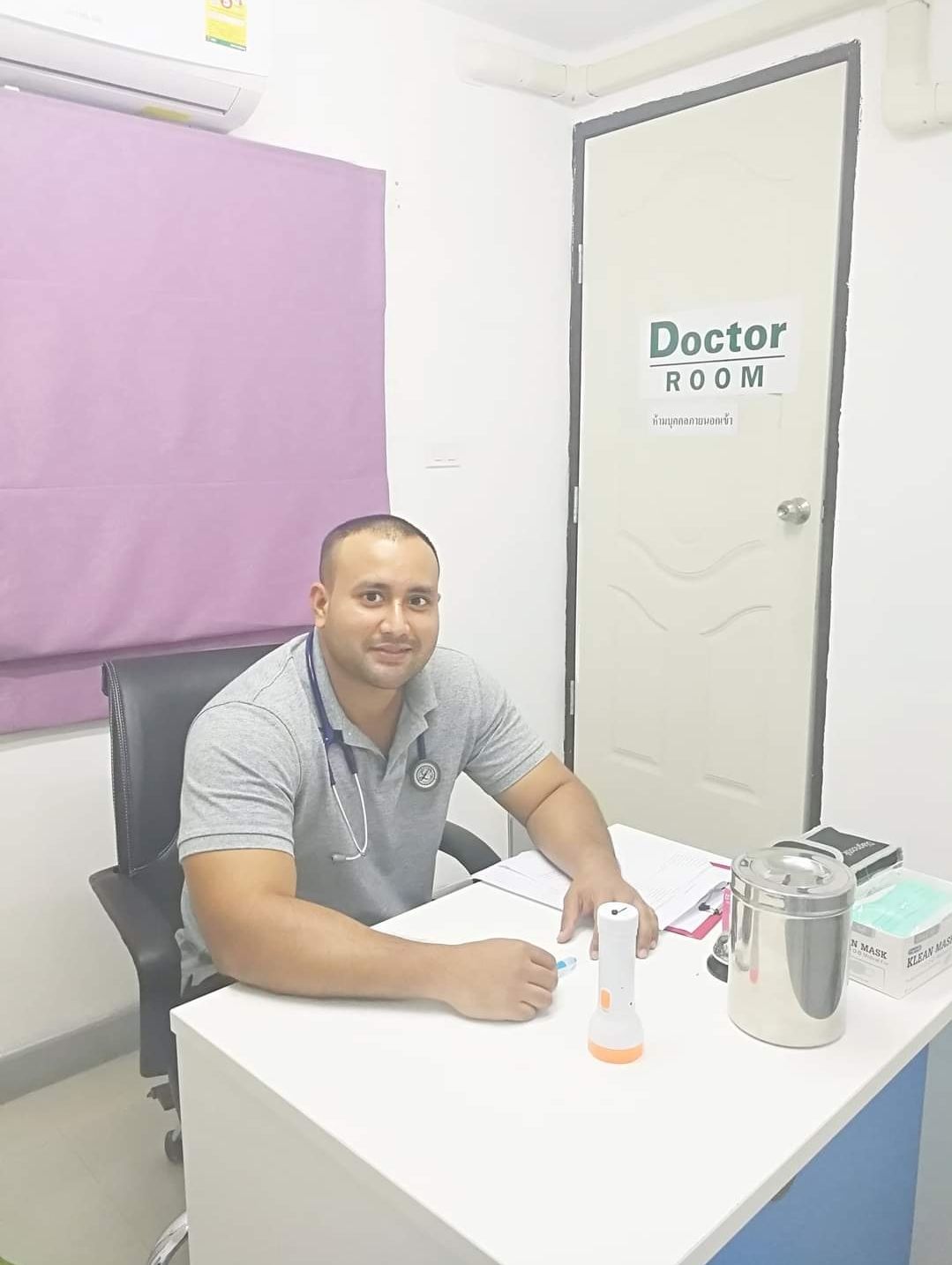
Dr. Ponlawat Pitsuwan is a physician at Doctor Bangkok, a private clinic in central Bangkok. He sees expats, residents, and medical tourists for general medicine, wellness consultations, and IV therapy. His focus is straightforward, evidence-based care delivered in plain language.