
Clinically reviewed by Dr. Ponlawat Pitsuwan, Physician, Doctor Bangkok. Last reviewed: July 2026
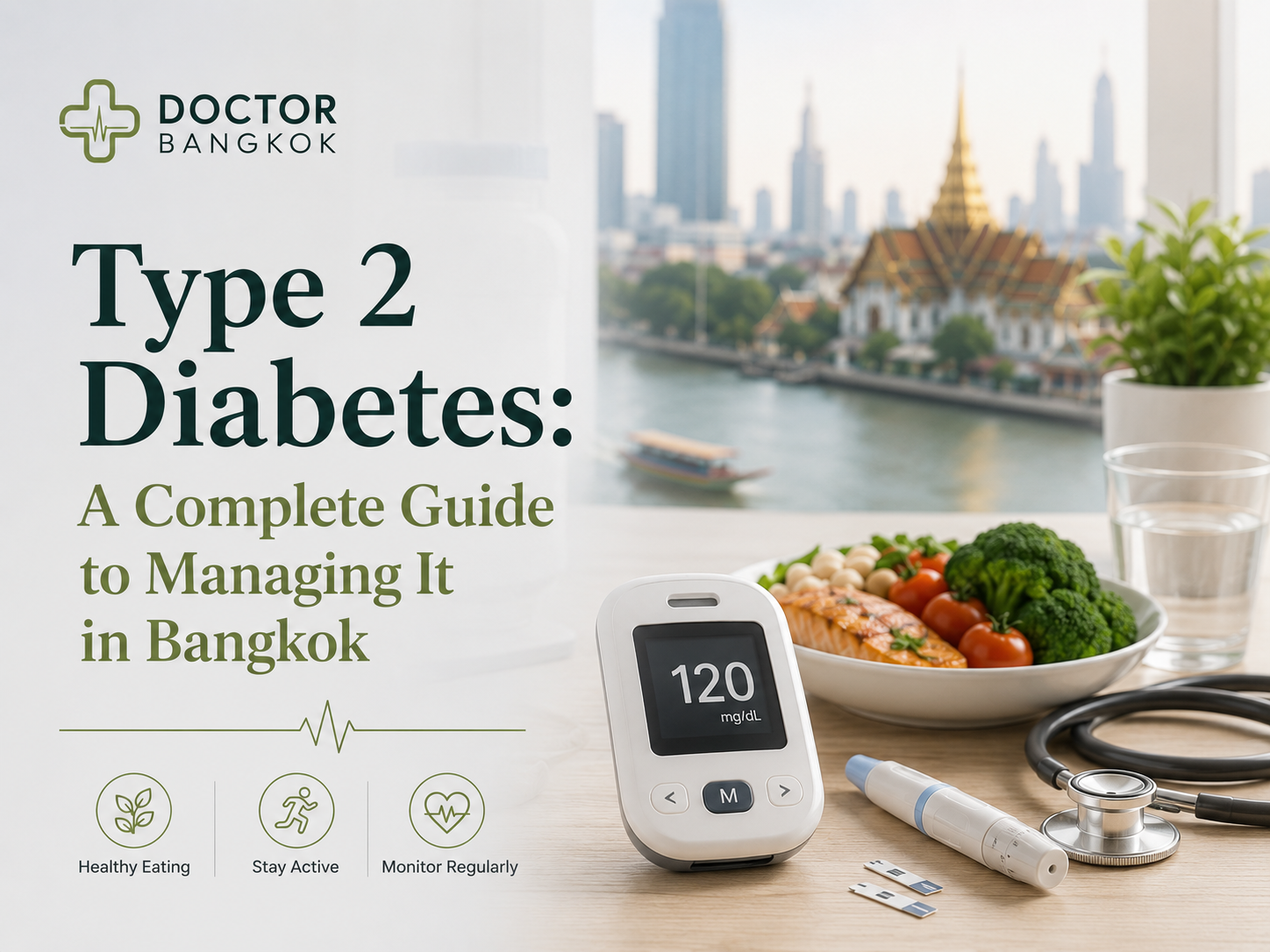
Type 2 diabetes is a long-term condition where your body struggles to keep blood sugar at a safe level. In Bangkok, managing it comes with specific challenges: high-carb Thai food, intense heat, disrupted routines, and finding reliable English-speaking care. This guide covers what you need to know to stay in control while living or travelling here.
If you have type 2 diabetes and you are living in Bangkok, or you have just arrived and realised you are running low on medication, this guide is for you. Managing a chronic condition in a new city is stressful. The food is different, the heat is relentless, and finding a doctor who speaks your language takes more effort than it should.
The good news is that Bangkok has genuinely good private medical care, and type 2 diabetes is very manageable here. I will walk you through the practical realities: what local food does to your blood sugar, how to get your medication, what tests to ask for, and how to find ongoing care that works for your life here.

What Type 2 Diabetes Actually Means for Your Daily Life
Most of my patients already know they have type 2 diabetes before they walk in. What they want to know is what it means practically, not medically.
Your body is not using insulin properly, so glucose builds up in your blood instead of being used for energy. Over time, consistently high blood sugar damages blood vessels and nerves. The organs most at risk are your kidneys, eyes, heart, and feet.
Bangkok living, specifically the food, the heat, travel fatigue, and easy access to alcohol, can quietly push your blood sugar in the wrong direction without you feeling it straight away. That is the part worth paying attention to.
Symptoms and Warning Signs Worth Taking Seriously
Most people with type 2 diabetes feel fine most of the time. That is part of what makes it dangerous.
The symptoms that bring people into my clinic are usually subtle: increased thirst, needing to urinate more than usual, tiredness that sleep does not fix, blurry vision, slow-healing cuts, and tingling in your feet. You may also notice more infections than normal if your blood sugar has been running high for a while.
If you are getting headaches, shaking, sweating, or feeling confused, your blood sugar may have dropped too low. This is more likely if you are on medication that increases insulin output, or if you have skipped a meal. Eat or drink something sugary and see a doctor. Do not try to push through it.

Navigating Thai Food With Type 2 Diabetes
This is where I spend a lot of time with expat patients. Thai food is not automatically bad for diabetes, but it has some specific patterns you need to know about.
Jasmine rice has a very high glycaemic index, around 89, which means it raises your blood sugar quickly and significantly. Brown rice is a better choice, but most Bangkok restaurants serve jasmine as the default. Noodle dishes carry similar risks.
The hidden problem is sugar in sauces. Pad Thai, stir-fry sauces, curries, and some soups often contain palm sugar added during cooking. You cannot taste it clearly, but it adds up fast. Sweet drinks are the other major issue: cha yen (Thai iced tea), fresh fruit shakes, and bottled juices are all high-carb options that can spike blood sugar significantly.
Practical Ordering Tips
Tell your server "mai sai nam taan" when ordering drinks or asking about sauces. It means no added sugar and helps, even if it does not guarantee zero sugar in pre-made sauces. Good lower-risk choices include grilled fish or chicken, tom yum soup without noodles, stir-fried vegetables with tofu, and boiled eggs.
If you use a continuous glucose monitor, Bangkok is actually a good place to use it. The food variety here makes it easy to see exactly which meals affect your numbers most.
How Bangkok’s Heat and Lifestyle Affect Blood Sugar
I see this every hot season. Patients come in with blood sugar that is harder to control than usual, and heat is often a factor.
Dehydration concentrates your blood glucose. In Bangkok’s humidity, you can lose fluid quickly without realising it. Staying hydrated matters more here than it would at home. If you are on injectable insulin, heat also affects how fast it absorbs, so your usual timing may feel slightly off.
Bangkok’s lifestyle adds other variables too. Late nights, irregular meal times, and alcohol can all affect blood sugar regulation. Alcohol in particular can cause low blood sugar several hours after drinking, especially if you skip food. Keep snacks accessible and monitor more on nights you drink.
Understanding Your Diabetes Tests and Target Numbers
A lot of expats I see in Bangkok have not had routine diabetes monitoring since they left home. Some have not been tested in over a year. That is a gap worth closing.
The key tests are your HbA1c (your average blood sugar over three months), fasting glucose, kidney function including creatinine and eGFR, a lipid panel, urine microalbumin as an early kidney warning marker, and a blood pressure check. Your eyes and feet need annual specialist review as well.
For most patients, HbA1c should be checked every three months if you are not at target, and every six months if you are stable. A target below 7 percent (53 mmol/mol) is standard for most people, though your doctor may set a different goal based on your age and history. If you do not know your last HbA1c result, that alone is reason to book a test.
Medications for Type 2 Diabetes Available in Bangkok
The medication you take at home is almost certainly available here. Metformin is widely stocked and inexpensive. SGLT2 inhibitors, DPP-4 inhibitors, and GLP-1 receptor agonists including semaglutide (sold as Ozempic or Rybelsus) are all available at private clinics in Bangkok.
You cannot walk into a pharmacy and get prescription-only medications without a script. A consultation is required first. Availability of branded GLP-1 medications can vary, and prices differ from what you pay at home. At Doctor Bangkok, we can confirm your diagnosis, review your current dosing, and prescribe what you need so you do not face a gap in treatment.
If you arrived without enough supply, or your medication was lost or damaged, do not ration doses without medical guidance. Come in, explain the situation, and we will sort it out the same day.
What to Expect From a Diabetes Consultation at Doctor Bangkok
A lot of expats come in not knowing what to expect from a private clinic here. I want to make that straightforward.
An initial diabetes consultation at Doctor Bangkok covers your current medication and dosing, your recent blood sugar history if you have it, and a clinical review. We run blood tests on-site, including HbA1c and fasting glucose, with results available quickly. A complete monitoring panel including kidney function and lipids can be run in the same visit.
You leave with a clear picture of your current control, a prescription if needed, and a plan for follow-up. We provide itemised documentation for insurance claims. For expats without a regular GP in Bangkok, a structured check-in every three to six months is a practical way to manage a condition that requires continuity. You can read more about how we support patients with ongoing conditions on our chronic conditions page.
Getting Your Diabetes Medication in Bangkok
If you are relocating, bring at least three months of supply and your original prescription or a letter from your home doctor. This makes the handover to a local clinic straightforward.
Thai pharmacies stock a wide range of diabetes medications. For over-the-counter supplements marketed for blood sugar, I recommend caution. Most have limited evidence and some interact with prescription medications. Do not add anything new without checking with a doctor first.
Storage matters more in Bangkok than back home. Insulin must be kept refrigerated and away from direct sun. Never leave it in a hot car or motorbike basket. If your insulin looks wrong, cloudy when it should be clear or vice versa, do not use it.
The Mental Health Side of Managing Diabetes Abroad
Managing a chronic condition far from home is genuinely hard. I do not raise this enough with patients, and I should.
Diabetes distress, the ongoing stress and exhaustion of watching your blood sugar every day, is real and common. Add an unfamiliar food environment, no nearby support network, and the effort of accessing care in a foreign city. That combination wears people down.
If you notice you are checking your blood sugar less, skipping doses, or just not caring about your numbers the way you used to, that is worth mentioning to your doctor. It is a known pattern in long-term disease management, not a personal failing. At Doctor Bangkok, we approach this practically. A simple, consistent routine tends to do more for most patients than a complicated plan they cannot stick to.
Managing type 2 diabetes in Bangkok does not have to mean starting from scratch. Doctor Bangkok offers English-speaking diabetes consultations in central Bangkok, including HbA1c and full monitoring panels, prescription review, and ongoing care for expats and visitors. Walk-in or book online at doctorbangkok.co.th. BTS accessible. Open 24 hours.
FAQ
Can I get my diabetes medication in Bangkok if I run out or relocate?
Yes. Common medications including metformin, SGLT2 inhibitors, and GLP-1 receptor agonists like semaglutide (Ozempic) are available at private clinics after a consultation. Doctor Bangkok can confirm your dosing and prescribe what you need. Do not ration doses while waiting to see a doctor.
Does Bangkok’s heat affect my blood sugar?
It can. Dehydration from sweating concentrates blood glucose, and heat affects how quickly injectable insulin absorbs. Drink more water than you think you need, monitor more frequently on very hot days, and store insulin away from sunlight and heat. If your readings are running higher than usual during hot weather, a medication review may help.
Is Thai food safe to eat with type 2 diabetes?
Mostly yes, with some things to watch. Jasmine rice has a high glycaemic index and most sauces contain added palm sugar. Sweet drinks like Thai iced tea and fruit shakes are a major hidden carbohydrate source. Ask for "mai sai nam taan" (no added sugar), choose grilled proteins and vegetable dishes, and use a glucose monitor to see how specific meals affect your numbers.
How often should I have my HbA1c tested in Bangkok?
Every three months if your blood sugar is not yet at target, and every six months if you are stable. Many expats in Bangkok have not been tested since leaving home. Doctor Bangkok can run HbA1c, fasting glucose, kidney function, and a lipid panel in one visit so you have a complete picture.
What does a diabetes consultation at a private Bangkok clinic cost?
Private clinic costs in Bangkok are generally much lower than equivalent care in the UK, US, or Australia. A consultation plus standard blood tests is affordable and often covered by international health insurance. Doctor Bangkok provides itemised receipts suitable for insurance claims. Check whether your policy covers chronic disease management before you visit.
What should I do if my blood sugar drops very low in Bangkok?
Eat or drink something sugary straight away: fruit juice, a soft drink, or a few sweets. Rest and recheck your blood sugar after 15 minutes. If you do not recover quickly, feel confused, or lose consciousness, go to the nearest clinic or hospital immediately. If your medication can cause low blood sugar, carry a fast-acting sugar source with you at all times.
Dr. Ponlawat Pitsuwan
Physician, Doctor Bangkok
a private medical clinic in central Bangkok. He sees expats, residents, and medical tourists for [chronic condition management](https://doctorbangkok.co.th/chronic-conditions/) including type 2 diabetes, travel health, and general medical consultations. His focus is straightforward, evidence-based care delivered in plain language.
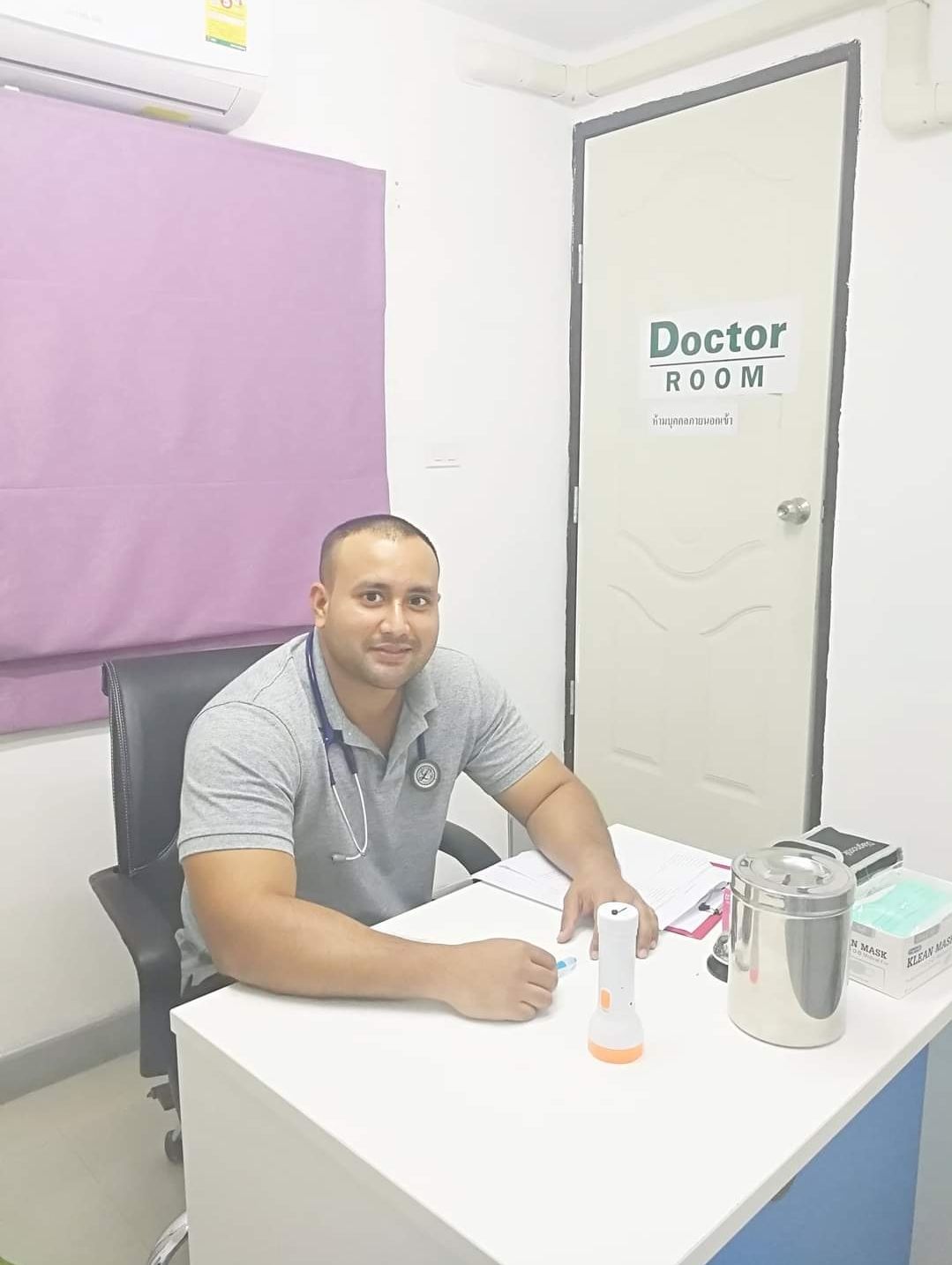
Dr. Ponlawat Pitsuwan is a physician at Doctor Bangkok, a private clinic in central Bangkok. He sees expats, residents, and medical tourists for general medicine, wellness consultations, and IV therapy. His focus is straightforward, evidence-based care delivered in plain language.