
Clinically reviewed by Dr. Ponlawat Pitsuwan, Physician, Doctor Bangkok. Last reviewed: July 2026
Diet is one of the most powerful tools for managing high blood pressure. Cutting sodium, eating more potassium-rich foods, and following a pattern like the DASH diet can lower your blood pressure within weeks. For expats and visitors in Bangkok, knowing which Thai foods to limit is just as important as knowing which foods to add.
If you have been told your blood pressure is high, you are probably wondering how much diet actually matters. The honest answer: a lot. What you eat every day has a direct effect on the pressure inside your arteries. And if you are living in or visiting Bangkok, there is an extra layer to this that most online guides completely miss.
Thai food is delicious. It is also loaded with sodium, often far more than people realise. Fish sauce, soy sauce, and MSG appear in nearly every dish, from street food to restaurant curries. Managing blood pressure through diet while living here takes a different approach than the advice written for a Western kitchen. This guide covers both.

Why What You Eat Directly Affects Your Blood Pressure
Sodium is the main dietary driver of high blood pressure. It pulls water into your bloodstream, increasing the volume your heart has to pump. More volume means more pressure.
The good news is this works in reverse. Reduce sodium, increase certain minerals, and your blood vessels relax. Blood pressure comes down. For many people with early or borderline high blood pressure, this change alone makes a real difference.
Key Nutrients That Actually Help
Three minerals do most of the work: potassium, magnesium, and calcium. Most people with high blood pressure are not getting enough of any of them.
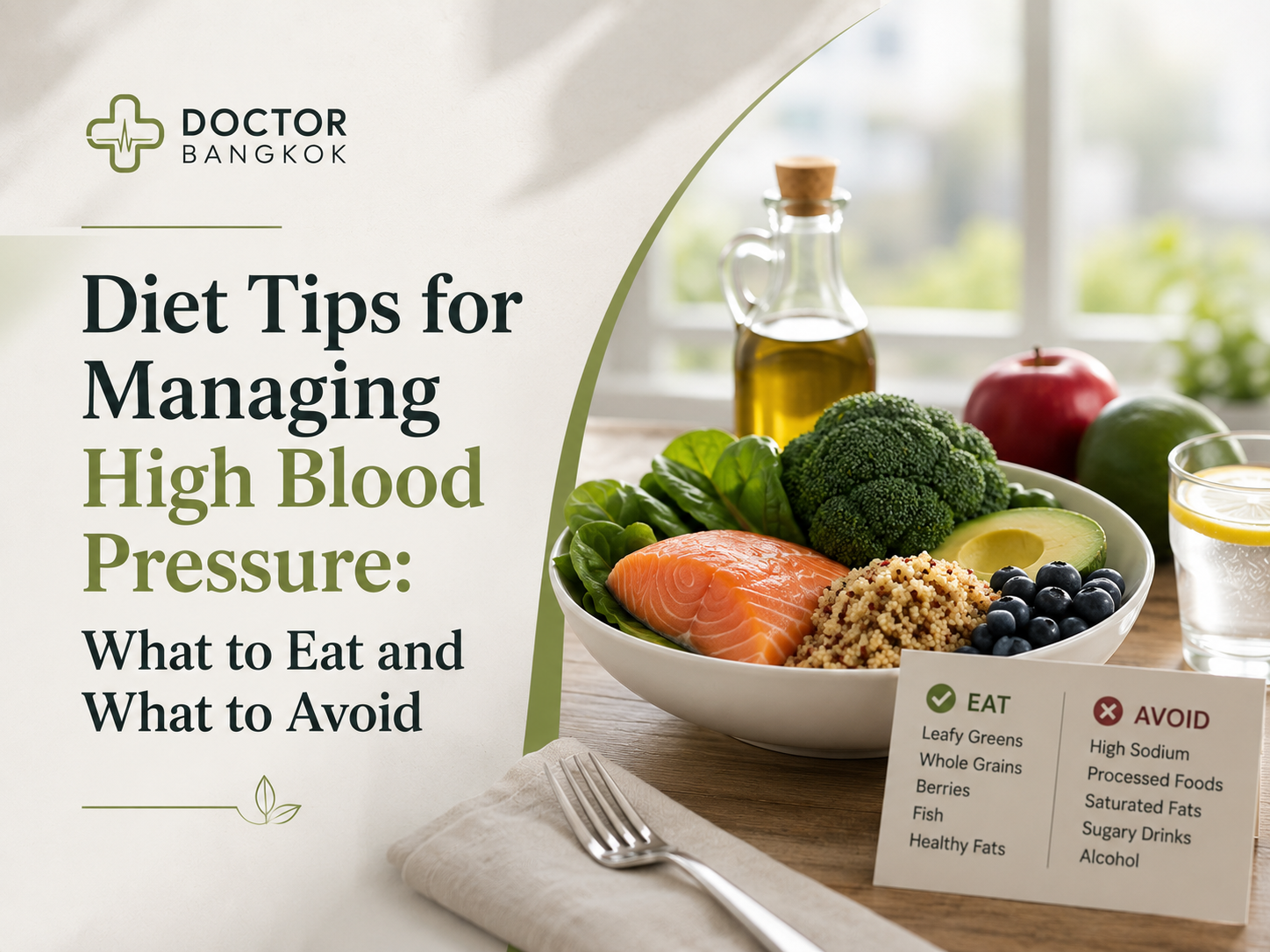
Potassium helps your kidneys flush out excess sodium. Good sources include bananas, sweet potatoes, avocados, beans, and spinach. Magnesium helps relax the walls of your blood vessels and is found in nuts, seeds, whole grains, and dark leafy greens. Calcium keeps vessel tone healthy and comes from low-fat dairy, tofu, and fortified plant milks.
These nutrients are directly countering the effects of sodium. Getting enough of them is not optional if you are serious about managing your blood pressure through diet.

The DASH Diet: The Most Studied Approach
DASH stands for Dietary Approaches to Stop Hypertension. Clinical evidence suggests it can reduce the top number in your blood pressure reading by a meaningful amount in as little as two weeks. It is the most evidence-backed eating pattern for high blood pressure.
In practical terms, DASH means eating plenty of vegetables, fruits, whole grains, and low-fat dairy. It means limiting red meat, saturated fat, sugar, and most importantly, sodium. The general target is between 1,500 and 2,300 mg of sodium per day. For context, a single tablespoon of fish sauce contains around 1,200 mg on its own.
You do not need to follow it as a rigid programme. Shifting your eating in that direction, more vegetables, less salt, less processed food, produces results. The evidence for that general direction is solid.
What About the Mediterranean Diet?
Both DASH and Mediterranean eating are good for blood pressure. DASH was designed specifically for hypertension and has the strongest direct evidence. Mediterranean eating focuses on heart health broadly and has strong evidence for cardiovascular outcomes overall.
The practical difference is small. If your main goal is lowering blood pressure numbers, DASH is the more targeted approach. If you enjoy cooking with olive oil and eating fish regularly, Mediterranean-style eating is a realistic and effective choice.
What I tell most patients is this: both diets reduce salt, increase vegetables and whole grains, and limit processed food. Start there. The label matters less than the direction.
The Bangkok-Specific Sodium Problem
This is the section most diet guides skip entirely. Living in Bangkok means eating in an environment where hidden sodium is everywhere. Fish sauce, soy sauce, oyster sauce, and MSG go into almost everything. Pad Thai, green curry, tom yum, stir-fried vegetables, even soups sold as healthy options all carry high sodium loads.
This does not mean you cannot eat Thai food. It means making deliberate choices about where the sodium is coming from.
The highest-risk dishes are anything heavily sauced, fermented, or seasoned at the wok. Pad krapao, curries with paste, and noodle soups with fish ball toppings tend to be sodium-heavy. Lower-risk options include steamed fish with ginger, plain jasmine rice, grilled chicken without sauce, and fresh papaya salad requested with less fish sauce. At home, switching from fish sauce to reduced-sodium soy sauce, or using lime and chilli instead, makes a genuine difference over time.
Practical Tips for Eating Out in Bangkok
Most expats eat out most of the time. The goal is not to avoid restaurants but to order more carefully.
Ask for sauces on the side. Request "nit noi kluea," which means a little salt in Thai. Choose steamed, grilled, or boiled over fried or stir-fried. Avoid adding the tableside condiments at street stalls. Those jars of fish sauce, chilli vinegar, and sugar are used heavily by default. At international restaurants, grilled proteins and salads with dressing on the side are generally safer choices.
The goal when eating out is reducing your sodium load across the week, not achieving perfection at every meal.
Foods to Cut Back On
Processed meats, instant noodles, canned soups, salty snacks, pickled vegetables, and bottled sauces are the biggest sodium offenders in any Bangkok supermarket. Cutting back on these has a measurable effect.
Alcohol raises blood pressure directly. A drink occasionally is unlikely to cause harm, but regular heavy drinking makes blood pressure significantly harder to control. If you are already on blood pressure medication, grapefruit and grapefruit juice can interfere with how some medications work in your body. Ask your doctor whether grapefruit is safe for you specifically before keeping it in your regular diet.
When Diet Is Not Enough: Getting Assessed in Bangkok
Diet works best as part of a complete picture. For mild or borderline high blood pressure, dietary changes can sometimes bring numbers back into a safe range. For moderate to severe hypertension, medication is usually needed alongside lifestyle changes. The only way to know which situation you are in is to be assessed properly.
High blood pressure often has no symptoms. You feel fine until something more serious happens. If you are an expat who has not had a blood pressure check recently, or who has been managing it back home and has not seen a doctor since arriving, that gap matters.
At Doctor Bangkok, we see a lot of expats in exactly this situation. A blood pressure assessment, a review of any current medications, and a management plan can all be handled in a single consultation. Our chronic conditions service covers ongoing hypertension monitoring and management for residents and long-stay visitors. If you are eating Thai food daily and managing blood pressure, it is worth discussing whether your current diet is working against your goals.
Concerned about your blood pressure? Doctor Bangkok offers blood pressure checks, hypertension consultations, and ongoing management for expats and visitors in central Bangkok. English-speaking doctors, BTS accessible, walk-in available. Visit doctorbangkok.co.th or book your consultation online today.
FAQ
Is Thai food bad for high blood pressure?
It is not off the table entirely, but it does require careful choices. Fish sauce, soy sauce, and MSG are the main sodium culprits and appear in almost every Thai dish. Lower-risk options include steamed fish, plain rice, and fresh salads with sauces ordered on the side. The goal is reducing your sodium load across the week, not avoiding every Thai meal.
How quickly can diet changes lower blood pressure?
Clinical trials on the DASH diet have shown measurable reductions in as little as two weeks, though results vary depending on your starting blood pressure and whether you also need medication. Getting a baseline reading first means you can actually track whether the changes are working.
Can I manage high blood pressure with diet alone, without medication?
For borderline or stage 1 hypertension, dietary changes can sometimes be enough. For higher readings, medication is usually needed alongside diet. The only way to know which situation you are in is to be assessed by a doctor. Managing without knowing your actual numbers is not a strategy I recommend.
What foods should I cut back on with high blood pressure?
The main ones are heavily processed foods, instant noodles, canned soups, pickled items, salty sauces, and alcohol in excess. If you are already on blood pressure medication, grapefruit and grapefruit juice can interfere with how some medications work, so check with your doctor before keeping it in your regular diet.
Where can I get my blood pressure checked in Bangkok as an expat or visitor?
Pharmacies offer rough readings, but a clinic gives you a full assessment, a review of any medications you are on, and a proper management plan. Doctor Bangkok has English-speaking doctors, is BTS accessible, and offers walk-in appointments. It is the most straightforward option for expats who want an accurate picture and a clear next step.
Does cutting salt alone make a significant difference?
Yes, for many people it does. Reducing sodium is consistently the most impactful single dietary change for blood pressure. In Bangkok, where hidden sodium in sauces and street food is very high, even modest reductions in daily sodium can produce a measurable effect over a few weeks.
Dr. Ponlawat Pitsuwan
Physician, Doctor Bangkok
a private medical clinic in central Bangkok. He sees expats, residents, and medical tourists for chronic condition management, including hypertension monitoring, cardiovascular risk assessment, and general health checks. His focus is straightforward, evidence-based care delivered in plain language.
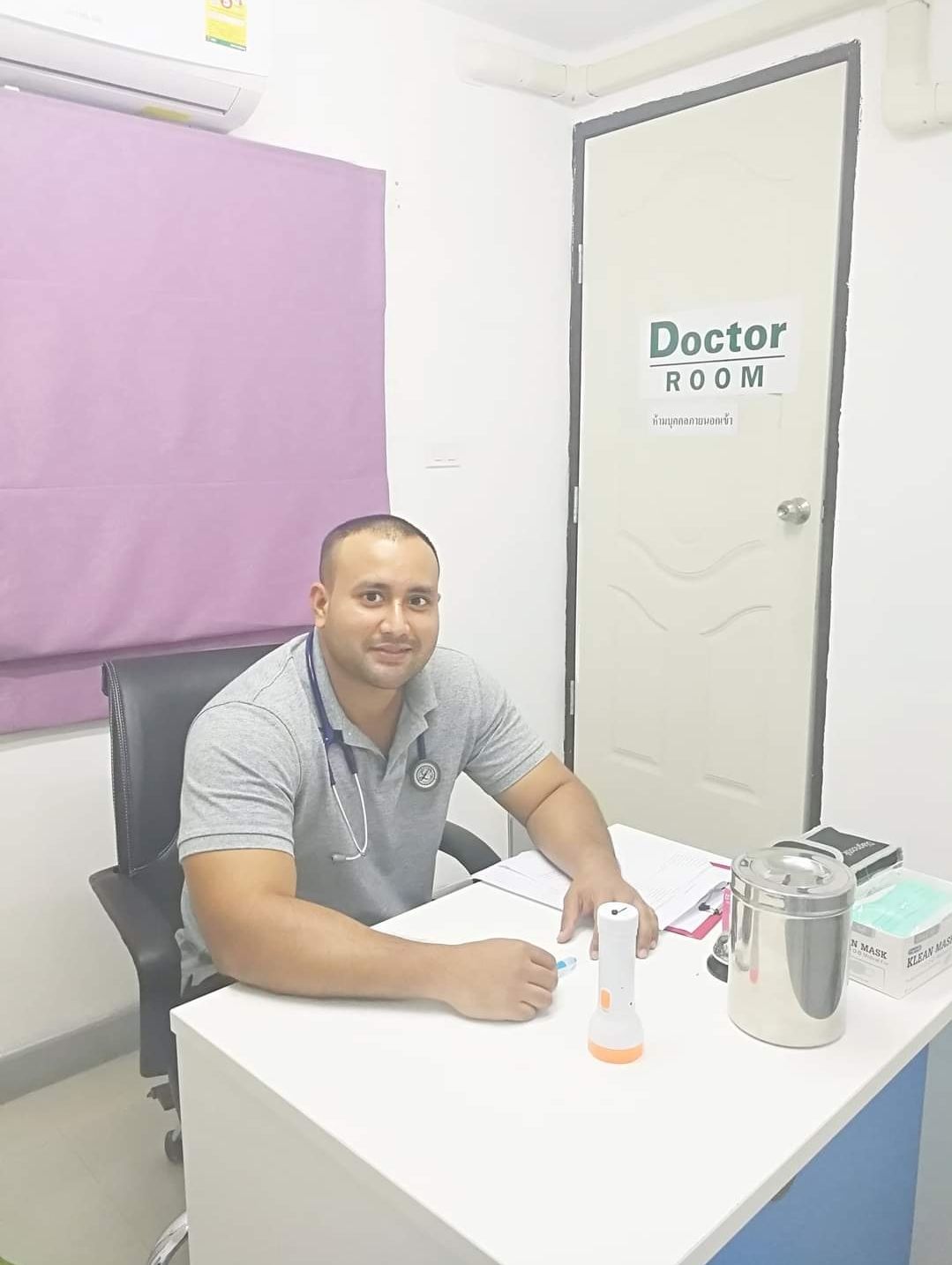
Dr. Ponlawat Pitsuwan is a physician at Doctor Bangkok, a private clinic in central Bangkok. He sees expats, residents, and medical tourists for general medicine, wellness consultations, and IV therapy. His focus is straightforward, evidence-based care delivered in plain language.