
Clinically reviewed by Dr. Ponlawat Pitsuwan, Physician, Doctor Bangkok. Last reviewed: July 2026
High blood pressure is treated through lifestyle changes, medication, or both, depending on your readings and overall cardiovascular risk. Common first steps include reducing sodium, increasing physical activity, and limiting alcohol. When those are not enough, antihypertensive medications such as ACE inhibitors, calcium channel blockers, or diuretics are prescribed. Most people with hypertension can reach a safe target with the right combination of both.
If you have just been told your blood pressure is high, or you have been managing it for years and are now living in Bangkok, you probably have questions. Can you get your medication here? Is the heat making things worse? Do the numbers mean the same thing in Thailand as back home? These are the exact questions I hear every week from expats in my clinic.
High blood pressure rarely causes symptoms. That is what makes it dangerous. You feel fine, so you put off the appointment, skip the refill, or assume it has sorted itself out. It has not. The good news is that it is very manageable, and starting treatment in Bangkok is straightforward if you know where to go.

What Your Blood Pressure Numbers Actually Mean
Two numbers matter. The top number is your systolic pressure, measured when your heart beats. The bottom is your diastolic, measured between beats. A normal reading is below 120 over 80.
Here is something that confuses a lot of expats. The Thai Hypertension Society uses 140 over 90 as the main treatment threshold. Many of you come from countries where 130 over 80 is standard. So if a Thai hospital tells you your 135 over 85 is fine, and your doctor back home had already started you on medication, that is not a contradiction. It is a guideline difference.
At Doctor Bangkok, we apply international best practice. We look at your numbers, your age, your family history, and your overall cardiovascular risk together, not just a single cutoff. That gives you a much more accurate picture of where you stand.
Why This Cannot Wait
Most patients with untreated high blood pressure feel completely normal for years. The damage is happening silently, to your heart, your kidneys, your eyes, and your arteries. By the time symptoms appear, the harm is often already done.
I am not trying to alarm you. I am trying to explain why the reading on that machine at the pharmacy matters more than it feels like it does. If your numbers are consistently above 130 over 80, you need a proper assessment, not just a repeat reading at 7-Eleven.

Bangkok-Specific Risk Factors You Might Not Have Considered
This is the section most hypertension articles skip, and it is the one that matters most if you are living here.
Thai food is delicious. It is also very high in sodium. Fish sauce, oyster sauce, fermented shrimp paste, and MSG are in almost everything, including dishes that do not taste salty. A single plate of pad see ew or tom yum can contain more sodium than your daily recommended intake. If you are eating street food or restaurant food every day, your sodium load is almost certainly higher than it was at home.
The heat adds another layer. Bangkok’s humidity and high temperatures cause your blood vessels to dilate and promote dehydration, both of which affect your blood pressure readings and how your medication works. If you are on a diuretic, the heat makes dehydration risk even higher.
Relocation stress is real too. Moving countries, adjusting to a new job, navigating Thai bureaucracy, time zone disruption, and changes in sleep and routine all push blood pressure up. I see this pattern regularly in newly arrived expats who had normal readings at home.
Lifestyle Changes That Actually Lower Blood Pressure
Lifestyle changes are not a consolation prize for people who do not want medication. For readings in the 130 to 139 over 80 to 89 range with no other risk factors, they are often the right first step, and the evidence behind them is strong.
Cutting sodium is the single most effective dietary change. The target is under 2,000 mg per day. In Bangkok, this means being deliberate about what you order, asking for less sauce, and choosing dishes that are less reliant on fermented condiments. It is not easy here, but it is possible.
Regular exercise lowers blood pressure meaningfully. Thirty minutes of brisk walking, swimming, or cycling most days of the week is enough. Bangkok’s heat makes outdoor exercise uncomfortable, but the city has no shortage of air-conditioned gyms, and many condos have pools.
Alcohol raises blood pressure, particularly in larger amounts. Reducing to one or two standard drinks on no more than five days a week makes a measurable difference for most people. Stress management, consistent sleep, and maintaining a healthy weight all contribute, and none of them are minor additions.
When Medication Is the Right Call
If your readings are consistently above 140 over 90, or above 130 over 80 with other risk factors like diabetes or kidney disease, lifestyle changes alone are usually not enough. Medication is not a failure. It is the appropriate treatment.
Several drug classes are used to treat high blood pressure. Calcium channel blockers such as amlodipine relax the blood vessel walls. ACE inhibitors and ARBs reduce hormonal signals that tighten vessels. Diuretics help your kidneys clear excess fluid and sodium. Beta-blockers slow the heart rate.
Most people with hypertension end up on one or two medications. The choice depends on your age, other conditions, kidney function, and how well your body tolerates specific drugs. Some adjustment in the first few months is completely normal.
What matters is that you stay on the medication even when you feel fine. Blood pressure medication controls the condition, it does not cure it. Stopping because your numbers look good is one of the most common mistakes I see.
Managing Your Prescription in Bangkok
Common blood pressure medications, including amlodipine and losartan, are widely available at Thai pharmacies and reasonably priced. Some can technically be purchased without a prescription. I would strongly advise against doing this without a proper assessment first.
Without knowing your kidney function, current readings, and full medical history, you are guessing at the dose. Dosage matters. Drug interactions matter. And if your blood pressure is not responding, you need to know that.
The practical solution is a consultation at a private clinic. We can review your existing prescription, confirm your current dose is appropriate, run any baseline tests you need, and issue a local prescription the same day. We work with most international insurance providers and can give you documentation for claims or continuity of care. If you are managing hypertension long-term while living here, our chronic conditions management service is designed exactly for this situation.
What a Blood Pressure Consultation Actually Involves
A lot of expats are not sure what to expect at a private clinic here. It is simpler than you think.
We take your blood pressure at least twice, on the same arm, with a proper rest period between readings. A single high reading does not diagnose hypertension. We look at the pattern. If there is concern about readings being elevated only in a clinical setting, we may ask you to monitor at home for a week and bring in a log.
Baseline blood tests check your kidney function, blood glucose, cholesterol, and electrolytes. An ECG checks whether high blood pressure has already affected your heart. Urine testing looks for protein, which can be an early sign of kidney involvement.
From there, we discuss whether medication is warranted, which class makes sense for you, and what your target reading should be. The whole appointment takes about 30 to 45 minutes.
Monitoring at Home
A good home blood pressure monitor is one of the most useful things you can own if you have hypertension. It costs around 1,000 to 2,000 baht at a pharmacy and takes readings automatically.
Check your blood pressure in the morning before you take any medication, and again in the evening. Sit quietly for five minutes first, feet flat on the floor, arm at heart level. Take two readings one minute apart and record both.
Bring this log to your follow-up appointment. It tells us far more than a single clinic reading, and it gives you a much clearer sense of how your lifestyle choices and medication are actually working. Patients who monitor at home tend to stay on track far better than those who do not.
Managing high blood pressure in Bangkok? Doctor Bangkok offers same-day consultations with English-speaking physicians, baseline blood tests, ECG, and prescriptions, seven days a week in central Bangkok. Whether you need a first diagnosis, a prescription refill, or ongoing monitoring, walk in or book online at doctorbangkok.co.th.
FAQ
Can I get my blood pressure medication in Bangkok without a prescription?
Technically yes, common medications like amlodipine and losartan are available at many Thai pharmacies. I would not recommend it without a proper assessment first. Without knowing your kidney function, current readings, and full medical history, you are guessing at the dose, and that carries real risk.
What blood pressure reading is considered high in Thailand?
The Thai Hypertension Society uses 140 over 90 as the main treatment threshold, while US and many European guidelines use 130 over 80. At Doctor Bangkok, we apply international best practice and consider your overall cardiovascular risk, not just one cutoff number. If you feel unsure where you stand, come in and we will walk through it with you.
Does Bangkok’s heat make high blood pressure worse?
Yes, it can. Heat causes your blood vessels to dilate and promotes dehydration, both of which affect your readings and how your medication performs. If you are on a diuretic, the heat increases your dehydration risk further. Stay well hydrated and check your blood pressure more regularly during the hot season.
How long does blood pressure medication take to work?
Most medications begin to lower blood pressure within one to two weeks, but the full effect often takes four to six weeks. Do not stop taking it early because you feel fine. High blood pressure has no symptoms, and stopping medication is usually what brings it back.
Do I need a cardiologist for high blood pressure, or can a GP manage it?
Uncomplicated hypertension is managed by a GP in most cases. A specialist is only needed if your blood pressure does not respond to multiple medications, or if there is concern about an underlying cause or significant organ damage. The physicians at Doctor Bangkok can assess, treat, and refer when needed.
How much does salt in Thai food actually matter for blood pressure?
It matters a lot. Thai cooking relies heavily on fish sauce, oyster sauce, and fermented shrimp paste, all very high in sodium. Eating street food or restaurant food daily in Bangkok likely puts you well above the recommended daily sodium limit. It is one of the first things I address with hypertensive expats living here.
Dr. Ponlawat Pitsuwan
Physician, Doctor Bangkok
a private medical clinic in central Bangkok. He sees expats, residents, and medical tourists for hypertension assessment, chronic disease management, and general medical consultations. His focus is straightforward, evidence-based care delivered in plain language.
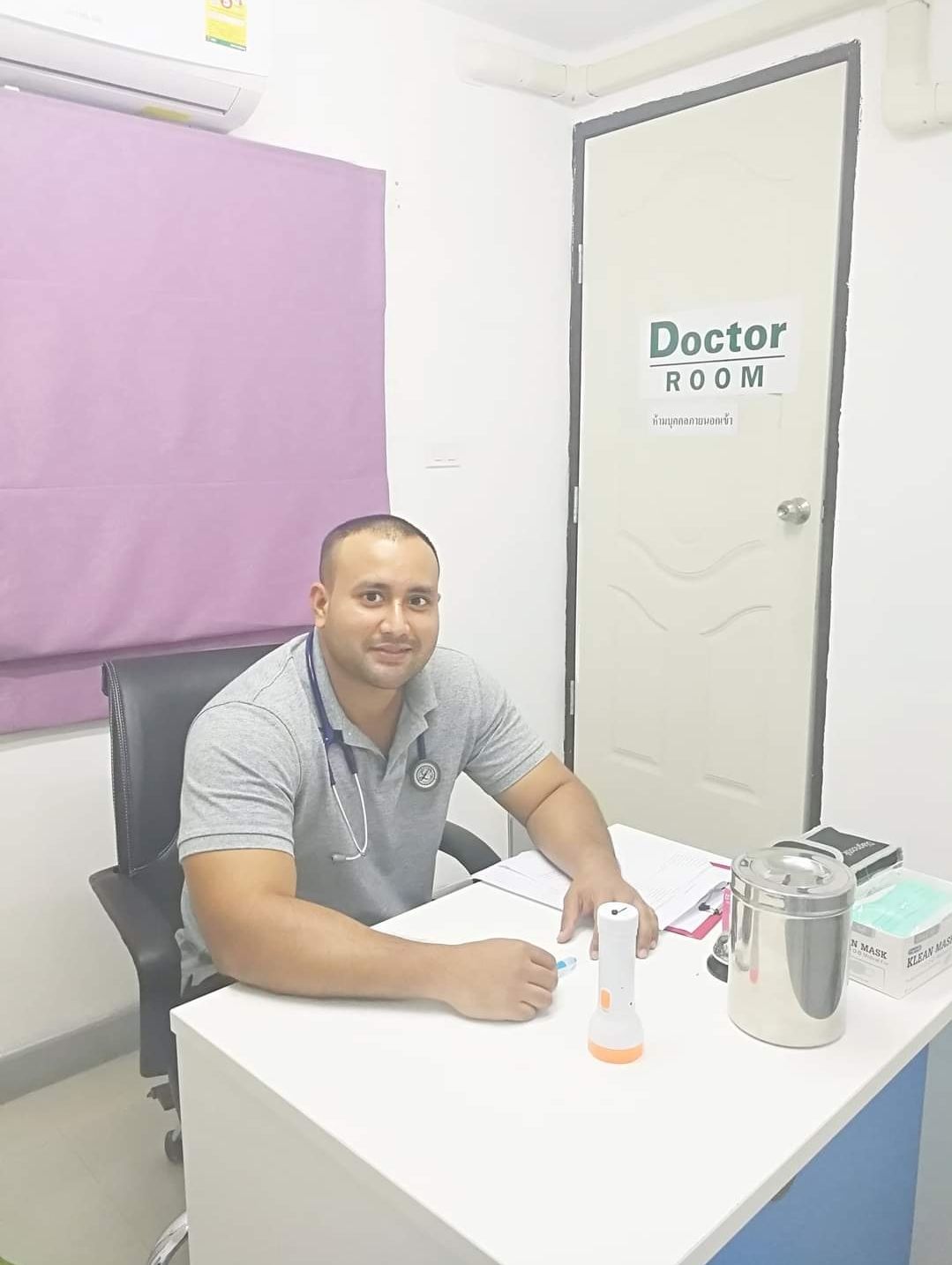
Dr. Ponlawat Pitsuwan is a physician at Doctor Bangkok, a private clinic in central Bangkok. He sees expats, residents, and medical tourists for general medicine, wellness consultations, and IV therapy. His focus is straightforward, evidence-based care delivered in plain language.