
Clinically reviewed by Dr. Ponlawat Pitsuwan, Physician, Doctor Bangkok.
Last reviewed: July 2026
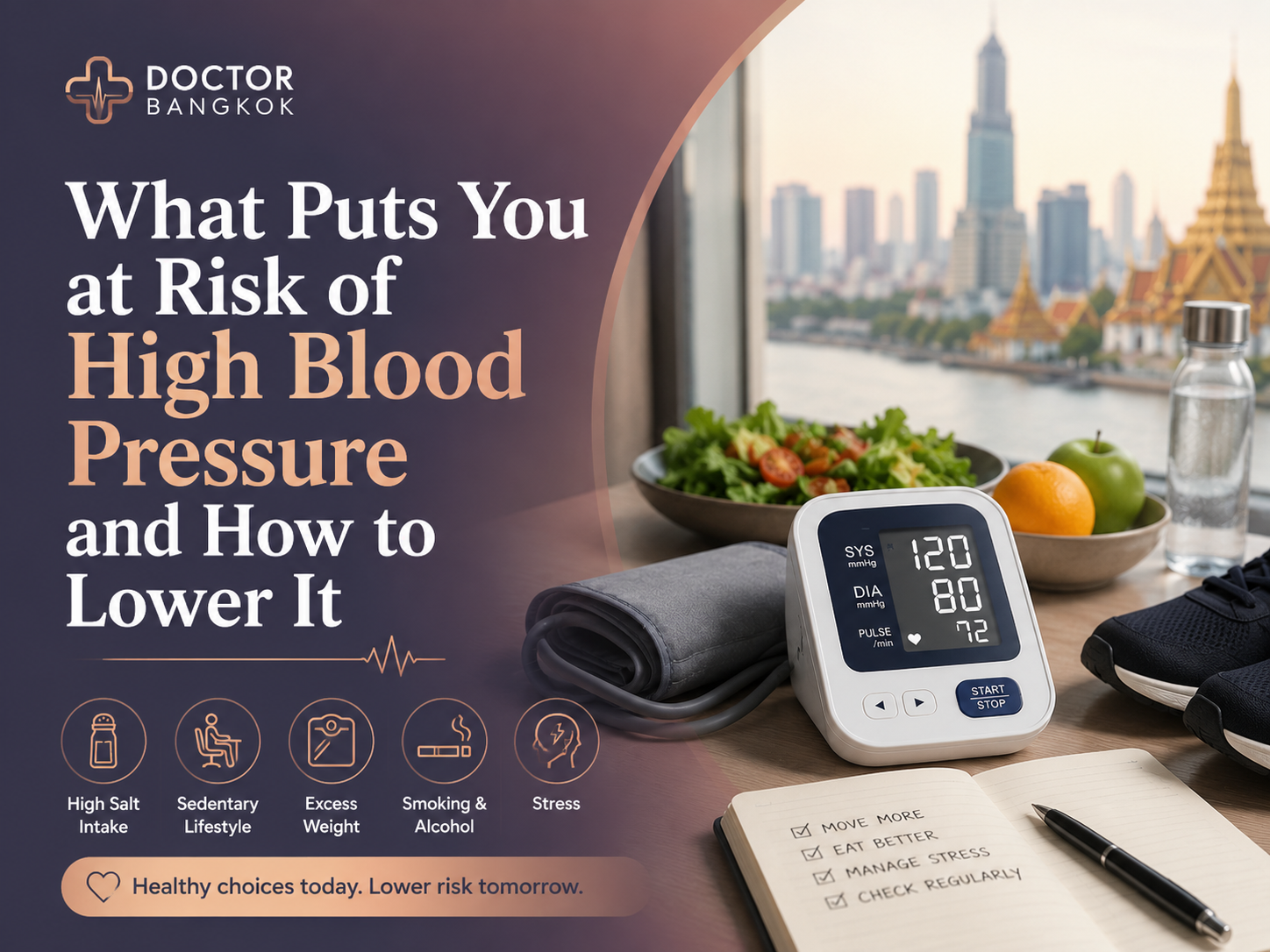
High blood pressure usually has no symptoms. Most people do not know they have it until something goes wrong. Key risk factors include a high-sodium diet, physical inactivity, excess weight, heavy alcohol use, chronic stress, poor sleep, and a family history of hypertension. Living in Bangkok adds extra layers: intense heat, a salt-heavy food environment, and the reality that many expats have not seen a doctor in years.
If you are living in Bangkok and cannot remember the last time someone checked your blood pressure, this article is for you. Not because you feel unwell. That is exactly the problem. High blood pressure, or hypertension, almost never causes symptoms. You can feel completely fine while your arteries are under constant strain.
I see this regularly at Doctor Bangkok. Patients come in for something else entirely and we find their blood pressure is dangerously high. They had no idea. This is not unusual. Research into hypertension in Thailand shows that a large share of people with the condition are unaware they have it. For expats who have left their regular doctor behind, the risk of going undetected is even higher. Read on and find out whether your situation puts you at risk.

The Two Types of Risk Factors: What You Can and Cannot Change
Some risk factors are fixed. Others are fully in your control. Knowing the difference helps you focus where it actually matters.
Age is one you cannot change. Blood pressure tends to rise as you get older, and this becomes more noticeable after your mid-forties. Men generally see this shift earlier. Women often see a significant rise after menopause. If you are older and have never had a proper reading, that alone is reason to get one.
Family history matters too. If one or both parents had high blood pressure or heart disease, your risk is meaningfully higher. This does not mean you will definitely develop it, but it means you need to be more careful about the things you can control.
Race and ethnicity also play a role. People of South Asian, African, and Caribbean descent have higher average rates of hypertension. If that applies to you, your baseline screening should start earlier, not later.
The Risk Factors You Can Actually Do Something About
These are the ones worth your attention. Most cases of high blood pressure are driven by lifestyle, and lifestyle is something you can change.
Diet is probably the biggest one. Sodium is the main issue. Eating too much salt causes your body to hold onto fluid, which pushes blood pressure up. Eating more vegetables, fruit, and lean protein while cutting back on salt has strong evidence behind it for lowering blood pressure. More on what this means specifically in Bangkok shortly.
Excess weight puts direct strain on your heart and blood vessels. Carrying extra weight around your waist is particularly linked to high blood pressure. Losing even a small amount can produce a measurable drop in your readings.
Physical inactivity compounds this. A sedentary lifestyle makes your heart work harder at rest. Regular moderate exercise, such as brisk walking, swimming, or cycling, has good evidence for bringing blood pressure down over time. Thirty minutes most days is enough to make a real difference.
Heavy alcohol use raises blood pressure consistently. A drink or two occasionally is unlikely to cause problems. But regular heavy drinking is a well-established risk factor, and for many expats in Bangkok, alcohol consumption is higher than it would be back home.
Chronic stress keeps your body in a state of constant activation. This raises blood pressure acutely, and over time it can contribute to persistently high readings. Poor sleep, including undiagnosed sleep apnea, has a similar effect. Sleep apnea, where your breathing repeatedly stops during sleep, is closely tied to hypertension and widely underdiagnosed.
Smoking and certain medications, including some anti-inflammatory drugs and decongestants, also raise blood pressure. If you are on regular medication, it is worth reviewing with a doctor whether any of it may be contributing.

Medical Conditions That Push Your Blood Pressure Up
Sometimes high blood pressure is a sign of something else going on. This is called secondary hypertension, and it is worth ruling out.
Kidney disease is the most common underlying cause. Your kidneys control fluid and salt balance, and when they are not working properly, blood pressure tends to rise. Thyroid disorders, both overactive and underactive, can also affect your readings. Diabetes and high blood pressure frequently occur together, each making the other worse.
Sleep apnea is particularly worth mentioning here. Many people who have it do not know. If you snore heavily, wake up feeling unrefreshed, or feel exhausted despite a full night in bed, it is worth investigating. Treating sleep apnea can significantly improve blood pressure control.
When there is an underlying cause, treating it may resolve the blood pressure problem entirely. This is why a proper first assessment, including blood tests, gives you a much clearer picture than a single reading alone.
Bangkok-Specific Risk Factors Expats Often Overlook
This is the part most online articles miss completely. Bangkok is not a neutral environment for cardiovascular health.
The food here is genuinely high in sodium. Fish sauce, fermented shrimp paste, soy-based sauces, and instant noodles are all staples of Thai cooking and street food. A single bowl of boat noodles or a plate of pad see ew from a street stall can contain more sodium than most dietary guidelines recommend for an entire day. As an expat eating out most days, this adds up quickly.
Bangkok’s heat and humidity create a different kind of cardiovascular stress. Dehydration from sweating can cause blood pressure to spike. Newly arrived expats are particularly vulnerable in the first few weeks. If you are getting your blood pressure checked, rest in a cool room first and make sure you are properly hydrated.
Urban noise, broken sleep from Bangkok’s nightlife, long working hours, and social pressure to drink heavily are all real factors for the expat community here. None of these appear on standard hypertension risk charts. But in practice, I see them contributing regularly.
The Expat Awareness Gap
Many expats living in Bangkok have not had a health check in years. They left behind a GP they saw regularly. They feel fine. They assume that feeling fine means all is fine.
High blood pressure does not give you a warning. There is no headache that reliably signals it. No chest pain. No fatigue you would recognise as coming specifically from your blood pressure. By the time it causes noticeable symptoms, it has often already caused damage to your heart, kidneys, or arteries.
A baseline reading takes less than two minutes. There is no reason not to get one.
Getting a Blood Pressure Check in Bangkok
At Doctor Bangkok, no appointment is needed for a blood pressure check. You walk in, we take a reading, and if something needs attention we go through the results together and decide on the right next step.
A reading under 120/80 mmHg is considered normal. Readings consistently above 130/80 mmHg meet the threshold for hypertension under current guidelines. If your first reading is elevated, we will not diagnose you on the spot. One high reading can happen for many reasons, including anxiety in a clinical setting. We will take a careful history, repeat the reading, and often arrange blood tests to look for underlying causes.
If you are managing high blood pressure and have run out of medication in Bangkok, do not stop taking it. Stopping antihypertensive medication suddenly can cause a sharp, dangerous rise in blood pressure. Come in with whatever you have left and we can review your prescription and arrange a local equivalent the same day.
For longer-term support, our chronic conditions service covers ongoing blood pressure management for expats and long-term residents who do not have another regular physician here. We also see patients who want to understand how to prevent high blood pressure before it becomes a problem.
What You Can Do Right Now
Start with what you eat. Reduce fish sauce, soy sauce, and processed foods where you can. More vegetables. More water. This alone can make a measurable difference over several weeks.
If you are sedentary, start moving. A thirty-minute walk in a cool environment, early morning or after sunset in Bangkok, most days of the week is enough. You do not need a gym.
Cut back on alcohol if your consumption is high. Bangkok makes this harder than most places. But even reducing significantly, rather than stopping entirely, has clear cardiovascular benefit.
Get a reading. If you have not had one in the past year, that is the single most useful thing on this list. Everything else follows from knowing your numbers. Doctor Bangkok offers same-day checks with no appointment needed, and our approach to managing chronic conditions means you have support beyond a single visit if you need it.
Concerned about your blood pressure? Doctor Bangkok offers walk-in blood pressure checks and same-day hypertension consultations with English-speaking physicians. No appointment needed. We are centrally located and BTS accessible. If you are managing a chronic condition like hypertension while living in Bangkok, our chronic disease management service is built for exactly that. Visit doctorbangkok.co.th or walk in today.
Can Bangkok’s heat and humidity raise my blood pressure?
Yes, and it works in both directions. Dehydration from sweating can cause a spike in blood pressure. Make sure you are rested and hydrated before any reading, and take Bangkok’s climate seriously as a cardiovascular stressor.
Is Thai food bad for blood pressure?
It can be, and this is something I raise with expat patients regularly. Thai cooking relies heavily on fish sauce, fermented pastes, and soy-based sauces, all of which are very high in sodium. Eating out daily in Bangkok makes it hard to control your intake. Cooking more of your own food and asking for less sauce when ordering are practical first steps.
I feel completely fine. Do I really need to get my blood pressure checked?
Yes. High blood pressure produces no symptoms in the vast majority of people. Feeling well is not a reliable indicator. A reading takes two minutes and gives you real information. If you have not had one in the past year, get one.
I ran out of my blood pressure medication in Bangkok. What should I do?
Do not stop taking it. Stopping antihypertensive medication suddenly can cause a sharp, dangerous rise in blood pressure. Come in to Doctor Bangkok with whatever medication you have left. We can review your prescription and arrange a local equivalent the same day.
What is the difference between primary and secondary hypertension?
Primary hypertension has no single identifiable cause and accounts for most cases. Secondary hypertension is caused by an underlying condition such as kidney disease, a thyroid disorder, or sleep apnea. The distinction matters because treating the underlying cause may resolve the blood pressure problem. A first consultation that includes blood tests can help identify which type you have.
How often should I have my blood pressure checked if I live in Bangkok?
If your readings have always been normal and you have no major risk factors, once a year is a reasonable baseline. If you are over forty-five, have a family history of hypertension, are overweight, or drink regularly, more frequent checks make sense. If you are already on medication, your doctor will guide the frequency.
Dr. Ponlawat Pitsuwan
Physician, Doctor Bangkok
a private medical clinic in central Bangkok. He sees expats, residents, and medical tourists for chronic disease management, cardiovascular risk assessment, and general internal medicine. His focus is straightforward, evidence-based care delivered in plain language.
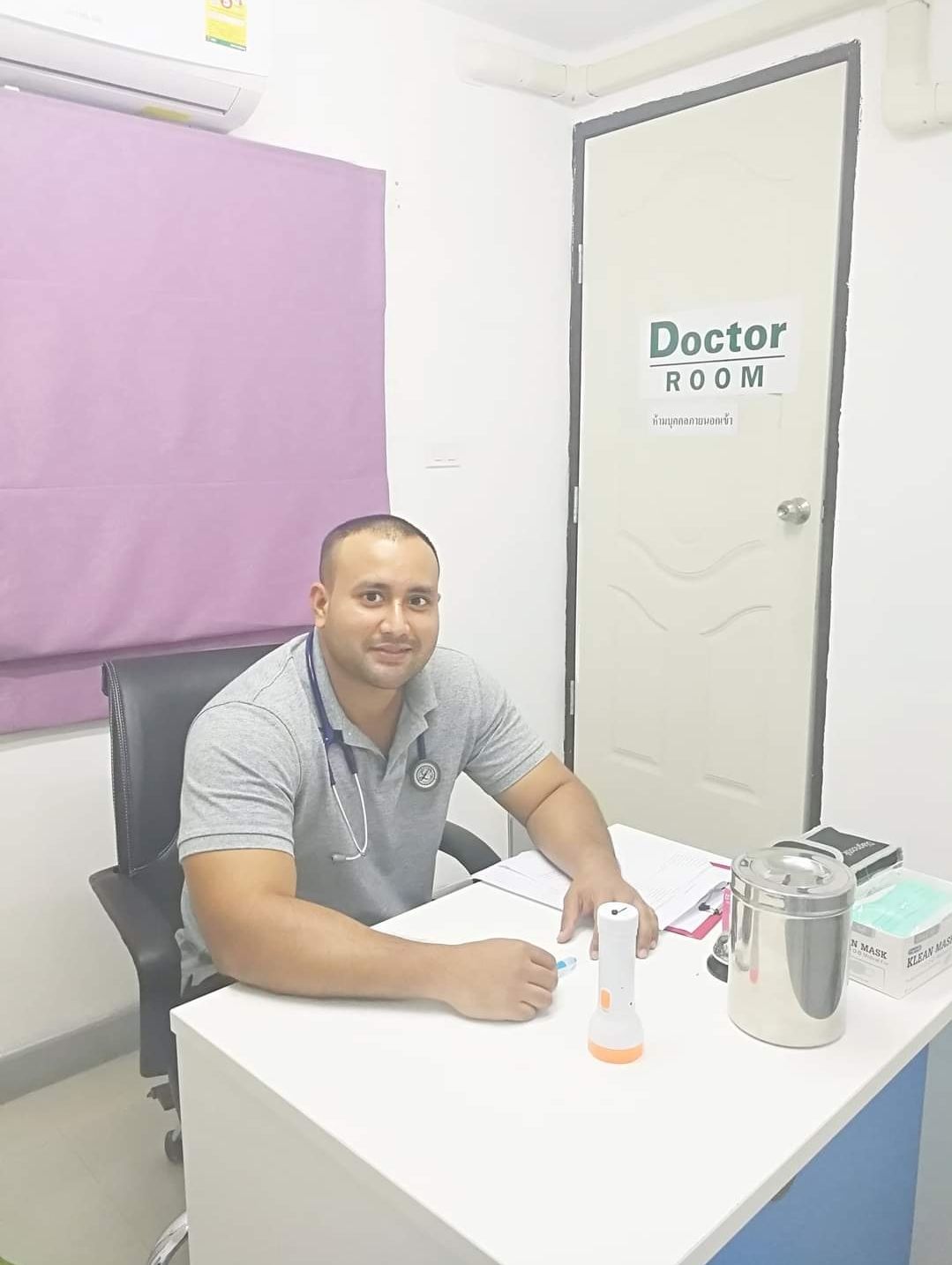
Dr. Ponlawat Pitsuwan is a physician at Doctor Bangkok, a private clinic in central Bangkok. He sees expats, residents, and medical tourists for general medicine, wellness consultations, and IV therapy. His focus is straightforward, evidence-based care delivered in plain language.