
Clinically reviewed by Dr. Ponlawat Pitsuwan, Physician, Doctor Bangkok.
Last reviewed: July 2026
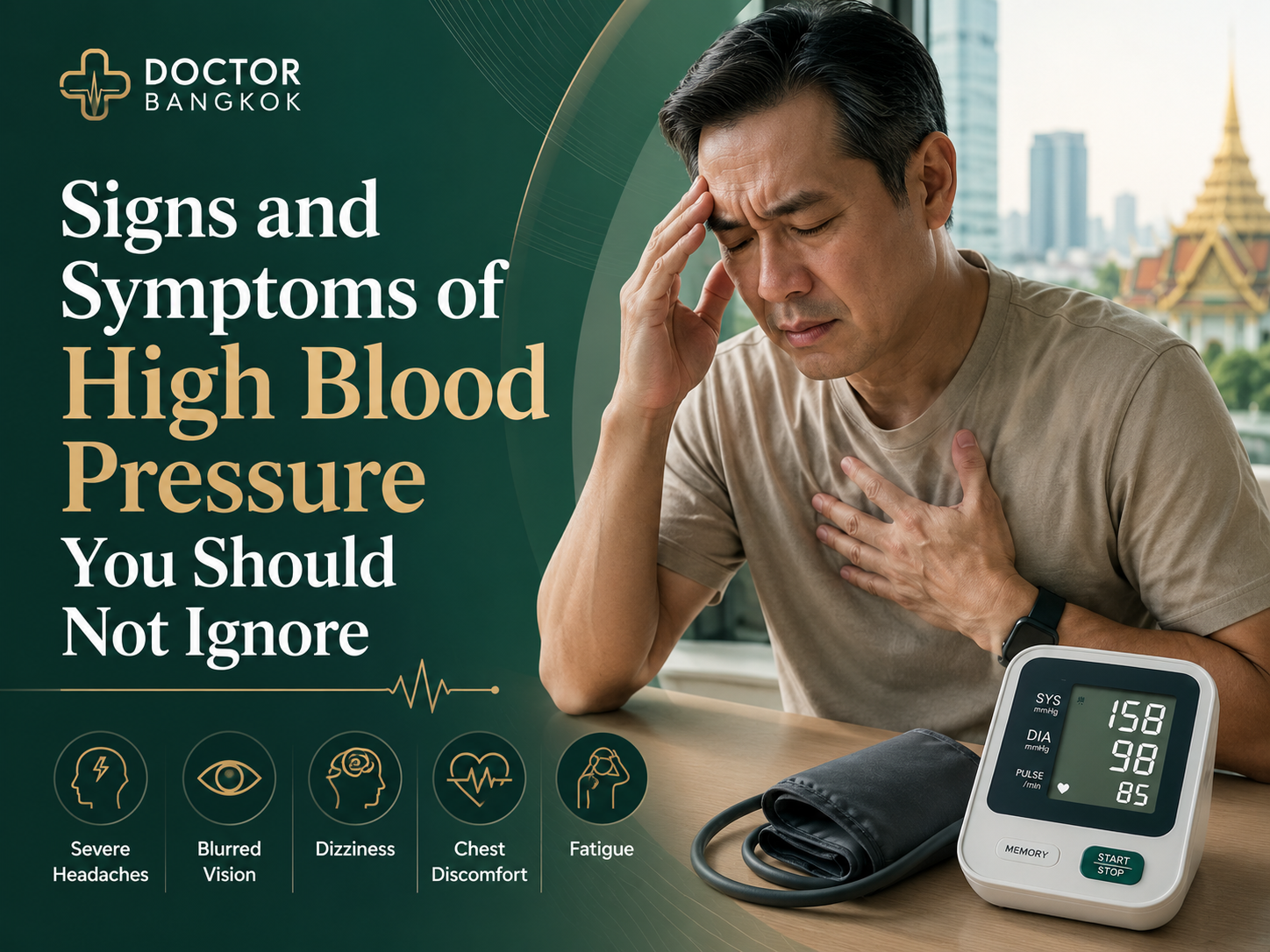
High blood pressure, or hypertension, usually causes no symptoms. Many people living in Bangkok do not know they have it until a routine check or something more serious prompts a test. A normal reading is below 120/80. Anything consistently at or above 130/80 needs attention. The good news is it responds well to treatment when caught early.
If you have been living in Bangkok for a while and have not had your blood pressure checked recently, you are not alone. Most of my expat patients have not had a proper health check in years. They feel fine. That is exactly the problem with high blood pressure. It does not usually make you feel anything, right up until it causes a stroke or damages your kidneys.
Bangkok is not a neutral environment for your blood pressure. The food is heavily salted, the heat is real, the social scene often involves alcohol, and relocating to a new country carries stress that builds quietly. If you are reading this because a reading came back high, or because you have been putting off a check-up, here is what you need to know and what to do next.

Understanding Your Blood Pressure Numbers
Two numbers. The top one is your systolic pressure, the force when your heart beats. The bottom one is diastolic, the pressure when your heart rests between beats. Both matter.
| Category | Systolic (top) | Diastolic (bottom) |
|---|---|---|
| Normal | Below 120 | Below 80 |
| Elevated | 120 to 129 | Below 80 |
| Stage 1 Hypertension | 130 to 139 | 80 to 89 |
| Stage 2 Hypertension | 140 or above | 90 or above |
| Hypertensive Crisis | 180 or above | 120 or above |
One high reading does not confirm the diagnosis. Blood pressure shifts through the day. A single clinic reading can be skewed by stress, caffeine, or anxiety about the appointment itself. What matters is a pattern across multiple readings.
High Blood Pressure Symptoms, or the Lack of Them
Here is the honest answer: most people feel nothing.
High blood pressure is called the silent killer for a reason. I have had patients walk in with readings above 160/100 who felt completely normal that morning. No headache, no dizziness, nothing. They came in for something else entirely.
Some people do get headaches, especially at the back of the head in the morning, or notice occasional blurred vision. But these are not reliable signs. Do not wait to feel something before getting checked. By the time blood pressure causes noticeable symptoms, it has often been elevated for years.

What Causes High Blood Pressure?
For most people, there is no single cause. Age, genetics, diet, weight, and lifestyle all add up. This is called primary hypertension, and it accounts for the vast majority of cases.
A smaller number of people have secondary hypertension, meaning a specific condition is driving it. Kidney disease, thyroid problems, obstructive sleep apnoea, and certain medications can all raise blood pressure. If you are younger, have no obvious risk factors, and your blood pressure is hard to control, it is worth checking for an underlying cause.
In Bangkok, I see a few patterns come up again and again. Expats eating out daily, which means high sodium without realising it. Alcohol several nights a week. Disrupted sleep from heat or noise that never fully resolved. A sedentary desk job with a long commute. None of these alone is dramatic, but they stack.
Bangkok-Specific Risk Factors Expats Need to Know
Thai food is delicious. It is also one of the saltiest cuisines in the world. Fish sauce, soy sauce, shrimp paste, and MSG appear in almost everything. Most restaurant or street stall dishes contain more sodium than the recommended daily amount on their own. If you are eating Thai food three times a day and not cooking at home, your sodium intake is likely very high.
Heat and dehydration affect blood pressure in ways that are easy to miss. Short-term heat causes blood vessels to widen, which can bring readings down. But dehydration, easy to develop in Bangkok’s climate, pushes them back up. The result is fluctuating readings.
Alcohol is part of a lot of expat social life here. More than two drinks a day consistently raises blood pressure over time. Stress from relocation, work pressure, and being far from your usual support network feeds into it too. Together, over months or years, these things cause real problems.
How Is High Blood Pressure Diagnosed in Bangkok?
The first step is straightforward. We check your blood pressure in the clinic, usually twice in the same appointment with a few minutes between readings. If it is elevated, we ask about your history, medications, lifestyle, and family background.
From there, we usually run a blood panel covering your kidneys, blood glucose, cholesterol, and sometimes your thyroid. We are looking for both causes and the downstream effects of high blood pressure.
Two patterns are worth knowing about. White coat hypertension is when anxiety at a clinic pushes your reading up, but your pressure is actually normal elsewhere. Masked hypertension is the opposite: normal at the clinic, elevated at home or under stress. For both, home monitoring gives a more accurate picture. We can advise on this at your appointment.
Conditions That Often Come With High Blood Pressure
High blood pressure rarely travels alone. I regularly see patients who come in thinking they have one issue and leave with a clearer picture of two or three.
The most common companions are high cholesterol, high blood sugar, and excess weight. These conditions share the same root causes and each one makes the others worse. A single blood panel, checking your HbA1c (a longer-term measure of blood sugar), cholesterol, and kidney function, gives you the full picture in one visit. If you are getting checked for blood pressure, get everything. It takes five minutes and one blood draw.
Blood Pressure Medications in Thailand
Most standard blood pressure medications are available in Thailand. Common ones include amlodipine, losartan, perindopril, and hydrochlorothiazide. Good quality generics are widely stocked at pharmacies, and costs are significantly lower than in the UK, US, or Australia.
If you are already on medication from home, bring the packaging or a letter from your GP. At Doctor Bangkok, we can prescribe the same drug or a clinically equivalent Thai generic without a lengthy referral process. You do need a prescription from a physician. Buying antihypertensives off the shelf at a pharmacy without any clinical review is not something I would recommend. Your dose and medication choice should be based on a current reading and your full health picture.
Lifestyle Changes That Actually Work in Bangkok
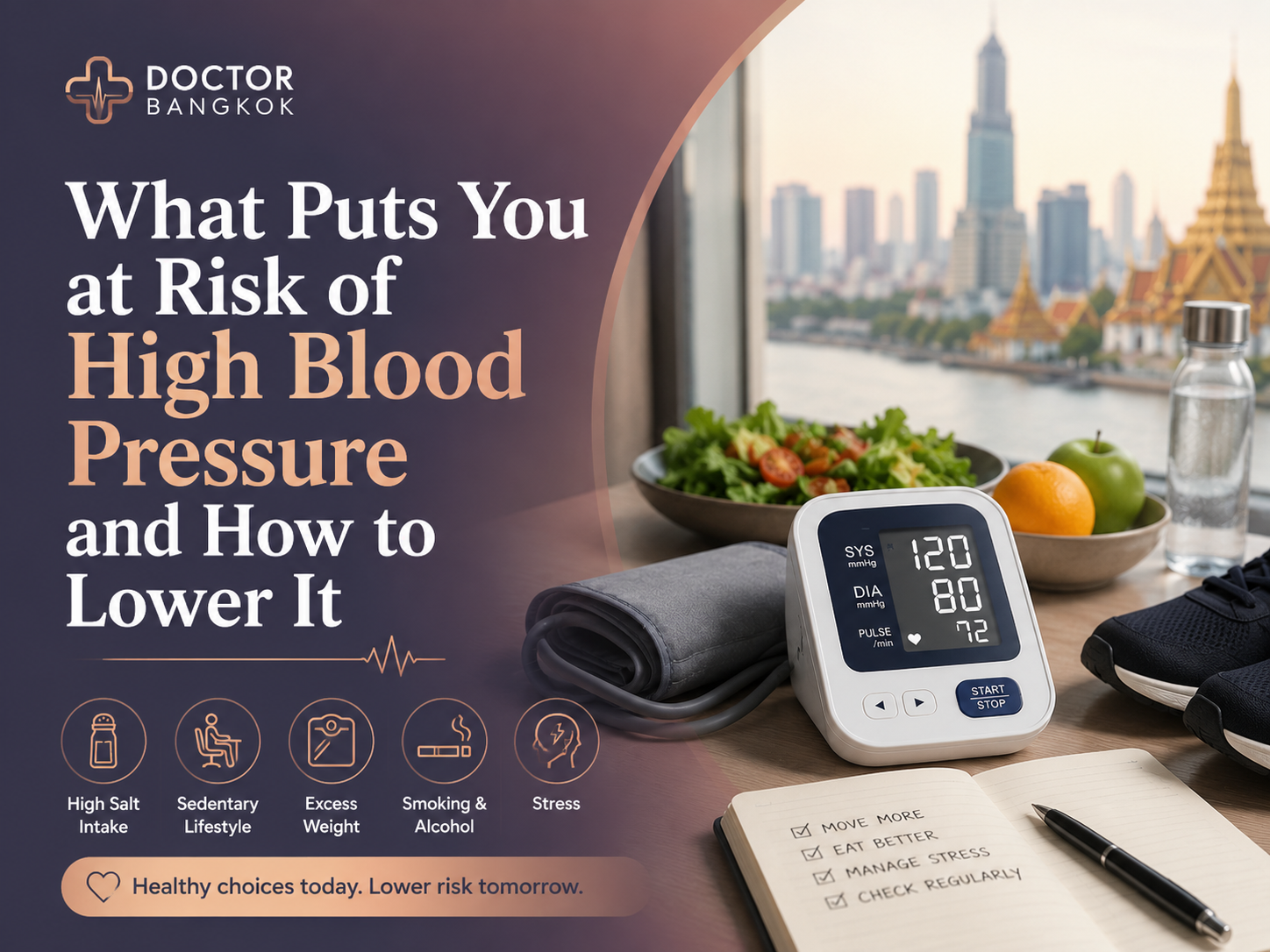
Medication is often necessary, but lifestyle changes genuinely move the needle, especially for Stage 1 hypertension.
On food: you do not have to give up Thai food. Ask for dishes with less fish sauce. Choose options that are naturally lower in sodium, like plain grilled fish or som tam without added salt. Cooking at home occasionally gives you more control. These are practical Bangkok options.
Exercise is harder in the heat, but it matters. Early morning or evening outdoor exercise works well here. Air-conditioned gyms are everywhere on Sukhumvit and in most condo buildings. Thirty minutes of moderate activity most days has good evidence behind it for lowering blood pressure.
Cutting alcohol back to one drink or fewer per day, or taking several nights off per week, can reduce your systolic reading by several points over a few months. Sleeping consistently and managing stress round out the lifestyle side.
When Is High Blood Pressure a Medical Emergency?
A reading at or above 180/120 is a hypertensive crisis. This requires same-day medical attention.
The warning signs to take seriously are a sudden severe headache, visual disturbance, chest pain, shortness of breath, and confusion or difficulty speaking. If you have any of these alongside a very high reading, do not drive yourself. Contact Doctor Bangkok immediately or go to the nearest emergency department.
Most high readings without these symptoms are urgently elevated but not a crisis. Come in that day or the next morning. Do not ignore it, but do not panic either.
Managing Blood Pressure as an Expat in Bangkok Long Term
Get a home blood pressure monitor. Omron models are widely available at Boots, Tops, and on Lazada. Check in the morning before coffee, while you are at rest. Keep a simple log with the date, time, and reading. Bring it to your follow-up appointment. This one habit gives me far more useful information than any single clinic reading.
If you travel frequently or split time between countries, continuity of care matters. Ask your doctor to write a medication summary in English you can share with a GP elsewhere. Keep at least a two-week supply of your medication when travelling. Refills in Thailand are straightforward at our Sukhumvit clinic.
For long-term expat residents, factor hypertension management into your annual health check. A blood pressure reading, a blood panel, and a conversation with your doctor once a year goes a long way.
Concerned about your blood pressure? Doctor Bangkok offers same-day GP consultations, blood pressure assessment, and a full blood panel including cholesterol, blood glucose, and kidney function. We are open every day on Sukhumvit Soi 13, BTS Nana, with English-speaking physicians and no appointment required. Visit doctorbangkok.co.th to book or walk in.
Frequently Asked Questions
Can I get my blood pressure checked in Bangkok without an appointment?
Yes. Doctor Bangkok on Sukhumvit Soi 13 is open every day with walk-in availability and English-speaking doctors. A GP consultation includes a blood pressure reading and clinical assessment, and you can add a blood panel covering cholesterol, kidney function, and blood glucose at the same visit.
Can Bangkok’s heat and lifestyle make high blood pressure worse?
Yes, and I see this regularly. High-sodium Thai food, dehydration from the heat, frequent alcohol, disrupted sleep, and relocation stress all independently raise blood pressure over time. Do not rely on how you feel. Regular monitoring tells you what is actually happening.
I am already on blood pressure medication from home. Can I get a refill in Bangkok?
Yes. Bring your existing packaging or a letter from your home GP, and a physician at Doctor Bangkok can prescribe the same or an equivalent medication. Thai generics of common drugs like amlodipine and losartan are widely available and clinically equivalent, at a fraction of what you may be used to paying.
What blood pressure number is a medical emergency?
A reading at or above 180 systolic and 120 diastolic is a hypertensive crisis. If this comes with a severe headache, chest pain, visual disturbance, or confusion, seek medical care immediately. Contact Doctor Bangkok or go directly to an emergency department. Do not wait.
What is the difference between a clinic reading and a home reading?
Clinic readings can run high due to anxiety, a pattern called white coat hypertension. Some people have the opposite: normal clinic readings but elevated readings at home or under stress. Home monitoring gives a more complete picture, and your doctor can advise on the right approach for your situation.
How often should I check my blood pressure if I have been told it is elevated?
Daily morning readings for one to two weeks give a useful baseline when you first get started. Once things are stable, checking a few times a week is usually enough. Bring your log to each appointment so your doctor can track trends rather than rely on a single clinic number.
Dr. Ponlawat Pitsuwan
Physician, Doctor Bangkok
a private medical clinic in central Bangkok. He sees expats, residents, and medical tourists for hypertension assessment, chronic disease management, and general health consultations. His focus is straightforward, evidence-based care delivered in plain language.
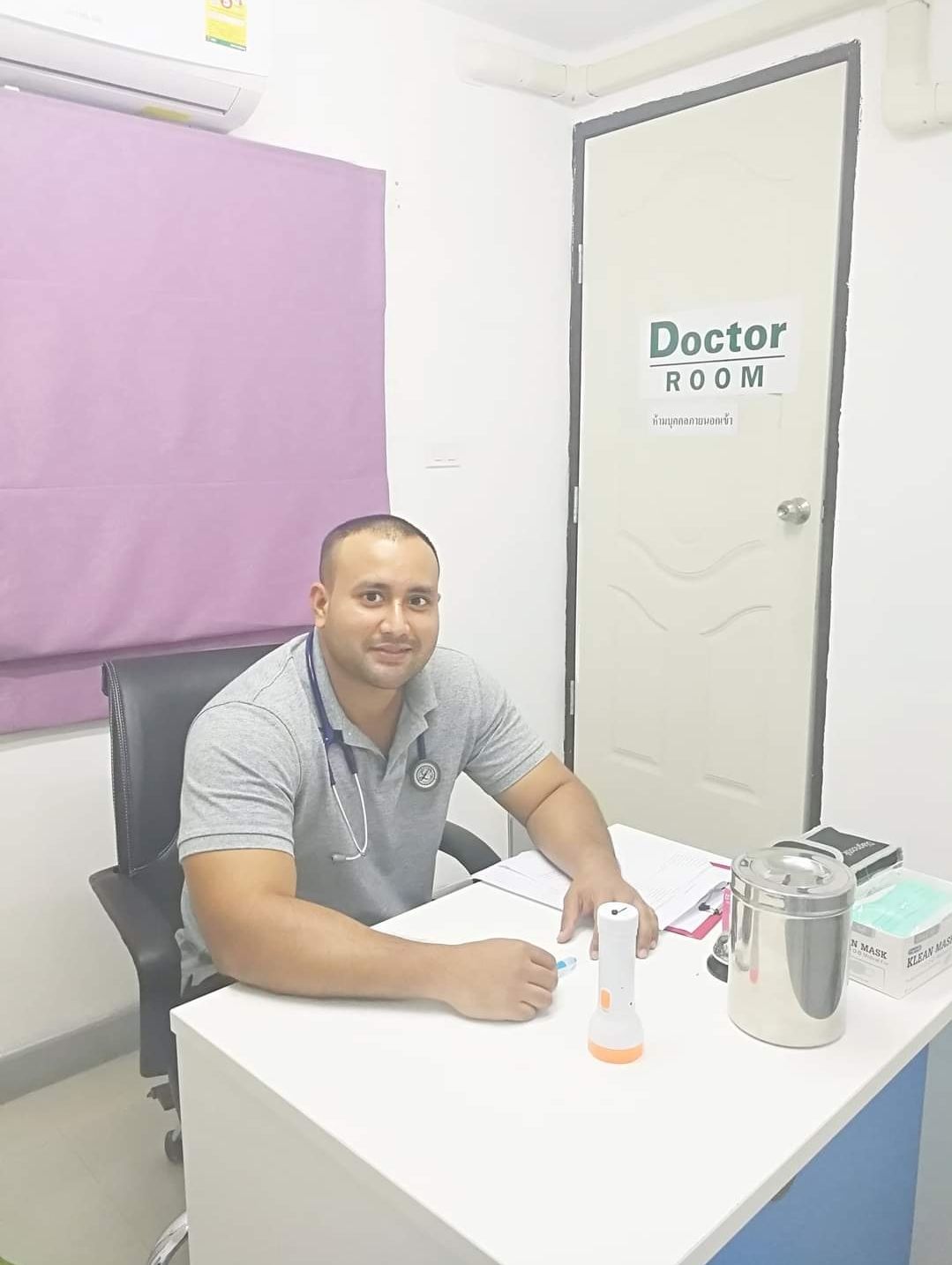
Dr. Ponlawat Pitsuwan is a physician at Doctor Bangkok, a private clinic in central Bangkok. He sees expats, residents, and medical tourists for general medicine, wellness consultations, and IV therapy. His focus is straightforward, evidence-based care delivered in plain language.