
Clinically reviewed by Dr. Ponlawat Pitsuwan, Physician, Doctor Bangkok. Last reviewed: July 2026
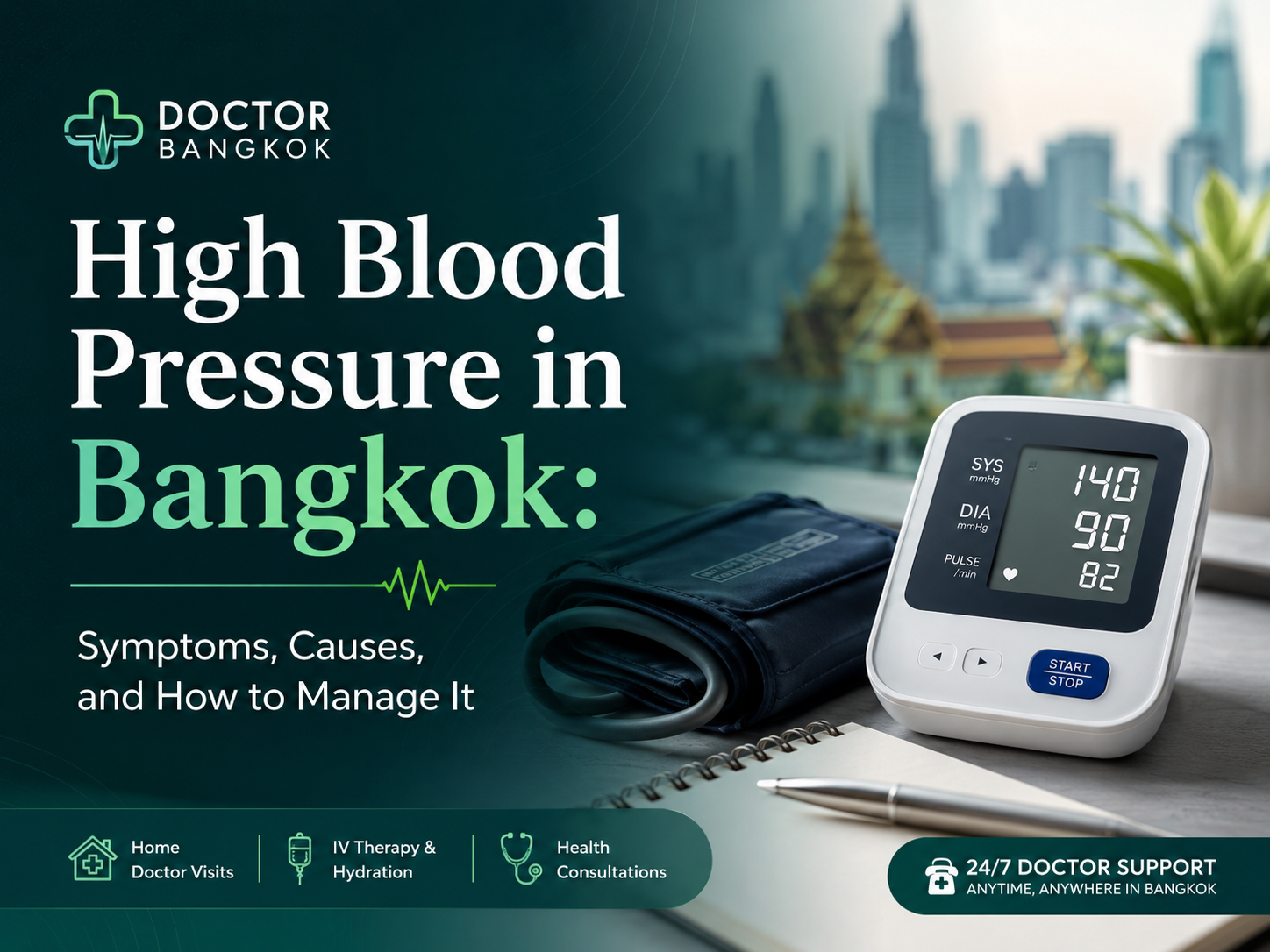
Most people with high blood pressure feel completely normal, even when their numbers are dangerously high. Symptoms, when they do appear, usually signal a crisis, not early disease. The only reliable way to know your blood pressure is to measure it. If you have not had it checked recently, that is the place to start.
If you are reading this because you have been getting headaches, feeling dizzy, or wondering whether your blood pressure might be high, I understand why you are here. These are some of the most common questions I get from expats in Bangkok, many of whom have not seen a doctor since moving here. The honest answer to "can I feel high blood pressure?" is usually no, and that is exactly the problem.
High blood pressure is called a silent killer for a reason. You can have it for years, feel perfectly fine, and still be doing real damage to your heart, kidneys, and brain the whole time. That is not me trying to alarm you. It is just the clinical reality, and knowing it is the first step toward doing something useful about it.

Why High Blood Pressure Usually Has No Symptoms
Your body adapts. When pressure inside your arteries rises gradually over months or years, there is no pain signal, no alarm, nothing that feels obviously wrong. Your heart works harder with every beat. Your kidneys filter under strain. None of this hurts.
This is why a significant number of people with hypertension worldwide are undiagnosed, according to the World Health Organization. They feel fine. They have no reason to think anything is wrong. Until something goes wrong.
For some people, the first sign of high blood pressure is a heart attack or a stroke. That is not dramatic phrasing. It is what I see happen, and it is entirely preventable with a simple blood pressure check.
High Blood Pressure Symptoms: The Real List and the Myths
Let me be direct about something most health websites get wrong. Headaches are not a reliable symptom of high blood pressure at mild or moderate levels. The American Heart Association is clear on this: headaches only become a recognised sign during a hypertensive crisis, when readings hit 180/120 mmHg or above. Everyday headaches are almost always tension, dehydration, or screen time.
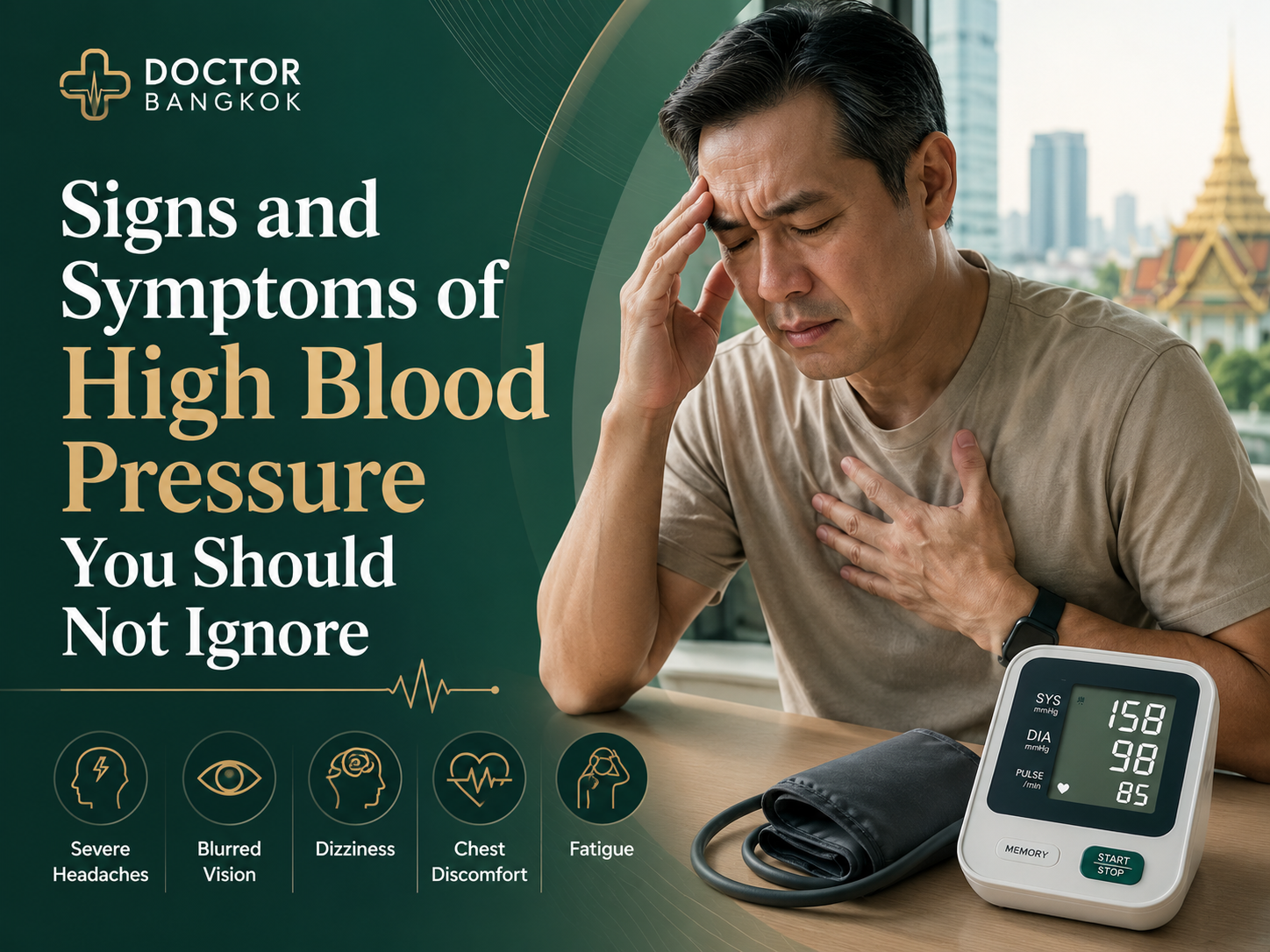
A few symptoms do matter, but they tend to appear late, and only when pressure is severely elevated. Blurred or double vision can happen when high pressure affects the blood vessels in your eyes. Shortness of breath during normal activity, if it is new, warrants attention. Frequent nosebleeds that are hard to stop can sometimes be associated with very high pressure, though they have many other causes too.
Dizziness is a common worry, but it is rarely caused by high blood pressure alone. It is more often a sign of blood pressure that is too low, or a side effect of blood pressure medication. If you are dizzy and on antihypertensive medication, tell your doctor.
If you are waiting for symptoms to tell you your blood pressure is high, you will likely be waiting too long.

When Symptoms Do Appear: Recognising a Hypertensive Crisis
This is the section I want you to read carefully. A hypertensive crisis is when blood pressure rises above 180/120 mmHg. At this level, you may genuinely feel it, and it can become dangerous quickly.
Symptoms that can signal a hypertensive crisis include a severe headache that comes on suddenly, chest pain or tightness, sudden blurred or lost vision, and difficulty breathing. Neurological symptoms are the ones that concern me most: slurred speech, facial drooping, sudden arm or leg weakness, or confusion. These are stroke warning signs, full stop.
If you are in Bangkok and you experience any of these symptoms together with a reading above 180/120, do not wait. For symptoms that suggest a stroke, go directly to an emergency room. BNH Hospital and Bumrungrad are both close to the city centre and have 24-hour emergency departments. Doctor Bangkok can handle urgent blood pressure assessment during clinic hours for elevated readings without those severe symptoms.
How High Blood Pressure Damages Your Body Without You Knowing
This is the part that motivates my patients to take screening seriously. High blood pressure is doing work on your body every single day, even when you feel nothing.
Your heart is the most obvious target. Over time, it enlarges on the left side because it is pumping against constant high resistance. This raises your risk of heart failure and dangerous heart rhythms.
Your kidneys are also under strain. They filter blood constantly, and high pressure damages the small vessels inside them over years. Early kidney damage often shows up as protein in a urine test, long before any symptoms appear.
Your eyes contain tiny blood vessels that a doctor can assess directly. Damage to those vessels can develop silently and affect your vision if it is not caught. A blood pressure check and basic eye assessment can pick this up early.
The brain carries perhaps the highest stakes. Chronic high pressure raises the risk of stroke, vascular dementia, and cognitive decline. This damage builds slowly and is largely invisible until it is not.
Understanding Your Blood Pressure Numbers
When your blood pressure is measured, you get two numbers. The top number, systolic, is the pressure when your heart beats. The bottom number, diastolic, is the pressure between beats.
Normal is below 120/80 mmHg. Thai clinical guidelines, which align broadly with Asian-Pacific standards, classify Stage 1 hypertension as 140/90 mmHg or above. US guidelines use 130/80 as the Stage 1 threshold. If you trained with US healthcare providers and your Bangkok clinic uses different thresholds, that is worth asking about directly.
One reading is never a diagnosis. Blood pressure fluctuates with stress, coffee, pain, and even the act of walking into a clinic. A proper diagnosis needs two or more elevated readings on separate occasions, or monitoring over time.
Living in Bangkok With High Blood Pressure
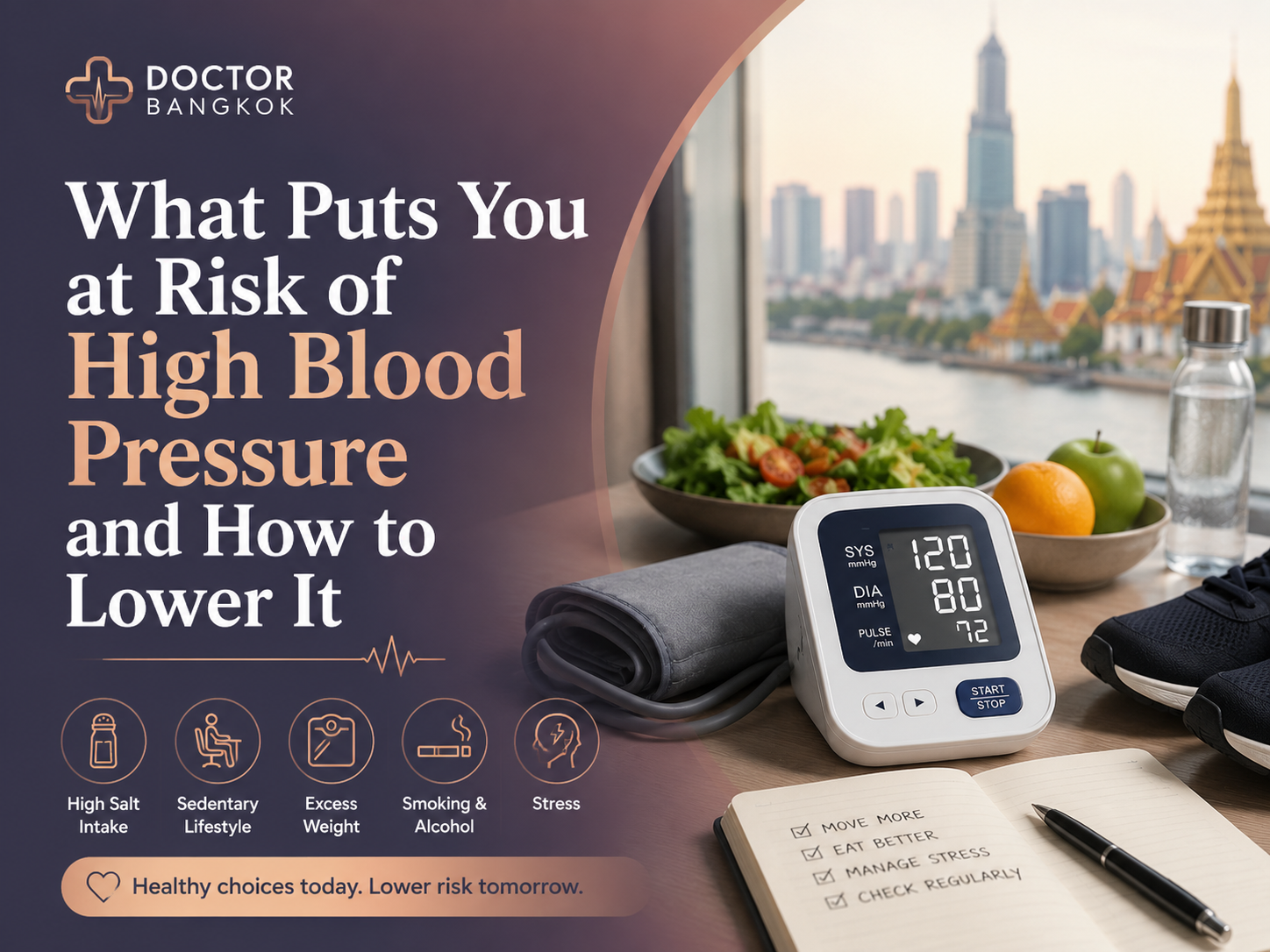
Bangkok is a genuinely challenging environment for blood pressure if you are not paying attention to it. Thai food is delicious, but it is high in sodium. Fish sauce, soy sauce, fermented shrimp paste, and MSG are staples, and sodium is a primary modifiable risk factor for hypertension.
The heat matters too. Dehydration narrows the gap between manageable and elevated blood pressure, and Bangkok’s climate makes staying hydrated a real effort. Regular alcohol use raises blood pressure meaningfully over time, and it is a common part of expat social life here.
I see patients at Doctor Bangkok who have not had any routine health check in two or three years since arriving in Thailand. For blood pressure specifically, that gap carries real risk. The warning signs of high blood pressure are often absent, which makes regular screening more important, not less.
Getting Checked at Doctor Bangkok
Getting your blood pressure checked here is straightforward. You come in, we measure it properly, sitting down, rested, with the right cuff size. If your reading is elevated, we look at the bigger picture rather than just handing you a number.
That means checking weight and BMI, asking about medications and alcohol intake, and usually running a basic blood panel covering kidney function, blood sugar, and cholesterol. We can also check for protein in your urine, one of the earliest quiet signs of kidney strain from high blood pressure.
If you need medication, we can start you on a standard first-line treatment and follow up to make sure it is working. If you already take medication from home and need a local prescription or a review, we handle that too. Everything is done in English, no referral is needed, and you can often be seen the same day.
If you want to understand your full cardiovascular risk while living in Bangkok, our chronic conditions service is a practical place to start.
Worried about your blood pressure, or just overdue for a check? Doctor Bangkok offers same-day blood pressure assessment, basic blood work, and a clear conversation about what your numbers mean. English-speaking doctors, central Bangkok, BTS accessible. Visit doctorbangkok.co.th or call us to book.
Frequently Asked Questions
Can I have high blood pressure without any symptoms at all?
Yes, and this is the most important thing to understand. Most people with high blood pressure feel completely normal, even when their numbers are significantly elevated. Damage to the heart, kidneys, brain, and eyes can build for years without any warning. The only way to know is to measure it.
Does high blood pressure cause headaches?
Not usually. Everyday headaches are almost never caused by mildly or moderately elevated blood pressure. The only time a headache is considered a genuine sign of high blood pressure is during a hypertensive crisis, above 180/120 mmHg. If you have frequent headaches and have not had your blood pressure checked in a while, get it checked, but the headache itself is not a reliable signal.
What blood pressure number is dangerous, and when should I go to the emergency room in Bangkok?
Above 180/120 mmHg is the threshold for a hypertensive crisis. If you reach that number and also have chest pain, sudden vision changes, slurred speech, severe headache, or arm or leg weakness, go to an emergency room immediately. BNH and Bumrungrad both have 24-hour emergency departments in central Bangkok. Doctor Bangkok can manage urgent blood pressure review during clinic hours for elevated readings without those severe symptoms.
Are there risk factors specific to living in Bangkok?
Yes. Thai food is high in sodium, heat and dehydration add cardiovascular strain, and alcohol consumption in the expat community is often higher than people realise. Add irregular access to routine care and the stress of relocation, and Bangkok does raise the risk profile for many residents. Checking your blood pressure regularly matters more here, not less.
How often should I have my blood pressure checked if I feel fine?
Adults with normal readings, below 120/80, should be checked at least once a year. If your reading is in the elevated or high-normal range, more frequent monitoring makes sense. If you are an expat who has not had a check since arriving in Thailand, that is the most useful place to start.
Is one high blood pressure reading enough to diagnose hypertension?
No. A single reading can be elevated for many reasons: stress, caffeine, pain, or simply walking into a clinic. A proper diagnosis needs two or more elevated readings on separate occasions. At Doctor Bangkok, if your first reading is high, we will talk through what to do next and when to come back.
Dr. Ponlawat Pitsuwan
Physician, Doctor Bangkok
a private medical clinic in central Bangkok. He sees expats, residents, and medical tourists for hypertension assessment, cardiovascular risk screening, chronic condition management, and general medical consultations. His focus is straightforward, evidence-based care delivered in plain language.
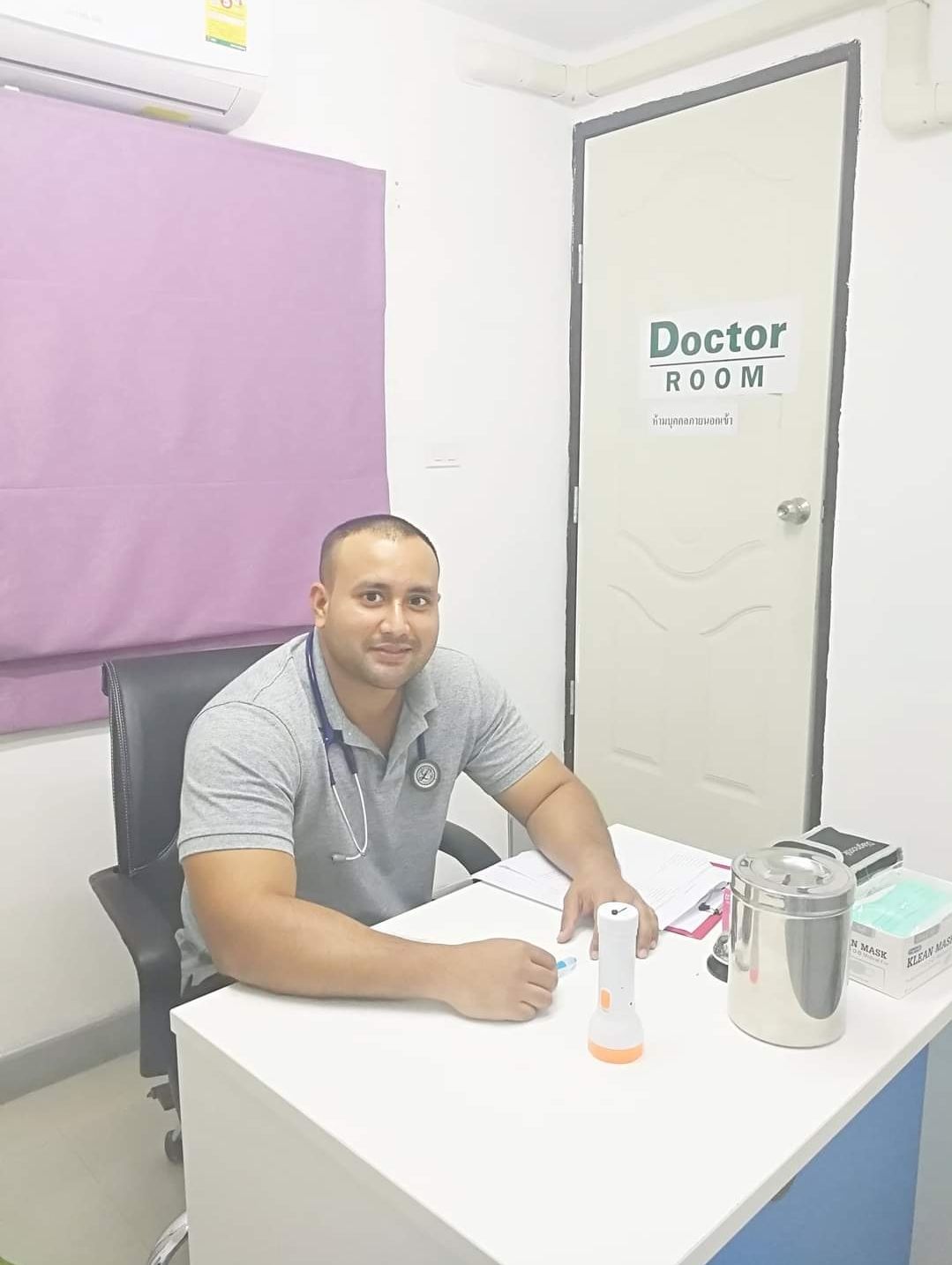
Dr. Ponlawat Pitsuwan is a physician at Doctor Bangkok, a private clinic in central Bangkok. He sees expats, residents, and medical tourists for general medicine, wellness consultations, and IV therapy. His focus is straightforward, evidence-based care delivered in plain language.