


Clinically reviewed by Dr. Ponlawat Pitsuwan, Physician, Doctor Bangkok. Last reviewed: July 2026
Losing more than 5% of your body weight over six to twelve months without trying is the threshold most doctors use to investigate further. For a 75 kg person, that is around 3.75 kg. In Bangkok, causes range from thyroid problems and diabetes to intestinal parasites that generic health articles rarely mention. If this is happening to you, it needs a medical assessment, not a wait-and-see approach.
You have not changed your diet. You have not been going to the gym more. But your clothes fit differently, and the scale keeps dropping. If you are an expat or long-stay visitor in Bangkok, your first instinct might be to chalk it up to the heat, the food, or the adjustment to a new lifestyle. Sometimes that is true. Often, it is not.
Unexplained weight loss, the kind that happens without a deliberate reason, is one of those symptoms that deserves attention early. It can point to something straightforward and fixable. It can also be the first sign of something more serious. The only way to know is to get checked.

What the Numbers Actually Mean
The clinical benchmark is 5% of your body weight, lost over six to twelve months without intentional dieting or extra exercise. Take your weight in kilograms and multiply by 0.05. A 75 kg person: 75 x 0.05 = 3.75 kg. A 165 lb person needs to lose roughly 8 lbs over six months to cross that line.
The timeframe matters as much as the number. Losing 4 kg over a year is different from losing it over six weeks. The faster the loss, the more urgent the investigation. If you have lost a significant amount quickly and cannot explain it, do not wait for the six-month mark to pass.
Common Causes in Adults
Most of the time, unexplained weight loss has an identifiable cause. The ones I look for first are thyroid problems, diabetes, digestive issues, and mental health conditions.
An overactive thyroid speeds up your metabolism. You burn more even when you eat the same amount. Uncontrolled diabetes causes the body to break down fat and muscle for fuel. Both show up clearly on basic blood tests.
Gut problems, including inflammatory bowel conditions and celiac disease, affect how well your body absorbs nutrition. You eat, but your body does not take in what it needs. Depression and anxiety are also documented causes. When people are not eating or sleeping well, the weight follows.

Bangkok-Specific Causes That Most Articles Miss
This is the part that Western health websites rarely cover, and it matters if you live here or have been visiting for a while.
Intestinal parasites are more common in Bangkok than most expats realise. Hookworm, Strongyloides, and Giardia can all cause gradual, unexplained weight loss. They often produce no dramatic symptoms, just a slow decline. You might notice occasional loose stools or bloating, or nothing obvious at all.
Liver fluke, known as Opisthorchis, deserves special mention. It is transmitted through raw or undercooked freshwater fish, which appear in certain Thai dishes. Long-term infection can affect liver function and cause significant weight loss over months. I have seen this missed for years in patients who ate local food regularly and had no idea they were at risk.
Chronic low-grade amoebic infection is another one. At a low simmer, it can quietly rob you of nutrients for months without obvious flare-ups. A stool test is the starting point. At Doctor Bangkok, parasite screening is included as part of unexplained weight loss investigations, which is not something you would automatically get at a clinic focused on Western disease profiles.
The Expat Factor
Most expats I see who come in about weight loss have been putting it off for weeks, sometimes months. The pattern is familiar: you move to Bangkok, the food is different, the heat drops your appetite a little, and you think nothing of it. Then three months later your trousers fall down.
The tendency to normalise things in a new place is real, and it causes delays. Add to that uncertainty about how healthcare works here, whether insurance covers a private clinic visit, and whether you can find an English-speaking doctor, and it is easy to see why people wait.
That delay is the biggest clinical risk. A thyroid problem caught at three months is far simpler to manage than one caught at twelve. The same goes for infections, metabolic conditions, and cancers, where early detection genuinely changes outcomes. If you have concerns about your symptoms, a travel health consultation in Bangkok is a sensible first step rather than waiting to see how things develop.
Warning Signs That Mean You Should Not Wait
Most unexplained weight loss does not require an emergency visit. But some combinations of symptoms mean you should come in the same day or the next morning.
Do not wait if the weight loss comes with night sweats, persistent fever, blood in your stool, difficulty swallowing, a lump you can feel anywhere, or severe fatigue that does not improve with rest. Night sweats plus weight loss in Bangkok is a combination I take seriously. It can point to tuberculosis, lymphoma, or a chronic parasitic infection. TB rates in Thailand remain higher than in most Western countries.
A cough that will not go away, or swollen lymph nodes that persist for more than two to three weeks, alongside a dropping scale, means you need a proper workup, not reassurance.
When It Is Probably Not Serious
A modest drop in the first month or two after moving to Bangkok is not unusual. Hot climates do suppress appetite in some people. If you feel well otherwise and there is a clear contextual explanation, a clinical review is still sensible but not urgent.
Significant life stress, including relocation, grief, or a demanding work period, can cause a temporary weight drop. These are real and documented causes.
The line I draw is this: if you cannot explain it, if it keeps going, or if anything else feels off, come in.
What to Expect at Your First Appointment
A good first consultation takes around twenty to thirty minutes. I ask about timeline, diet, bowel habits, sleep, mood, medications, and other symptoms. Then we decide on a blood panel together.
The standard first-line tests include a full blood count, thyroid function, fasting blood glucose, liver and kidney function, and inflammatory markers. For patients in Bangkok, I add stool microscopy for parasites. Depending on your age and the clinical picture, a chest X-ray or abdominal ultrasound may follow.
Blood results usually come back within twenty-four to forty-eight hours. At Doctor Bangkok, we review findings with you directly and explain them in plain English. If something needs further investigation, such as an endoscopy or a specialist referral, we help coordinate that. The point of the first appointment is to rule out the serious things quickly and start working toward an answer.
Losing weight without a clear reason and based in Bangkok? Doctor Bangkok offers same-day GP consultations and full blood panels for unexplained weight loss, including parasite testing that most clinics skip. Our English-speaking physicians see expats, residents, and medical tourists in central Bangkok, BTS accessible. Walk in or book online at doctorbangkok.co.th. You do not need a referral.
Frequently Asked Questions
How do I calculate whether my weight loss crosses the clinical threshold?
Take your body weight in kilograms and multiply by 0.05. That gives you the 5% mark. A 70 kg person needs to lose 3.5 kg over six to twelve months to hit the threshold that warrants investigation. If you have lost that amount faster, say in six weeks or less, come in sooner rather than waiting for the six-month point.
Could a parasite be causing my weight loss in Bangkok?
Yes, and this is one of the most commonly missed causes in expats. Hookworm, Giardia, Strongyloides, and liver fluke can all cause slow, gradual weight loss, often with no dramatic symptoms alongside it. A stool test and targeted blood work can identify these, and Doctor Bangkok includes parasite screening as a standard part of unexplained weight loss investigations.
I have lost weight since moving to Bangkok. Could it just be the heat and diet change?
A modest drop in the first month or two is not unusual and may be benign. But if the loss exceeds 5% of your body weight, continues beyond two to three months, or comes with fatigue, night sweats, or bowel changes, it needs assessment. Putting significant weight loss down to adjustment is one of the most common reasons expats delay a diagnosis that could have been caught early.
Is unexplained weight loss always a sign of cancer?
No. Cancer is one possible cause, but thyroid dysfunction, undiagnosed diabetes, digestive conditions, and parasitic infections are all equally or more common explanations. The critical point is that you cannot determine the cause without testing. A blood panel and clinical history are the only way to start narrowing it down.
What tests will a doctor in Bangkok run for this?
A standard first-line panel covers a full blood count, thyroid function, fasting blood glucose, liver and kidney tests, and inflammation markers. In Bangkok specifically, stool microscopy for parasites is important to add. Depending on age and symptoms, a chest X-ray, abdominal ultrasound, or referral for endoscopy may also follow.
When should I treat unexplained weight loss as an emergency?
Come in the same day if weight loss is accompanied by night sweats and fever, blood in your stool, difficulty swallowing, a lump anywhere in your body, or a persistent cough. In Bangkok, night sweats plus weight loss specifically warrants same-day assessment because the differential includes TB and lymphoma, both of which need to be ruled out promptly.
How long does it take to get answers after a first consultation?
Blood results typically come back within twenty-four to forty-eight hours. At Doctor Bangkok, we review findings with you directly and explain them in plain English. If further tests are needed, we help coordinate the next step, and most patients have an initial clinical picture within two to three days of their first visit.
Dr. Ponlawat Pitsuwan
Physician, Doctor Bangkok
a private medical clinic in central Bangkok. He sees expats, residents, and medical tourists for general medical consultations, unexplained symptoms, tropical illness, and health screening. His focus is straightforward, evidence-based care delivered in plain language.
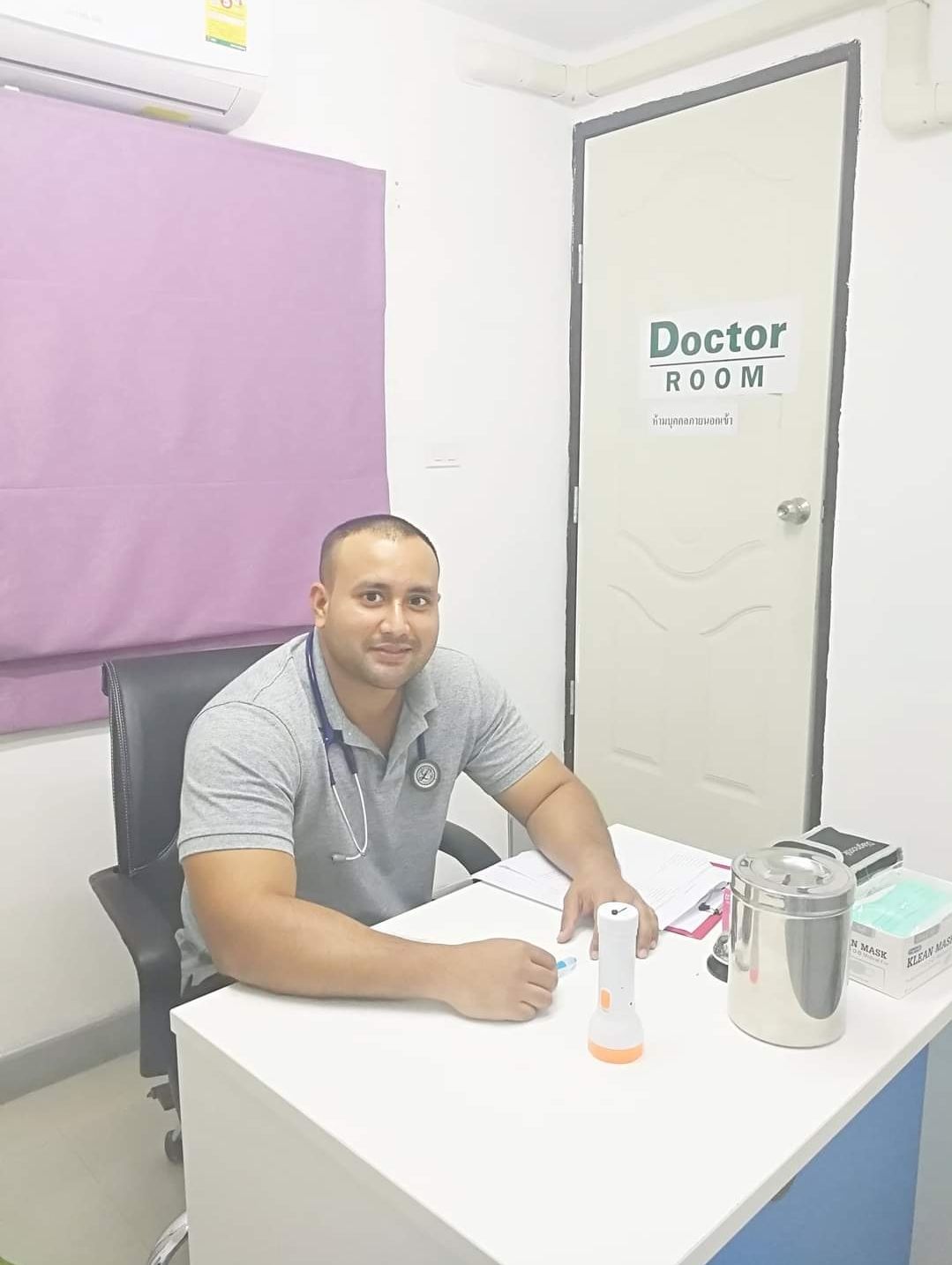
Dr. Ponlawat Pitsuwan is a physician at Doctor Bangkok, a private clinic in central Bangkok. He sees expats, residents, and medical tourists for general medicine, wellness consultations, and IV therapy. His focus is straightforward, evidence-based care delivered in plain language.