
Clinically reviewed by Dr. Ponlawat Pitsuwan, Physician, Doctor Bangkok. Last reviewed: July 2026
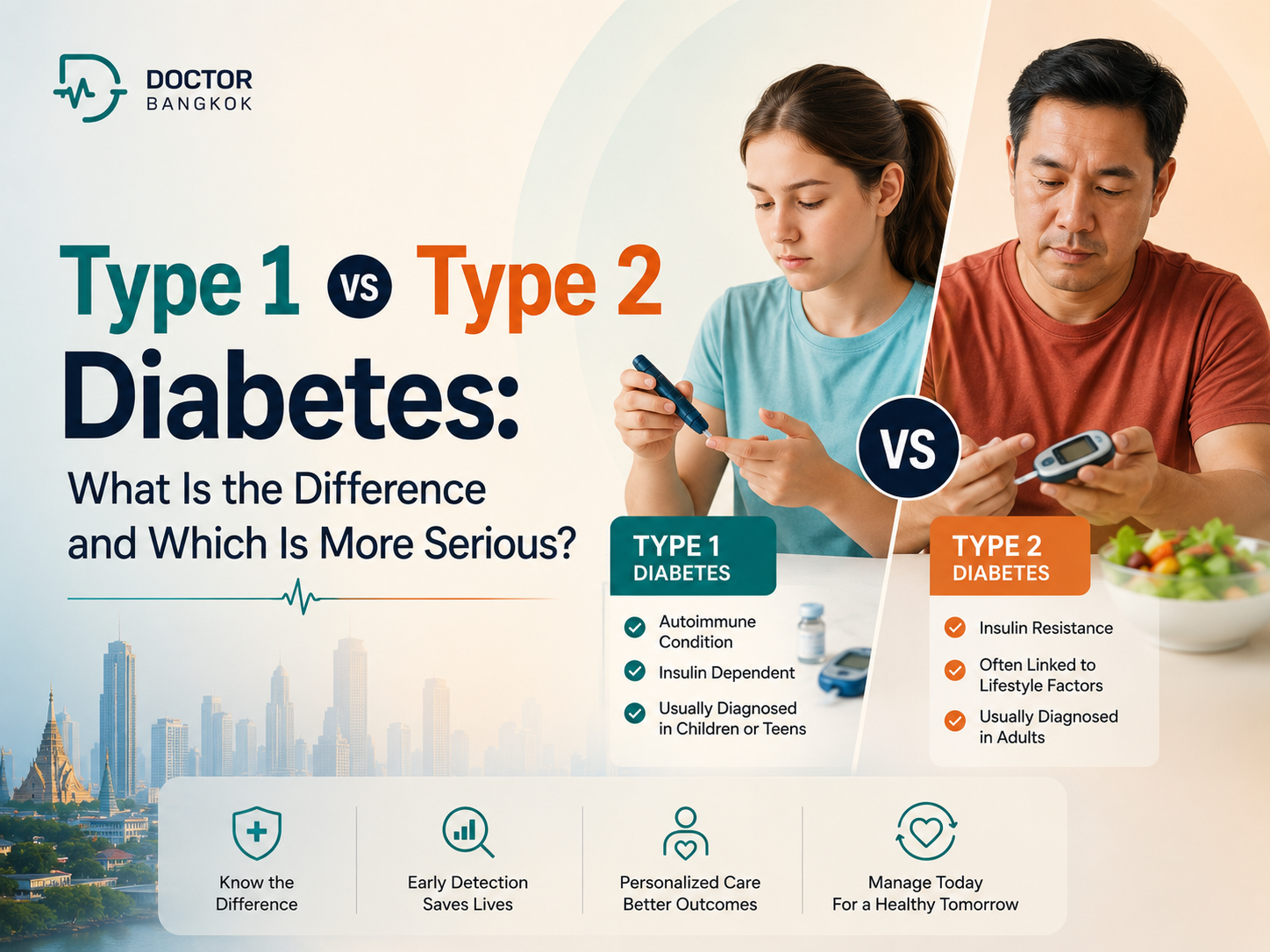
Type 1 and type 2 diabetes both cause high blood sugar, but they are different conditions with different causes, different treatments, and different risks. Type 1 is an autoimmune condition where the body destroys its own insulin-producing cells. Type 2 develops when the body stops responding properly to insulin, usually over many years. Both require ongoing management, and both can cause serious complications if left untreated.
If you have just been told your blood sugar is high, or you are trying to make sense of a diagnosis you received back home, the first question most people ask is: which type is it, and does it matter? It matters a lot. The two types have different causes, need different treatments, and carry different risks at different stages of life.
I see a lot of expats in Bangkok who were diagnosed with "diabetes" somewhere else, handed a prescription, and left to figure out the rest. Some have been on the wrong treatment for months. A few turned out not to have type 2 at all. This article will help you understand the real difference, what tests actually confirm it, and what to do if you are managing this condition far from home.

Type 1 vs Type 2 Diabetes at a Glance
Before going into detail, here is the core comparison. The differences matter clinically, not just academically.
| Type 1 Diabetes | Type 2 Diabetes | |
|---|---|---|
| Cause | Autoimmune — body attacks insulin-producing cells | Insulin resistance; pancreas gradually produces less insulin |
| Who gets it | Any age, often younger; can develop in adults | Mostly adults, increasingly younger people |
| Onset | Often sudden, weeks to months | Slow, often over years with no symptoms |
| Insulin needed | Always, from diagnosis | Sometimes, often later in the disease |
| Can it go into remission | No | Yes, with significant lifestyle change |
| Primary acute risk | Diabetic ketoacidosis (DKA) | Hyperosmolar hyperglycaemic state (less common) |
| Primary long-term risk | Cardiovascular, kidney, nerve damage | Cardiovascular, kidney, nerve damage |
| Managed with | Insulin therapy, blood glucose monitoring | Diet, oral medications, sometimes insulin |
What Is Type 1 Diabetes?
Type 1 is an autoimmune disease. The immune system attacks the cells in the pancreas that make insulin. Once enough of those cells are gone, the body cannot produce insulin at all.
Without insulin, blood sugar rises fast and cells are starved of energy. Some patients go from feeling fine to seriously unwell within weeks. The acute danger is diabetic ketoacidosis, or DKA. Without treatment, DKA is life-threatening.
Type 1 used to be called juvenile diabetes because it often appears in children and teenagers. But it can develop at any age. I have seen patients in their 30s and 40s get a new type 1 diagnosis here in Bangkok. It cannot go into remission. Insulin is required for life.

What Is Type 2 Diabetes?
Type 2 is not autoimmune. It develops when the body’s cells stop responding properly to insulin. Blood sugar rises slowly, over years, often without obvious symptoms.
Many people have type 2 for years before they know. That delayed diagnosis is part of what makes it dangerous long-term. By the time some patients find out, they already have early kidney damage or nerve problems.
Type 2 is often preceded by prediabetes, where blood sugar is above normal but not yet high enough for a full diagnosis. With real lifestyle changes, some people can stop type 2 from developing entirely. In the early stages of type 2, significant weight loss and dietary change can sometimes push the condition into remission. Not a cure, but genuine improvement in blood sugar control without medication.
Symptoms — Are They Different?
The core symptoms overlap. High blood sugar causes the same basic effects in both types: urinating often, feeling very thirsty, fatigue, and blurred vision.
The difference is the speed. Type 1 tends to come on fast and hard, often within weeks. Type 2 creeps up slowly, and many people have no symptoms at all until a routine blood test or a complication reveals it.
If you are losing weight without trying and developing symptoms over just a few weeks, type 1 is more likely. If symptoms have been vague and gradual and you are over 40 with a family history, type 2 is more likely. But you cannot tell from symptoms alone. Blood tests are the only way to know.
How Is Each Type Diagnosed?
The same blood tests are used for both types, but extra tests are needed to tell them apart. A fasting blood glucose test or HbA1c, which shows your average blood sugar over roughly three months, confirms whether diabetes is present. They do not tell us which type.
For that, we look at two additional markers. C-peptide shows how much insulin your pancreas is still making. Low or undetectable C-peptide points toward type 1. We also check for GAD antibodies, which appear in autoimmune type 1 but not in type 2.
At Doctor Bangkok, we run fasting glucose and HbA1c in-house with same-day results. If type 1 is suspected or your diagnosis is unclear, we can arrange antibody and C-peptide testing and walk you through what the results mean.
Could It Be Something Else? LADA
This is something that matters especially for adult expats, and it is often missed.
There is a third category called LADA, Latent Autoimmune Diabetes in Adults. It is a slow-developing form of type 1 that appears in adults, often after age 30. Because it looks like type 2 at first, many patients are misdiagnosed and put on oral medications that do not work well for them, because what they actually need is insulin.
If you were diagnosed with type 2 as an adult and oral medications never seemed to control your blood sugar, or if your control has been getting steadily worse despite doing everything right, LADA is worth testing for. A GAD antibody blood test is all it takes. I have seen patients in our clinic who have been managing "type 2" for two or three years and turn out to have LADA.
Which Type Is More Serious?
I get asked this every week. The honest answer is: it depends on the timeframe. You can read a detailed breakdown on our chronic conditions page.
In the short term, type 1 is more acutely dangerous. DKA can develop within hours and can be fatal without emergency treatment. A missed or incorrect insulin dose can become a medical emergency fast.
In the long term, the picture shifts. Type 2 is far more common, and because it often goes undiagnosed for years, damage to the heart, kidneys, and nerves can be severe by the time someone reaches a clinic. Diabetic neuropathy, which is nerve damage causing pain or numbness usually in the feet and legs, affects a large proportion of people with long-standing type 2.
Neither type is automatically worse. What determines the outcome is how well it is managed.
Treatment — What Is Different?
Type 1 requires insulin from day one. There is no oral medication that treats type 1 because the body produces no insulin at all. Management involves insulin injections or an insulin pump, regular blood glucose monitoring, and careful attention to food and activity.
Type 2 is managed differently depending on how far it has progressed. Early-stage type 2 often responds to diet, exercise, and weight loss. Metformin is usually the first medication added. Newer drug classes, including SGLT2 inhibitors and GLP-1 agonists, have good evidence for reducing cardiovascular risk in type 2 and are available in Bangkok. Some patients with type 2 eventually need insulin, but this does not mean they now have type 1.
If you rely on a specific continuous glucose monitor, or CGM, confirm that your brand and sensors are available in Bangkok before you travel or relocate. Not all devices are equally stocked here.
Managing Diabetes as an Expat in Bangkok
This is the part most articles skip, and it is often what patients actually need to know.
Bring documentation. If you are on insulin or any diabetes medication, bring a letter from your doctor at home with your current regimen, doses, and diagnosis type. Pharmacies in Bangkok require a prescription for insulin, and not all brands or formulations are available here. Your records let us replicate your treatment accurately and quickly.
Think about insurance too. Many international health insurance policies require declaration of pre-existing conditions including diabetes. If you are diagnosed in Bangkok for the first time, that changes how your policy applies from that point. Keep a record of dates, results, and any treatment started.
HbA1c monitoring every three months is the standard for both types. If you spend time between Bangkok and your home country, it is easy for this to lapse. Doctor Bangkok offers ongoing chronic condition management including HbA1c monitoring, repeat prescriptions, and English-language consultations without long waiting times. If you are newly diagnosed or unsure about your type, a single clear consultation can make a real difference.
Managing diabetes in Bangkok, or not sure which type you have? Doctor Bangkok offers HbA1c and fasting glucose testing with same-day results, GAD antibody testing for LADA screening, and ongoing chronic condition management with English-speaking doctors. We see expats, residents, and medical tourists. BTS accessible. Book a consultation at doctorbangkok.co.th.
Frequently Asked Questions
Can you develop type 1 diabetes as an adult?
Yes. LADA, Latent Autoimmune Diabetes in Adults, is a form of type 1 that develops slowly in adults, often after age 30. It is frequently misdiagnosed as type 2. If you were told you have type 2 but oral medications are not working well, ask your doctor about a GAD antibody test to rule out LADA.
Which is more dangerous, type 1 or type 2 diabetes?
Type 1 carries greater short-term risk, specifically DKA, which can be life-threatening within hours. Type 2 carries greater long-term chronic risk, mainly cardiovascular disease and kidney damage, partly because it often goes undiagnosed for years. How well the condition is managed is what determines the outcome.
What blood tests confirm whether I have type 1 or type 2?
HbA1c and fasting blood glucose confirm whether diabetes is present. To identify the type, we check C-peptide and GAD antibodies. Doctor Bangkok can run HbA1c and fasting glucose in-house on the same day, and can arrange antibody testing if LADA or type 1 is suspected.
Can type 2 diabetes be reversed?
Type 2 can go into remission, especially with significant weight loss and dietary change in the early stages. Blood sugar can return to normal levels without medication. Type 1 cannot go into remission because the immune damage to insulin-producing cells is permanent. Remission in type 2 is not a cure, and blood sugar still needs monitoring.
How do I manage my diabetes as an expat in Bangkok?
Bring documentation of your current diagnosis, medication names, and doses. Insulin and most diabetes medications are available in Bangkok, but not all brands match exactly, so your records matter. Doctor Bangkok offers ongoing diabetes management including regular HbA1c monitoring, English-language consultations, and repeat prescription support for long-term residents.
Do both types of diabetes cause the same long-term complications?
Yes. The long-term risks are largely the same: cardiovascular disease, kidney damage, diabetic neuropathy, and eye problems. Type 1 tends to be diagnosed quickly and managed from early on. Type 2 often goes undetected for years, which gives complications more time to develop before treatment starts.
Dr. Ponlawat Pitsuwan
Physician, Doctor Bangkok
a private medical clinic in central Bangkok. He sees expats, residents, and medical tourists for chronic condition management including diabetes, health checks, and ongoing medical care. His focus is straightforward, evidence-based care delivered in plain language.
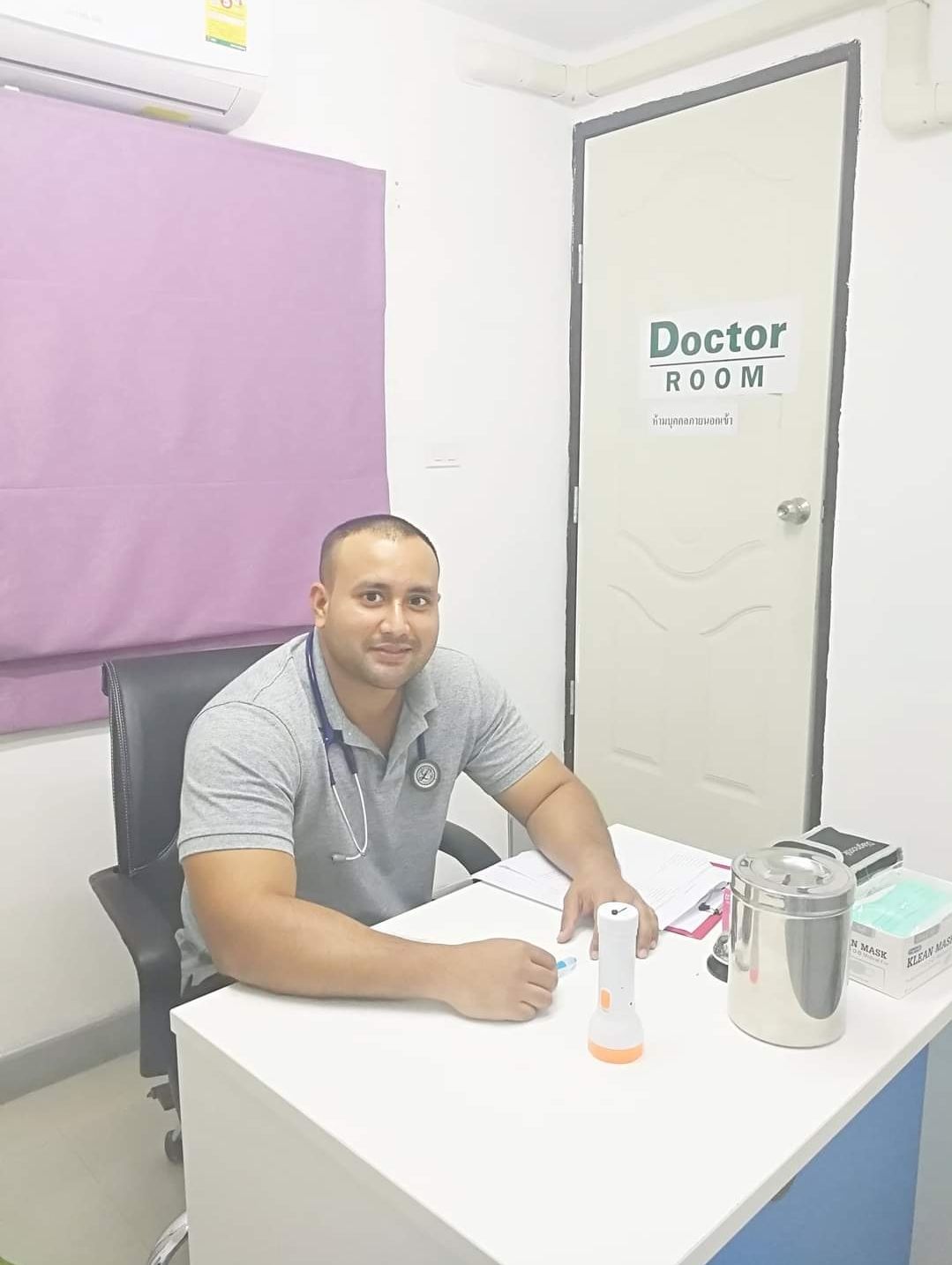
Dr. Ponlawat Pitsuwan is a physician at Doctor Bangkok, a private clinic in central Bangkok. He sees expats, residents, and medical tourists for general medicine, wellness consultations, and IV therapy. His focus is straightforward, evidence-based care delivered in plain language.