
Clinically reviewed by Dr. Ponlawat Pitsuwan, Physician, Doctor Bangkok. Last reviewed: July 2026
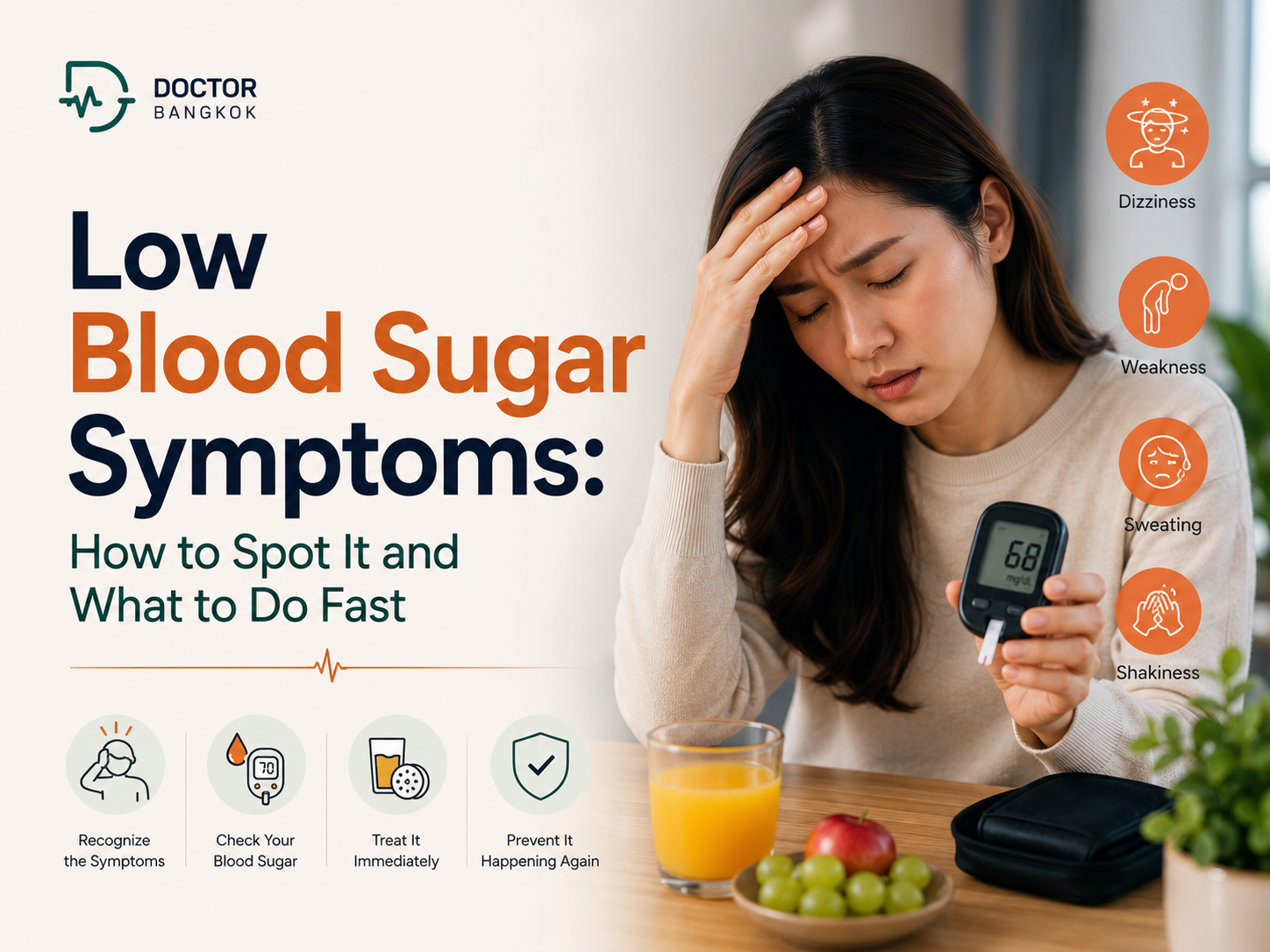
Low blood sugar, or hypoglycemia, happens when your blood glucose drops below 70 mg/dL (3.9 mmol/L). Common symptoms include shaking, sweating, dizziness, a racing heart, and sudden confusion. In Bangkok’s heat, these signs are easy to mistake for heat exhaustion. If you are unsure, check your blood sugar with a glucose meter and follow the 15-15 rule: eat or drink 15 grams of fast-acting carbohydrates, then wait 15 minutes.
You are in Bangkok. It is 34 degrees outside. You feel dizzy, sweaty, and suddenly very weak. Your heart is racing. Is it the heat? Something you ate? Or is your blood sugar crashing?
This is one of the most common situations I see at Doctor Bangkok, and it catches people off guard. That includes expats who have managed diabetes for years and visitors who have never had a blood sugar problem in their life. Low blood sugar can come on fast. Knowing the difference between a heat episode and a hypoglycemic one could matter a great deal. This article tells you what to look for, what to do right now, and when you need to come in.

What Low Blood Sugar Actually Feels Like
Most people describe it as a sudden feeling that something is wrong. Not a gradual tiredness. A sharp shift.
Your hands may start to tremble. You might notice your heart beating faster than normal. Sweating starts, even if you are sitting in air conditioning. You may feel shaky, anxious, or irritable for no clear reason.
As it gets worse, thinking becomes foggy. You may struggle to concentrate or find words. Some people feel a tingling around the lips or tongue. A few describe a sudden intense hunger.
If blood sugar drops severely, symptoms become serious: confusion, slurred speech, seizures, or loss of consciousness. At that stage, this is a medical emergency.
Low Blood Sugar vs. Bangkok Heat Exhaustion — How to Tell the Difference
This is the question I get asked more than almost any other. In Bangkok’s heat and humidity, heat exhaustion looks almost identical to hypoglycemia. Both cause heavy sweating, dizziness, weakness, and confusion. That overlap can lead to the wrong response.
Heat exhaustion comes from overheating and dehydration. Low blood sugar comes from a glucose deficit. The treatment for each is different, and treating one when you actually have the other can delay recovery.
If you have a glucose meter, use it first. That gives you a real answer. If your reading is below 70 mg/dL, treat for hypoglycemia as described below. If you do not have a meter, move to a cool space, drink water, and check your blood sugar as soon as possible. Do not guess and do nothing.
One more thing worth knowing: Bangkok’s heat and the dehydration that comes with it can worsen blood sugar instability in people with diabetes or those eating irregularly. You can sometimes be dealing with both at once.

Low Blood Sugar Without Diabetes — Who Else Is at Risk
Most people assume low blood sugar is a diabetes problem. It is not only that.
I see non-diabetic hypoglycemia regularly, especially in expats who skip meals during long workdays, fast for weight loss, or drink heavily at social events without eating. Alcohol interferes with the liver’s ability to release glucose overnight. That is why some people wake up feeling terrible after a night out, even without a hangover.
Reactive hypoglycemia is another pattern worth knowing. Blood sugar drops a few hours after eating, usually after a high-carbohydrate meal. You feel fine at lunch, then shaky and exhausted by mid-afternoon. It is often mistaken for stress or fatigue.
Other causes include certain medications, such as quinine used for malaria, some hormonal conditions, and liver problems. If you are having episodes and you do not have diabetes, that is worth investigating properly, not just managing with snacks.
Low Blood Sugar Symptoms at Night
Nocturnal hypoglycemia is easy to miss because you are asleep when it happens.
Signs include waking with a headache, damp sheets, feeling exhausted despite a full night of sleep, or having vivid or disturbing dreams. Some people do not wake at all and only notice the next morning that something was off.
If you are on insulin or certain diabetes medications and this sounds familiar, it is worth checking your blood glucose when you wake up. Talk to a doctor about your evening dose timing and what you eat before bed. This is something we assess at Doctor Bangkok when patients report poor overnight recovery despite controlled daytime readings.
Understanding Blood Sugar Units in Thailand
If you are from the UK, Australia, Canada, or most of Europe, you are used to blood sugar measured in mmol/L. Thailand uses mg/dL, the same system as the United States. The numbers look very different.
A normal fasting blood sugar of 5.0 mmol/L is 90 mg/dL on a Thai lab result. The hypoglycemia threshold of 3.9 mmol/L is 70 mg/dL here. To convert: multiply mmol/L by 18 to get mg/dL, or divide mg/dL by 18 to go the other way.
Most glucose meters sold at Boots or Watsons in Bangkok are set to mg/dL by default. You can usually change the units in the device settings.
| Reading | mmol/L | mg/dL |
|---|---|---|
| Normal fasting | 4.0 to 5.9 | 72 to 106 |
| Hypoglycemia threshold | Below 3.9 | Below 70 |
| Severe hypoglycemia | Below 2.8 | Below 50 |
| Target post-meal (2hr) | Below 7.8 | Below 140 |
What to Do Right Now — The 15-15 Rule
If you think your blood sugar is low, act immediately. Do not wait to see if it passes.
Eat or drink 15 grams of fast-acting carbohydrates. Wait 15 minutes. Check your blood sugar again. If it is still below 70 mg/dL, repeat. Once your reading is back in range, eat a small snack with some protein to keep it stable.
In Bangkok, fast-acting options are easy to find. A small glass of sweetened nam manao, half a can of regular cola, a few pieces of Thai hard candy, or glucose tablets from any Boots or Watsons pharmacy all work well. Glucose tablets need no prescription and are worth keeping with you if you have had episodes before.
Do not reach for diet drinks, nuts, or protein bars. These raise blood sugar too slowly.
When to See a Doctor — and What to Expect
Come in if your blood sugar does not recover after two rounds of the 15-15 rule. Come in if you lose consciousness or have a seizure. Come in if you are having repeated episodes and you do not know why.
That last point matters. A one-off episode after skipping meals on an empty stomach is one thing. Recurring hypoglycemia needs a proper assessment. We can run a fasting blood glucose, an HbA1c, and a broader metabolic panel to find out what is driving it. We see this often at Doctor Bangkok in expats who have been managing vague symptoms for months without connecting them to blood sugar.
If someone around you loses consciousness and cannot swallow safely, do not try to give them food or drink. Call for emergency help straight away.
I also want to flag hypoglycemia unawareness specifically. Some people who have had diabetes for many years stop feeling the early warning signs. Their body no longer triggers the usual alarm until blood sugar is already dangerously low. If this sounds like you or someone you care for, it needs medical review, not just closer self-monitoring.
Bangkok-Specific Risk Factors Worth Knowing
Bangkok’s lifestyle creates patterns I see in the clinic regularly.
Irregular meal timing is common here. Long BTS commutes, late meetings, and the Bangkok social scene mean meals get skipped or pushed late. Add the heat and the fluid loss that comes with it, and blood sugar can become less stable than it would be at home.
If you are on diabetes medication and your routine has changed significantly since moving here, such as different food, activity levels, or stress, your previous dose may need adjustment. Do not assume what worked at home works the same here.
You can find ongoing support for managing chronic conditions like diabetes through Doctor Bangkok. Managing a condition like this in a new country without a consistent care team is harder than most people expect. Having an English-speaking doctor who can review your full picture makes a real difference.
Recurring dizziness, shaking, or episodes you cannot explain? Doctor Bangkok offers same-day blood sugar testing and full metabolic panels with English-speaking physicians in central Bangkok, BTS accessible. Whether you need a one-off check or ongoing support, we can help. Book your appointment at doctorbangkok.co.th or visit our chronic conditions service page for more information.
Frequently Asked Questions
Can Bangkok’s heat cause low blood sugar symptoms?
Heat exhaustion and hypoglycemia share almost identical symptoms: sweating, dizziness, weakness, and confusion. They have different causes and different treatments, so if you have a glucose meter, use it before deciding how to respond. Dehydration from Bangkok’s heat can also worsen blood sugar instability, so you can sometimes be dealing with both at once.
What is a normal blood sugar level and how is it measured in Thailand?
Thailand uses mg/dL, the same unit as the United States. The hypoglycemia threshold is below 70 mg/dL, which equals below 3.9 mmol/L in the units used in the UK, Australia, and Europe. To convert mmol/L to mg/dL, multiply by 18.
Can you have low blood sugar if you do not have diabetes?
Yes, and I see it regularly. Skipping meals, drinking alcohol without eating, fasting, and certain medications including quinine for malaria can all cause it. Reactive hypoglycemia, a drop in blood sugar a few hours after a carbohydrate-heavy meal, is also common and often goes unrecognised.
What should I eat or drink to raise low blood sugar fast in Bangkok?
Use the 15-15 rule: 15 grams of fast-acting carbohydrates, then recheck after 15 minutes. Good options in Bangkok include a small sweetened nam manao, half a regular cola, or glucose tablets from Boots or Watsons. Avoid diet drinks, nuts, or protein bars, as these work too slowly.
When should I see a doctor in Bangkok for low blood sugar?
Come in if your blood sugar does not recover after two rounds of the 15-15 rule, if you lose consciousness, or if you are having repeated episodes without a clear explanation. Doctor Bangkok offers same-day appointments with English-speaking doctors and can run the blood tests needed to find the underlying cause.
What is hypoglycemia unawareness and should I be worried?
Some people who have had diabetes for many years lose the early warning signals of low blood sugar. By the time they feel anything, their levels are already dangerously low. If you no longer notice shaking or sweating before an episode, this needs medical review, not just closer monitoring on your own.
Are glucose meters and glucose tablets easy to find in Bangkok?
Yes. Boots and Watsons pharmacies across Bangkok stock both, and no prescription is needed. Most meters are pre-set to mg/dL, which matches Thai lab results. If you use mmol/L at home, check the unit settings on any new meter before relying on the readings.
Dr. Ponlawat Pitsuwan
Physician, Doctor Bangkok
a private medical clinic in central Bangkok. He sees expats, residents, and medical tourists for blood sugar concerns, chronic condition management, and general medical assessment. His focus is straightforward, evidence-based care delivered in plain language.
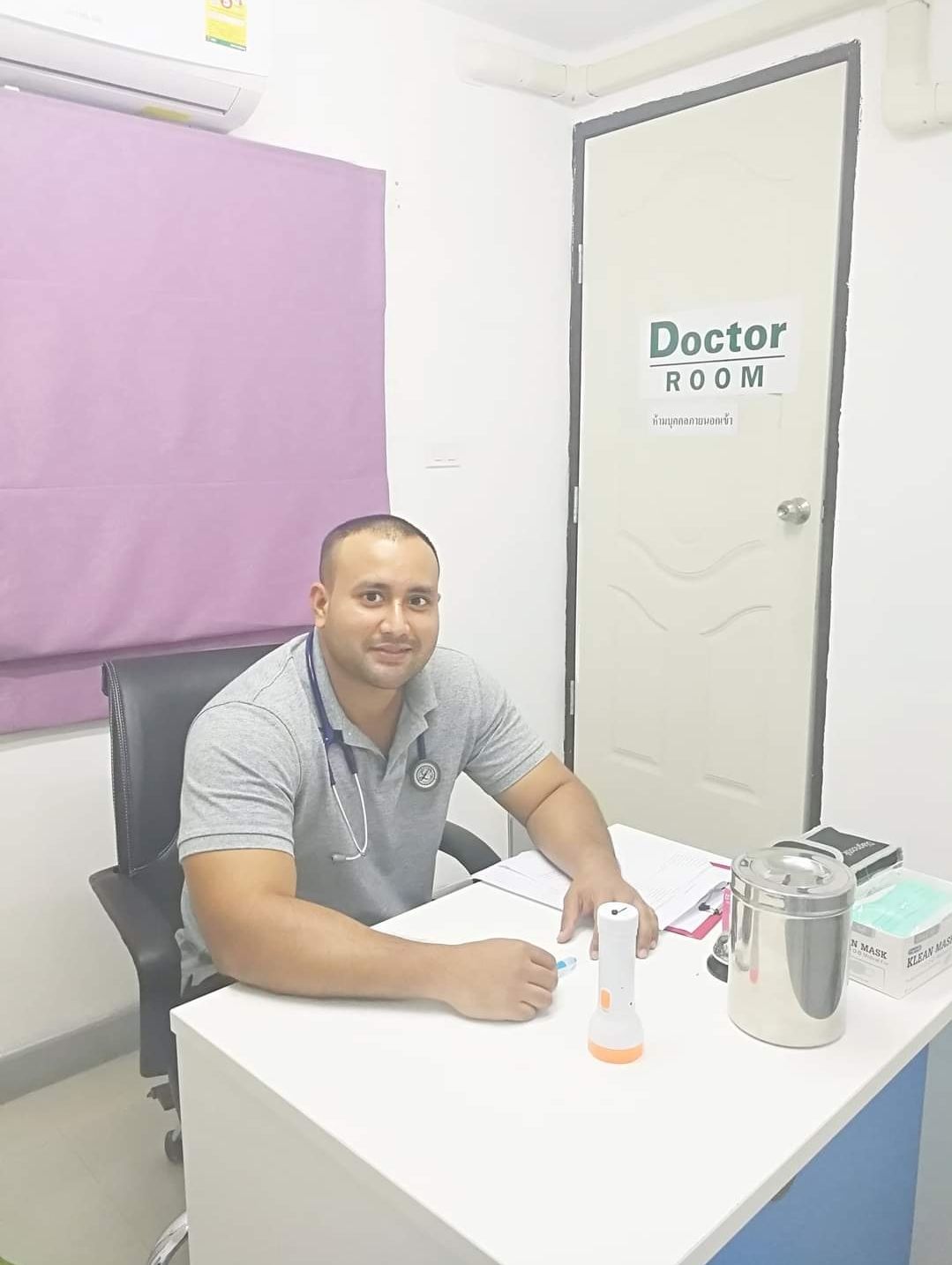
Dr. Ponlawat Pitsuwan is a physician at Doctor Bangkok, a private clinic in central Bangkok. He sees expats, residents, and medical tourists for general medicine, wellness consultations, and IV therapy. His focus is straightforward, evidence-based care delivered in plain language.