
Clinically reviewed by Dr. Ponlawat Pitsuwan, Physician, Doctor Bangkok. Last reviewed: August 2026
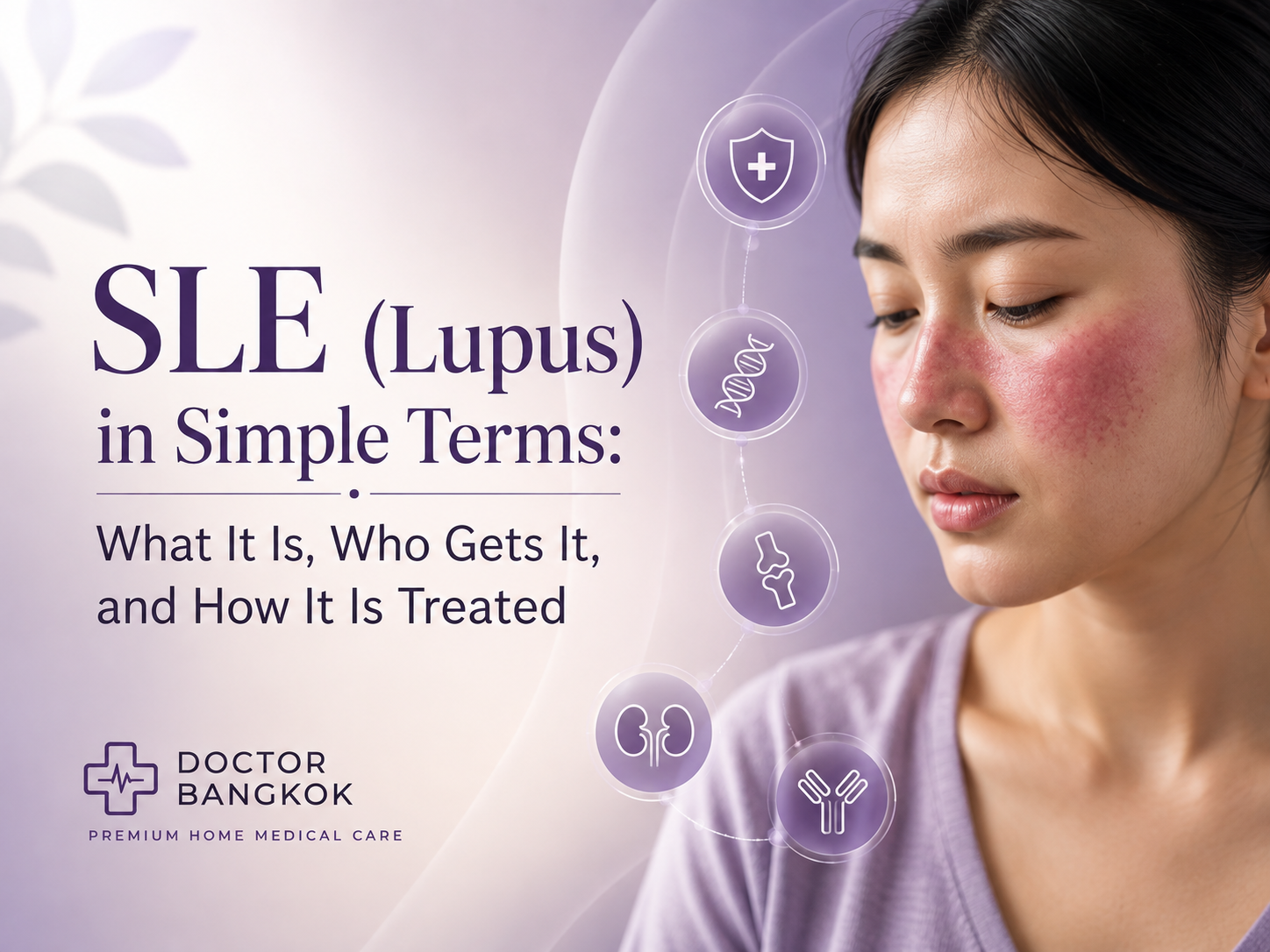
SLE, or systemic lupus erythematosus, is a chronic autoimmune disease where the immune system attacks the body’s own tissues. It causes symptoms in the joints, skin, kidneys, and other organs. It cannot be cured, but it can be managed well with the right treatment. Most patients achieve long periods with few or no symptoms.
If you have been Googling your symptoms for weeks and someone mentioned lupus, you are probably feeling two things: relieved there might be an answer, and worried about what that answer means. That is exactly where most of my patients are when they first sit down with me.
SLE is one of those conditions that takes time to diagnose, often affects people in the prime of their lives, and behaves differently in every patient. If you are an expat living in Bangkok, or you have just been diagnosed and are wondering how to manage it here, this article is written for you.

What Exactly Is SLE, and Is It the Same as Lupus?
Yes, SLE and lupus are the same thing. "Lupus" is the shorthand. The full name is systemic lupus erythematosus, and "systemic" means it can affect the whole body, not just one part.
It is an autoimmune disease. Your immune system, which normally protects you, starts attacking your own tissues by mistake. This causes inflammation that can affect your joints, skin, kidneys, heart, lungs, and brain.
It is not contagious. It is not cancer. And while it is a serious condition that needs proper management, most people with SLE live full lives with good medical care.
Types of Lupus
When most people say "lupus," they mean SLE. But there are other forms worth knowing about.
Discoid lupus erythematosus affects only the skin. It causes a chronic rash, often on the face and scalp, but does not damage internal organs. A small number of people with discoid lupus later develop SLE.
Drug-induced lupus is triggered by certain medications, including some blood pressure drugs and antibiotics. Symptoms usually go away once the medication is stopped.
Neonatal lupus is rare and can affect newborns of mothers who carry certain antibodies. It usually resolves within a few months.

Who Gets SLE?
SLE is far more common in women than in men. Most cases are diagnosed between the ages of 15 and 45. Women of Asian, African, and Hispanic descent have higher rates than those of European descent.
I mention that specifically because in my clinic in Bangkok, I see a significant number of young women, both Thai nationals and expats from across Asia, who either have an existing SLE diagnosis or are in the early stages of getting one.
There is a genetic component, but having a family member with lupus does not guarantee you will develop it. Sunlight, infections, and stress can also trigger the condition.
What Does Lupus Feel Like?
The frustrating thing about SLE is that it looks different in every patient. There is no single "lupus symptom," and that is part of why it can take months or even years to diagnose.
The most well-known sign is the butterfly rash, a red flush across the cheeks and nose shaped like a butterfly’s wings. Not everyone with SLE gets it, but when it appears, it is a strong clinical signal.
Other common symptoms include joint pain and swelling, extreme fatigue, hair loss, mouth sores, and sensitivity to sunlight. Some patients describe lupus fog, a kind of mental cloudiness that affects concentration and memory. It is real, it is frustrating, and it is not talked about enough.
Fever without an obvious infection, chest pain when breathing deeply, and swelling in the legs can also occur. If several of these are happening together, you need a clinical assessment, not more Googling.
Which Organs Can SLE Affect?
The kidneys are a major concern. Lupus nephritis, where the kidneys become inflamed, affects a significant proportion of SLE patients and can become serious if left untreated. This is why urine tests are part of every SLE monitoring visit.
The heart and lungs can also be affected, causing painful inflammation around their linings. Some patients develop Raynaud’s phenomenon, where fingers or toes turn white or blue in the cold.
Neuropsychiatric symptoms, including headaches, mood changes, and confusion, are less common but important to recognise and report to your doctor.
How Is SLE Diagnosed?
There is no single test that confirms SLE. Diagnosis is based on a combination of symptoms and blood results.
The most important blood test is the ANA, short for antinuclear antibody. Almost all SLE patients test positive. But around one in five healthy people also test ANA-positive without having any autoimmune disease, so a positive result alone does not mean you have lupus.
More specific tests then follow. Anti-dsDNA antibodies are much more closely linked to SLE. Complement proteins, called C3 and C4, drop when the immune system is very active. A full blood count and a urine test round out the picture.
At Doctor Bangkok, we can order this initial panel and walk you through the results. If they point toward SLE, we refer you to a rheumatologist, a specialist in autoimmune conditions, for formal diagnosis and ongoing management.
How Is SLE Treated?
SLE cannot be cured, but it can be managed well. The goal is to reduce flares, protect organs, and keep you feeling as normal as possible.
Hydroxychloroquine is the most commonly prescribed drug for SLE. It has been used for decades, reduces flare frequency, and has a strong safety record. Most patients stay on it long-term.
During flares, corticosteroids bring inflammation down quickly. They are effective but carry side effects at high doses, so the aim is always to taper as soon as possible.
For serious disease, especially lupus nephritis, immunosuppressant drugs are used. Mycophenolate mofetil is now a standard choice for kidney involvement. Belimumab is a newer biologic injection or infusion approved for moderate-to-severe SLE, and your rheumatologist may consider it if other treatments are not controlling the disease well enough.
Living With Lupus in Bangkok
This is the section most clinics skip. It matters if you are living here.
Photosensitivity affects a large proportion of SLE patients. UV radiation can trigger flares, and Bangkok has intense year-round UV that often reaches the highest levels on the index scale. This is not a summer problem. It is a daily one.
What this means practically: wear SPF 50+ sunscreen every day, even on overcast days. Wear long sleeves and a hat when you are outside between 10am and 3pm. If you are commuting by BTS or walking any distance outdoors, sun protection is part of managing your condition.
Bangkok’s air pollution, particularly during the PM2.5 season from roughly January to April, has been identified as an environmental trigger for autoimmune flares. Check the air quality index on heavy-pollution days and limit outdoor exposure. Heat and humidity can also worsen fatigue. If you are having a flare, rest is not laziness. It is treatment.
The Mental Health Side of SLE
Lupus is exhausting in ways that are hard to explain to people who do not have it. The physical symptoms are only part of the picture.
Depression is more common in people living with SLE, and it makes sense. You are managing a disease that is unpredictable, affects your appearance, limits your activities, and requires constant attention. If you are an expat managing SLE far from your support network, that weight is real.
Talk to your doctor about how you are feeling. It belongs in the same conversation as your blood results and your medication. Lupus fog, the cognitive difficulty some patients experience, can affect work and daily function. It is a recognised symptom, not just stress. Mention it at your next appointment if you have not already.
Monitoring SLE: What to Expect at Follow-Up
Once you have a diagnosis, regular monitoring is how you stay ahead of the disease. Your doctor will check blood tests at regular intervals, looking at complement levels, anti-dsDNA, and your full blood count. Urine is tested to catch early kidney changes, and blood pressure is tracked too.
Disease activity is often scored using a system called SLEDAI, which helps your doctor see whether things are getting better or worse over time, even when you feel the same.
During remission, every three to six months may be enough. During a flare, you will be seen much more often. If you are new to Bangkok with an existing SLE diagnosis, one of the first things to do is get your baseline tests done and establish care with a regular doctor.
Getting SLE Care in Bangkok as an Expat
The practical questions matter. Where do you go? Who speaks English? Will your medication be available here?
The good news is that hydroxychloroquine, corticosteroids, and most immunosuppressants are available in Bangkok. Bring your full medical records, your recent blood test results, and your medication list when you arrive.
A general clinic can order your monitoring labs, review your records, and connect you with a rheumatologist if you do not already have one here. For insurance, check that your policy covers pre-existing chronic conditions. Some policies exclude autoimmune diseases or require specific documentation. Get that from your home doctor before you leave.
Doctor Bangkok sees expats managing ongoing conditions like SLE regularly. If you are looking for an English-speaking doctor who understands what you are dealing with, a general health consultation is a practical first step.
Managing SLE in Bangkok, or worried about symptoms that have not been explained yet? Doctor Bangkok offers general health consultations and blood testing for autoimmune markers including ANA, anti-dsDNA, and complement levels. Our English-speaking physicians can review your results, support your existing care plan, and refer you to specialist rheumatology services. Walk-ins welcome. BTS accessible. Book at doctorbangkok.co.th.
Frequently Asked Questions
Can Bangkok’s climate make lupus worse?
Yes, it can. Bangkok has intense year-round UV radiation, which is a well-documented trigger for SLE flares in photosensitive patients. Heat, humidity, and seasonal air pollution can also worsen fatigue and inflammation. Wear SPF 50+ sunscreen daily, avoid direct sun during peak hours, and check PM2.5 levels on high-pollution days.
What blood tests are used to diagnose lupus?
The key tests are ANA, anti-dsDNA antibodies, complement proteins C3 and C4, a full blood count, and a urine test for kidney involvement. No single test confirms SLE on its own. Diagnosis combines these results with your clinical symptoms.
I tested positive for ANA. Does that mean I have lupus?
Not necessarily. Around one in five healthy people test ANA-positive without having any autoimmune disease. A positive ANA is a starting point, not a diagnosis. You need a full clinical assessment and more specific antibody tests to understand what it means. See a doctor rather than self-diagnosing.
Is lupus curable?
SLE cannot currently be cured, but it can be managed very effectively. Many patients have long periods of remission with little or no active disease. With consistent treatment and regular monitoring, most people with SLE live full, active lives.
Can I manage my existing lupus treatment while living in Bangkok?
Yes. The main medications used in SLE, including hydroxychloroquine, corticosteroids, and immunosuppressants, are available in Bangkok. Bring your medical records and recent labs when you arrive. Doctor Bangkok can run your baseline monitoring tests and help you establish ongoing care with a local rheumatologist.
What is a lupus flare and how do I know if I am having one?
A flare is when your disease becomes more active after a period of stability. Signs include returning joint pain, new or worsening rash, unusual fatigue, mouth sores, or fever without another explanation. If you think you are flaring, get seen promptly rather than waiting for it to pass.
Is the butterfly rash always present in SLE?
No. The butterfly rash across the cheeks and nose is one of the most recognisable signs of SLE, but not every patient gets it. Some people have significant internal organ involvement with minimal skin changes. The absence of a rash does not rule out lupus.
Dr. Ponlawat Pitsuwan
Physician, Doctor Bangkok
a private medical clinic in central Bangkok. He sees expats, residents, and medical tourists for general health consultations, chronic disease management, and diagnostic workups including autoimmune conditions. His focus is straightforward, evidence-based care delivered in plain language.
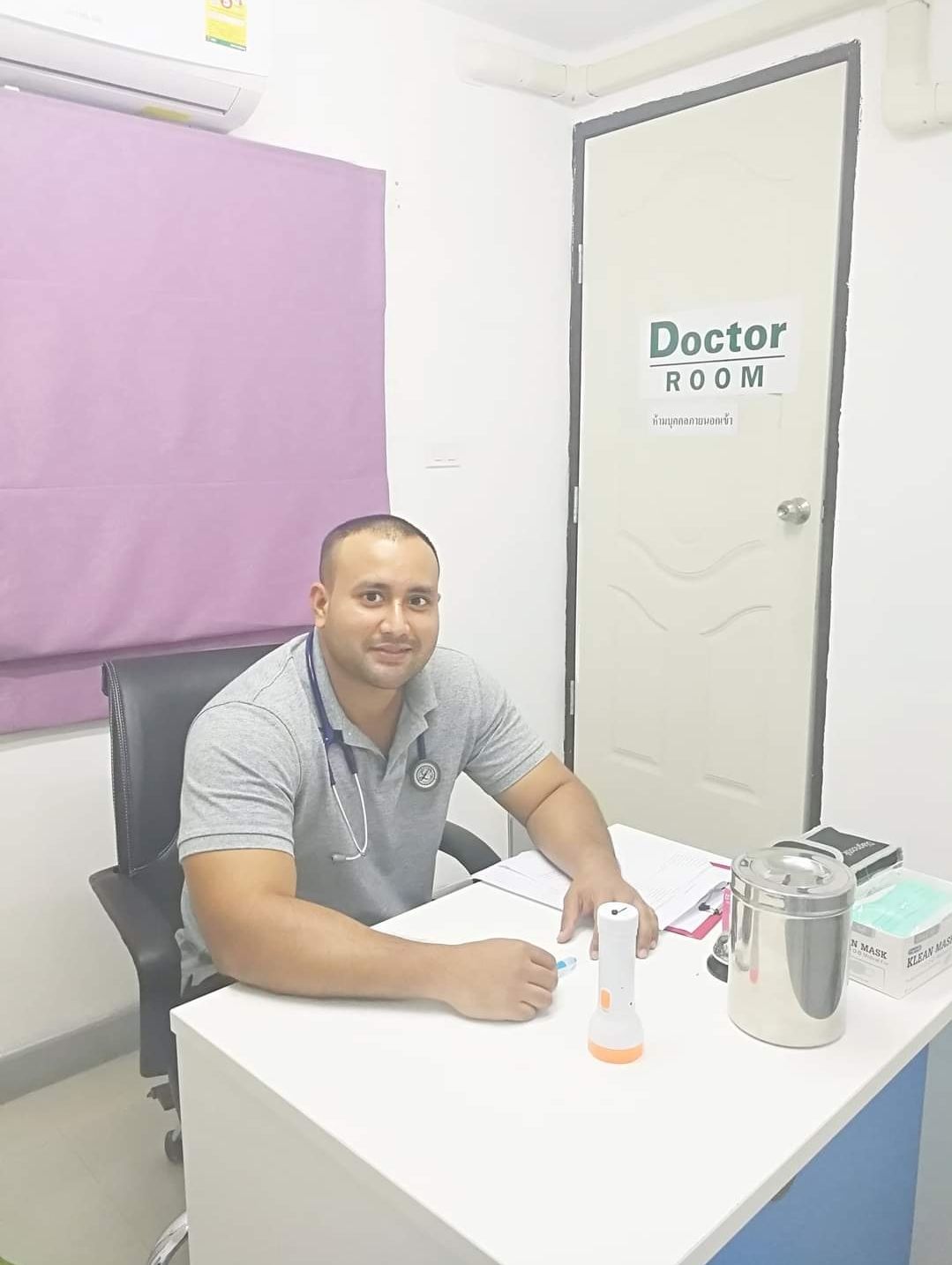
Dr. Ponlawat Pitsuwan is a physician at Doctor Bangkok, a private clinic in central Bangkok. He sees expats, residents, and medical tourists for general medicine, wellness consultations, and IV therapy. His focus is straightforward, evidence-based care delivered in plain language.