
Clinically reviewed by Dr. Ponlawat Pitsuwan, Physician, Doctor Bangkok. Last reviewed: September 2026
A ruptured aortic aneurysm is one of the most time-critical emergencies in medicine. The main warning signs are sudden, severe tearing pain in the abdomen, back, or flank, often with dizziness or collapse. Without emergency surgery, survival is almost zero. Even with surgery, roughly half of patients do not survive. If you or someone nearby has these symptoms in Bangkok, call 1669 immediately.
I see patients come in worried about back pain they have been sitting on for days. Most of the time it is muscular. But occasionally the pattern stops me, because it fits something far more serious. A ruptured aortic aneurysm does not always announce itself the way people expect.
This article covers what the warning signs actually look like, what to do in Bangkok if things escalate fast, and why expats who have not had a cardiovascular check since leaving home are carrying more risk than they realise.

What Is a Ruptured Aortic Aneurysm?
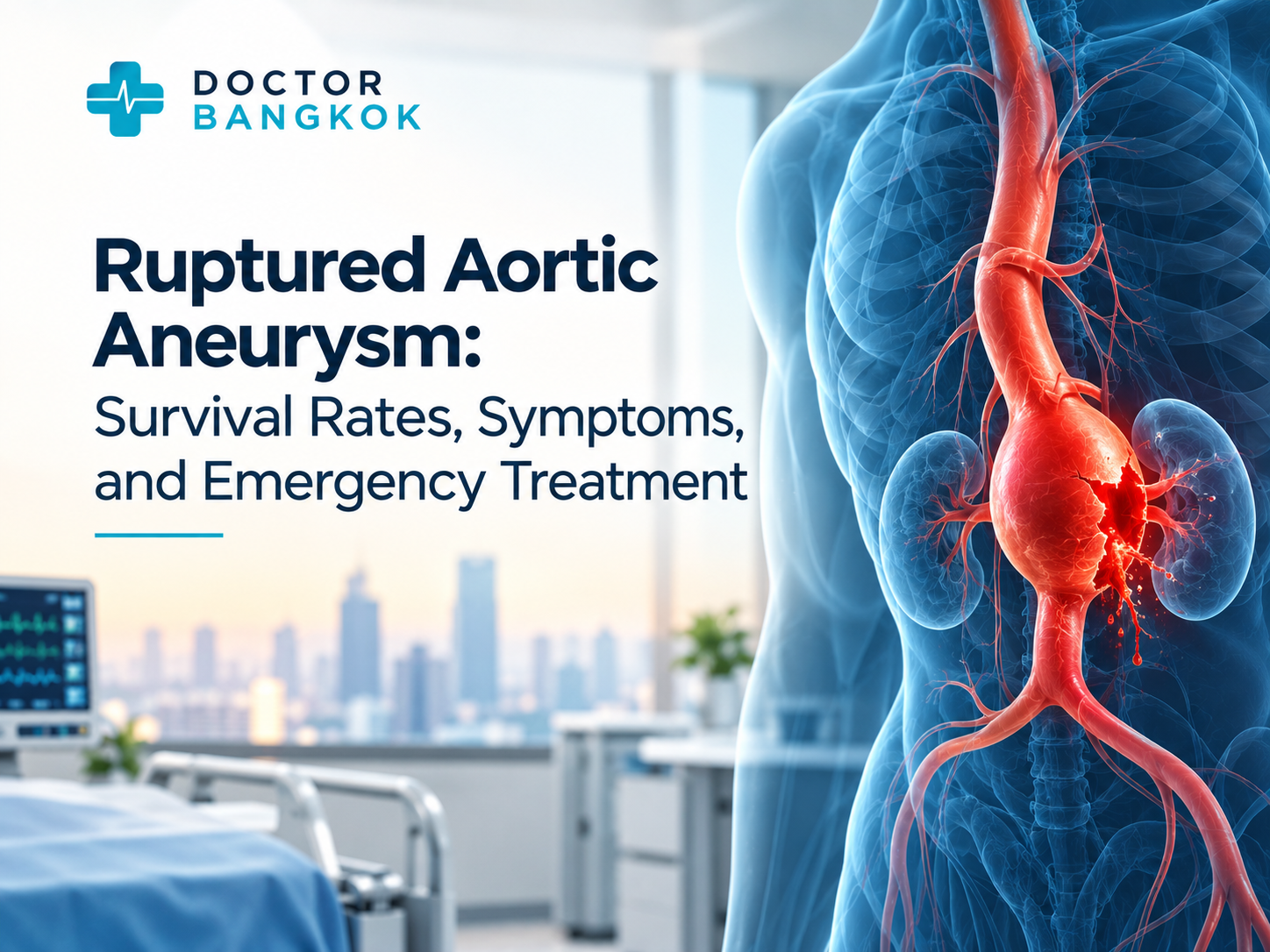
Your aorta is the main artery carrying blood from your heart to the rest of your body. An aneurysm is a section of that artery wall that has ballooned outward and weakened over time. When it tears open, that is a rupture.
There are two main types. An abdominal aortic aneurysm, known as AAA, sits in the belly and is the more common type seen in emergency settings. A thoracic aortic aneurysm, or TAA, sits in the chest. Both can rupture.
Aortic dissection is a related but different event. Blood forces its way through a tear in the inner layer of the aortic wall, splitting the layers apart. It does not always mean the artery has fully ruptured, but it is equally dangerous and needs the same response: get to a hospital with vascular surgery, fast.
Warning Signs Before Rupture — The Window You Cannot Afford to Miss
This is the part most people do not know. Before a full rupture, some patients experience a small early leak from the aneurysm wall. It causes a sudden stab of severe abdominal or back pain that may ease off after a few minutes or hours.
Patients often feel relieved when the pain fades. That relief is dangerous. The wall is still failing. Full rupture can follow within hours.
If you have ever had a sudden severe pain in your abdomen or lower back that came and went without a clear cause, tell your doctor. That symptom pattern needs a cardiovascular risk assessment, not reassurance and muscle relaxants.

Symptoms of a Ruptured Aortic Aneurysm
The classic picture is three things together: sudden severe tearing pain in the abdomen, back, or flank; feeling faint or actually collapsing; and a racing heart. Some patients also feel a pulsing sensation in their abdomen.
The pain is not a dull ache that builds slowly. Patients describe it as something tearing open inside them. It does not ease with position changes.
Not every rupture looks this dramatic at first. Some patients walk into a clinic with back pain and vomiting. That is part of why this condition gets missed.
Why a Ruptured Aortic Aneurysm Is So Often Missed
I want to be direct about this, especially for expats using an unfamiliar healthcare system. Ruptured AAA is routinely confused with kidney stones, pancreatitis, and severe muscle strain. The symptom overlap is real.
In a Bangkok emergency room where language barriers can slow assessment, the risk of misdiagnosis goes up. A patient saying "my back is killing me" in limited Thai may be triaged very differently from someone who gets a full history taken in English.
Having an English-speaking GP as a first contact point makes a practical difference here. Not to treat the rupture, that happens in the operating theatre, but to recognise the pattern quickly and get you to the right place without delay.
Survival Rates — What the Numbers Actually Mean
Survival depends almost entirely on one thing: how fast you reach a surgeon.
For patients who never reach the operating theatre, survival is close to zero. For those who get emergency surgery, overall survival is roughly 50 percent, based on data from major vascular surgery registries. Half of patients who make it to the operating room in time do survive.
What improves your odds is arriving at hospital before your blood pressure collapses. The patients who do best are the ones who call for help early, at the sentinel bleed stage, not after collapse.
Two main surgical approaches exist. Endovascular aortic repair, or EVAR, is done through small incisions in the groin. Open surgical repair involves cutting into the abdomen directly. Which approach is used depends on the patient’s anatomy and how quickly repair needs to happen. Bangkok’s major tertiary hospitals carry both capabilities.
Risk Factors — Who Is Most Vulnerable, and the Expat Angle
The highest-risk profile is a man over 60 who has smoked, has high blood pressure that has not been well controlled, and has not had a cardiovascular screening in years. That describes a lot of expats I see here.
Many men in this demographic came from countries with national screening programmes. The UK, for example, invites all men for an abdominal ultrasound at age 65. When they move to Bangkok, that follow-up disappears. There is no reminder letter and no GP who knows their history. The risk does not go with the screening programme.
Other risk factors include a family history of aortic aneurysm, known arterial disease, and connective tissue conditions such as Marfan syndrome. Being significantly overweight and having poorly managed diabetes over many years also raise risk.
Screening and Early Detection in Bangkok
An unruptured aneurysm caught early changes everything. At that stage, treatment is planned and elective, and far safer than emergency surgery.
An abdominal ultrasound is the standard first-line screening tool. It is painless, takes about 20 minutes, and can clearly show whether the aorta is enlarged. If you fit the at-risk profile above and have not been screened, this is not something to keep putting off.
A GP consultation is the right starting point. At Doctor Bangkok, we take a full history, check your blood pressure, assess your cardiovascular risk, and arrange ultrasound referral where needed. If something concerning comes up, we coordinate referral to a vascular specialist. It is the entry point to early detection, not just a general check.
What to Do in Bangkok If You Suspect a Vascular Emergency
If you or someone nearby has sudden severe abdominal or back pain with dizziness, collapse, or a rapid heart rate, call 1669. That is Thailand’s national emergency number. Do not drive to hospital. Call an ambulance.
While waiting: keep the person lying still and calm. Do not give food or water. Do not leave them alone.
Bangkok has several major hospitals with 24-hour vascular surgical capability, including Bumrungrad, Samitivej, and Bangkok Hospital. These are the right destinations for a suspected aortic emergency. A taxi to a private GP clinic is not the right move at that point.
If you are not sure whether your symptoms are serious and you are stable, Doctor Bangkok can assess you rapidly. If the picture suggests an acute aortic event, we will get you transferred immediately with clinical information already documented. That handover can matter in the minutes that follow.
If you are an expat over 55 with a history of smoking or high blood pressure, and you have not had a cardiovascular check recently, now is the time to address it. Doctor Bangkok offers GP consultations with cardiovascular risk assessment and can arrange abdominal ultrasound referral for at-risk patients. We also provide urgent triage and specialist referral for anyone presenting with concerning cardiovascular symptoms in Bangkok. Book a consultation to get a clear picture of where you stand.
Frequently Asked Questions
Dr. Ponlawat Pitsuwan
Physician, Doctor Bangkok
a private medical clinic in central Bangkok. He sees expats, residents, and medical tourists for cardiovascular risk assessment, general medical consultations, and urgent triage and referral for acute presentations. His focus is straightforward, evidence-based care delivered in plain language.
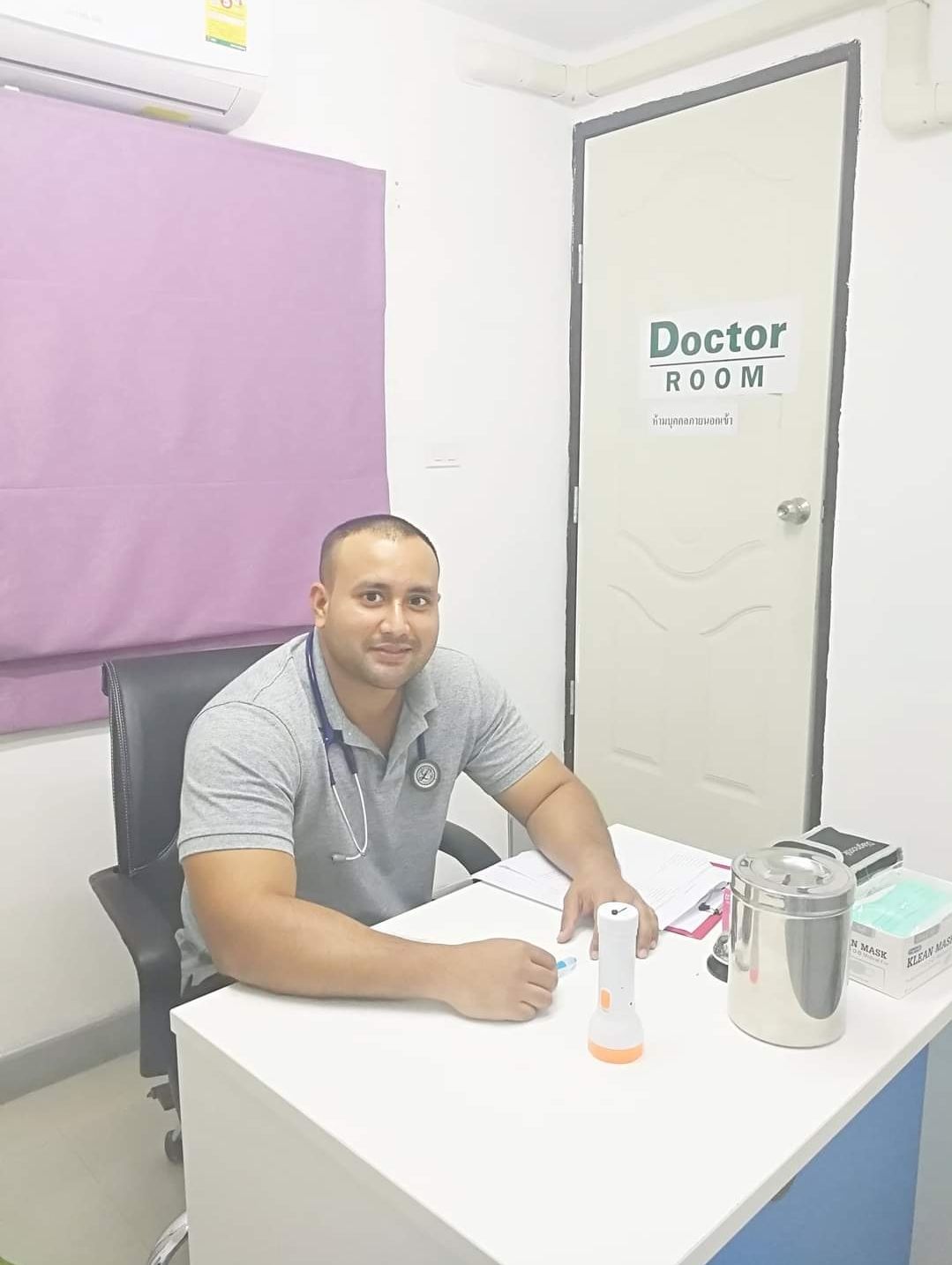
Dr. Ponlawat Pitsuwan is a physician at Doctor Bangkok, a private clinic in central Bangkok. He sees expats, residents, and medical tourists for general medicine, wellness consultations, and IV therapy. His focus is straightforward, evidence-based care delivered in plain language.