
Clinically reviewed by Dr. Ponlawat Pitsuwan, Physician, Doctor Bangkok. Last reviewed: September 2026
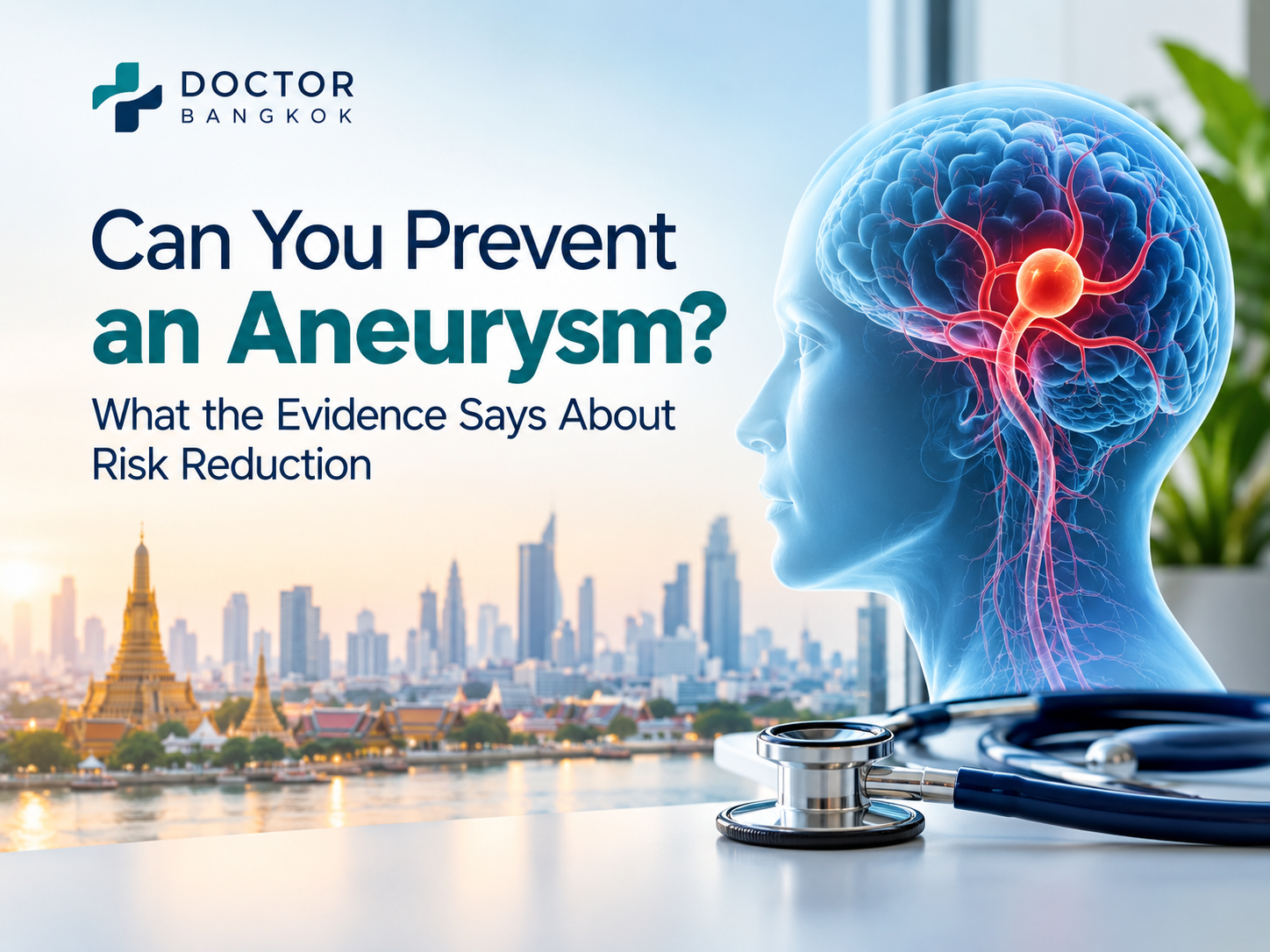
You cannot guarantee that an aneurysm will never form, but strong evidence shows that controlling blood pressure, quitting smoking, and limiting alcohol substantially reduce both your risk of developing one and your risk of it rupturing. For expats in Bangkok who have not had a check-up in over a year, a blood pressure reading and lipid panel are the most practical first steps you can take today.
Most patients I see for aneurysm risk did not come in worried about their brain. They came in for a routine health check, a blood pressure concern, or peace of mind before a long-haul flight home. Then the conversation turned serious. Aneurysms carry no obvious warning signs in most cases, and many people carry one without ever knowing it. The risk factors that matter most are ones most expats in Bangkok have been quietly letting slide for years.
The evidence on prevention is real and actionable. You may not be able to change your genetics, but the factors you can control account for a large share of the risk. Here is what those factors are, what warning signs to know, and what to do about it if you are living or working in Bangkok right now.

What an Aneurysm Is — Brain vs Aortic
An aneurysm is a weak spot in an artery wall that balloons outward under pressure. The two types that matter most are brain aneurysms, also called cerebral or intracranial aneurysms, and aortic aneurysms, which form in the large artery running through your chest and abdomen.
A brain aneurysm that ruptures causes bleeding around the brain and is a medical emergency. An aortic rupture is equally dangerous. Most people with an unruptured aneurysm have no symptoms at all, which is exactly why the preventive steps below matter.
Who Is at Higher Risk — What You Can and Cannot Change
Some risk factors you cannot control. Family history is the biggest one. If a parent or sibling has had a brain aneurysm, your own risk is meaningfully higher. Certain genetic conditions, including polycystic kidney disease and Ehlers-Danlos syndrome, also weaken artery walls. Being female and being over 40 both raise the statistical risk for brain aneurysms.
What you can control is a longer list. High blood pressure is the single most important modifiable risk factor. Smoking damages artery walls directly and is independently linked to both aneurysm formation and rupture. Excessive alcohol, high cholesterol, plaque buildup in the arteries, and stimulant use all contribute. In most patients I see here, it is two or three of these factors working together over years.
| Risk Factor | Modifiable? | Clinical Weight |
|---|---|---|
| High blood pressure | Yes | Strongest modifiable factor |
| Smoking | Yes | High — directly damages artery walls |
| Excessive alcohol | Yes | Moderate — raises blood pressure and rupture risk |
| High cholesterol / arterial plaque | Yes | Moderate |
| Family history of aneurysm | No | Significant |
| Polycystic kidney disease / Ehlers-Danlos | No | High in affected individuals |
| Female sex | No | Moderate increase in brain aneurysm risk |
| Age over 40 | No | Risk increases with age |

How to Prevent an Aneurysm — Steps with Real Evidence Behind Them
The most important thing you can do is control your blood pressure. Most guidelines target below 130/80 mmHg. High blood pressure causes no pain, which is why so many patients here are genuinely shocked when they check it for the first time in years. If your reading is consistently high, that pressure is stressing your artery walls every single day.
Stop smoking. For aneurysm risk specifically, smoking is one of the clearest accelerants we know of. It breaks down the structural proteins in your artery walls. If you smoke and have high blood pressure, your combined risk is substantially higher than either factor alone.
Limit alcohol. Drinking heavily raises blood pressure and has been directly linked to aneurysm rupture. The clinical threshold most guidelines use is no more than one standard drink per day for women and two for men. For expats navigating Bangkok’s social scene, this one deserves an honest look.
Diet and sodium intake matter too. A lipid profile, checking your cholesterol, tells you whether arterial plaque is already building quietly. Regular aerobic exercise supports blood pressure control with strong evidence behind it. Most expats I see have not had a baseline check in years, so they genuinely do not know where they stand.
Avoid stimulants. Cocaine and amphetamines cause sudden, extreme blood pressure spikes and have been directly linked to aneurysm rupture in clinical records.
Why Expats in Bangkok Face a Hidden Risk
This is the gap I see again and again. You leave home, lose your GP, and between settling in and getting busy, your annual check-up stops happening. Three years pass. Five years. You feel fine. Feeling fine is not the same as being fine.
Bangkok’s lifestyle adds specific pressure. Street food here is genuinely high in sodium, and if you eat out daily, your intake can creep well above recommended levels without you realising it. Add regular social drinking and years of skipped check-ups, and the risk picture shifts. Bangkok’s air quality is also worth noting: persistent PM2.5 exposure is increasingly linked in research to vascular stress.
The fix is not complicated. A blood pressure check, a lipid panel, and a conversation about your family history is where you start. At Doctor Bangkok, that kind of catch-up assessment takes less than an hour.
Warning Signs You Should Not Ignore
An unruptured aneurysm is usually silent. Some patients describe a persistent headache behind one eye, a drooping eyelid, or changes in vision. These are worth getting assessed, but they are not specific to aneurysms alone.
A ruptured aneurysm is different. The defining symptom is a thunderclap headache, sudden and severe, often described as the worst headache of your life. It may come with nausea, vomiting, a stiff neck, light sensitivity, or a brief loss of consciousness. If this happens, go to an emergency department immediately. This is not something to wait on.
Preventive Tests to Ask About at a Bangkok Clinic
Blood pressure is the starting point and takes about two minutes. A lipid profile covers your cholesterol and whether arterial plaque is developing. Blood glucose matters too, because diabetes adds secondary vascular risk.
If you have a first-degree family history of brain aneurysm, MRA (magnetic resonance angiography) is the imaging test used to look for unruptured aneurysms. This requires a referral to a specialist centre. A GP consultation at Doctor Bangkok is the right starting point for that pathway. We take your family history, assess your overall risk, and provide a referral with clinical context so you are not handling Bangkok’s hospital system alone.
For a broader baseline, a structured health check covering blood pressure, lipid panel, and glucose gives you what most expats here are missing.
Medical Treatment and Monitoring for Existing Aneurysms
If an unruptured aneurysm is found, management depends on its size, location, and your overall health. Smaller aneurysms are often monitored with regular imaging. Others are treated with surgery or endovascular coiling, where a catheter is used to seal the aneurysm from the inside. Flow diverters, a newer option, redirect blood away from the aneurysm wall in some cases.
These decisions are made by a neurosurgeon or neurovascular specialist. What a GP does is assess your risk, arrange the relevant imaging, and connect you to the right specialist. If you are already in Bangkok and you have been told you have an aneurysm, Doctor Bangkok can help move that referral quickly.
When to Seek Emergency Care in Bangkok
A thunderclap headache is a medical emergency. Bangkok hospitals with neurosurgical capability and English-language services include Bumrungrad International, Bangkok Hospital, and Samitivej Sukhumvit, all reachable from central Bangkok. Take a taxi or call an ambulance. Do not drive yourself.
If something feels off but it is not a sudden catastrophic headache, Doctor Bangkok can see you the same day. We can rule out other causes, check your neurological status, and refer you urgently if needed. The worst thing you can do is sit at home and wait to see if it passes.
If you have not had your blood pressure or cholesterol checked in the past year, that is the most practical step you can take today. Doctor Bangkok offers same-day GP consultations, blood pressure measurement, and full lipid panel blood tests from our clinic on Sukhumvit 13, BTS Nana. If you have a family history of aneurysm or want a referral for MRA imaging, we can arrange that at the same visit. English-speaking physicians, walk-in consultations welcome, open seven days a week.
Frequently Asked Questions
Dr. Ponlawat Pitsuwan
Physician, Doctor Bangkok
a private medical clinic in central Bangkok. He sees expats, residents, and medical tourists for general medicine, cardiovascular risk assessment, health checks, and referral coordination across Bangkok’s specialist network. His focus is evidence-based care delivered in plain language.
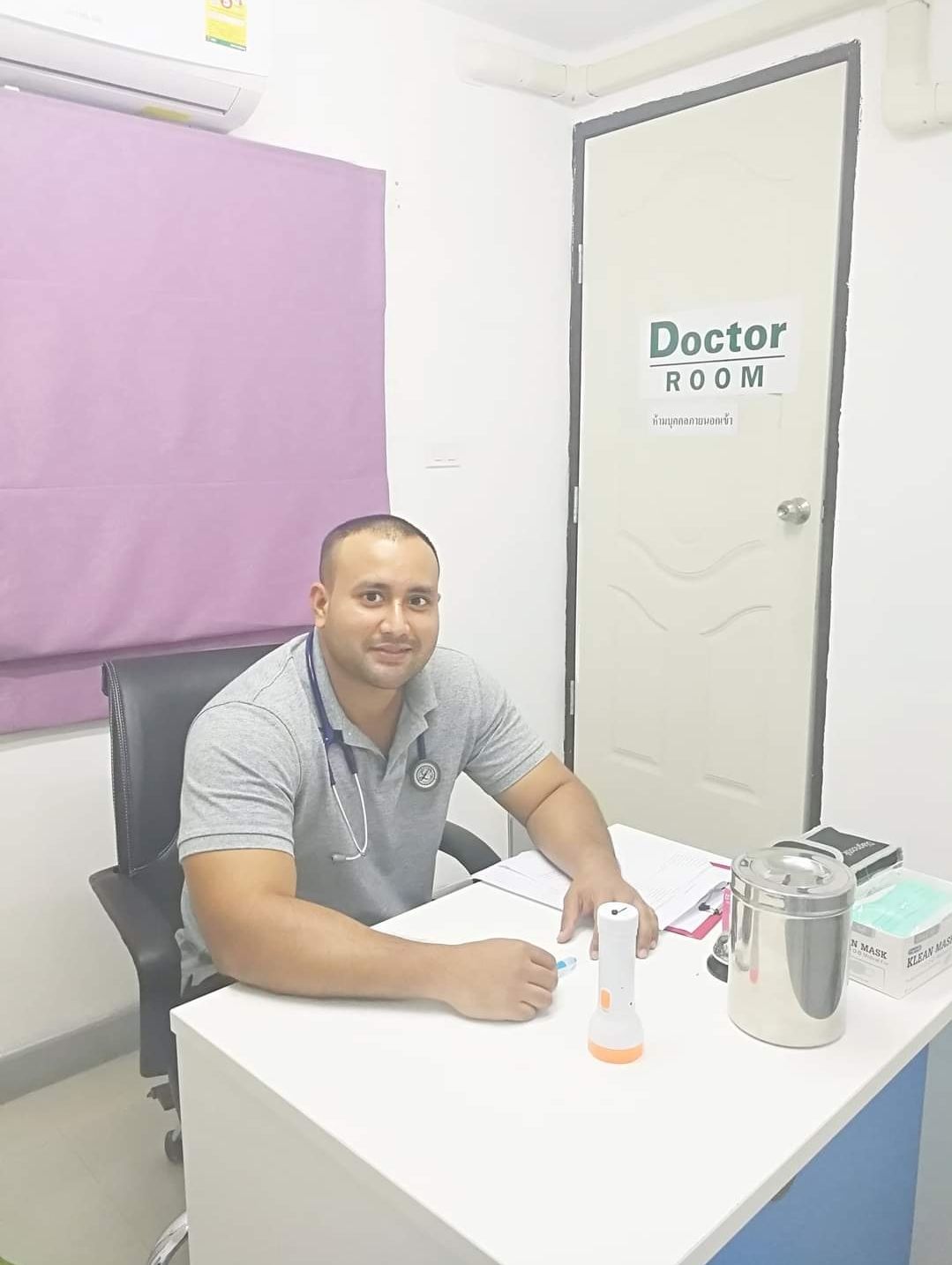
Dr. Ponlawat Pitsuwan is a physician at Doctor Bangkok, a private clinic in central Bangkok. He sees expats, residents, and medical tourists for general medicine, wellness consultations, and IV therapy. His focus is straightforward, evidence-based care delivered in plain language.