
Clinically reviewed by Dr. Ponlawat Pitsuwan, Physician, Doctor Bangkok. Last reviewed: July 2026
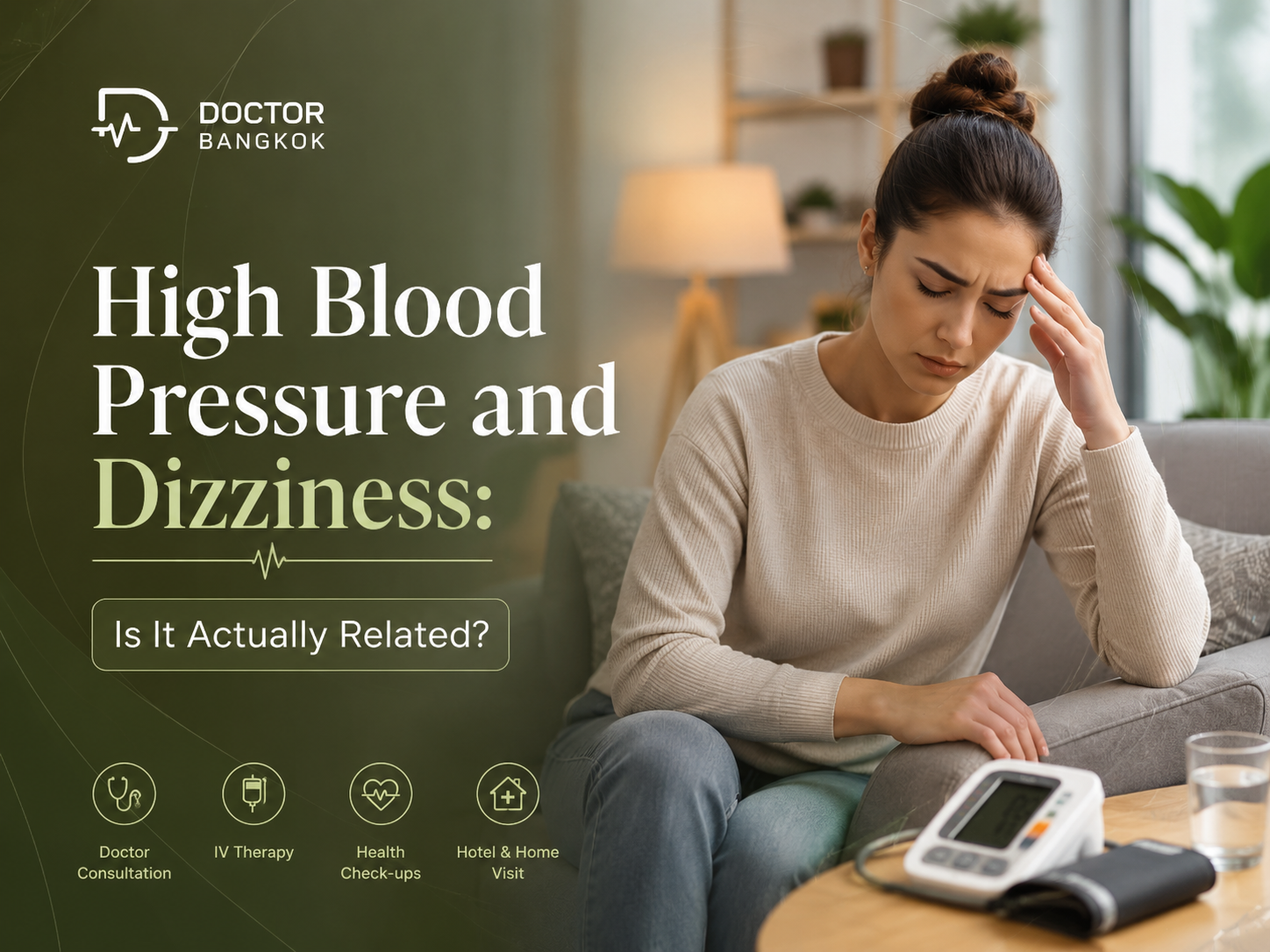
High blood pressure does not usually cause dizziness on its own. In most cases, dizziness in people with hypertension comes from blood pressure medication, standing up too quickly, or dehydration. A reading above 180/120 mmHg with dizziness, headache, or chest pain is a different situation entirely and needs urgent attention.
You felt dizzy. You checked your blood pressure and it was high. So obviously the two are connected, right? Not always. This is one of the most common assumptions I see patients make, and getting it wrong leads to unnecessary anxiety and sometimes the wrong treatment.
The truth is more nuanced than most health websites let on. If you are living in Bangkok, managing hypertension with medications you brought from home, stepping in and out of 35-degree heat all day, this article is for you. I want to explain what actually causes dizziness when you have high blood pressure, when it is serious, and what to do about it here in Bangkok.

Is Dizziness Actually a Symptom of High Blood Pressure?
Here is the honest clinical answer: mostly no, but sometimes yes.
Chronic high blood pressure, the kind that sits at 140/90 or 150/95 day after day, rarely causes dizziness on its own. Your body adapts to that pressure over time. Most people with untreated hypertension feel nothing, which is exactly what makes it dangerous. It earns the name "silent killer" for this reason.
The situation where high blood pressure does cause dizziness is a hypertensive crisis, where your reading goes above 180/120 mmHg. At that level, symptoms become real and the picture is urgent. That is a very different clinical situation from the everyday dizziness most patients describe to me.
So if your blood pressure is moderately elevated and you feel dizzy, the dizziness is probably coming from something else. The two most likely causes are your medication and how your blood pressure behaves when you change position.
Orthostatic Hypotension: When Standing Up Triggers Dizziness
This is the one I explain most often in clinic. You stand up from a chair or get out of bed, and for a few seconds you feel light-headed or like you might faint. That is called orthostatic hypotension, a temporary drop in blood pressure when you change position.
Normally your body corrects this within seconds. But if you are on blood pressure medication, dehydrated, or have been sitting in an air-conditioned room before stepping into Bangkok’s heat, that correction is slower.
This is not dangerous in most cases. It is uncomfortable and can cause falls, especially in older patients. The fix is usually simple: stand up slowly, stay well hydrated, and talk to your doctor about medication timing. If it is happening daily, come in and get checked.

Bangkok-Specific Risk Factors: Heat, Humidity, and Dehydration
Most articles about this topic are written for temperate climates. Bangkok’s heat and humidity are not a background detail here. They are a real clinical factor.
When you are hot, your blood vessels widen to release heat through the skin. That widening drops your blood pressure. If you are also sweating heavily and not drinking enough, your blood volume falls too. The result is that your blood pressure drops more than it should, especially when you stand.
Electrolyte loss matters here as well. Sweating strips sodium and potassium from your body, and low sodium affects how blood pressure regulates itself. If you are on a diuretic for your blood pressure, you are losing even more fluid and electrolytes through urine on top of what you lose through sweat. This combination is genuinely risky in Bangkok’s climate.
I see this pattern regularly at Doctor Bangkok. An expat arrives, continues their usual medication dose from a cooler country, and starts feeling dizzy every afternoon. The medication that was perfectly calibrated in London or Sydney is now too strong for life in 35-degree heat. That conversation is worth having with a doctor sooner rather than later.
When Blood Pressure Medication Causes Dizziness
If you take medication for hypertension and you feel dizzy, there is a real chance your medication is the direct cause.
Diuretics, commonly called water tablets, make you urinate more to reduce fluid volume and lower pressure. In Bangkok’s heat, they compound dehydration. They are the most common medication-related cause of dizziness I see in expats with hypertension here.
Beta-blockers slow your heart rate and can blunt your body’s ability to compensate when you stand up or move quickly, leading to that woozy, slow-to-respond feeling. ACE inhibitors and calcium channel blockers relax blood vessels, which is exactly what they are supposed to do. But in the heat, when your vessels are already widened, the effect can overshoot and drop your pressure too low.
Note when your dizziness happens. Is it within an hour of taking your medication? When you stand up? Only outside in the heat? That pattern tells me far more than the dizziness itself. Write it down and bring it to your appointment.
Vertigo Versus Lightheadedness: They Are Not the Same Thing
Patients often use the word "dizziness" to describe two very different feelings, and the distinction matters clinically.
Lightheadedness is the feeling that you might faint, a woozy or floating sensation. This is the type most likely to be connected to blood pressure, whether high, low, or medication-related.
Vertigo is the feeling that the room is spinning, or that you are spinning inside it. This is almost never caused by hypertension. Vertigo points much more strongly toward the inner ear, conditions like BPPV, labyrinthitis, or vestibular neuritis. These are common in Bangkok too, often triggered by upper respiratory infections.
If your dizziness spins, and especially if turning your head or rolling over in bed makes it worse, your blood pressure is probably not the cause. Getting this distinction right saves time and points treatment in the right direction.
Red Flag Symptoms: When This Becomes an Emergency
Most cases of dizziness with hypertension are not emergencies. But some are, and you need to know the difference.
Go to an emergency department if your blood pressure reads above 180/120 mmHg and you also have any of the following: severe headache, chest pain, shortness of breath, sudden vision changes, numbness on one side of your body, or confusion. This combination suggests a hypertensive crisis, where blood pressure is high enough to damage organs. Do not wait to see if it passes.
If your reading is under 180/120 and you feel dizzy but have none of those other symptoms, that is not an emergency. It does warrant a same-day GP visit rather than ignoring it. Do not self-adjust your medication dose without speaking to a doctor first.
Getting Your Blood Pressure Checked and Managed in Bangkok
Finding a doctor in Bangkok who speaks English, understands your medication history, and can see you without a long wait should not be complicated. Doctor Bangkok’s Asoke clinic on Sukhumvit is walk-in, English-speaking, and can handle a full blood pressure assessment in a single visit.
That means a proper blood pressure reading taken as a resting sequence, not just one measurement. We can check kidney function, electrolytes, and blood glucose, all of which affect how blood pressure behaves. An ECG is available if there is any concern about heart rhythm. And we will talk through whether your current medication dose still makes sense for the climate you are living in.
If you moved to Bangkok from a cooler country and started feeling dizzy after your move, do not assume it is just the weather. Bring your medication list. That conversation is one of the most useful ones I have with new patients here.
Feeling dizzy and unsure if your blood pressure is the cause? Doctor Bangkok offers walk-in blood pressure assessments, ECG, and blood panels at our Asoke clinic on Sukhumvit, with English-speaking doctors and no referral needed. Book a same-day GP appointment or walk in when it suits you. Visit doctorbangkok.co.th to find out more.
Frequently Asked Questions
Can Bangkok’s heat make my blood pressure harder to manage and cause dizziness?
Yes, and this is something I explain to patients regularly. Heat causes your blood vessels to widen, which drops blood pressure, especially when you stand up. If you are sweating heavily and not drinking enough, your blood volume drops too, making dizziness worse. If you are on a diuretic, this effect is amplified further.
How do I know if my dizziness is from high blood pressure or from my medication?
Pay attention to when it happens. If dizziness comes on shortly after taking your medication, or only when you stand up quickly, your medication is the more likely cause. True hypertension-related dizziness at dangerous pressure levels tends to come with headache, visual changes, or chest discomfort. Note the pattern and bring that information to your doctor.
What blood pressure reading should concern me if I also feel dizzy?
Above 180/120 mmHg with dizziness plus any of these, severe headache, chest pain, vision changes, or one-sided numbness, is a hypertensive crisis and needs emergency care. A reading between 140 and 179 with mild dizziness only is not immediately dangerous, but get it assessed the same day rather than waiting.
Could my dizziness be vertigo rather than a blood pressure problem?
Quite possibly. If the dizziness feels like the room is spinning, especially when you turn your head or roll over in bed, that points to the inner ear rather than blood pressure. Lightheadedness or near-fainting is more likely to be blood pressure related. The two need different assessments, so describing exactly what you feel matters.
Can I get my blood pressure checked and my prescription reviewed in Bangkok without a referral?
Yes. Doctor Bangkok operates as a walk-in service with no referral needed. We can check your blood pressure, run relevant blood tests, perform an ECG if appropriate, and advise on your medication in the same visit. Itemised receipts are provided for insurance claims and all consultations are in English.
Is it safe to keep taking my home-country blood pressure medication in Bangkok’s climate?
Often yes, but not always at the same dose. A medication calibrated in a cooler country can sometimes be too effective in Bangkok’s heat, dropping your pressure too low. If you have recently moved here and started feeling dizzy, this is worth reviewing with a doctor rather than assuming it will resolve on its own.
Dr. Ponlawat Pitsuwan
Physician, Doctor Bangkok
a private medical clinic in central Bangkok. He sees expats, residents, and medical tourists for hypertension management, general medical consultations, and chronic condition care. His focus is straightforward, evidence-based care delivered in plain language.
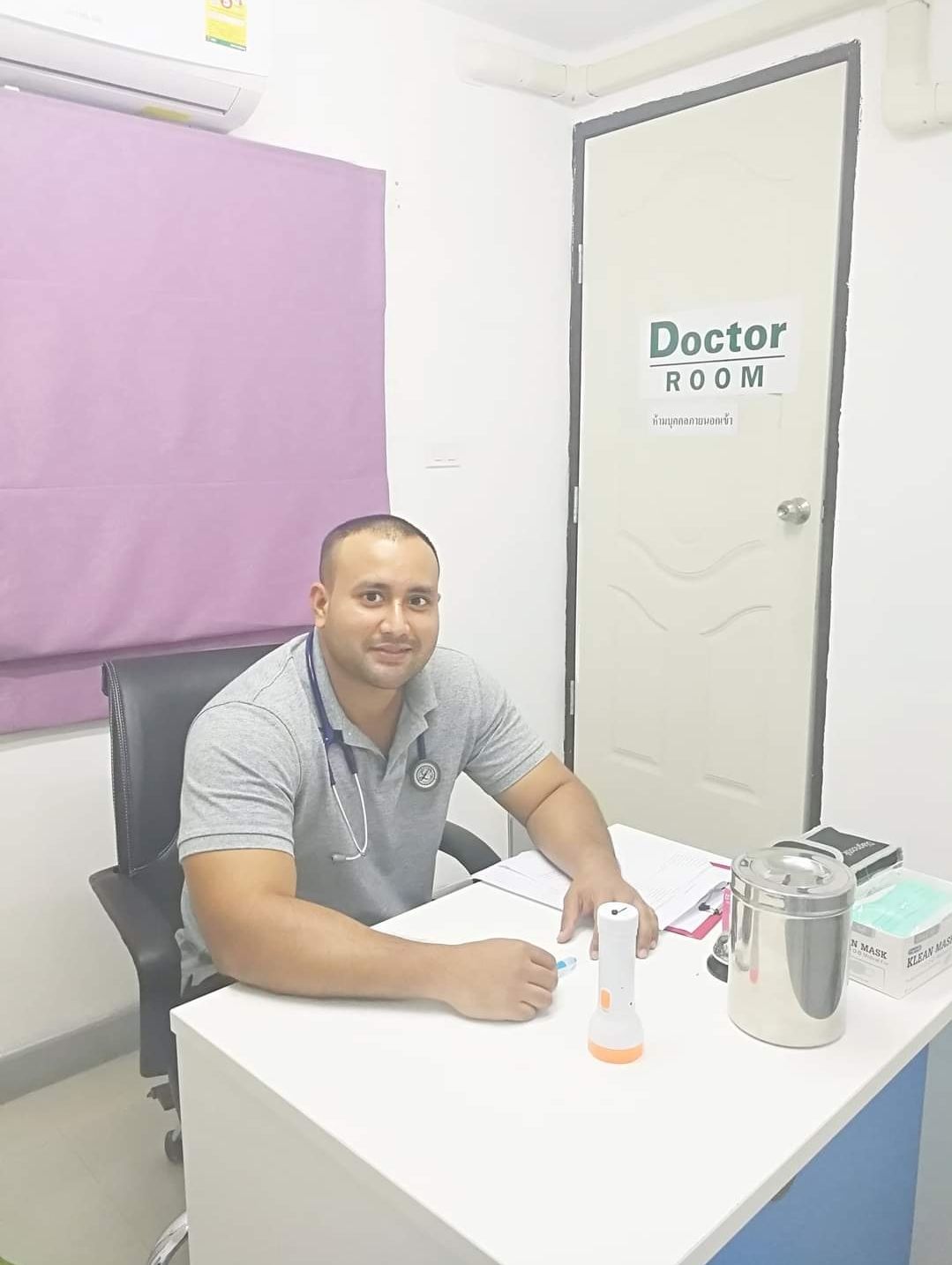
Dr. Ponlawat Pitsuwan is a physician at Doctor Bangkok, a private clinic in central Bangkok. He sees expats, residents, and medical tourists for general medicine, wellness consultations, and IV therapy. His focus is straightforward, evidence-based care delivered in plain language.